The Legend of King Arthur: Truth, Tale, or Internet Whimsy?
There are days when the internet feels like a treasure chest of wonders… and other days when it feels like someone dumped a medieval storybook, a history textbook, and a Disney script into a blender and hit purée. And because we all know that if it’s on the internet, it must be true, today’s journey down the rabbit hole brings us to one of the most enduring legends of all time: King Arthur.
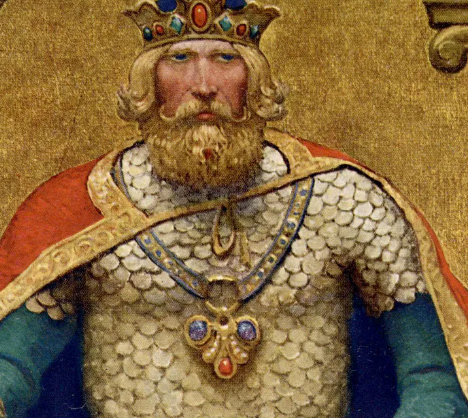
So grab your imaginary sword, polish your virtual armor, and let’s wander through the misty halls of Camelot—courtesy of the world wide web.

A Sword, a Stone, and a Story We All Know
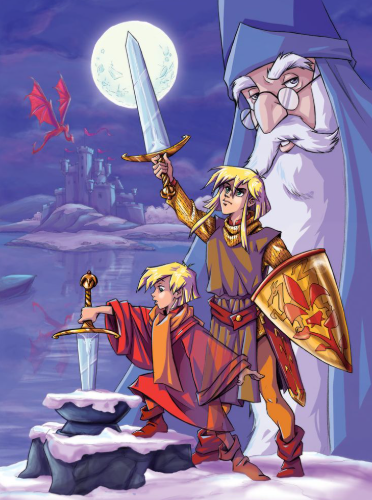
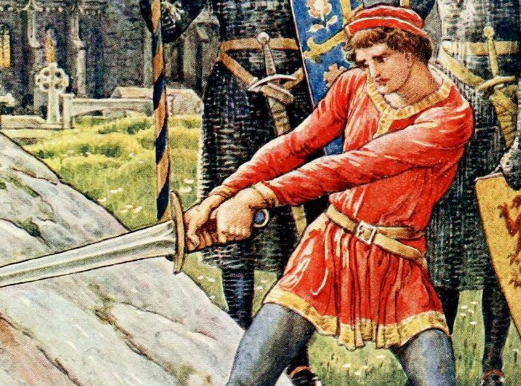
Most of us grew up with the classic tale: a young Arthur Pendragon pulls a sword from a stone, proving he’s the rightful king of Britain. He marries Guinevere, gathers the bravest knights around a Round Table, and rules with justice, honor, and enough chivalry to make modern etiquette books blush.
Then comes betrayal—Lancelot and Guinevere’s ill‑fated romance—and Arthur’s final journey to the mystical Isle of Avalon after being mortally wounded. It’s dramatic, tragic, and tailor‑made for Hollywood. No wonder Disney cashed in.
But where did all this actually come from?
The First “Historical” Arthur… Written 300 Years Too Late
Our earliest written mention of Arthur comes from a 9th‑century Welsh monk named Nennius, who described Arthur as a 5th‑century warrior battling Anglo‑Saxons. Inspiring, yes—but also written centuries after the fact. Imagine writing a biography of someone from the 1700s based solely on campfire stories.
That’s our first clue that things might be… flexible.
Enter Geoffrey of Monmouth: The Man Who Made Arthur a Superstar
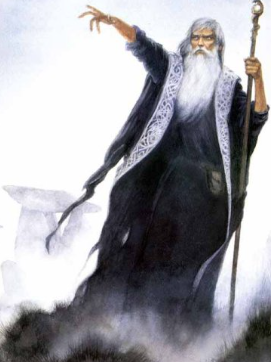 In the 12th century, Geoffrey of Monmouth penned Historia Regum Britanniae, and suddenly Arthur wasn’t just a warrior—he was a king. This is where we first meet Merlin, Guinevere, Excalibur, and Avalon. Geoffrey’s work was wildly popular, but historians today treat it more like medieval fan‑fiction than factual record.
Then along came French writer Chrétien de Troyes, who added Lancelot and the Holy Grail, launching the entire genre of Arthurian romance. Each writer added a little more magic, a little more drama, and a lot more legend.
Camelot, Avalon, and Other Places That Might Not Exist
Camelot has been “located” in Wales, Somerset, and Winchester—depending on which historian, archaeologist, or enthusiastic blogger you ask. None of these claims have solid evidence.
Avalon, meanwhile, gets its name from the Welsh word for “apples,” which is far less mystical than the glowing, enchanted island we picture. Still, it’s said to be home to Morgan le Fay and the birthplace of Excalibur, so the internet keeps the magic alive.
So… Was King Arthur Real or Not?
The consensus among scholars is that Arthur, as we know him, is mythological—a patchwork of folklore, wishful thinking, and centuries of storytelling. There may have been a real warrior who inspired the legend, but the shining king of Camelot? That’s another matter entirely.
But that’s the beauty of legends—they grow, evolve, and enchant us, whether rooted in truth or spun from imagination.
So tell me, dear readers of Around Dusty Roads:
Do you think King Arthur was real, or is he simply one of history’s greatest myths?