Bridge of Flowers Opens for the Season

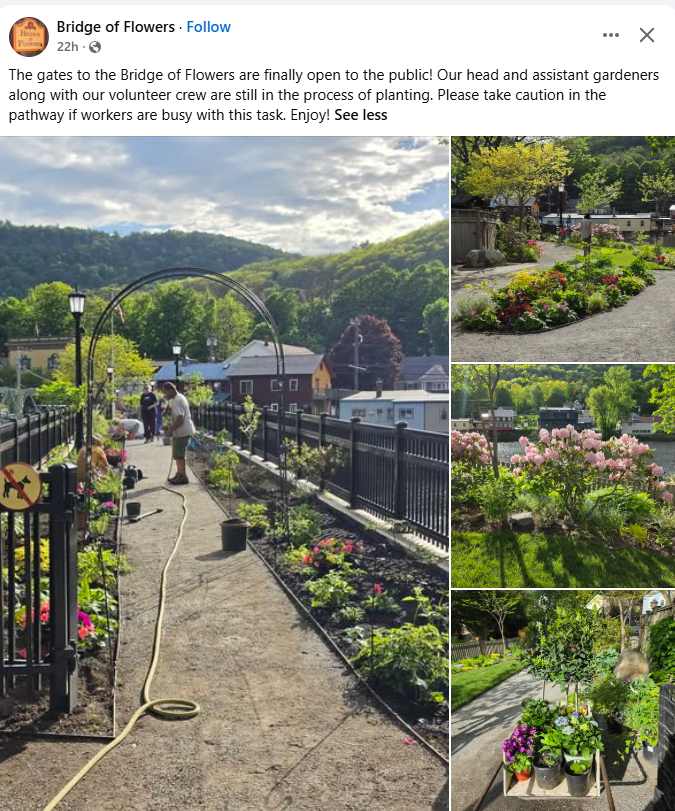
The Bridge of Flowers in Shelburne, MA is open for the season. This one‑of‑a‑kind flower‑covered trolley bridge is cared for by skilled gardeners and volunteers, making it the perfect spot for a quiet, restorative stop. Enjoy the blooms — and take care of the environment while you’re there.

The Bridge of Flowers announces it's annual spring opening

The Bridge of Flowers began as a simple trolley bridge, reborn as a public garden in 1929.  The Bridge of Flowers Committee lovingly cares for the floral displays  season after season for everyone to enjoy. Open from May to October.

A Tale of Two Lighthouses

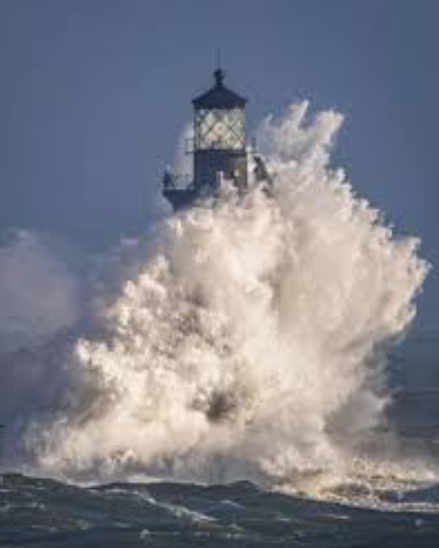
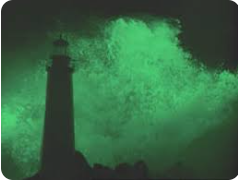
Graves light takes a pounding from the sea at the entrance to Boston Harbor's deep water channel


Graves Light: Boston Harbor’s Outer Sentinel
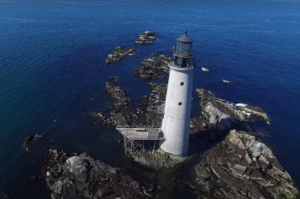
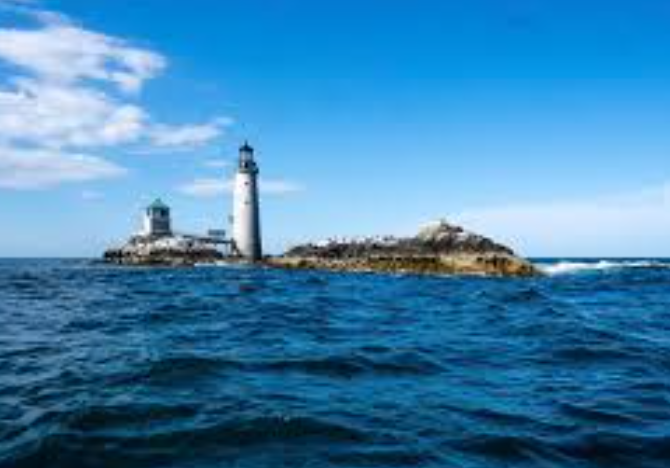
Lighthouses have always been the quiet guardians of the coast — part warning, part welcome, standing where the sea turns unpredictable. In my last post, Boston Light played the role of the harbor’s warm lantern, guiding ships safely home. Just a few miles away, though, another tower tells a very different story. Graves Light, perched on a scatter of ledges at the edge of the deep‑water channel, wasn’t named for sailors’ graves at all, but for Rear Admiral Thomas Graves, an early Massachusetts figure. Its job has always been the opposite of Boston Light’s: not to beckon ships inward, but to warn them away from danger.


A Lighthouse Built for the Hard Work

Completed in 1905, Graves Light is the tallest lighthouse in Boston Harbor and by far the most exposed. Its granite blocks were quarried in Rockport and pinned into the ledge like a stone corkscrew — because anything less would have been torn apart by the Atlantic. This tower wasn’t built for charm. It was built to take a beating.

And it still does.


Still Active — Even in Private Hands

In 2013, Graves Light made headlines when it was sold at auction for $933,888, becoming one of the most expensive lighthouse sales in U.S. history. The new owners restored the tower itself — floors, windows, dock, solar power — but the light and fog signal remain federal property.

The U.S. Coast Guard still operates:

  • the modern beacon
  • the fog horn
  • the official charted signal: Fl (2) W 12s

So yes, Graves Light is still an active aid to navigation, even though the building is privately owned. The tower belongs to people; the warning still belongs to the sea.


Two Lights, Two Jobs

Graves Light and Boston Light sit on opposite sides of the deep‑water channel — only about 3.5 miles apart, but doing completely different work.

  • Graves Light stands on the outer edge, flashing its stern warning:
    “Danger here — avoid the ledges.”
  • Boston Light waits farther in, offering the softer message:
    “Safe water ahead — welcome to the harbor.”

Mariners once treated them as a sequence: clear the danger, then follow the welcome home.

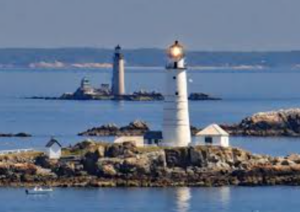
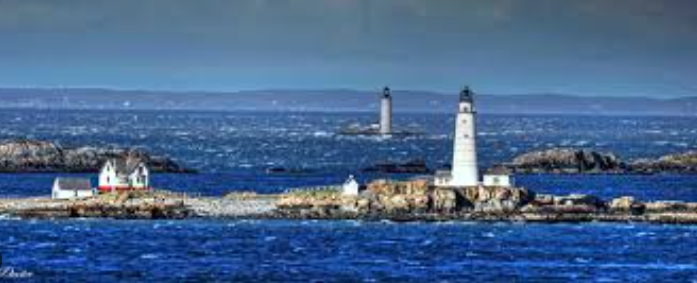
Boston Light and Graves Light, two guardians of Boston harbor


The Zoo Ship Wreck of 1938

One of the strangest events tied to Graves Light came in 1938, when the steamer City of Salisbury ran aground near the ledges in thick fog. Its cargo?
A traveling zoo shipment — monkeys, parrots, pythons, cobras, and other exotic animals.

Most survived, and newspapers gleefully reported “snakes loose in Boston Harbor.” Graves Light has seen its share of storms, but that day it witnessed a circus.


A Hollywood Cameo

Graves Light even had a moment on the silver screen. It appears in the storm sequence of the 1948 film Portrait of Jennie, where the tower is cast as a brooding, windswept sentinel. Even if you’ve never seen the movie, it’s a fun bit of trivia — one of the few times this rugged lighthouse slipped into Hollywood’s imagination.


A Sentinel You Can Still See Today

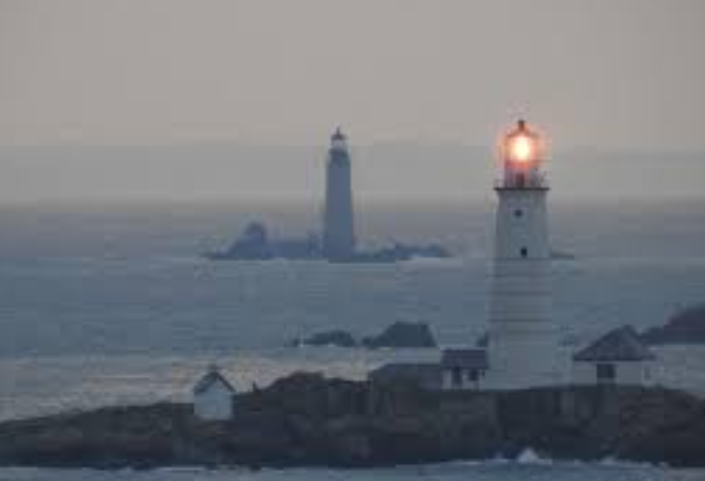
If you take one of the harbor or lighthouse cruises, you’re almost guaranteed to see both Boston Light and Graves Light in a single sweep of the horizon. Coming out from the harbor, you first pass the civilized silhouette of Boston Light, with its keeper’s house and outbuildings tucked neatly on Little Brewster Island. And just beyond it, rising straight from the gray Atlantic, stands Graves Light — taller, starker, and far more ominous. One welcomes you in; the other warns you away. Seen together, they tell the whole story of Boston Harbor in two towers.


Boston Light: Still Standing, Still Shining

Located on Little Brewster Island, Boston Light: America’s Oldest Lighthouse is Still on Duty


Oh What a Light

(A little wink to the 1960s classic “Oh, What a Night”)

Boston Light is like an old war hero — weathered, stubborn, and full of stories it never quite shares. It has guarded the entrance to Boston Harbor for more than three centuries, and those stones have seen everything from calm seas to cannon fire.

Built in 1716, Boston Light is the oldest continually used lighthouse in the United States. Its history reaches straight back to the Revolutionary War.

The first tower stood about 60 feet high and was made from rough island stones. Workers stacked unshaped rubblestone into a tapering tower and held it together with early mortar. It wasn’t fancy, but it worked.

That original lighthouse didn’t survive the war. In 1776, British forces retreated from Boston Harbor and set explosives that destroyed the tower. (Those darn Redcoats!)  Boston rebuilt quickly. By 1783, the Commonwealth raised a new lighthouse using the island’s rubblestone once again. This version had thick 7.5‑foot walls and reached 75 feet into the air.

In 1859, the tower needed more height to hold a massive 4,000‑pound Fresnel lens. Builders added another 14 feet, giving the lighthouse the profile we recognize today.


The Modern Boston Light

Boston Light glows bright while Graves Light keeps its quiet watch beyond

The lighthouse on Little Brewster Island blends the 1783 rebuild with the 1859 expansion. It rises 89 feet (102 feet above sea level) and still contains the old rubblestone core, now reinforced with brick. Only the bottom 9 to 14 feet include stones from the original 1716 tower, but that small section connects the modern beacon to its earliest days.

Not bad for a lighthouse that once relied on candlelight.

Today, Boston Light is a National Historic Landmark. By law, it remains permanently manned, even with modern automation. The island isn’t open to the public, but several harbor cruises pass close enough for great views.

At night, the beam reaches 27 miles into the Atlantic. After 300 years, it still calls sailors home.


A Connecticut Castle on a Hill


Gillette Castle: A Whimsical Hilltop Hideaway With Paw Prints in the Woodwork

There’s something magical about arriving at Gillette Castle and realizing it’s not just a stone fortress on a hill — it’s a window into the wonderfully eccentric mind of William Gillette, the actor who brought Sherlock Holmes to life. I went in expecting history and architecture. I did not expect to find cat carvings tucked into the woodwork… and only later did I learn that Gillette once lived here with seventeen cats. Suddenly, all those little details I photographed made perfect sense.

Cats of Gillette Castle

As someone who can barely get anything done with two cats “helping,” I can’t imagine managing a castle with seventeen furry supervisors. Banner and Balboa regularly sabotage my productivity — one breaks mice, the other warms his behind on the stovetop grill — so Gillette’s ability to build an entire castle while surrounded by a feline army feels downright heroic.

But that’s the charm of Gillette Castle: it’s grand, yes, but it’s also deeply personal, whimsical, and full of surprises. And once you know the man behind it, every odd detail becomes a clue in the story he left behind.


My First Glimpse: A Castle From the River

Long before I ever set foot inside Gillette Castle, I saw it from the water. I was on a Connecticut River cruise, standing on the deck, when the guide pointed up to a stone silhouette perched high above the trees. From that angle — looking up from the river — the castle feels almost mythical, like something out of a New England folktale. I remember thinking, I need to get up there.

That first glimpse stayed with me. So later, when I finally went searching for a way to reach the castle itself, it felt like following a breadcrumb trail from the river to the hilltop.


The Grounds: Stone Bridges, Quiet Ponds, and Wandering Paths

One of the loveliest surprises about Gillette Castle is that the experience begins before you reach the castle. The grounds are sprawling and peaceful, with winding trails that lead you through the woods and along the hillside. On the way up, there’s a beautiful stone bridge arching over a small pond — the kind of spot that makes you stop, breathe, and take a photo even if you weren’t planning to.

stone bridge over a quiet pond at Gillette Castle State Park in early spring”

The pathways twist and meander, offering little glimpses of the castle through the trees as you climb. It’s the kind of place where you can wander without a plan, discovering quiet corners, scenic overlooks, and bits of Gillette’s personality tucked into the landscape.

By the time you reach the castle itself, you’ve already stepped into his world.


Who Was William Gillette?

Before you can appreciate the castle, you have to appreciate the man — because Gillette Castle isn’t just a home, it’s a personality carved in stone.

William Gillette was a stage actor best known for portraying Sherlock Holmes, and he approached life with the same mix of precision, curiosity, and theatrical flair that made his Holmes famous. He was an inventor, a tinkerer, a showman, and a man who loved comfort just as much as he loved drama. If something could be improved, he improved it. If something could be made whimsical, he made it whimsical. And if something could be designed to amuse his cats… well, he absolutely designed it to amuse his cats.

Gillette didn’t just build a house on a hill. He built a world that reflected exactly who he was — clever, eccentric, playful, and just a little mysterious.


Why It Was Originally Called the Seventh Sister

Before it became “Gillette Castle,” the estate had a quieter, more poetic name: The Seventh Sister. The castle sits on the southernmost hill of a chain known locally as the Seven Sisters, a series of ridges overlooking the Connecticut River. Gillette built his home on the seventh hill — the final “sister” — and named his estate accordingly.

Only later, when the state purchased the property, did the public nickname “Gillette Castle” become official. But the original name still lingers in the landscape, like a whisper from the past.


Inside the Mind of a Whimsical Genius

Once you step inside, you realize quickly that Gillette didn’t build a castle to impress people — he built a castle to amuse himself. Every corner has a surprise, every detail has a story, and every room feels like a puzzle waiting to be solved.

Tiffany Lamps Made From Broken Bottles

Gillette loved color and light, but he didn’t want ordinary stained glass. Instead, he commissioned lamps made from broken bottle fragments, arranged like jewels. They glow with a warm, uneven shimmer — imperfect, playful, and completely unique.

A Heated Bed (Yes, Really)

Long before electric blankets were a thing, Gillette engineered a heated bed. Comfort was an art form to him, and he wasn’t shy about innovating.

Secret Doors, Trick Locks, and Mechanical Oddities

Gillette designed all the castle’s locks himself — and they’re famously confusing. Some doors slide. Some pivot. Some open in ways that make you question your spatial awareness. It’s part stagecraft, part engineering, and part mischievous delight.


🐾 The Cats of Gillette Castle

This is where the castle becomes a home — and where my photos suddenly gained meaning.

Seventeen Cats and a Man Who Loved Every One of Them

Gillette adored cats. Not casually — wholeheartedly. At one point, he lived with seventeen of them, each with their own personality and privileges. They roamed the castle freely, supervised guests, and likely contributed to the same kind of “help” Banner and Balboa provide me.

Cat Carvings and Feline Motifs

The carved woodwork I photographed — the scroll work with cats tucked into the details — wasn’t decorative whimsy. It was intentional. Gillette incorporated feline imagery throughout the home as a tribute to the animals he loved.

Custom Cat Toys and Cat‑Friendly Features

Gillette didn’t stop at carvings. He designed custom toys, cozy perches, and playful features for his cats. It’s the kind of devotion that makes you feel instantly connected to him.


Visiting Today

Gillette Castle is one of those places that feels both grand and intimate. The stone exterior looks imposing from a distance, but inside, the home is warm, quirky, and full of personality. The views over the Connecticut River are spectacular, the trails are peaceful, and the house itself is a treasure hunt of oddities.


It’s the kind of place where you can spend an hour or an entire afternoon, depending on how much you love details — and I am absolutely a detail person.


A Castle With Heart (and Paw Prints)

Gillette Castle isn’t just a historic site. It’s a portrait of a man who loved creativity, comfort, and cats in equal measure. Once you know his story, every odd feature becomes a clue, every carving becomes a wink, and every room feels like a page from his life.

And honestly?
As someone who writes in the early morning and mid‑afternoon — the only times when my own cats aren’t actively sabotaging my workflow — I might appreciate Gillette more than most. He built a castle around his cats. I’m building a blog around mine. It feels like a very New England kind of kinship.


Colorado’s Big, Bold, and Slightly Baked Idea


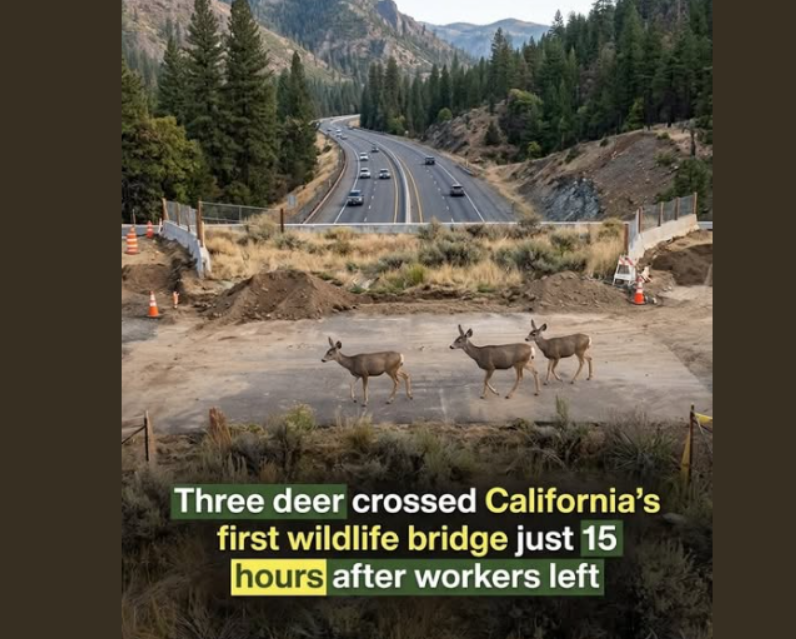
A Wildlife Overpass for the Ages

A Mile‑High Solution to a Down‑to‑Earth Problem

Yo, wildlife lovers—gather ‘round. Did you know that Colorado, the state where the air is thin, the mountains are tall, and the recreational marijuana is… well, very recreational, is building one of the world’s largest wildlife overpasses? Yes indeed. Leave it to Colorado to say, “Hey, what if we just let the elk do their thing—safely—and vibe their way across the interstate?”

Mama and Cubs

Grizzly 399 and cubs -Wyoming Photo Credit Deb Neumann

I first heard about wildlife crossings in Canada, where they’ve been quietly helping critters avoid becoming roadkill for years. Sometimes it’s a tunnel under a highway; sometimes it’s a lush, green overpass that looks like a national park decided to take a nap on top of a bridge. Either way, the goal is simple: stop the heartbreaking (and frankly messy) carnage we see on roads every year. From squashed squirrels to majestic elk and even bears—vehicle collisions take a toll. Grizzly 399 in Wyoming, a beloved icon, was tragically killed by a vehicle accident. These crossings matter.

The Biggest, Boldest Overpass Yet

Colorado’s new wildlife overpass is being built across I‑25 near the Greenland interchange between Larkspur and Monument. And this isn’t just any overpass—this will be the world’s largest wildlife structure over a major roadway. Leave it to Colorado to go big or go home. Maybe it’s the altitude. Maybe it’s the edibles. Who’s to say.

This massive structure will span six full lanes of interstate traffic. Imagine elk strolling over rush hour like they’re on a scenic hiking trail while commuters below sip coffee and wonder why they didn’t choose a simpler life in the woods.

Why Overpasses Work (Especially for the Big Guys)

Before this system began construction, this stretch of I‑25 saw an average of one wildlife‑vehicle crash per day. One. Every. Day. The new crossing system—overpass plus underpasses—is expected to reduce those crashes by up to 90%.

Smaller animals tend to use the tunnels, but elk and other large game? They’re not fans of enclosed spaces. Tunnels don’t accommodate their antlers, their line of sight, or their general “I need room to strut” energy. Overpasses, with open views and natural vegetation, are their preferred runway.

A Win for Wildlife and Drivers Alike

This project is a reminder that conservation doesn’t always require grand speeches or sweeping legislation. Sometimes it’s as simple—and brilliant—as giving animals a safe path home. Colorado’s leading the way, and honestly, I hope more states follow suit.

After all, if we can build bridges for people, why not build them for the creatures who were here long before the interstates arrived?