🌴 What Not to Do in Key West
A Dustyroads Survival Guide for America’s Favorite Tropical Fever Dream
🌞 Key West: Where Logic Takes a Vacation and Never Comes Back
 You’ve made it to the Keys, bless your brave little soul. You survived the iguana speed bumps of Islamorada, the deer gangs of Big Pine Key, and the “is this road drunk or am I?” experience of US‑1. At one point I even saw a helicopter hovering over the highway like it was checking on the mental stability of everyone making that drive — and honestly, fair And now, as your reward, you get to watch a sunburned housecat with emotional baggage square up against an iguana on Duval Street like it’s pay‑per‑view.
A few steps later, there’s a man painted head‑to‑toe in metallic gold, perched on a milk crate, silently judging everyone who doesn’t understand why this week’s unofficial island theme is “neon pineapple serenity.”
Key West is America’s last surreal fever dream — a tropical snow globe someone shook too hard and then decided to live inside. It clings to the bottom of Florida like a barnacle with seniority and a strong union.
Reality shows up, gets carded, and is politely escorted out by a man in unicorn pajamas who also owns three hotels and a scooter rental business.
Keep your shoes on. Something in the sand probably bites. So before you wander too far into the Conch Republic, here are a few things to keep in mind — little survival tips to help you enjoy the island without becoming part of its folklore.
🐔 1. Don’t Start Anything with the Chickens
 Key West chickens are not pets. They are tiny feathered authority figures with generational confidence and zero fear of humans. Their ancestors arrived decades ago, decided the island was theirs, and never once paid rent.
The roosters strut like elected officials. The hens? The hens are the real muscle. I met a couple built like linebackers — broad‑shouldered ladies who looked ready to write me a citation.
Try to shoo one and you’ll get a stare so intense it’ll make you rethink every decision you’ve made since 1998.
Get too close to their chicks and you’ll find yourself sprinting toward a hotel lobby like you’re being chased by a very small, very angry HOA board.
Respect the chickens. They run the island. You’re just visiting.
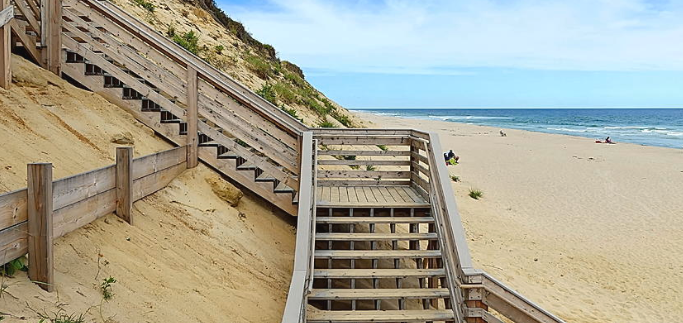
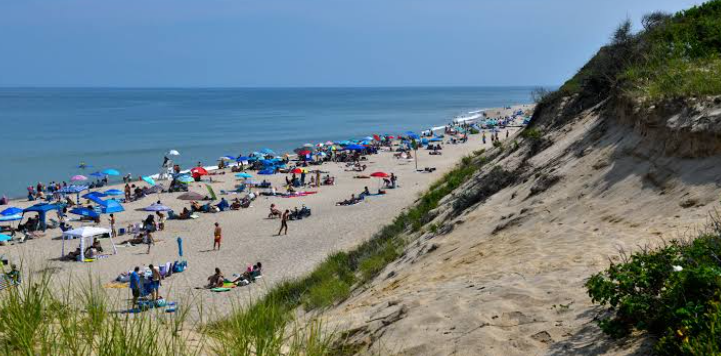
🦎 2. Don’t Expect a Real Beach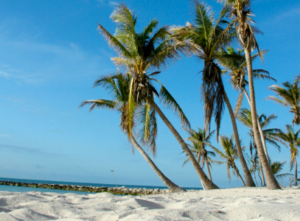
You might arrive thinking, “Island, ocean, sunshine — perfect beach day,” and you may even bring an inflatable flamingo with the kind of optimism usually reserved for lottery winners. But Key West doesn’t care. None of that matters.
Key West is coral, seaweed, and sharp prehistoric things that do not care about your vacation fantasies.
If you want soft, powdery sand, grab the next boat to the Bahamas. If you want coral shards that slice through flip‑flops like warm butter, try Key Largo. I did. Once. I still have emotional scars.
Smathers? Man‑made. Higgs? Acceptable if you enjoy sea lettuce and the faint aroma of sunscreen mixed with toddler rebellion.
Key West isn’t a beach destination. It’s a vibe — and the vibe is “We tried. Sort of.”
🍹 3. Don’t Go Looking for Jimmy Buffett’s House
 People come to Key West convinced Jimmy Buffett is still tucked away somewhere, strumming a guitar and handing out margaritas like party favors.
But Jimmy Buffett doesn’t live at an address. He lives in a mood.
If you really want to find him, you don’t need a map — you need a blender, a porch chair, and absolutely no guilt about doing nothing for the rest of the afternoon.
Where does he live?
Margaritaville. Population: anyone who’s decided they’re done with stress for the day.
Directions?
First star to the right and straight on ’til morning. Bring sunscreen. And a salt shaker — you never know when you’ll lose it.
So pour your margarita, take a breath, and remember: It’s 5 o’clock somewhere.
🚫🚗 4. Don’t Try to Drive on Duval
Sweet heavenly biscuits, do not attempt to drive on Duval Street. It’s not a street — it’s a living organism made of tourists, glitter, questionable decisions, and humidity.
You will encounter:
- People who forgot how sidewalks work
- People who think Key Lime Pie grants temporary immortality
- People spiritually, chemically, or Key‑West‑enhanced
- Outfits that should come with warning labels
And then the performers:
- Pirates
- Mimes
- Pirate‑mimes
- Fire jugglers
- Six chihuahuas dressed as mermaids
- A unicyclist going the wrong way while singing ABBA
 My best memory? New Year’s Eve on the gay end of Duval — wall‑to‑wall people, electric energy, and the famous drag queen shoe drop. I had a front‑row seat at a show and got dragged onstage to dance with the star. The crowd roared. The island vibrated. It was magic.
Duval is unforgettable. But it is absolutely no place for a car.
Park somewhere sane. Walk like the rest of the dehydrated pilgrims.
🐾 5. Don’t Skip Hemingway’s House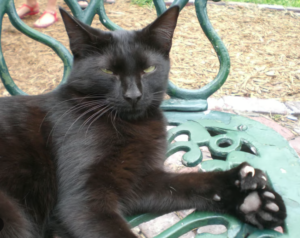
If you go to Key West and don’t visit Hemingway’s house, the cats will know. They’re polydactyl — extra toes, extra judgment.
These cats are island nobility. They roam the property like tiny monarchs, lounging on furniture and accepting admiration with royal indifference. I have no idea how many there are — just a lot. Enough to suspect they’re running the estate.
The house itself is a sunlit time capsule of Hemingway’s life. You can practically feel unfinished manuscripts drifting around.
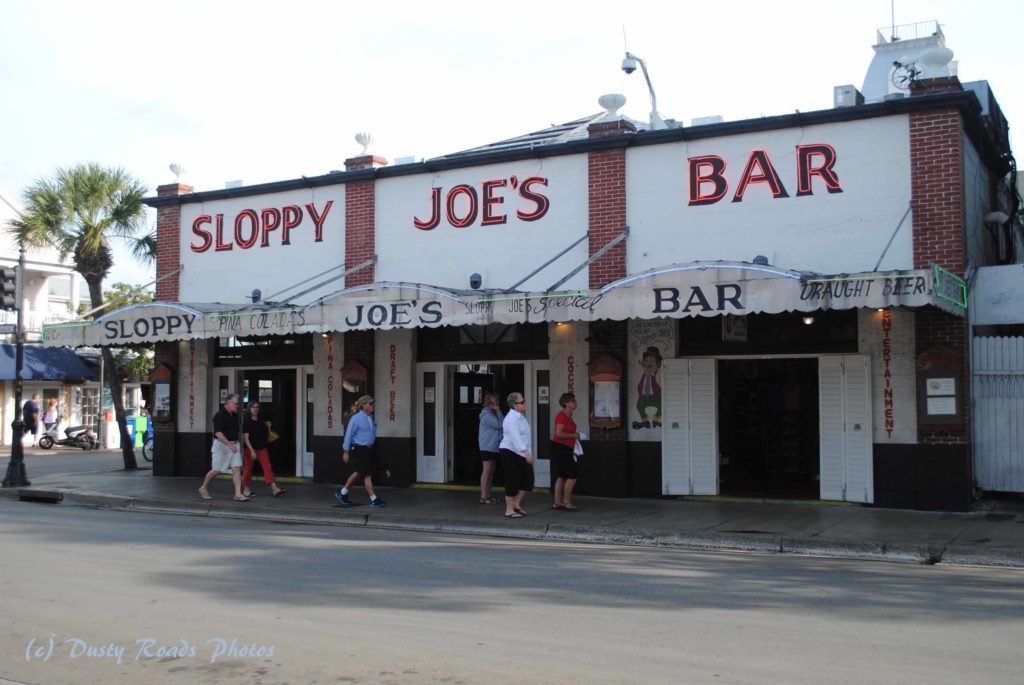
And of course, Hemingway made Sloppy Joe’s legendary — looping us right back to Duval Street.
Visit the cats. Pay your respects. They were here long before you.
📍 6. Don’t Expect the Southernmost Point to Be Empty
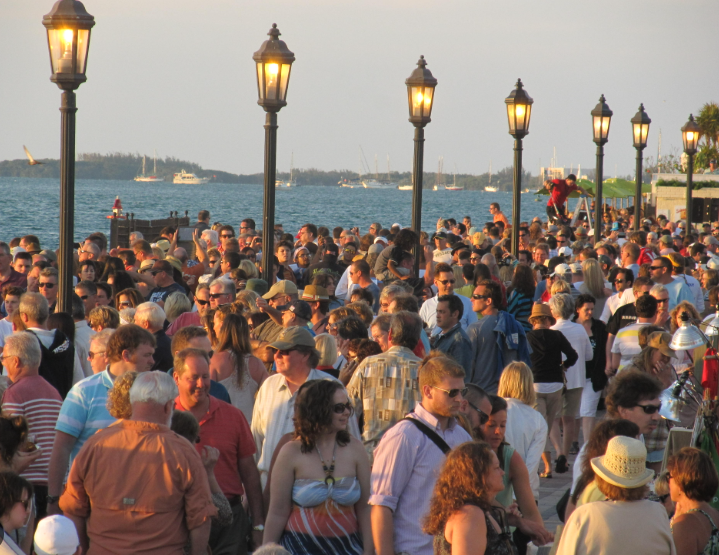
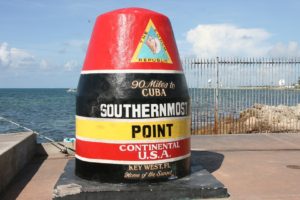 The Southernmost Point buoy is a celebrity. The line wraps around the block like it’s handing out concert tickets.
You’ll see:
- Families in matching shirts
- Couples trying to look romantic while sweating
- People arguing about whether Cuba is visible (it’s not)
Take your photo. Smile. Pretend you’re not melting.
Pro tip: Take your picture from the side. No one will know. No one will care.
Go once. Move on. The buoy isn’t going anywhere.
🌅 7. Don’t Miss Mallory Square at Sunset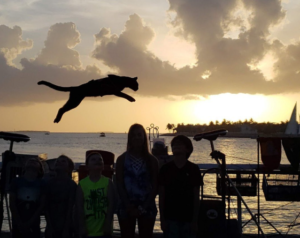
Mallory Square at sunset is Key West’s heartbeat — a nightly circus of jugglers, acrobats, musicians, fire performers, and a cat who jumps through hoops like it’s auditioning for Broadway.
Locals, tourists, dreamers, wanderers — everyone stops, faces the water, and watches the sun drop into the ocean like it’s the final scene of a movie.
When it touches the horizon? The whole square cheers. Every single night.
Grab a drink. Find a railing. Let the sunset remind you why people come here and never want to leave.
🌴 And That’s Key West
Key West is a tangle of contradictions: chickens with seniority, beaches that lie about being beaches, sunsets that put on a full performance, and an island reality that wanders off whenever it feels like it. It’s the place where you danced with a drag queen, dodged coral shards, admired royal cats, and discovered that sometimes the best directions really are “first star to the right.” It lingers long after you leave — loud, strange, unforgettable.
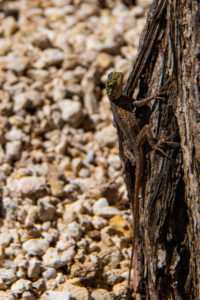 🦎 Anoles: Tiny Speed Demons
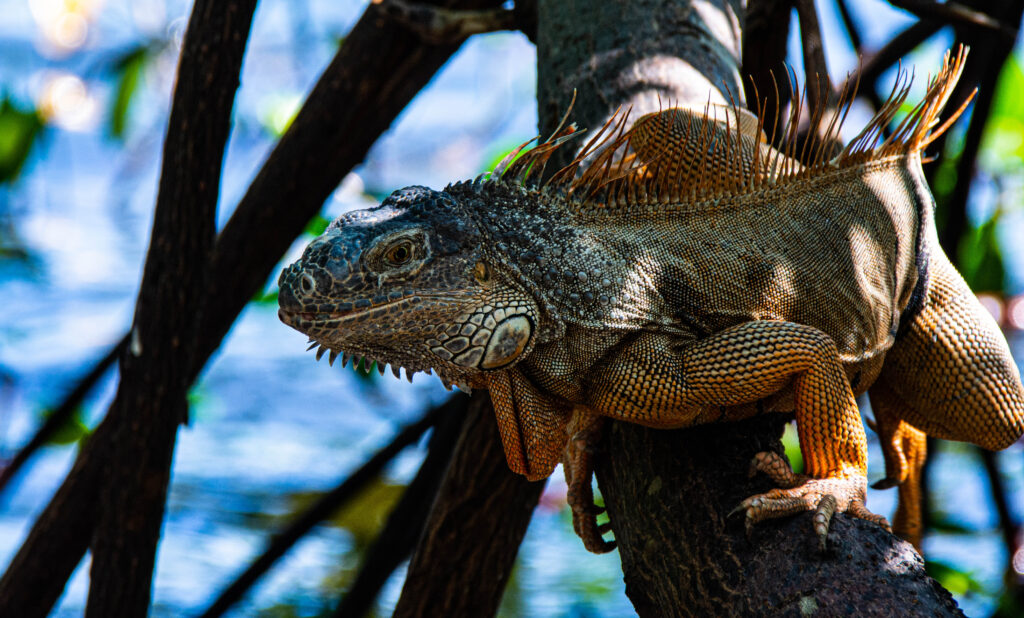
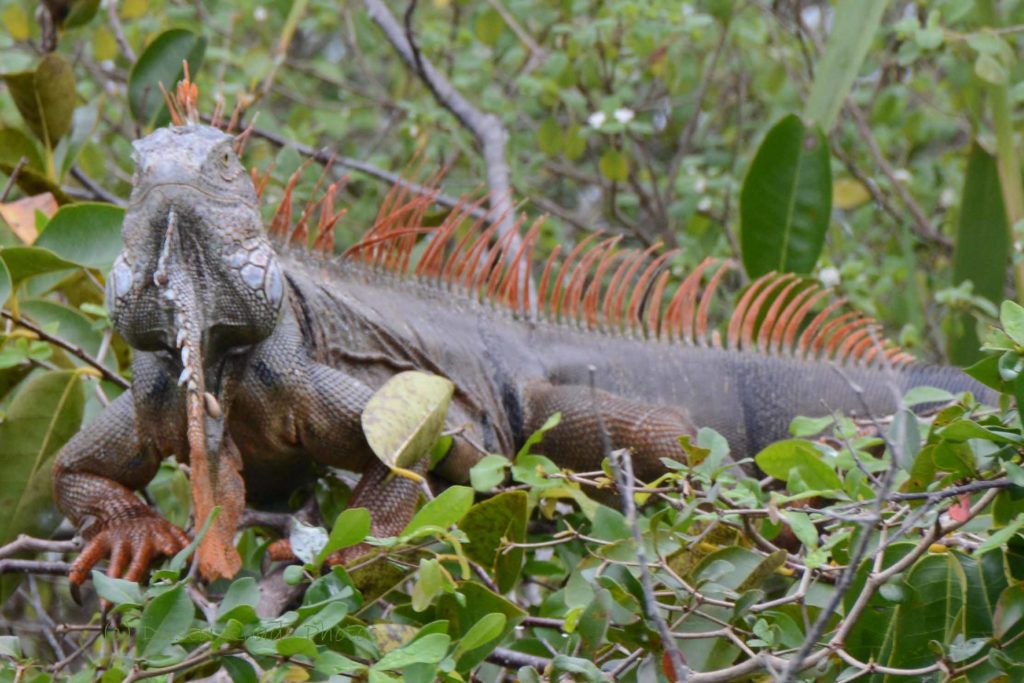
 the iguana population — and wow, did they make an impression.
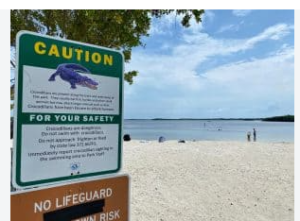 Of course, the biggest lizards in the area weren’t iguanas at all — they were alligators. Signs everywhere warned visitors not to swim with them, but the park still had a roped‑off swimming area, and plenty of people went in and out of the water like it was no big deal.

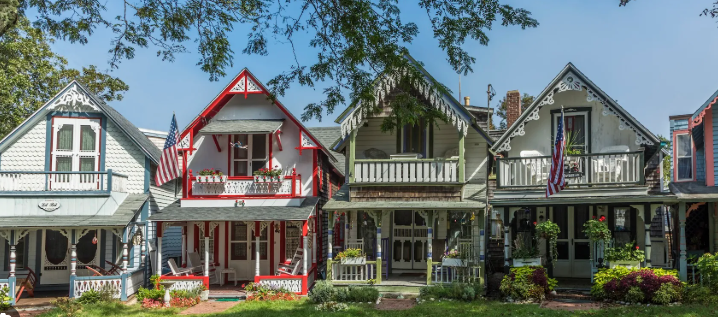
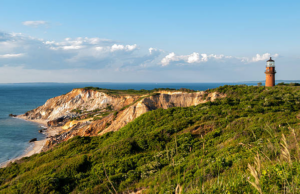 A Little Spin Around Martha’s Vineyard
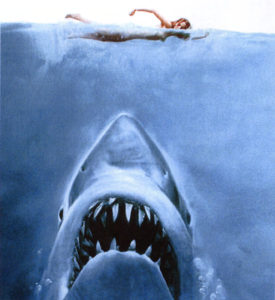 Jaws Put the Island on the Big Screen
 A Personal Note: The Cape’s Own Shark Celebrity
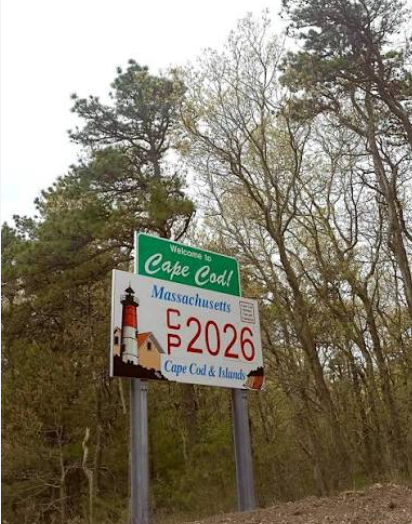
 Crossing the Bridge Into Cape Time