Razorbills of Bolungarvík, Iceland


A Morning Surprise: The Razorbill Pair
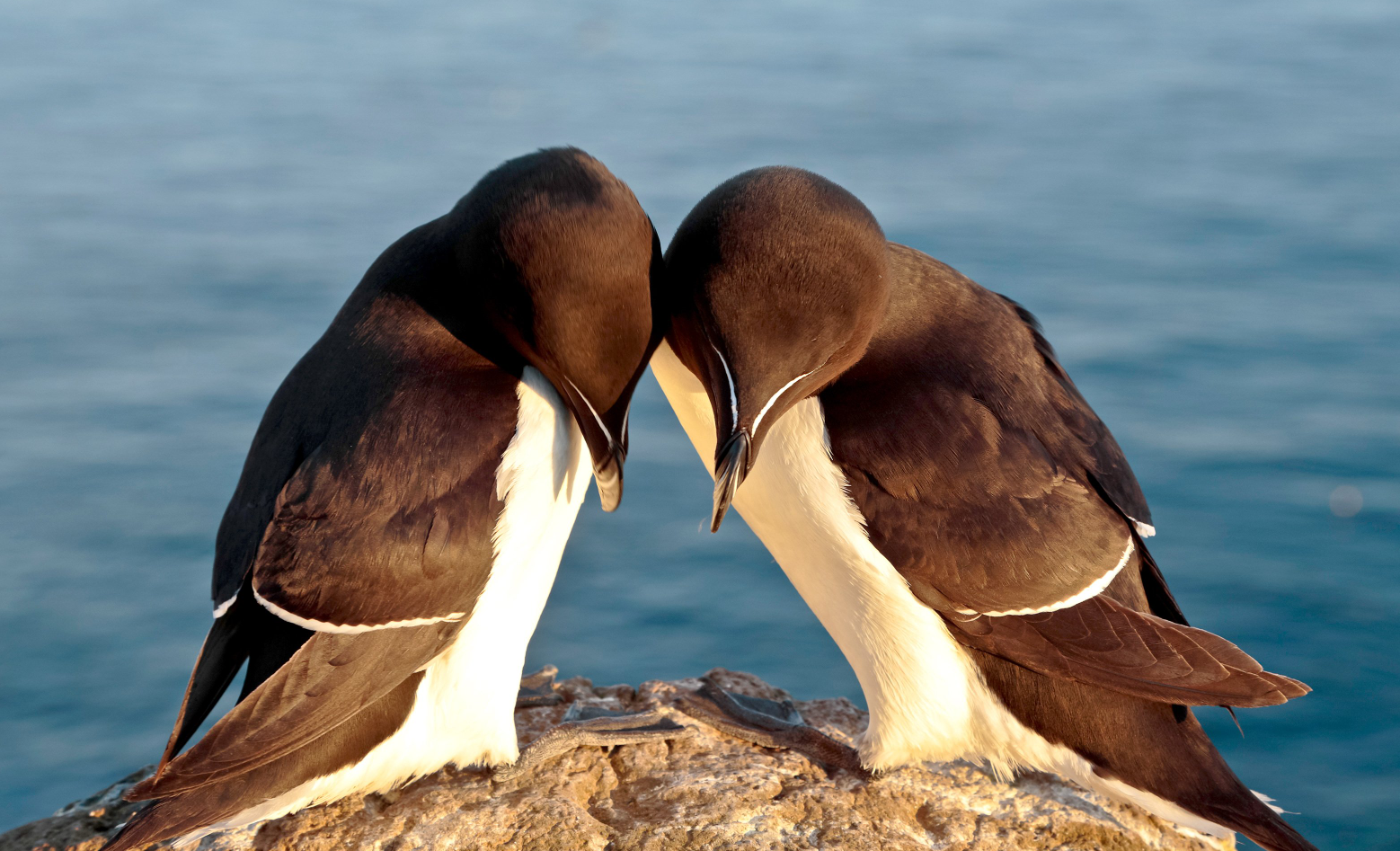
I absolutely love this picture. Yesterday I mentioned how I’ve been very visual lately, and here’s another example of what I mean. Each morning when I log onto my computer, I never know what visual treat might be waiting for me. My wallpaper rotates every couple of days—sometimes it’s a misty bridge, other times a fierce tiger mid-prowl. The photography is always stunning. I envy the talent behind these shots. It’s the kind of artistry I once dreamed of mastering.

But today, I want to spotlight one image in particular: a pair of razorbills standing close together on a rocky ledge by the sea.

Texture, Contrast, and Connection

It’s not that razorbills are the most elegant birds. Their plumage is simple—dark brown above, white below—but this photo captures something extraordinary. The contrast is brilliant. The clarity is so sharp I can almost feel the downy softness of their feathers and trace the texture of their chocolate-brown heads. The white bellies pop against the deep blue of the ocean, and the whole composition feels like a masterclass in natural lighting and framing.

A Quiet Moment of Devotion

What really gets me, though, is the sentiment. These birds aren’t just standing side by side—they’re touching heads, mirroring each other in a way that feels tender and intentional. There’s a quiet devotion in their posture, a kind of avian intimacy that’s rare to catch on camera. It’s a reminder that beauty isn’t always loud or flashy. Sometimes it’s found in the stillness, in the connection, in the way two creatures simply exist together.

This picture has it all—texture, color, emotion. And I’m so glad it found its way to my screen.
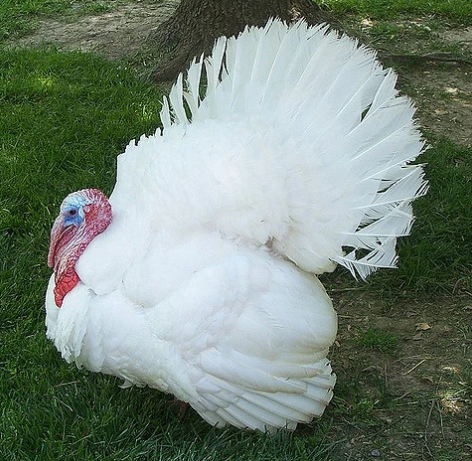
 

Turkey Talk

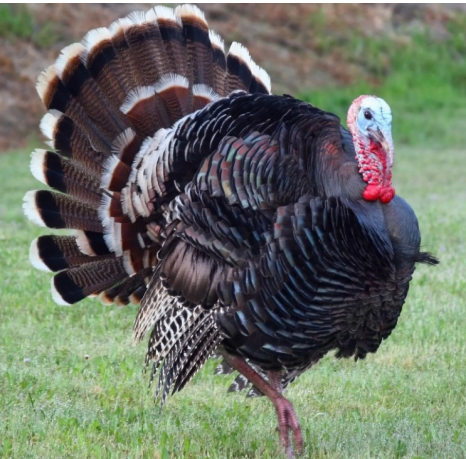
🦃 Why Are Domestic Turkeys White?

A Totally Serious Interview with Two Turkeys

Reporter: Welcome to Turkey Talk Live! Today we’re asking the burning question: why are domestic turkeys white while wild turkeys strut around in earthy browns and blacks? Let’s hear it straight from the birds themselves.


Domestic Turkey (fluffing feathers):

“Listen, I didn’t choose this look. Humans bred me this way. Apparently, white feathers make me look ‘cleaner’ once I’m… you know… processed. Dark pinfeathers are like having spinach stuck in your teeth—nobody wants to see that on the holiday table. So voilà, I’m the snow‑white centerpiece. Fashion? Nah. It’s all about marketing.”


Wild Turkey (adjusting camo plumage):

“Meanwhile, I’m rocking these rich browns and blacks because I actually need to survive. Ever tried hiding from coyotes in a white feather coat? Forget it. My colors help me blend into the forest floor. I’m basically the ninja of the turkey world. Domestic cousin here couldn’t camouflage in a mud puddle if it tried.”


Domestic Turkey (sighing):

“True. I can’t fly well, I’ve lost most of my wild instincts, and honestly, if you dropped me in the woods, I’d probably ask for Wi‑Fi. But hey, I’m great at sitting still and looking plump, basically the couch potato of the poultry world. Humans love that.”


Wild Turkey (smirking):

“And I love not being dinner. So while you’re busy auditioning for the Thanksgiving table, I’ll be over here blending in with the leaves.”


Reporter’s Wrap‑Up

Domestic turkeys are white because humans bred them for a cleaner, more marketable look. Wild turkeys are dark because nature bred them for survival. One is hiding from predators, the other is hiding from gravy. It’s just the result of centuries of humans saying, “Hmm, this bird would look better if it matched the tablecloth.”

Echoes Over Water: The Enchanting World of the Common Loon

A Song That Haunts the Lakes

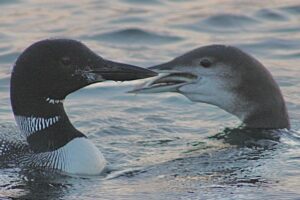
If you’ve ever spent a quiet evening near a northern lake, chances are you’ve heard it—that eerie, tremolo call drifting across the water like a ghost of the wilderness. The common loon (Gavia immer) is more than just a bird; it’s a symbol of solitude, wildness, and the deep stillness of nature. Their calls range from mournful wails to yodels that echo across the surface, each one a language of territory, courtship, and connection.

They Wear Drama Like a Cloak

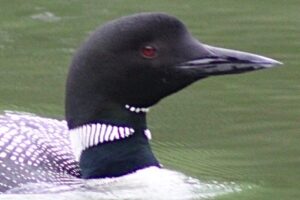
In summer, loons dazzle with black heads, dagger-like bills, and checkerboard backs that shimmer under sunlight. Their red eyes pierce the water as they dive for fish. Built for swimming, loons push through lakes with powerful strokes, thanks to legs set far back on their bodies. On land, they waddle awkwardly—but in water, they reign. You’ll rarely see a loon on land unless it’s nesting.

Photo Credit Jim Neumann

Parenting on the Water

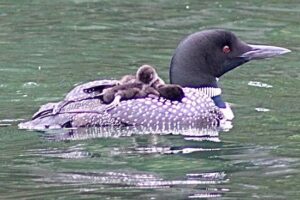
Loons nest close to shore, often on small islands or floating vegetation. Both parents share the duties, and once the chicks hatch, they ride on their parents’ backs to stay warm and safe. It’s one of nature’s most endearing sights—tiny fluffballs hitching a ride across the lake.

Photo credit Jim Neumann

A Shout-Out to My Brother

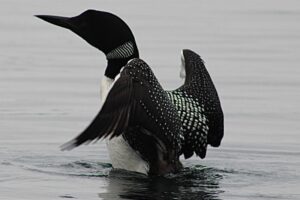
This post wouldn’t be complete without a huge shout-out to my brother, Jim, whose loon photography captures their mystique with breathtaking clarity. His lens finds the soul of these birds—the shimmer of water, the intensity of their gaze, the quiet power of their presence. His photos remind us that loons aren’t just birds; they’re storytellers of the wild.

Photo Credit Jim Neumann

Where to Spot Them

In Massachusetts, loons are more common in the Berkshires and northern lakes. They have been spotted in places like Quabbin Reservoir.  During migration you might even find them near coastal waters. Keep your ears open and your binoculars ready—these birds are worth the wait.

Photo credit Jim Neumann

My brother’s Photos were taken on Lake George, NY


Tiny Birds, Long Flight


🐦 Tiny Birds, Long Flight: The Epic Journey of Ruby-Throated Hummingbirds

Each September, as the goldenrod blooms and the air turns crisp in Massachusetts, a remarkable migration begins. Tiny travelers—ruby-throated hummingbirds—embark on a journey that defies their delicate size. These winged wonders give new meaning to the term “snow birds,” trading New England’s cooling skies for the tropical warmth of Central America. Some will winter as far south as Costa Rica, a feat that’s nothing short of astonishing.

4,900+ Ruby Throated Hummingbird Stock Photos, Pictures ...

Stock photo

How Tiny are they?

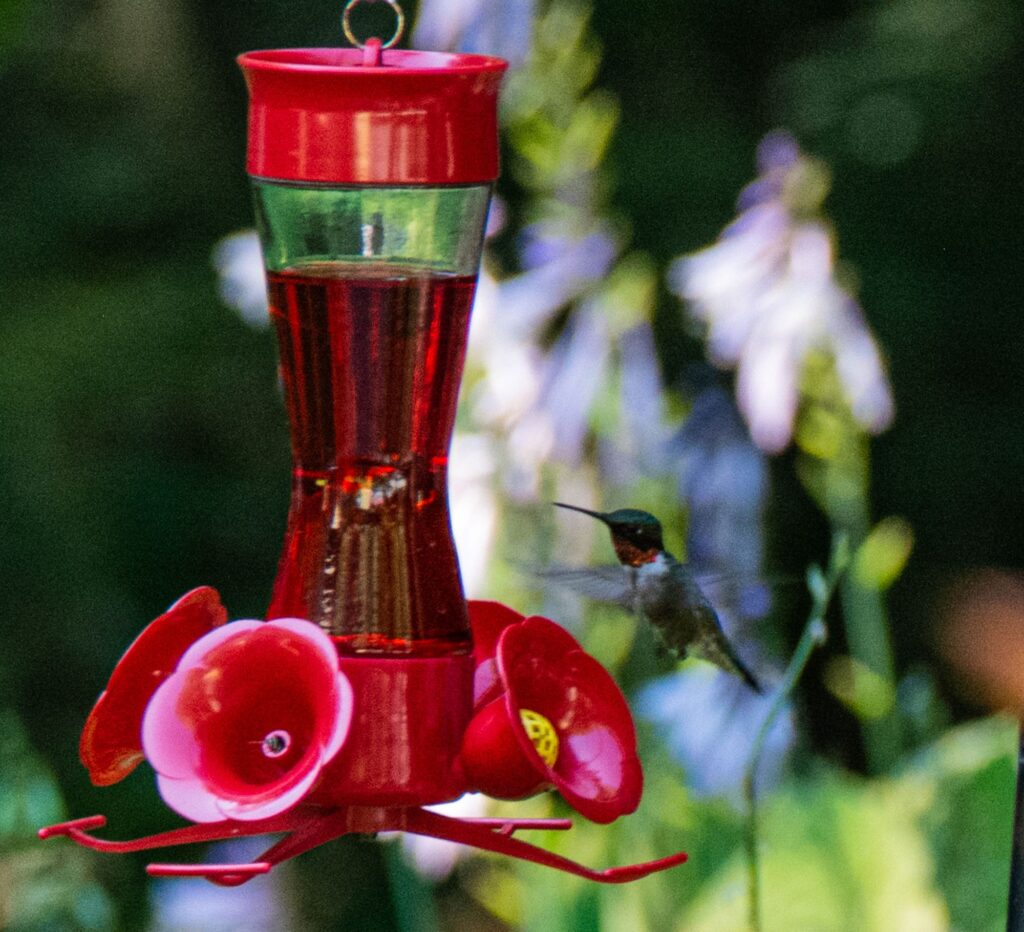
How tiny are they? Picture a penny. Now imagine that coin sprouting iridescent feathers and a heart that beats over 1,200 times per minute. Ruby-throated hummingbirds weigh about the same—just 2.5 to 3 grams. Yet these miniature marvels fly nonstop across the Gulf of Mexico, a 500-mile stretch of open water, fueled by nectar, grit, and instinct.

photo credit Deb Neumann

At Home in Massachusetts

Massachusetts sees only one species of hummingbird regularly: the ruby-throated hummingbird. Males flash their namesake throat patch like a gemstone in flight, while females sport subtler hues. They arrive in spring, zipping through gardens and feeders, hovering like tiny helicopters. By mid-September, they vanish almost as suddenly as they appeared, riding tailwinds southward in a solo migration that spans thousands of miles.


Wave Bye  Bye

Their departure is bittersweet. We miss their aerial acrobatics and the whir of wings that sound like summer itself. But their journey reminds us that even the smallest creatures carry immense strength—and that nature’s rhythms are worth pausing for.

4,900+ Ruby Throated Hummingbird Stock Photos, Pictures ...

Stock Photo

So if you spot a hummingbird this fall, take a moment. Wish it well on its long flight. And maybe, just maybe, it’ll return next spring to hover once more outside your window, a flash of color and courage in miniature form.


Clowns of the Sea

Puffins, Clowns of the Sea

I love Puffins. Often called Clowns of the Sea, these charming seabirds earn their nickname thanks to their bright, multi-colored beaks, expressive facial markings, and pudgy little bodies. Add in their frantic wing-flapping and you’ve got a heartwarming, almost comical image that’s impossible not to adore. I love them so much that I embarked on a quest to see them live and in person—a surprisingly tricky endeavor on the East Coast of the USA.

Eastern Egg Rock, Maine – 2012

My first attempt was in 2012, when I joined an excursion to Eastern Egg Rock, a 7-acre island in Muscongus Bay, Maine, located about six miles east of New Harbor. It’s home to the world’s first restored seabird colony, including Atlantic Puffins. And it’s where I spotted my very first Puffin. They’re so little! Seeing one in the wild was a thrill, even if fleeting.

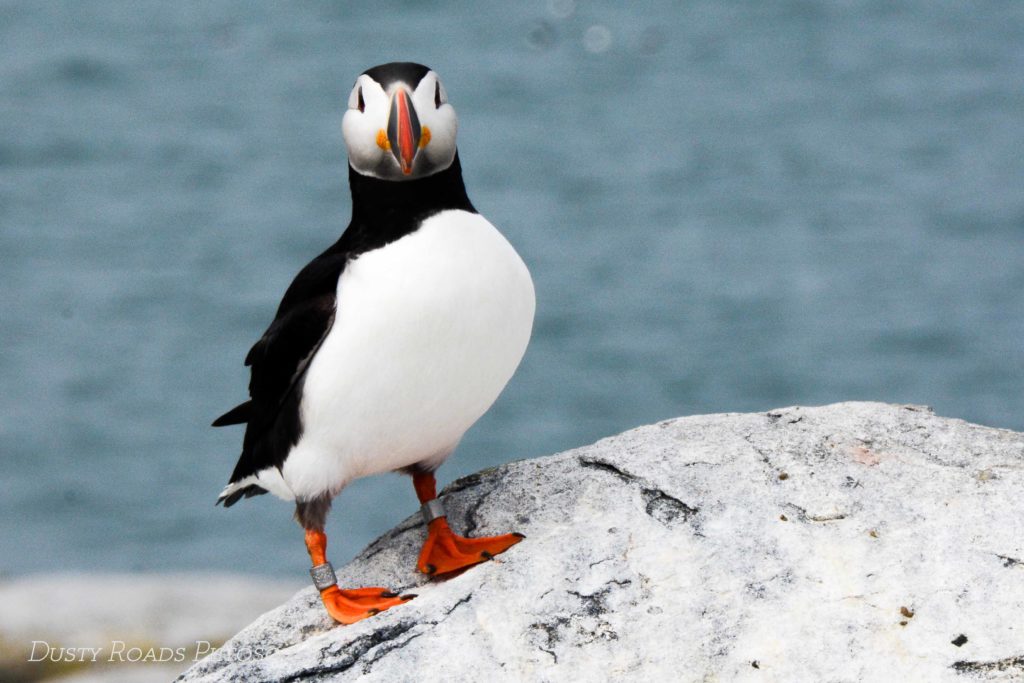
Puffin- Egg Island Maine 2012 photo credit Deb Neumann


Alaska – 2013

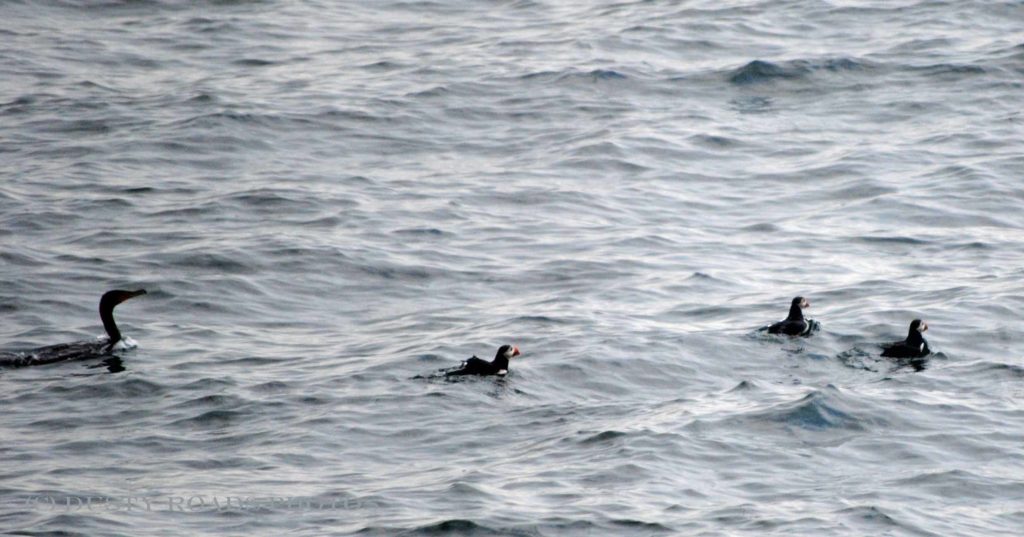
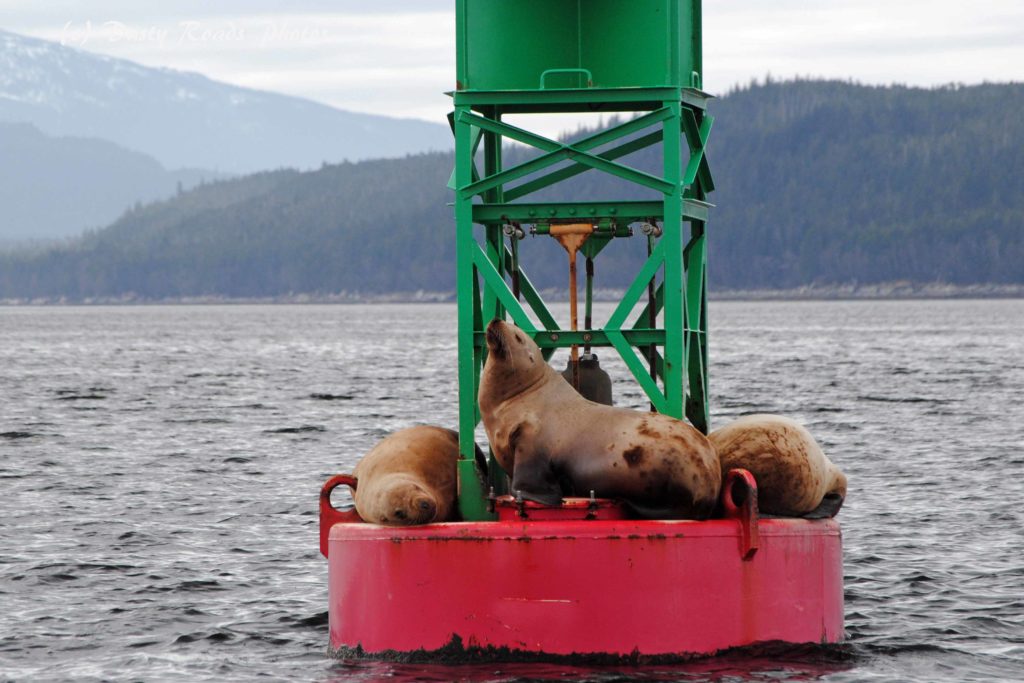
In 2013, I took a cruise to Alaska. I saw whales and sea lions, moose and caribou—even a couple of bears. But when the ship cruised past a raft of Puffins in Prince William Sound, I was curled up in my bunk, battling a bout of seasickness. Strike two on my Puffin quest.

Sea Lions Alaska 2013 Photo credit Deb Neumann

Machias Seal Island, Maine – 2016

Then in 2016, I heard about a National Audubon trip to Machias Seal Island in the Bay of Fundy. Puffins? Yes, please—sign me up! This time, success. The trip was everything I’d hoped for. You can read all about it in my Around Dusty Roads post [linked here].

Machia Seal Island Puffin 2016 photo credit Deb Neumann


Puffling Season

So what got me thinking about Puffins today? I stumbled across a story from Iceland, where residents of a seaside town were reportedly throwing baby Puffins into the sea. The headline was alarming, so of course I had to dig deeper. Turns out, the town’s streetlights confuse fledgling Puffins—called Pufflings—making it difficult for them to find the ocean when they leave the nest. Since Puffins spend the next 3–4 years at sea before returning to land to mate, this disorientation could be disastrous. Thankfully, the townspeople created a Puffling Patrol, gently collecting the confused chicks and helping them reach the water safely. A beautiful example of community compassion and wildlife stewardship.

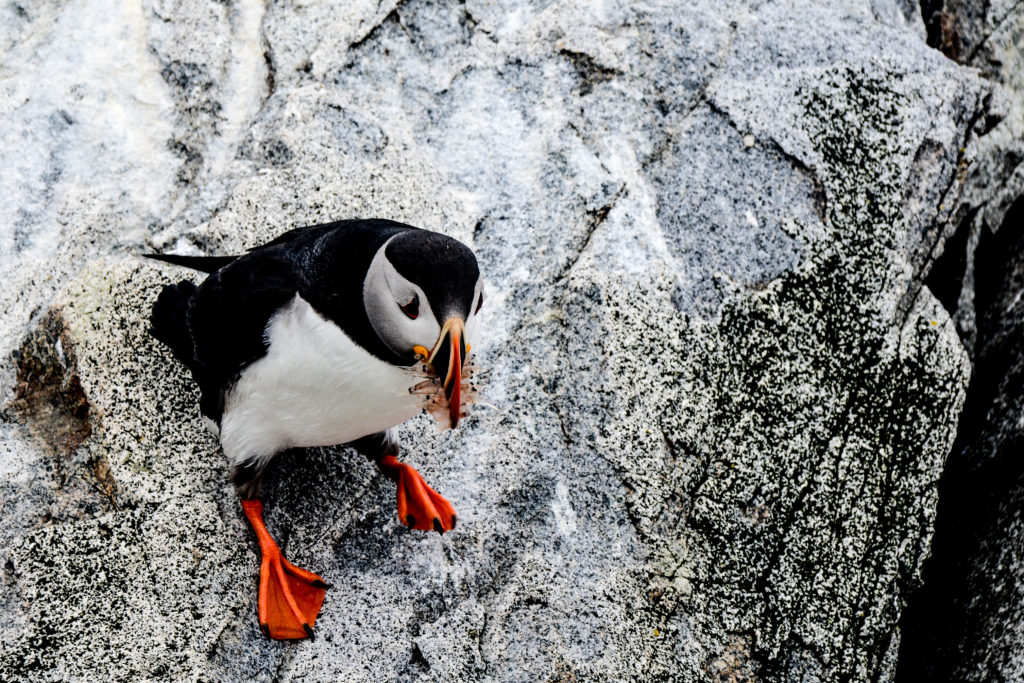
Puffin Photo credit Deb Neumann

Conclusion

From Maine’s rocky islands to Iceland’s glowing coastlines, Puffins have a way of capturing hearts and stirring wonder. My journey to see them has been filled with detours, discoveries, and a deepening appreciation for these quirky little seabirds. Whether flapping frantically through the air or bobbing serenely on the waves, Puffins remind us that joy often comes in small, feathered packages—and that sometimes, the best adventures begin with a little obsession and a lot of heart.


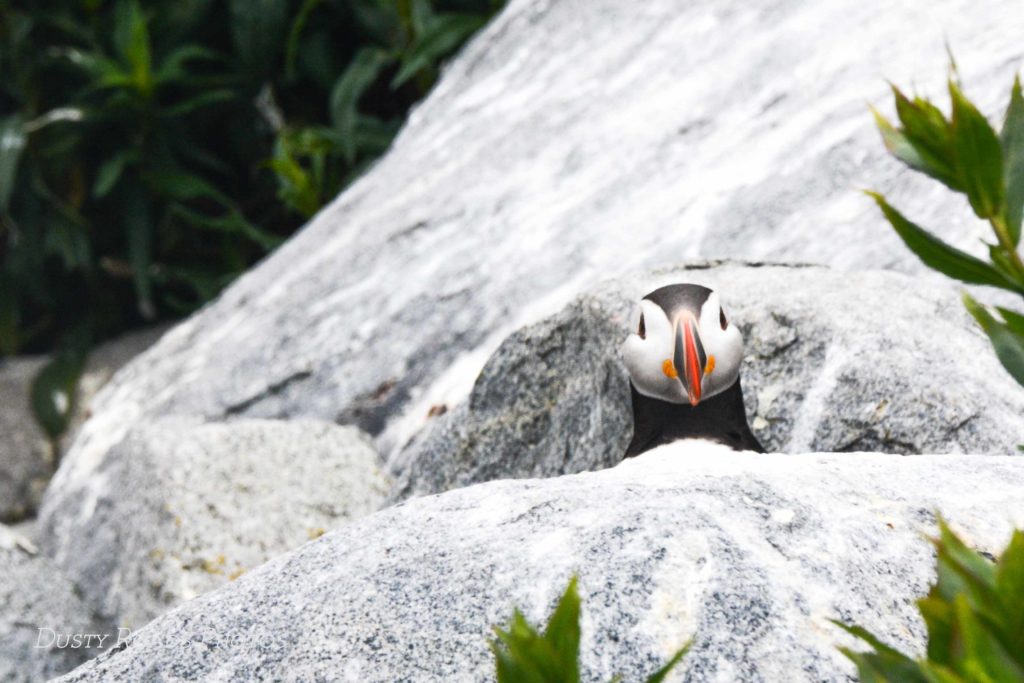
Puffin Hide and Seek- photo credit Deb Neumann