The Birds of My Youth (And the Ones I’ve Met Since)
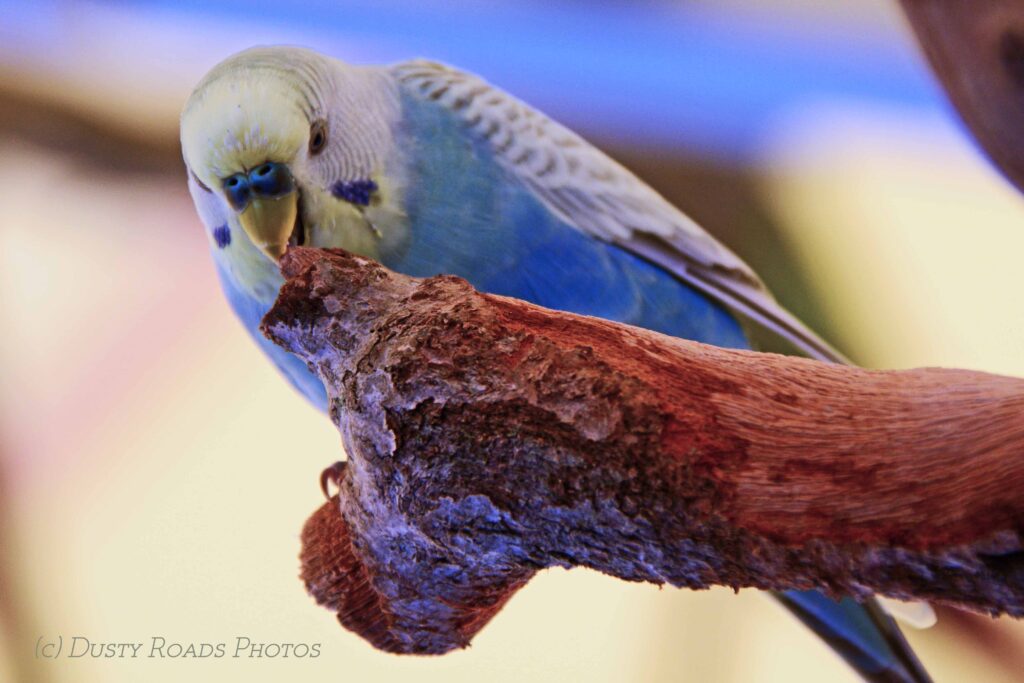
I once had a pet bird named Pitty Pat. Back in the day, we didn’t call them budgies — they were just parakeets. Little blue or green birds that chirped, chattered, and acted like tiny feathered roommates. Pitty Pat was a great companion… right up until the day he decided to escape to the wild open spaces. And that was that.
Anyway, I’ve recently learned that the tiny birds of my youth are now officially known as budgies. That’s the Australian name for parakeet, but it’s also a scientific classification thing. Here’s the fun twist:
All budgies are parakeets… but not all parakeets are budgies.
Confused yet? Don’t worry — I promise it only gets worse.
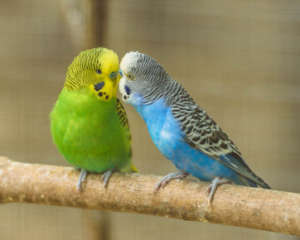 Parakeet vs Budgie (The Simple Version)
Here’s the easy explanation — the one that doesn’t require charts, diagrams, or a degree.
A parakeet is just a type of small, long‑tailed parrot. It’s a whole category.
A budgie (budgerigar) is one specific species inside that category.
Think of it like this:
- Parakeet = umbrella
- Budgie = one little bird standing under the umbrella
So yes — Pitty Pat was a parakeet. And yes — he was also a budgie. But no — not every parakeet is a budgie.
Clear as mud? Good. Let’s make it worse.
Parrots, Lorikeets, and the “Wait, That’s a Bird Too?” Section
Once you leave the parakeet/budgie neighborhood, you wander into the rest of the parrot world — and this is where things get colorful, loud, and occasionally sticky.
Parrots
These are the classic talkers. Big personalities, big beaks, big opinions. They come in all sizes — from tiny pocket parrots to the big “I run this house now” macaws.
Lorikeets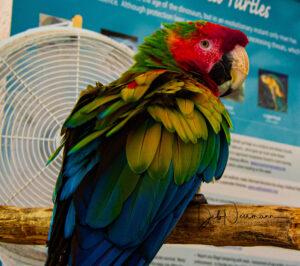
These are the sugar‑high cousins of parrots. They drink nectar, they bounce like toddlers, and they have the energy of a kid who found the Halloween candy early. Beautiful birds, but you need a mop.
Cockatiels vs Cockatoos (The Mix‑Up Everyone Makes)
Now we get to the pair that confuses absolutely everyone — and honestly, I don’t blame them.
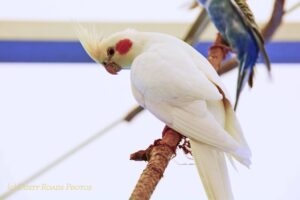 Cockatiels
Small, sweet, expressive, and dramatic. They have the little yellow crest and the orange cheek patches. They whistle, they flirt, they sass, and they act like they’re starring in their own soap opera.
Cockatoos
These are the big ones. The “I will scream at 6 AM because I have feelings” birds. Huge crests, huge personalities, huge volume. Cockatoos don’t just enter a room — they announce themselves.
Cockatiel = sitcom actor
Cockatoo = rock star with a megaphone
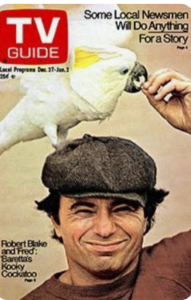 Birds in Pop Culture (And Birds Who Think They’re Actors)
Bird confusion isn’t just for regular people — even TV shows got in on it. Back in the day, one detective show featured a tough guy with a pet cockatoo perched on his shoulder. And for years, people mixed that up with another detective who had a basset hound. Birds, dogs, trench coats — it was all one big 1970s memory soup.
Point is: even Hollywood couldn’t keep their birds straight.
And speaking of birds who steal the spotlight…
Some birds talk. Not just mimic — talk. Cockatiels whistle theme songs, budgies chatter like tiny gossip columnists, and parrots… well, parrots will repeat anything you say, including things you wish they wouldn’t.
But the real geniuses? The ones who could probably pass a standardized test?
African Greys: The Einsteins of the Bird World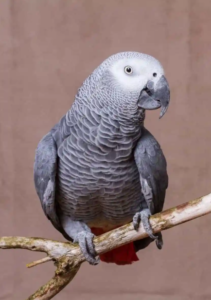
African greys aren’t just smart — they’re scary smart. They understand words, context, tone, and sometimes emotions. They can solve puzzles, identify colors, count, and occasionally outsmart their owners.
If birds had a Mensa chapter, African greys would run it.
Wrapping It Up: Birds Are Tiny, Loud, Dramatic, Wonderful Chaos
So yes — the bird world is confusing. Parakeets, budgies, parrots, lorikeets, cockatiels, cockatoos… it’s a whole feathered family reunion with cousins who don’t look alike and uncles who scream at sunrise.
But here’s the truth:
Whether they talk, whistle, sass, cuddle, or fly off into the wild like Pitty Pat… pet birds are full of personality, charm, and more intelligence than people give them credit for.
They’re tiny companions with big opinions. And once you’ve lived with one, you never forget it.
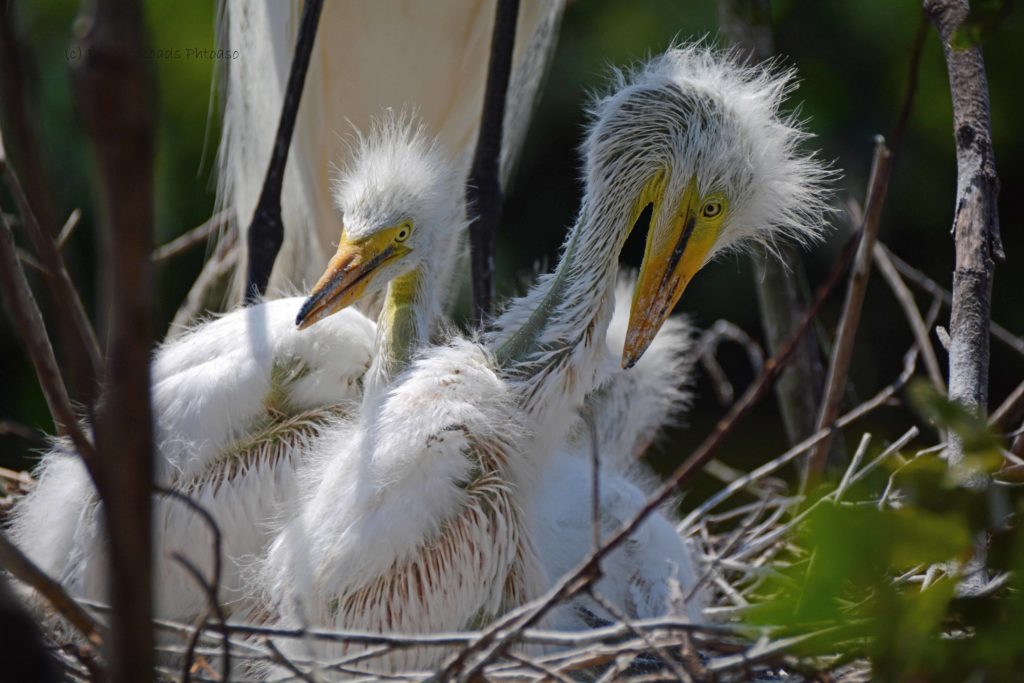
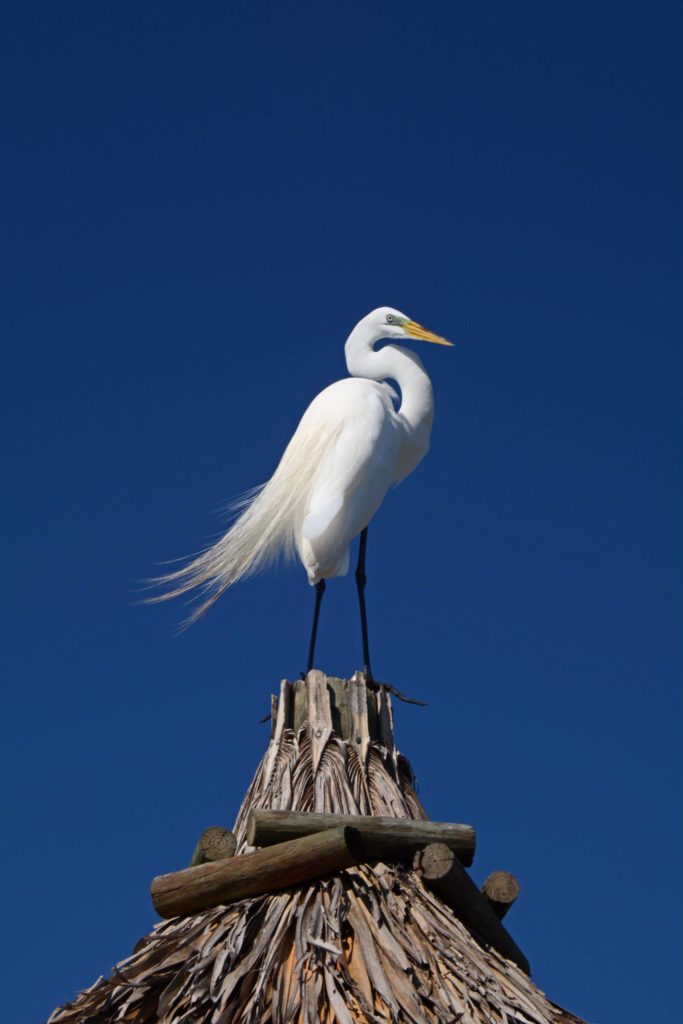
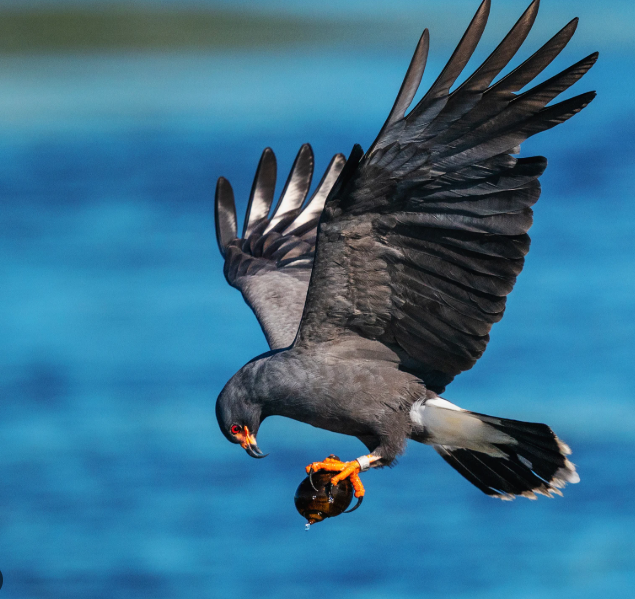
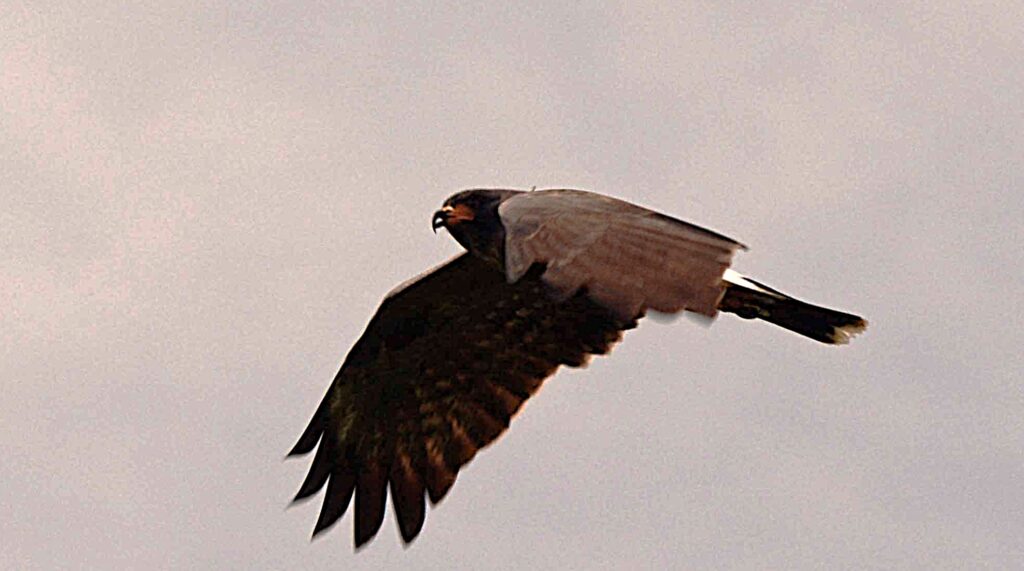
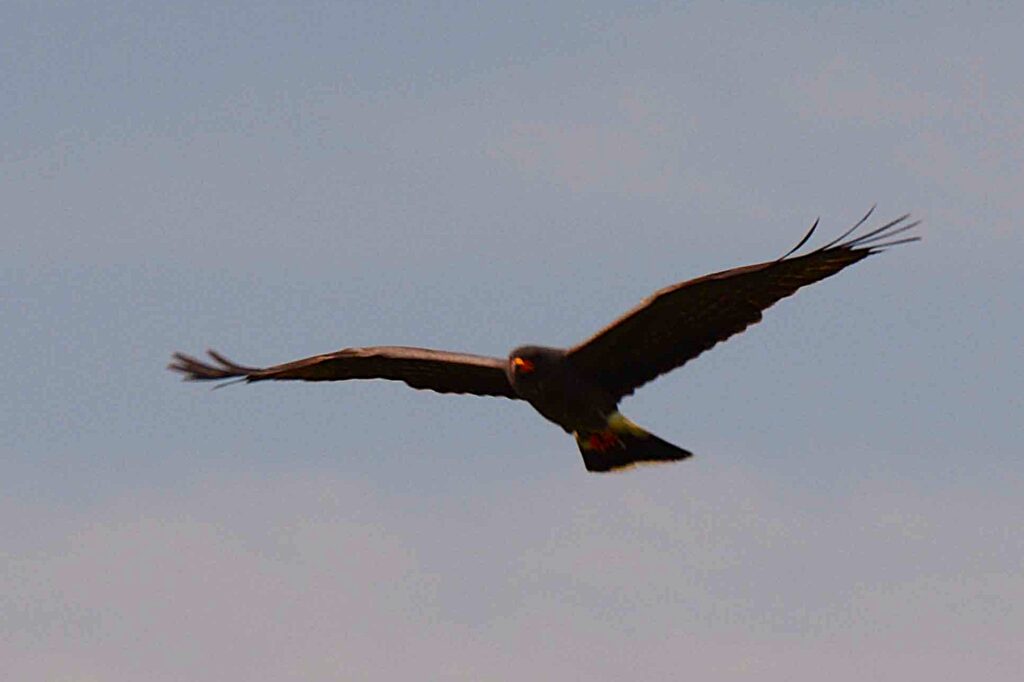
 On one of my many trips to Florida, I was once again poking around the Everglades. I know most people think of it as a swamp, but I love the place. There are creatures there that I would never see anywhere else, and my camera is always busy.
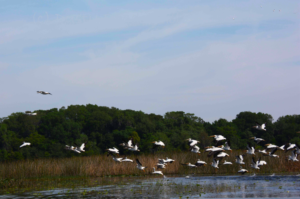 We were crossing a fairly open stretch of water and heading toward some tall reeds where the operator thought we might spot a few “gators.” To pass the time, he was filling us in on bits of Everglades lore.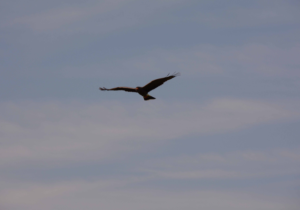
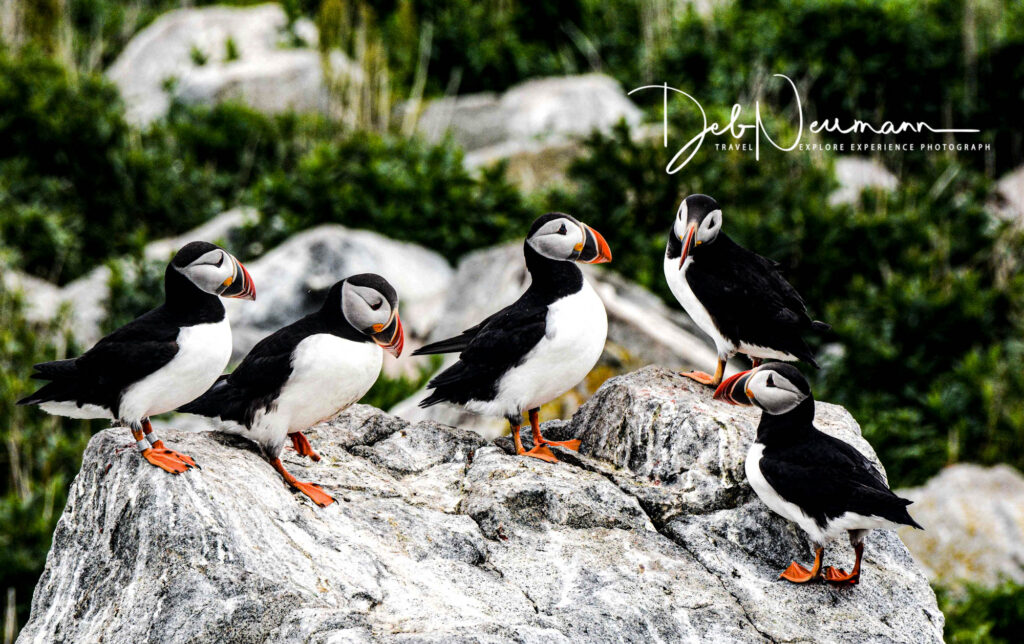
 I’ve shared my own puffin‑chasing adventures in Maine — from the fog‑soaked boat ride to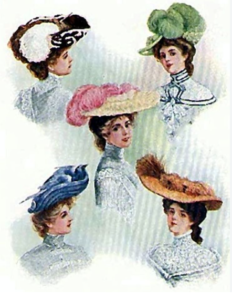
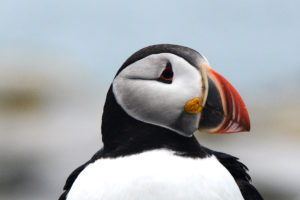
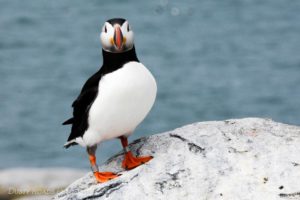 Atlantic puffins once thrived on islands throughout the Gulf of Maine. But the feather trade wasn’t their only threat. Puffins were also hunted for meat and eggs, and their colonies were systematically wiped out.
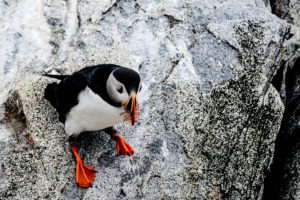 instructor in Maine. He learned that puffins once bred on Eastern Egg Rock, just six miles away — but hadn’t returned in nearly a century.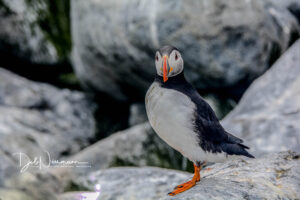
 return created the protective environment puffins needed.
 A Colony Reborn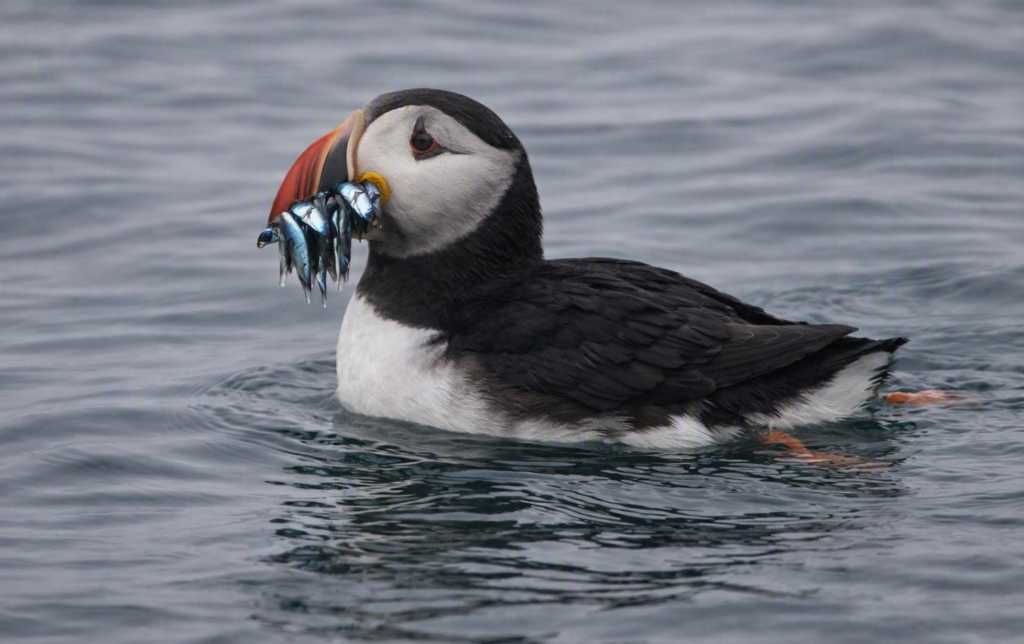


 Compass, more serene than a Golden Pond, and more unexpected than a