Goodbye Columbus, You Were Not the First


🌊 A Viking Footprint in the New World

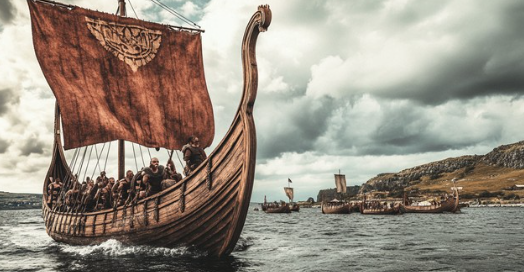
Long before Columbus set sail in 1492, a different kind of explorer had already touched the shores of North America. The year was 1021—nearly five centuries earlier—and the voyagers were Vikings. Not the horn-helmeted caricatures of pop culture, but skilled seafarers who braved the icy Atlantic to reach what is now Newfoundland, Canada.
stock


🛖 The Settlement at L’Anse aux Meadows

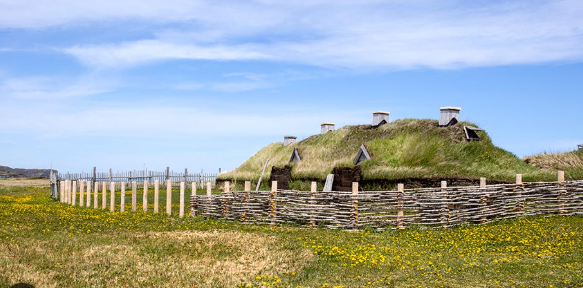
For decades, archaeologists have studied the site of L’Anse aux Meadows, a windswept coastal settlement on Newfoundland’s northern tip. Turf buildings, iron nails, and wooden artifacts shaped by metal tools hinted at Viking presence. But while the site confirmed Norse activity, the exact timing of their arrival remained a mystery.
stock photo

🌞 Tree Rings and a Solar Storm

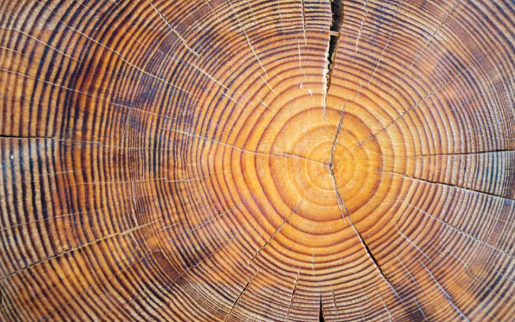
That mystery was cracked open by an extraordinary blend of science and nature. Researchers analyzed wood from the site—specifically, pieces cut with metal blades, a clear sign of Viking craftsmanship. Within the tree rings, they discovered a cosmic clue: a solar storm that occurred in 1021 left a unique radioactive signature, etched into the wood like a celestial timestamp.
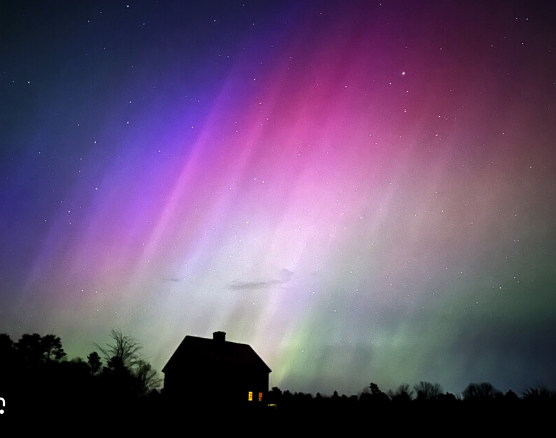
northern lights from a solar storm- stock photo

đź“… Pinpointing the Year: 1021 CE

Thanks to this solar storm’s fingerprint, scientists were able to date the wood with remarkable precision. The result? A confirmed Viking presence in Newfoundland in the year 1021 CE—exactly 471 years before Columbus’s famous voyage. It’s the first time researchers have been able to assign a specific year to European activity in the Americas before Columbus.
stock photo

🌲 History Written in Wood

This discovery doesn’t just rewrite timelines—it invites us to reimagine the texture of history. Picture it: the creak of wooden ships against rocky shores, the scent of salt and pine, the clang of iron tools shaping timber in a land both wild and wondrous. The Vikings weren’t just passing through—they were building, exploring, and leaving behind echoes that would wait a thousand years to be heard.

✨ A New Chapter in the Story of Exploration

So next time you walk through a forest or trace your fingers along the grain of old wood, remember: the past is written in more than books. Sometimes, it’s carved into the very bones of the earth, waiting for the right eyes—and the right questions—to bring it to light.


Across the Canadian Border

The Rugged Canadian Wilderness

Once across the Canadian border we were able to see both the beauty and the wildness of the Canadian Rockies.  And it was cold here too. Lots of snow and ice.

Ice covered lake

At the Summit Rest Area we picked up our passports with our Yukon Stamps, grabbed a quick hot chocolate to ward off the cold then returned to the outside to explore the Yukon Suspension Bridge over the Tutshi River.

Crossing the Suspension Bridge

Yukon Suspension bridge

Tutshi RiverOK I’ll admit I am a bit of an adrenaline junky. More so when I was younger and I trusted my body a bit more but I still like things that make my heart pound a little. Crossing the Yukon Suspension Bridge did that. Stopping in the middle as it swayed and bounced so I could take pictures of the river was even more of a jolt. But it’s worth it. The Tutshi River was a raging maelstrom of white water. Its almost impossible to believe that the gold rush miners tried to raft down this river with their supplies.

Story Boards tell the Tale

Between the rest area and the suspension bridge were a series of story boards. They told  the miners’ tale of their hardships and extreme toil. Each miner was required to bring a year’s supply of food by the Canadian government to prevent starvation. In all, their equipment weighed close to a ton!

fog bound gulchThe Return

We loaded into buses for our return to Skagway. The fog continued to linger as the bus followed the same route as the train had in the morning. We were on our way to wrap up the trip with a “Garden Party” lunch. The lunch was forgettable as I can’t remember much about it now but I do remember the photographs of huge rhubarb leaves. The long hours of sunlight make up for the short growing season.


Garden Party

Back to the Ship

After the lunch it was back to the ship. As I recall we skipped any afternoon excursions to relax on our balcony.

Lighthouses, Eagles and a Seal , Oh My!

As we headed out of the harbor into the Bay of Fundy we passed the first lighthouse.

DSC_2944 copy

The 2nd one would be on Machias Seal Island.  Both Canada and the United States claim sovereignty. The Canadian Coast Guard continues to staff a lighthouse on the island.

Machias Seal Island

The whole Island is considered a bird sanctuary so boardwalks have been constructed for the humans to walk on to avoid stepping on nests or baby birds.

On the way out of the harbor we  spotted a pair of bald eagles.

DSC_2943 copy

It gives me a thrill to see so many of these magnificent birds. It was hard to get a picture  as the Barbara Frost was starting to pitch a bit as she picked up speed.

DSC_2942 copy

We didn’t see any whales.

It was about an hour trip and it felt like it. It was cold even when we huddled near the cabin. Hard to believe that it was 90 + in Boston!

Our first indication that we were nearing the island was a raft of small black and white birds.

A raft of Razorbills

They are called Razorbills and also nest on the island with the Puffins. Right after the razorbills came in sight a puffin flew across our stern. These bird make me think of bumblebees. They have such round little bodies and stubby wings. Its hard to believe they can fly at all!

Bumblebee of the Bird World

Right after that we spotted the lighthouse.

lighthouse copy

We were surprised to see some gannets mixed in with the razorbills on the rocks but the biggest surprise of our approach was the stranded seal!

Gannet & Seal copy

I mentioned the huge tides in a previous post. Well apparently this guy hauled out at high tide and forgot to leave when the tide receded.

Standed

Now we watched in fascination and horror as he slowly (and painfully) worked his way down the rocks. He landed face first more than once. I mean, that’s got to hurt!

Still Going

Determination

Almost there

He was almost to the bottom when we got the go ahead to land from the coast guard and had to miss his big splash. It was time for us to start part 2 of our big Puffin Adventure.


Campobello Island

No matter how picturesque Quoddy Head State Park was we couldn’t linger too long. The afternoon was booked with a trip Campobello Island

We headed back to Lubec where we presented our passports for entry into Canada. We crossed the bridge from Lubec to the Island immediately stopping at the visitor center for maps and information.

Lubec Bridge


Lubec


DSC_2927

The main attraction is Roosevelt Campobello International Park. This was FDR’s childhood summer home. (a 34 room “cottage”) It was where , as adult, he was diagnosed with polio. The island played a huge part in Roosevelt’s life and I would not even have known about this if not for going on this trip.

DSC_2931

The grounds are beautiful, clean and well maintained. There is a video that tells the story of Roosevelt’s life on the island and it’s significance in history.

The park is a joint venture between Canada and the US representing our close ties  and friendship.

Dinner was at Helen’s Restaurant at 6:30 so it was soon time to head back.

Tomorrow is the big day. Tomorrow we look for Puffins!

Gateway to the Klondike

The ship arrived in Skagway in the wee hours of the morning or maybe it was night.

Alaska2013 312 copy

It’s getting harder and harder to tell with the late sunsets and early sunrises the farther north we go.

Alaska2013 305 copy

Skagway is located at the northern tip of Alaska’s Inside Passage.

Alaska2013 307 copy

Alaska2013 306 copy

As we roused ourselves for the day’s adventures we looked out on a busy dock with a rock wall to hold the bank in place.

Alaska2013 313 copy

Above the rock wall on the boulders embedded in mountainside we saw logos and ship’s names painted. The story is that when a crew likes the captain they come ashore and paint the ship’s ID on the rocks, the higher and more dangerous, the more the captain is esteemed.

Alaska2013 310 copy

After breakfast, with the all clear to go ashore, we headed down to find the excursion bus that would take us to the White Pass and Yukon Railroad.

Skagway

We needed our passports because this adventure would take us into the Klondike region of Canada.

Alaska2013 314 - Copy

The train would take us through the White Horse Pass. During the gold rush in 1896 there wasn’t a train. The stampeeders ( prospectors) had to either take the Chilkoot Trail which was shorter but steeper or the White Horse Pass that was longer but summited lower at 2885 ft.  Both ways were challenging and deadly. The Canadian Mounties waited at Lake Bennett to check supplies. Anyone without enough to survive was turned back at the border.

Alaska2013 315 - Copy

Alaska2013 317 - Copy

I can assure you the train was much easier but even today it was easy to see the challenge.  We passed huge gullies and mountainsides as the train wound its way to the summit.

Alaska2013 332 copy

Alaska2013 331 copy

We passed over trestle bridges and passed into and out of fog banks and clouds.

Alaska2013 361 copy

Water poured down the mountainsides  in everything from torrents to trickles as the snow on the peaks began its spring melt.

Alaska2013 336 copy

Pretty soon we had reached the snowline but even though we were traveling through snow the water continued its downward path. At times we were so close to the mountain side that a foolish person could have reached out and touched the rocks as they flew by…and lost a hand or arm had they been so careless.

Alaska2013 351 copy

At times we could see across the “gulch” where another train ahead of us was already traveling upward or maybe returning downward.

Alaska2013 343 copy

We could see where we would soon be. More than any place else that we’d been, this train ride captured the true wildness of the Alaska mountains.

Alaska2013 357 copy

I admit, I stood in the cold outside the car in an attempt to capture some of the fantastic wilderness that surrounded us. My efforts fell far short of what we actually saw. The fog or clouds (depending on who you ask) only added to the drama of the ride.

Alaska2013 338 copy

Once we arrived at Lake Bennett we had to wait for the Canadian Customs Agents. We were told not to speak unless spoken to, to have our passports out and open and to NOT TAKE ANY PICTURES!

Alaska2013 363 copy

2 Agents boarded and made their way down the aisle. They never smiled. They were quite intimidating. The only time they spoke was to ask a foreign visitor for his visa as well as his passport. He had the visas for his whole family so they checked all of them then left the train.

Alaska2013 365 copy

The bus was waiting to take us to the next stop, a suspension bridge. Everyone headed to the lake to take pictures but the bus driver rounded us up with promises that we’d be back and we could take pictures then. He said we had a schedule to keep.