Florida Looked Good… Until the Flying Cockroaches


At my age, if I wake up and nothing hurts, I assume I’m dead. My knees are getting to the point where they ache even when I’m lying in bed at night. That walker in the corner from my hip replacement is starting to look pretty good these days. And now my shoulders have joined the chorus.

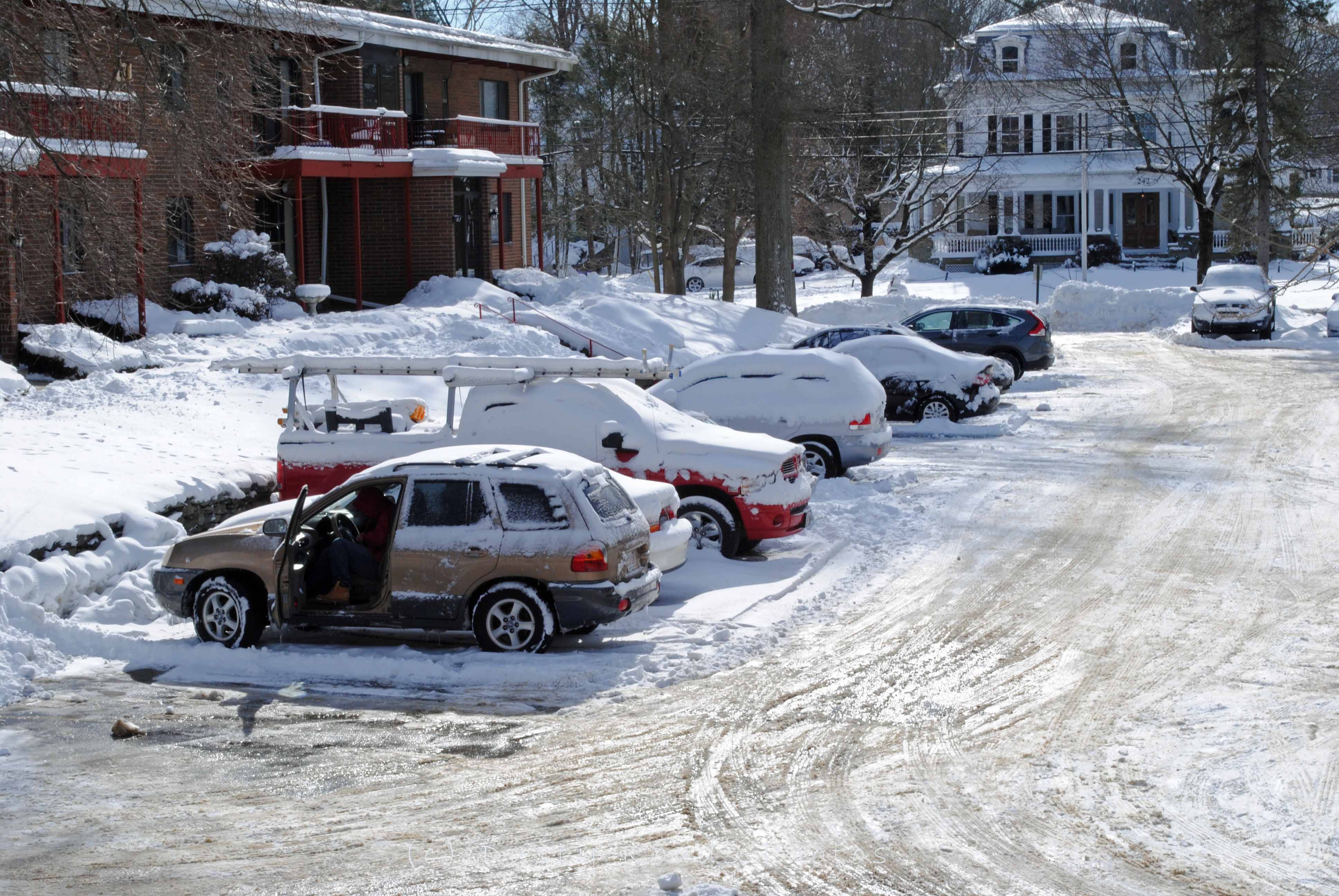
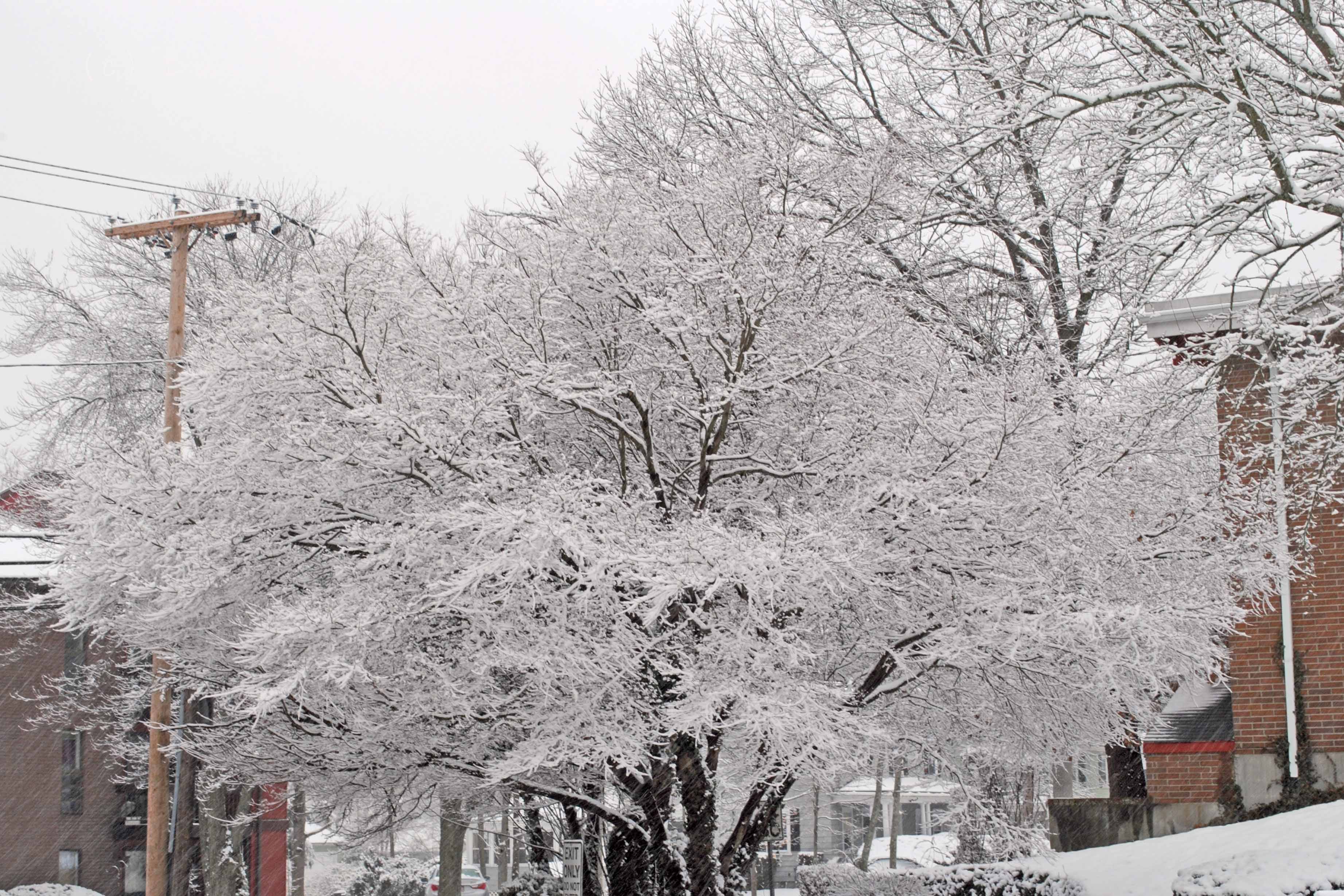
At first, I blamed the cold weather — snow, sub‑zero temps, the whole New England winter package. Suddenly, Florida was looking really good. I was serious enough that I actually considered selling my condo and heading south.
 

But then reality set in.
Sorry, JR… looks like any move is officially on hold.

There are plenty of reasons to think twice about relocating to the Sunshine State. And no, I’m not even going to get into the political atmosphere — we’ll leave that simmering on the back burner.


Florida Wildlife (a.k.a. My Deal‑Breakers)

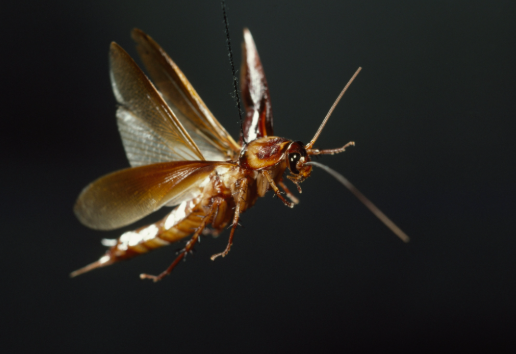
The number one reason I’m having second thoughts? Palmetto bugs.
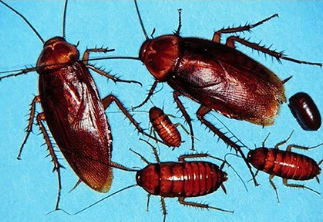
I hate — no, that’s not strong enough — I abhor cockroaches. We had an issue in our building here in Taunton this year, but at least the management company jumped on it immediately and brought in pest control. I have NEVER lived anywhere with bugs, and I have no intention of starting now.

So what are Palmetto bugs?
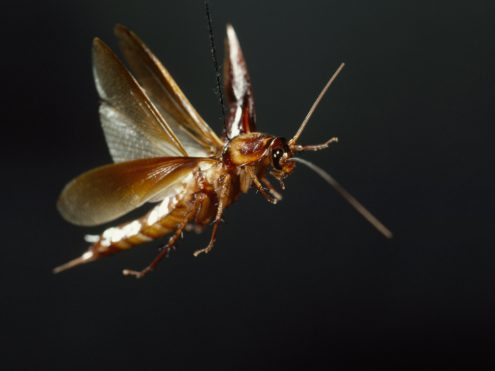
Well, imagine giant flying cockroaches. That’s it. That’s the whole horror story.
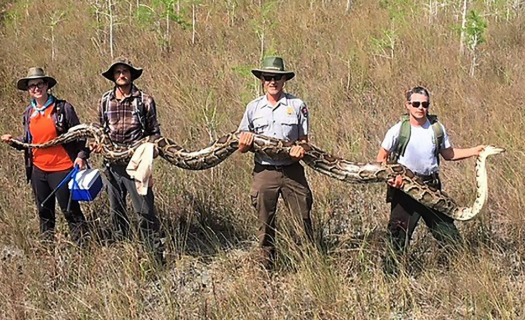
And if that’s not enough, Florida also has killer bees, fire ants, swarms of mosquitoes, and snakes. Really big snakes. The state is being invaded by pythons and anacondas. In the immortal words of Indiana Jones: “Snakes… why did it have to be snakes?”
 

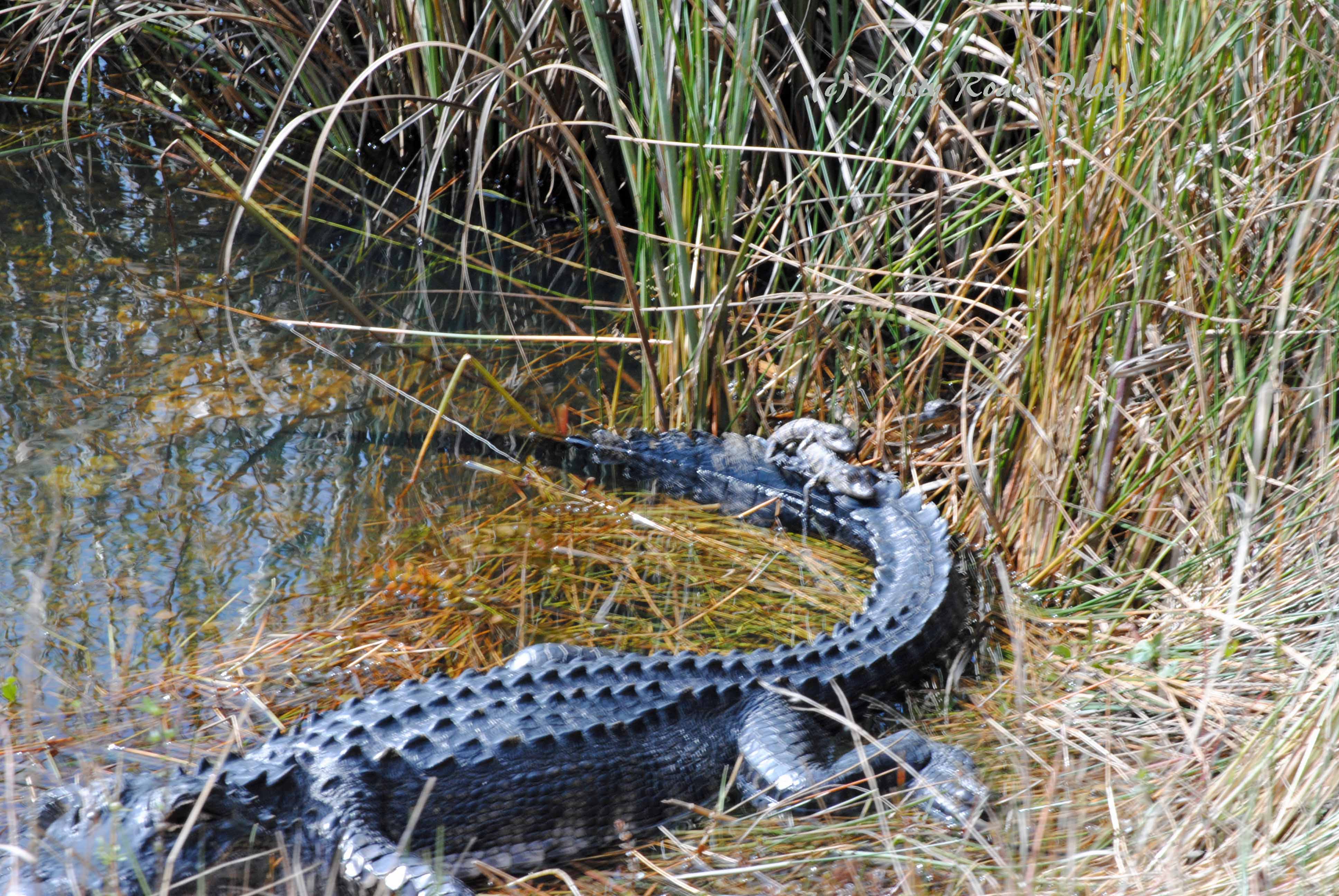
Then there’s Florida’s unofficial mascot: the alligator. They don’t bother me too much — they were there first, after all. The whole state is basically one big tropical swamp. You might even spot a Skunk Ape on a lonely road at night if you’re lucky… or unlucky.


More Reasons to Skip Florida

I gave up on Hawaii because the cost of living was outrageous, and Florida seems determined to follow in its footsteps.

1. The cost of living can outpace your budget

Housing prices are soaring, homeowners’ insurance is skyrocketing, and the overall cost of living keeps climbing. The median home value is already higher than the national average, and insurance premiums are only going to rise thanks to hurricanes, tropical storms, and rising sea levels.

2. The heat and humidity can get oppressive

Your utility bills will shoot through the roof as you try to survive the summer with nonstop air conditioning. “Hot and sticky” becomes a lifestyle.

3. Health care isn’t as accessible as you’d expect

You’d think a state full of retirees would have a seamless health care system — but that’s exactly the problem. The demand is enormous, especially in big cities. Long wait times, crowded facilities, and high costs are common.
A study from Fidelity Investments estimates that a 65‑year‑old couple retiring in Florida would need around $315,000 just for health care in retirement.

4. Fraud is a real concern

Florida has some of the highest rates of elder fraud in the country. According to the FBI’s 2024 Elder Fraud Report, seniors lost $4.8 billion nationally — and Florida was in the top three states for losses. Not exactly comforting.

5. No income tax sounds great… until it isn’t

The lack of state income tax means the state has less money to invest in infrastructure. Florida earned a “C” rating from the American Society of Civil Engineers. Aging roadways, limited public transit, and inadequate wastewater systems don’t exactly scream “retirement paradise.”


Bottom Line

For now, I’ll stay put and deal with the cold and snow. Massachusetts isn’t the best state for retirees — it’s expensive, and winter is no joke — but we have excellent health care, and I have my condo. I’m settled, at least for the moment.
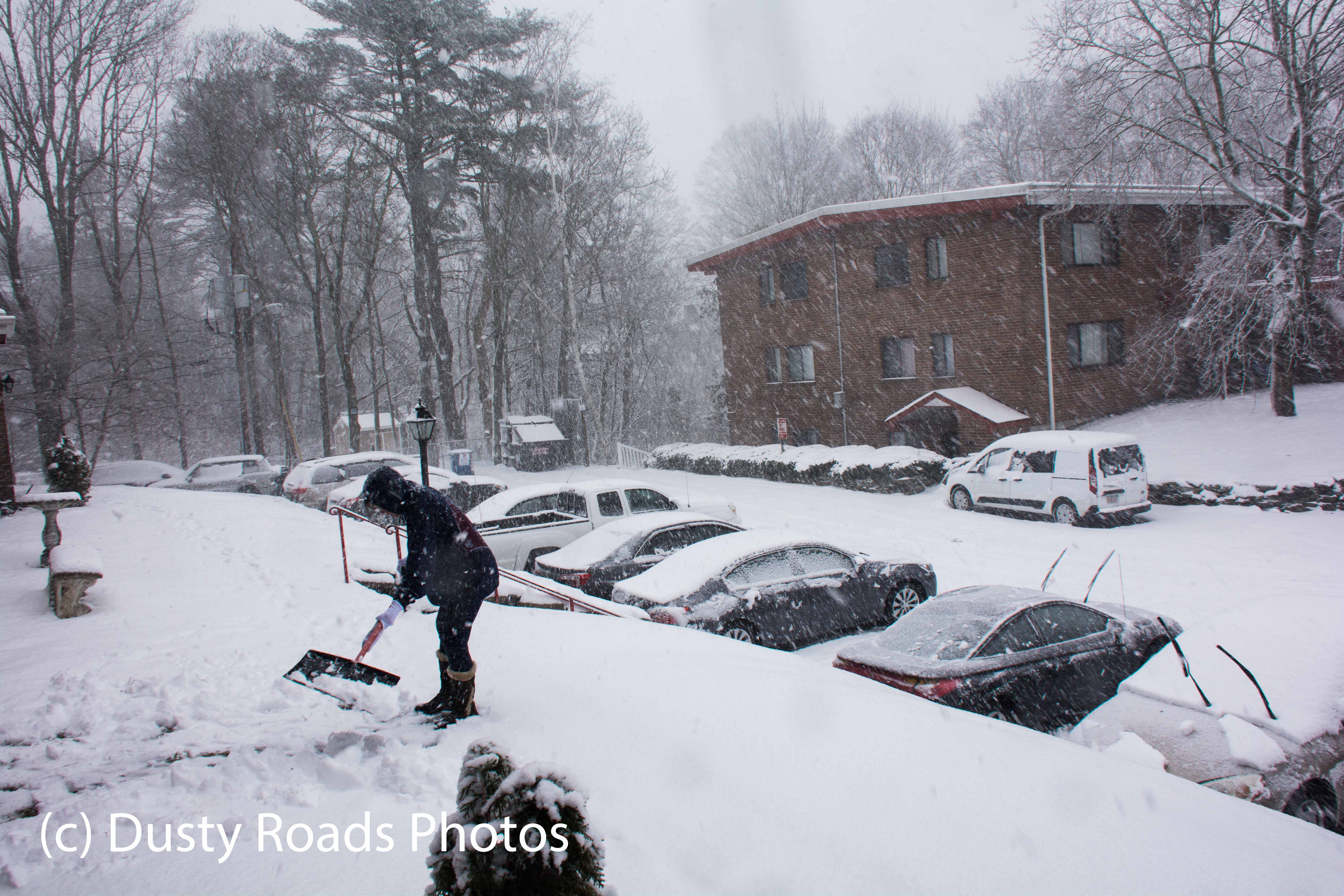
 

And honestly? Waking up with a few aches and pains may not be fun… but it’s still better than waking up next to a giant flying cockroach.
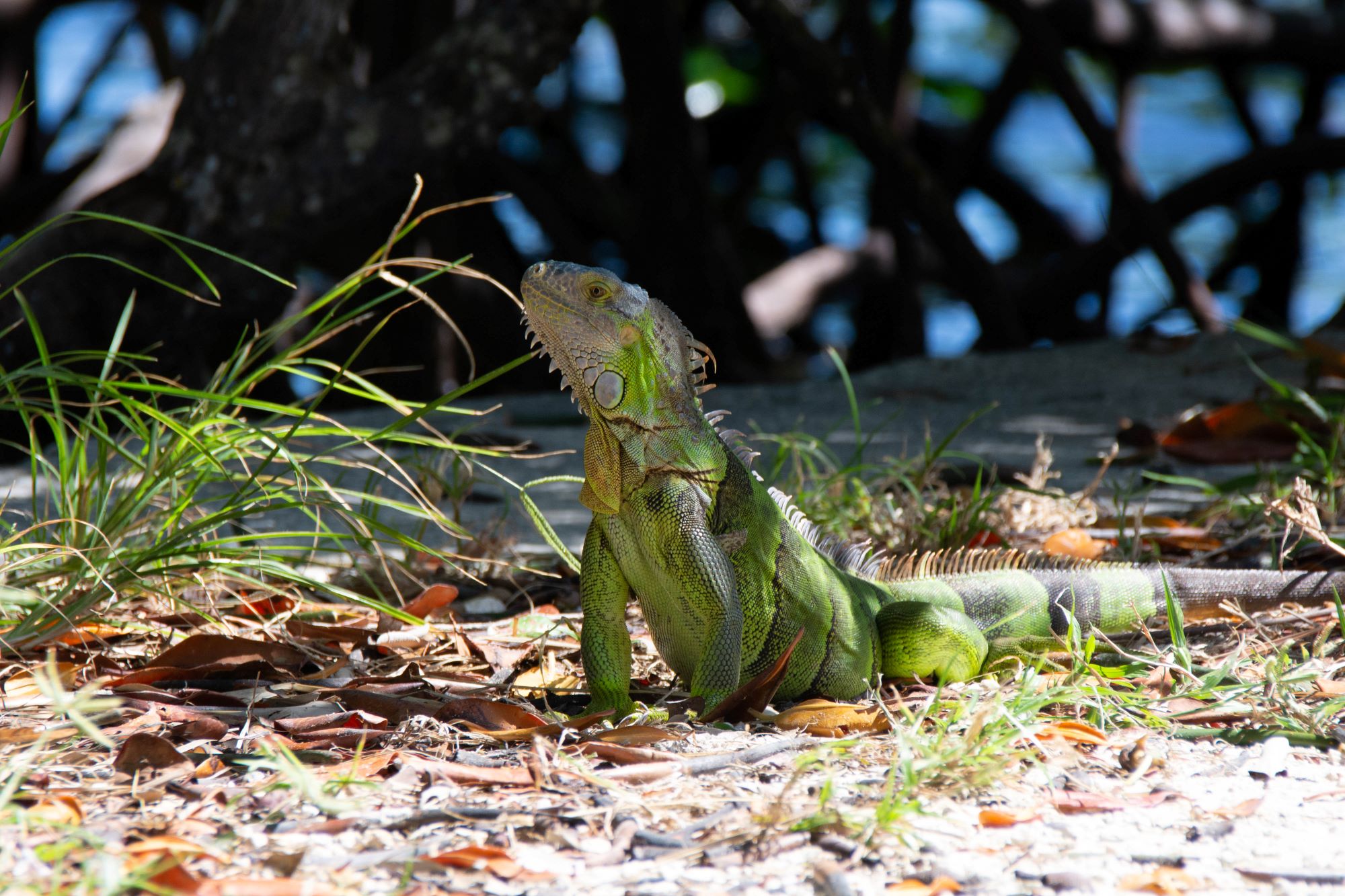
 

It’s Raining …Lizards?

🦎 When Florida Gets Chilly and Iguanas Start Falling: A Horror Story in Three Acts

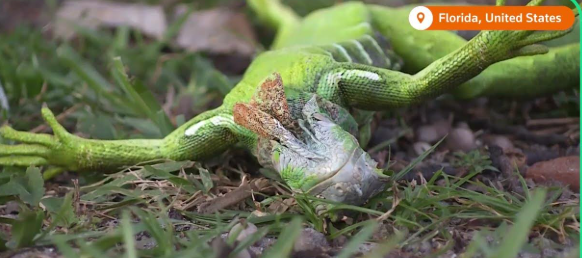
Looks like a crime scene

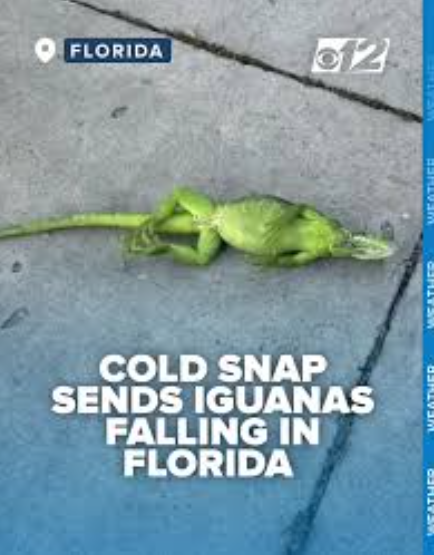
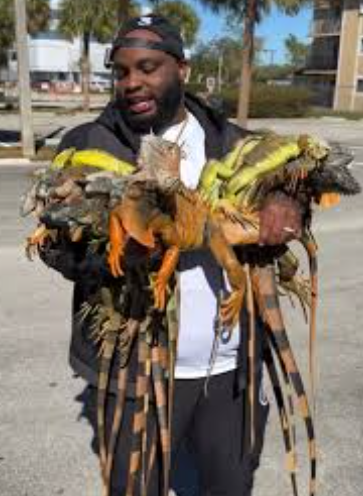
On this, the coldest day of the year so far, it feels like the perfect moment to remind everyone that not everything in South Florida is oranges and sunshine. They get cold too — and when they do, it doesn’t just rain. It rains iguanas.

Every region has its own brand of weather drama.
New England gets nor’easters.
The Midwest gets tornadoes.
Florida?
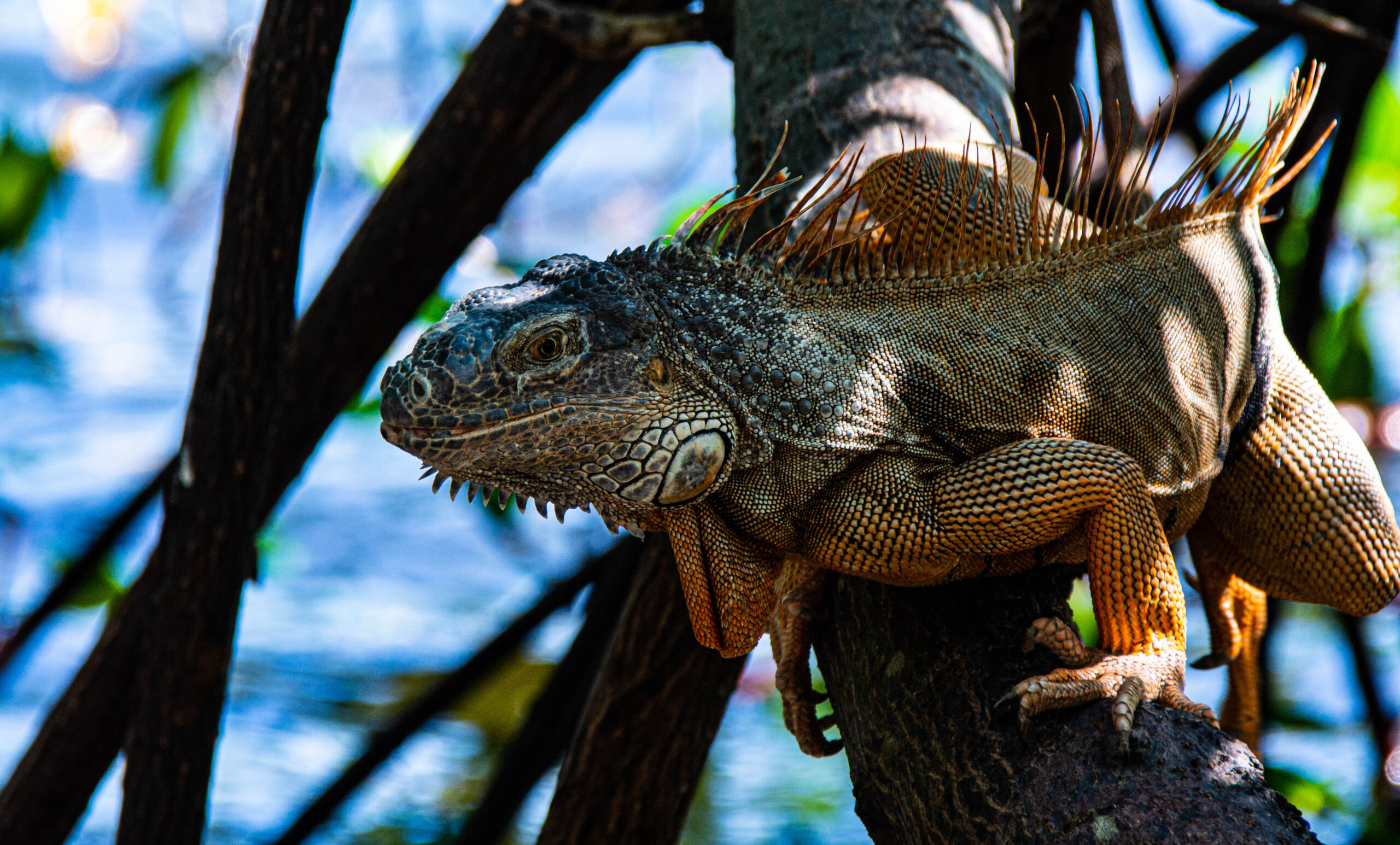
Florida gets frozen iguanas falling out of trees like scaly Christmas ornaments.

Yes, this is real.
Yes, it happens every winter.
And yes, your skeptical friend is welcome to Google it — preferably while standing under a sturdy awning.

❄️ Why Iguanas Go Full “Fainting Goat”

Iguanas are cold‑blooded, which means when temperatures dip below about 45°F, their bodies hit the reptile version of “sleep mode.” They lose muscle control, freeze in place, and if they happen to be lounging in a tree — as iguanas love to do — gravity politely escorts them to the ground.

It’s not elegant.
>It’s not graceful.
>It’s not quiet.

But it is science.

🦎 Are They Dead?

Usually not. They’re just cold‑stunned, which is nature’s way of saying, “Hold on, rebooting…” Once the sun comes back out, they thaw, blink, and wander off like nothing happened — leaving bewildered humans clutching their coffee and questioning reality.


🗣️ Try Explaining This to a Doubter

This is where the fun begins.
You get to say things like:

  • “No, really, they fall.”
  • “No, they’re not dead.”
  • “Yes, Florida officials warn people about it.”
  • “No, I’m not confusing this with a Syfy movie.”

Honestly, the only thing more Florida than falling iguanas is someone insisting it doesn’t happen.

🐊 Meanwhile, in the Florida Horror Cinematic Universe…

Let’s be honest: Florida doesn’t need help being terrifying.
This is the same state that gave us:

  • Alligators in swimming pools
  • Snakes in toilets
  • And the pièce de résistance: flying cockroaches (politely rebranded as “Palmetto bugs,” as if a cute name makes them less horrifying)

So yes — iguanas falling from trees during a cold snap fits right in. It’s practically a documentary waiting to happen.


🎬 In Closing 

If Stephen King ever runs out of ideas, he doesn’t need to look far — he just needs a lawn chair, a cold front, and a South Florida tree full of iguanas.

When Florida Gets Cold, the Manatees Remember Where to Go

A Sudden Cold Snap in Crystal River

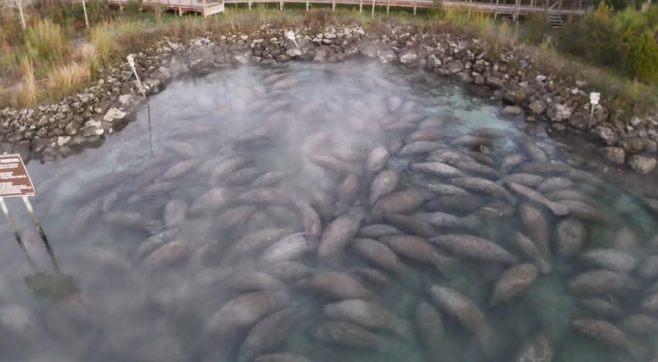
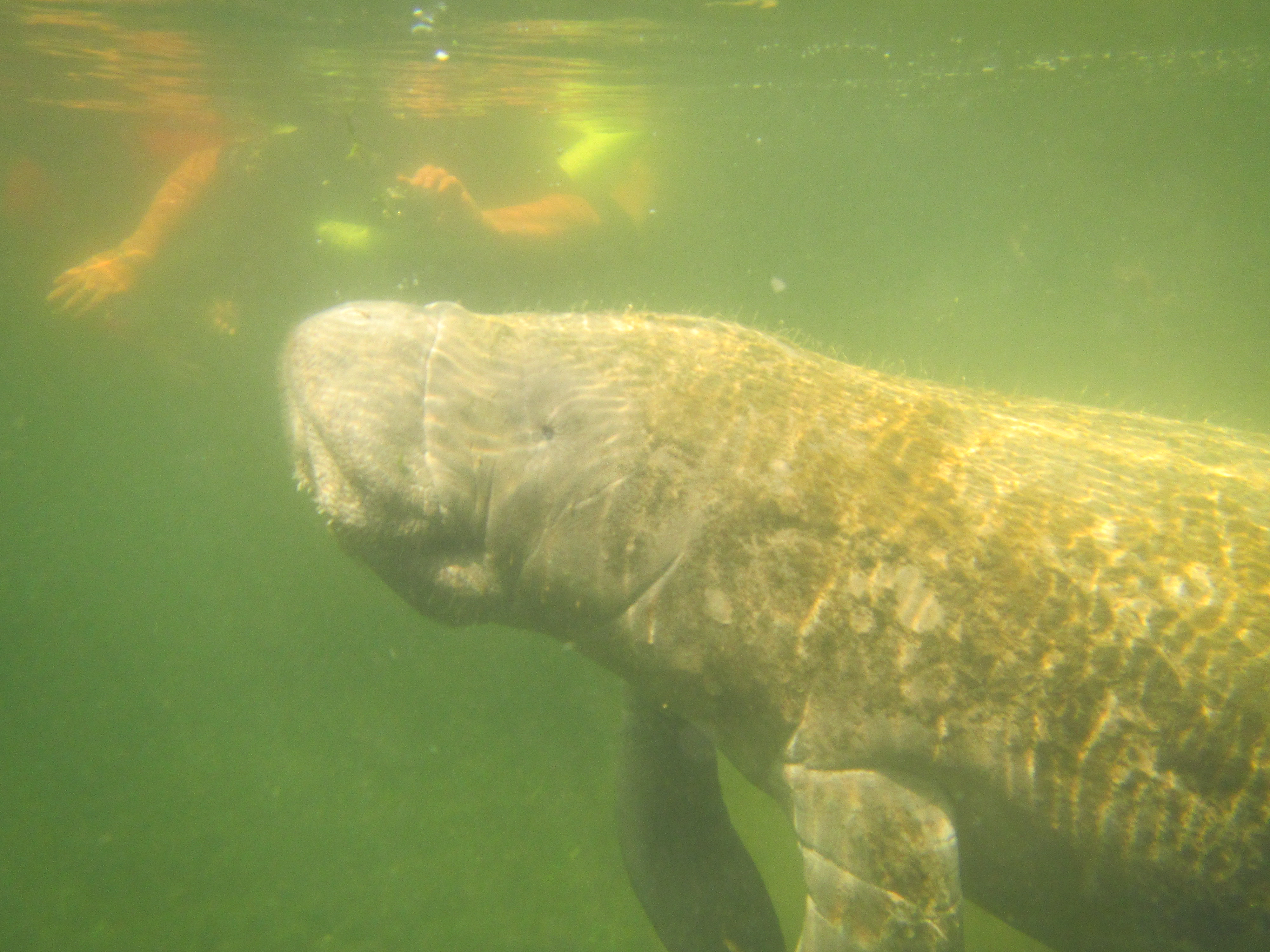
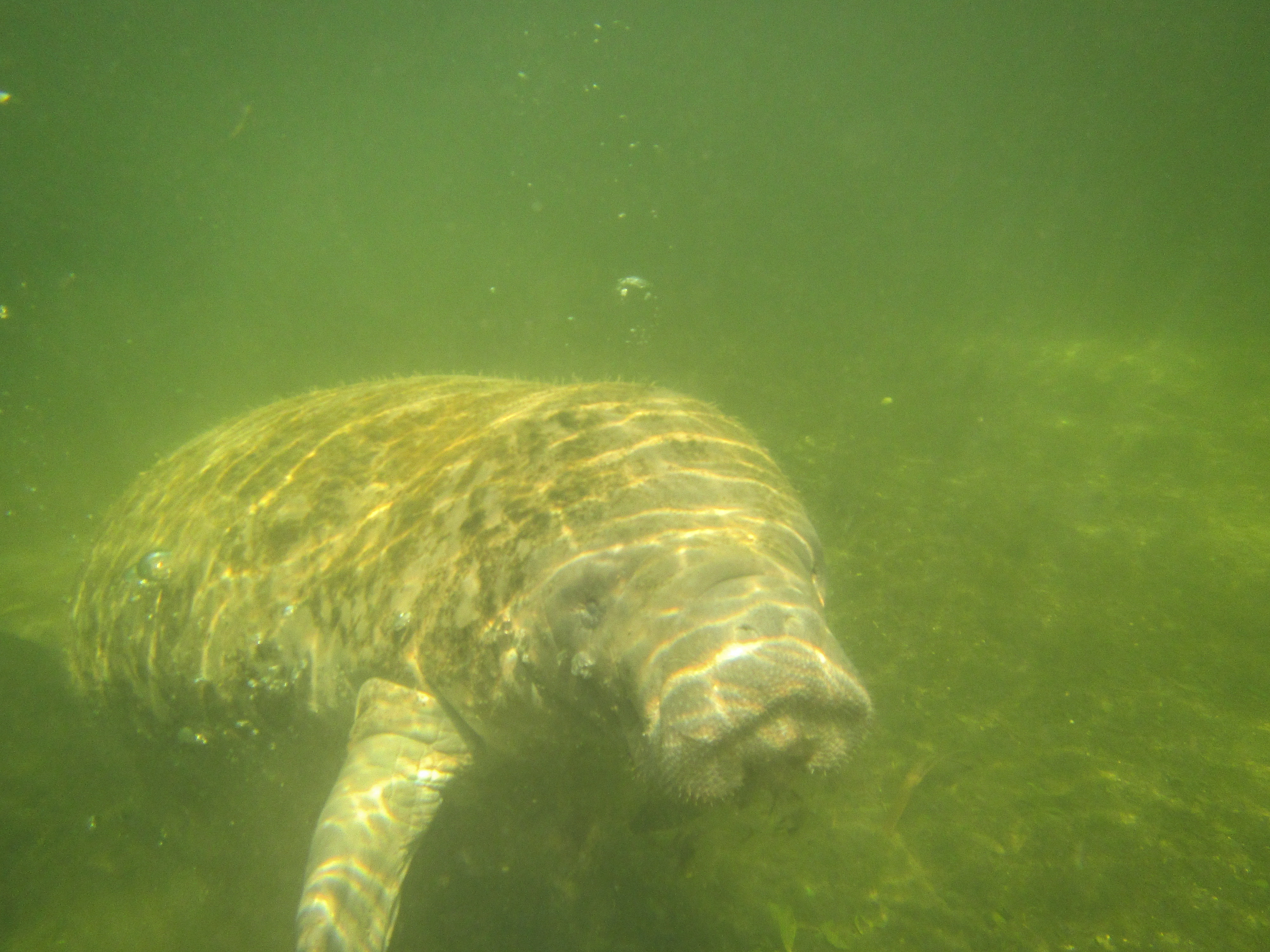
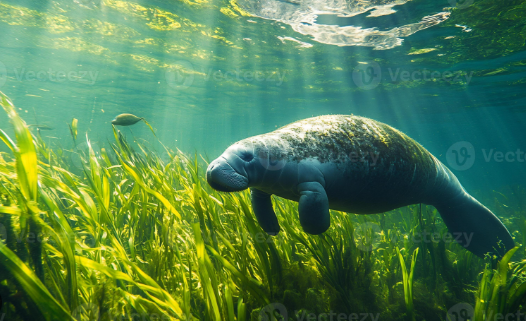
February 1, 2026: Photos coming out of Crystal River show manatees packing into Three Sisters Springs, clustering together like oversized gray dumplings as the cold weather hangs on. Whenever Florida gets a rare chill, the manatees make a beeline for the warmest water they can find — and this week, they’ve been pouring into the springs by the hundreds.

A Memory From 2017 That Still Sticks With Me

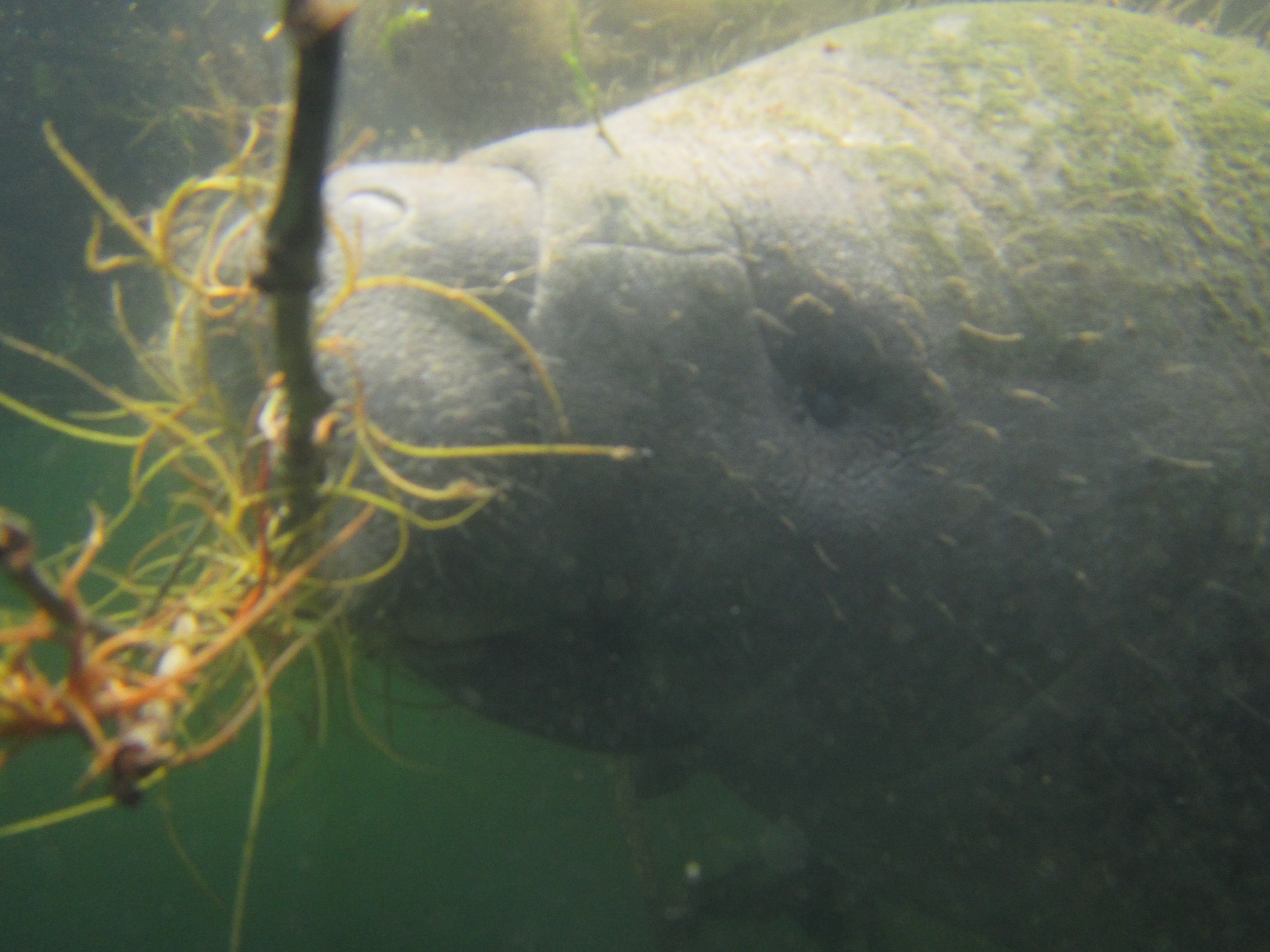
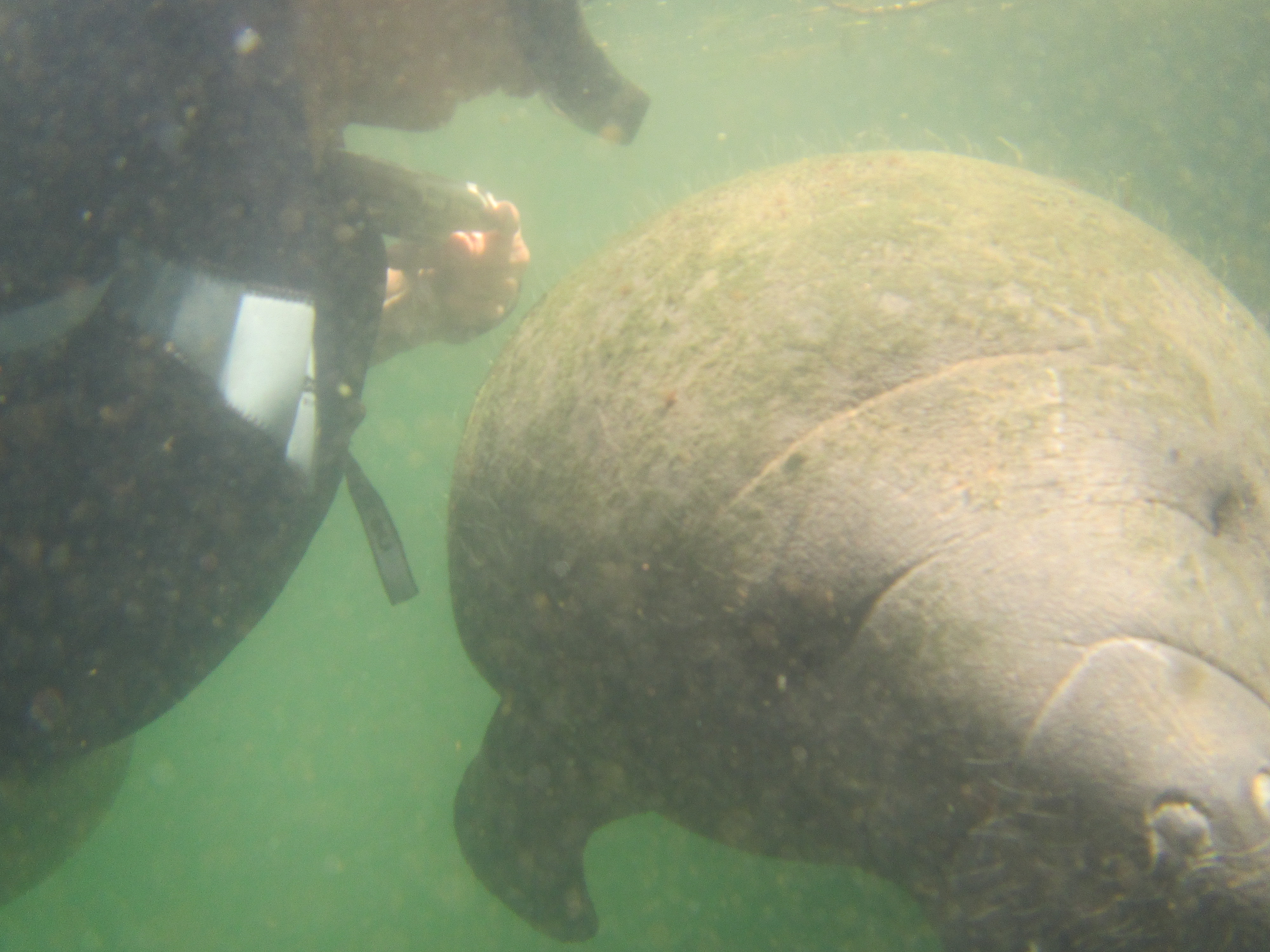
Hearing about the cold weather down there instantly pulled me back to my own visit in 2017, right in the wake of Hurricane Irma. The world above water was a mess of downed branches and storm debris, but beneath the surface, the springs were calm, almost sacred. And in that quiet blue world, I met a mama manatee and her “tiny” baby.

Chopping on Rope

The “Tiny” Baby Who Wasn’t Tiny at All

I use tiny loosely.
The calf was estimated at around 50 pounds — basically the size and shape of a fire plug with flippers. He was doing his best to look innocent while nibbling on the ropes dangling from the dock, like a toddler caught chewing on the furniture. His mother floated nearby with the patience of someone who had already accepted that her child was going to be “that kid.”

Manatee

That moment stayed with me. Maybe it was the contrast — the chaos of the hurricane versus the gentleness of these animals. Maybe it was the way the baby kept sneaking back to those ropes like they were the best snack in Florida. Whatever it was, I’ve had a soft spot for manatees ever since.

Baby Manatee

Why Cold Weather Hits Manatees So Hard

When water temperatures drop below 68 degrees, manatees are at risk of cold‑stress syndrome — a dangerous condition that can cause fatigue, skin lesions, and even death. The springs around Crystal River stay a steady 72 degrees year‑round, making them one of the most important winter refuges for these gentle giants.

Manatee in the Wild

So when the temperatures fall, they crowd into the springs not because it’s comfortable, but because it’s necessary.

How We Can Help

Cold snaps remind us that manatees aren’t just adorable “sea potatoes.” They’re survivors — but they’re survivors who need a little help.
A few simple things make a real difference:

  • Giving them space in the springs
  • Supporting seagrass restoration
  • Keeping waterways clean
  • Slowing down boats
  • Backing rescue and rehabilitation organizations

A Place They Can Always Count On

Every winter, the manatees return to the springs because they know it’s the one place that won’t let them down. The least we can do is make sure that stays true.


🌍 Hidden Gems & Internet Shenanigans: My Accidental Travel Checklist

Surfing the Web, Stumbling into Wanderlust

One of my guilty pleasures since being forcefully retired (yes, I’m still salty) is cruising around the internet. It’s a rabbit hole of weird and wonderful discoveries—and we all know if it’s on the internet, it must be true, right?

I especially love lists. Bucket lists, travel lists, “best of” lists—I devour them like popcorn. I scroll through to see what I’ve done, what I’ve missed, and whether I agree with the writer’s take. Recently, I stumbled across a list of “Hidden Gems.” I expected obscure spots I’d never heard of, but surprise surprise—I’ve actually been to a few!

❄️ Leavenworth, Washington: Alpine Charm Without the Prison

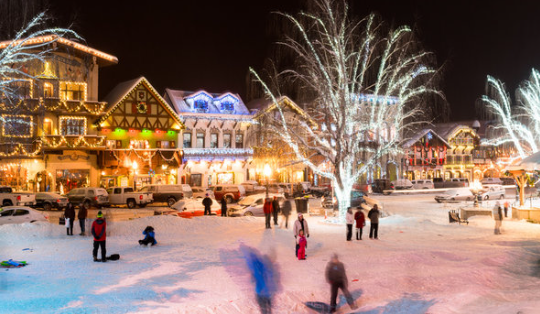
The list kicks off with Leavenworth, Washington—a mountain village with alpine architecture, festive vibes, and wintery fun like sleigh rides and snowshoeing. Sounds magical… if you like snow. I, however, am a blanket-loving, cold-avoiding creature. Sleigh rides? Maybe. Snow? Hard pass.

Oh, and just to clear up a common misconception: the infamous Leavenworth prison is in Kansas, not Washington. So no need to worry about bunking with inmates on your holiday getaway.

🏖️ St. Augustine, Florida: History with a Sea Breeze

Now this one I have visited. St. Augustine is described as “old world elegance meets coastal calm,” and I couldn’t agree more. It’s a dream for history buffs and beachcombers alike.

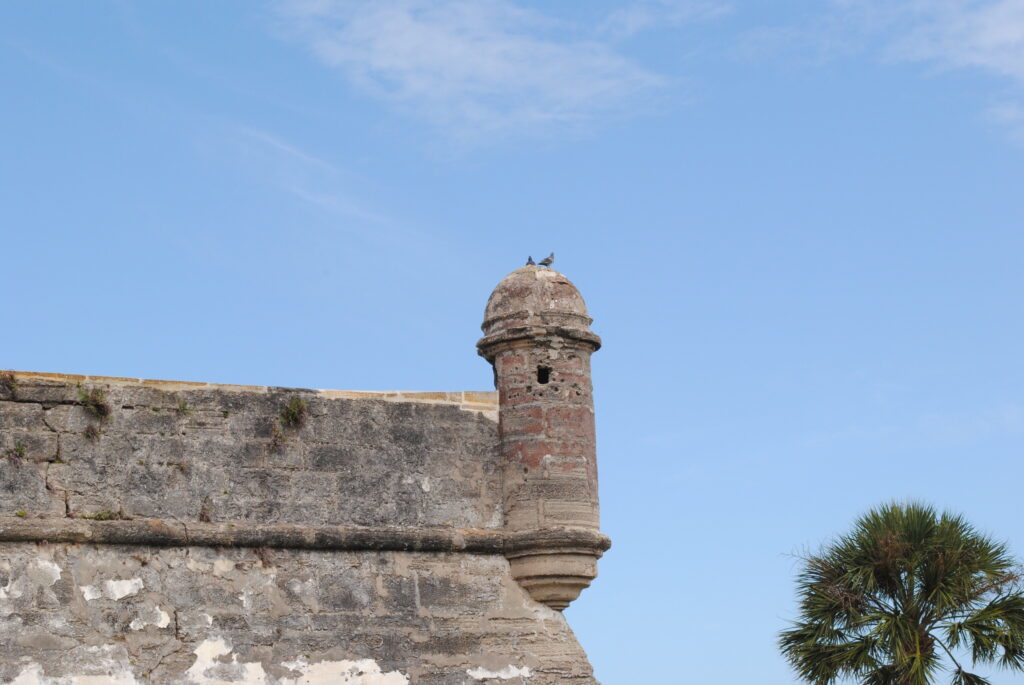
I wandered through the Fountain of Youth Archaeological Park (Ponce de León sightings: frequent), and explored Castillo de San Marcos—the oldest masonry fort in the continental U.S. It looked nothing like the northern forts I grew up with, and that made it all the more fascinating.

Castillo de San Marcos – Photo Credit Deb Neumann

🏜️ Village of Oak Creek, Arizona: Sedona’s Serene Sister

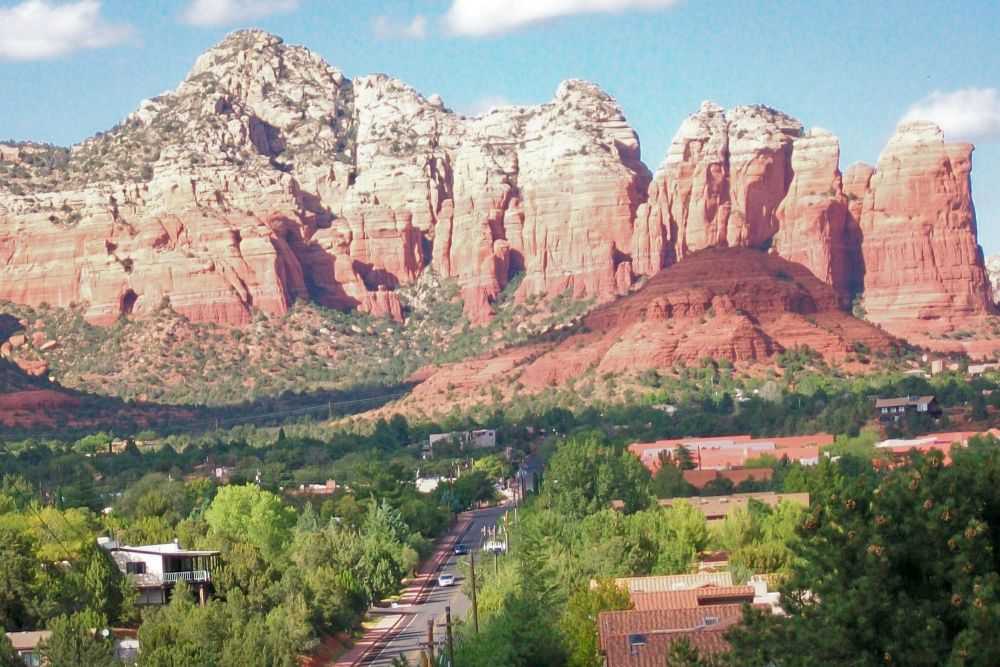
Been there, done that—and I’d do it again. Oak Creek is often overshadowed by Sedona, but it’s a gem in its own right. Rich red rocks, peaceful vibes, and spa-worthy stays make it a haven for nature lovers and photographers. I’ve visited more than once, and each time feels like a fresh discovery.

Red Rocks –photo credit Deb Neumann

🏞️ Eureka Springs, Arkansas: Victorian Whimsy in the Ozarks

I haven’t made it to Eureka Springs yet, but it’s on the “maybe” list. It’s described as a quirky small town with Victorian charm, winding hills, and upscale cabins tucked into the Ozarks. Kayaking and underground tours sound fun… though my joints might disagree. Still, never say never.

🌊 Mendocino, California: Cliffside Calm and Coastal Cuisine

Now this one has my attention. Mendocino promises cliffside inns, local vineyards, and oceanfront escapes. Food, wine, and waves? Yes, please. I could definitely get into that kind of coastal calm.

✨ What’s Next?

There’s still so much to explore—new places to discover and old favorites to revisit. Maybe I missed something the first time around. Maybe I’ll find a new favorite. Either way, the journey continues… one internet list at a time.


Decadent Treat from the Sea

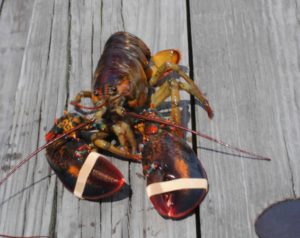
Maine Lobster- photo credit Deb Neumann


Broiled Decadence

I was born in the wrong time in history. My absolute favorite treat is broiled lobster tails. Any lobster is good—but I’m addicted to the tails.

Lobster wasn’t always the elite culinary gem it is today. At one time, it was so plentiful it was considered poor man’s food—fed to prisoners and even pigs. Can you imagine tossing a $50 lobster into a pigpen? And yes, I found a website selling Maine lobster tails for $58.99, so I’m not exaggerating when I say a “trash meal” turned treasure.


Maine Lobster vs. Rock Lobster

Every trip to Florida—especially the Florida Keys—includes at least one (usually more) stop for lobster tails. Why Florida? Because they use spiny lobsters, also called Rock Lobsters. These clawless crustaceans pack all their meat in the tail. The tails are larger, firmer, and have a brinier taste than Maine lobster.

Maine lobsters are great, but just using the tail feels like a waste. Let’s boil that beauty and enjoy the delicate claw meat too. Best to use a real Lobster Pot, not just any pan.

Fun fact: When I was younger, I had a lobster license and used to scuba dive for Maine lobsters. I could enjoy a lobster meal anytime I was willing to dive—which was often!

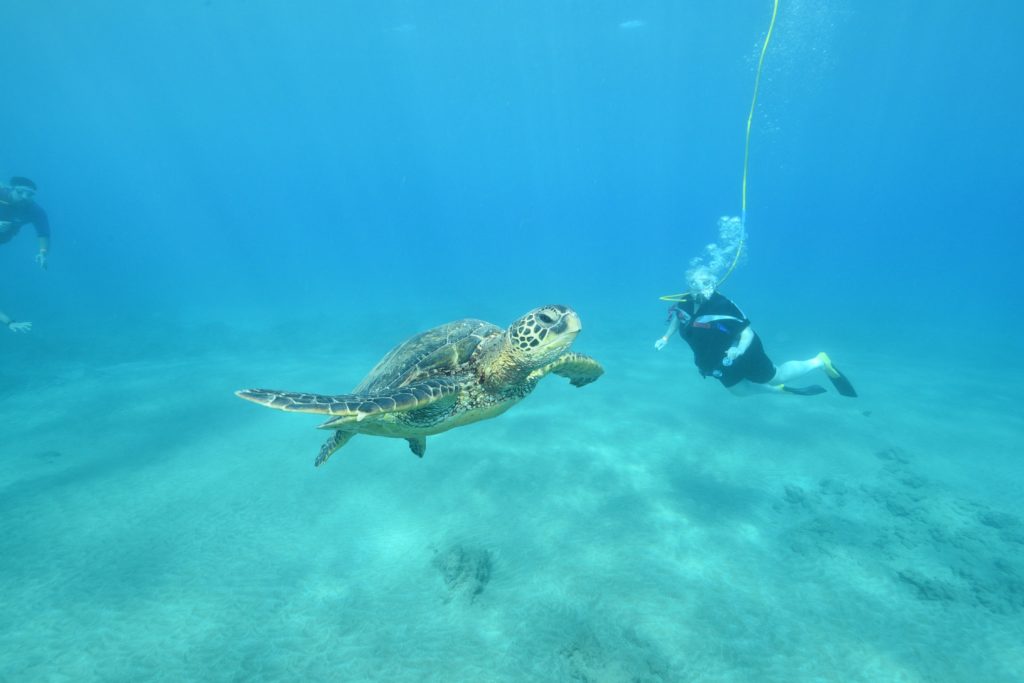
snuba at Turtletown 2020


National Lobster Day

Today is National Lobster Day, so head to your nearest seafood restaurant or fish market for an annual treat of broiled lobster. Restaurants might make it sound like preparing tails is a mystical art, but it’s really quite simple. Just don’t overcook them—nothing worse than a dry lobster tail.

Around here, it’s easy to find Maine lobster tails. Occasionally (though rarely), you’ll spot Langostinos—small crustaceans often substituted for real lobster. They’re tasty, but more closely related to crabs than lobsters. So for today, let’s go with the real thing.

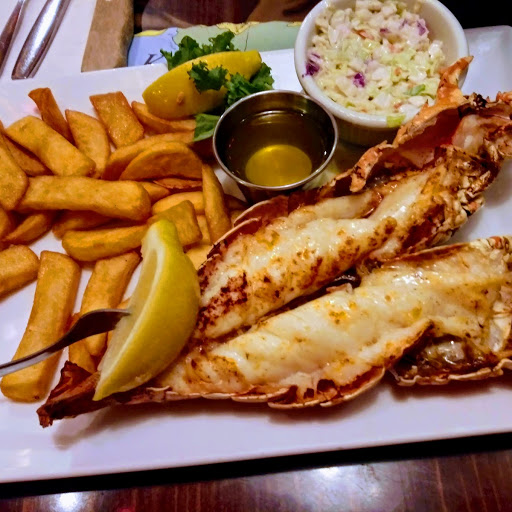
Broiled Rock Lobster tails- Key Largo 2019 photo Deb Neumann


Let’s Cook

Ingredients

  • 4 lobster tails (10 oz each, or adjust cooking time for other sizes)
  • ¼ cup salted butter, melted (½ stick)
  • 2 cloves garlic, crushed
  • 2 tsp lemon juice
  • ½ tsp smoked paprika
  • Pinch of cayenne pepper

Instructions

  1. Thaw the tails
    If frozen, thaw overnight in the fridge or in a sealed bag submerged in cold water for about 30 minutes.
  2. Preheat the oven
    Set to Broil (500°F / 260°C). Position the oven rack so the lobster tails on a baking sheet are 4–5 inches from the broiler.
  3. Butterfly the lobster tails
    Using kitchen shears, cut down the center of the shell lengthwise (top side only), stopping at the tail fin. Gently pull the meat upward, leaving the end attached. Rest the meat on top of the shell.
  4. Make the butter mixture
    In a small bowl, whisk together melted butter, garlic, lemon juice, smoked paprika, and cayenne. Brush generously over the lobster meat.
  5. Broil the tails
    Cook until the meat is opaque and lightly browned—about 1 minute per ounce. (10 oz tails = 10 minutes; 5 oz tails = 5 minutes.)
  6. Serve with melted butter
    For extra indulgence, try drawn butter—it takes a little more effort but yields a clear, golden dip with rich flavor.

How to Butterfly a Lobster Tail


Affiliate Disclosure

Some of the links in this post may be affiliate links. This means if you click through and make a purchase, I may earn a small commission at no extra cost to you. I only recommend products I truly love—especially when they involve lobster tails!