The Snail Kite- Is it Or Isn’t it?


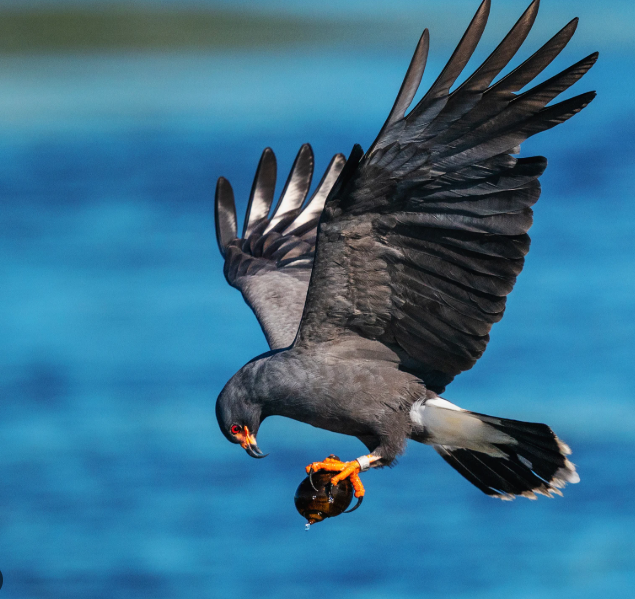
A dark gray raptor hovers above bright blue water with wings fully spread, clutching a large apple snail in its orange talons. The bird's hooked beak is pointed toward the snail, and a white patch is visible near the tail feathers. Water droplets fall from the shell as the bird flies over the wetlands.

Snail Kite – Photo Credit Audubon

Another Day in the Everglades
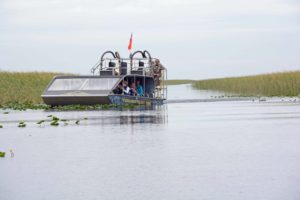
An airboat carrying several passengers travels across calm water in a marsh. The flat-bottomed boat, topped with a large rear fan and a small orange safety flag, moves through a channel bordered by tall grasses. Scattered aquatic plants float on the water's surface beneath an overcast sky.On one of my many trips to Florida, I was once again poking around the Everglades. I know most people think of it as a swamp, but I love the place. There are creatures there that I would never see anywhere else, and my camera is always busy.

On this particular day, I was on an airboat tour. I take airboat tours quite often, mainly because they’re a good way to get around. You’re not likely to step on an alligator, although they have been known to jump into the boats, and they allow you to see areas the average tourist would never reach on foot.

Some tours are great and others, not so much. I can’t blame the operators. They know their routes and they know when the animals are usually out and about, but they can’t make wildlife appear on command. Nature doesn’t work that way.

A Rare Visitor
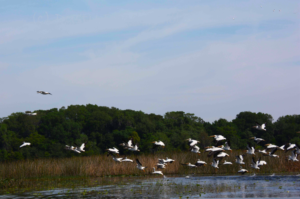
A large flock of white pelicans skims low over a wetland marsh, flying above shallow water and tall reeds. A dense line of green trees stretches across the background beneath a pale blue sky with wispy clouds. Several pelicans are just lifting off from the water while others soar in formation, creating a dynamic wildlife scene.We were crossing a fairly open stretch of water and heading toward some tall reeds where the operator thought we might spot a few “gators.” To pass the time, he was filling us in on bits of Everglades lore.

Earlier, we’d watched a large flock of pelicans take off together, which was quite impressive. We’d also seen a few gators tucked away in the vegetation, but nothing cruising the open water.

Suddenly, the operator got very excited and started pointing at the sky.A dark bird of prey glides across a pale blue, lightly clouded sky with wings fully outstretched. The bird is silhouetted against the sky, showing long wings with spread primary feathers and a slightly fanned tail, centered in a wide expanse of open air.
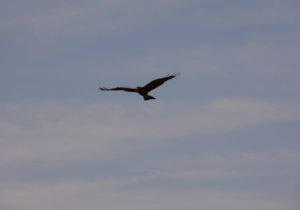
In the distance, I could just make out a dark bird flying toward us. I knew it was well beyond the range of my camera, but I might never get another chance, so I started taking pictures anyway.

The operator kept shouting, “Snail kite! Snail kite!”

I didn’t see any snails or any kites, but I kept snapping away as the bird came closer.

Finally, it veered off, and I watched it disappear into the distance. The operator then told us how lucky we were to have seen such a rare bird.
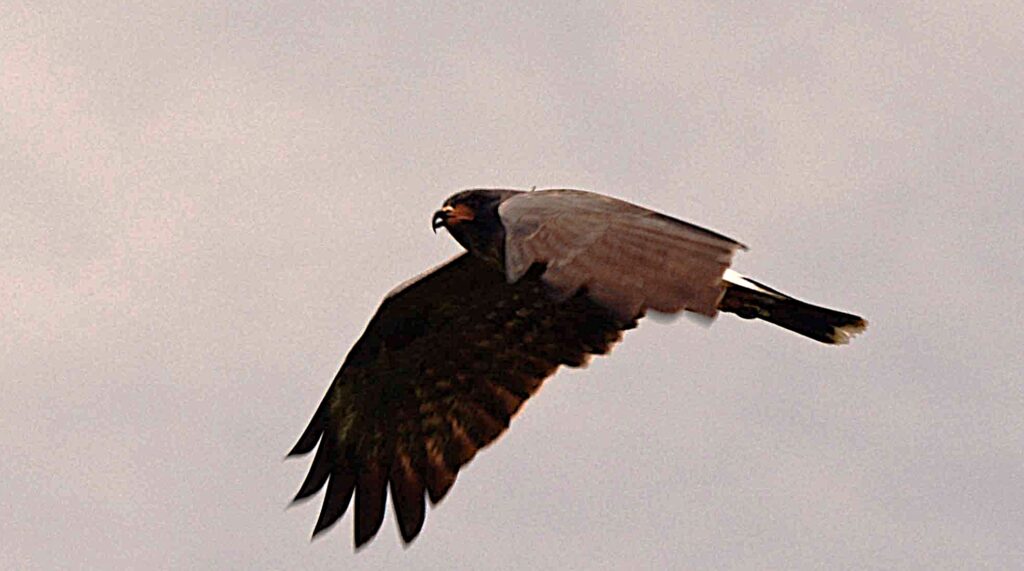
A dark-and-light raptor in flight against a pale sky, viewed from the side. The bird's broad dark wings are fully extended, while the body, head, and upper wing coverts appear lighter gray. A hooked beak and long tail are visible as the bird glides through open air.

Photographed in the Everglades. The hooked bill, shape, and habitat make me wonder if this is a Snail Kite, but the lighting and distance make the ID tricky. What do you think?

Rediscovering an Old Photograph

Years passed.

As you know, I’ve been digging through my ancient photo archive, looking for pictures I might want to salvage, restore, or delete. Lo and behold, there were those old photos of that dark-colored bird.
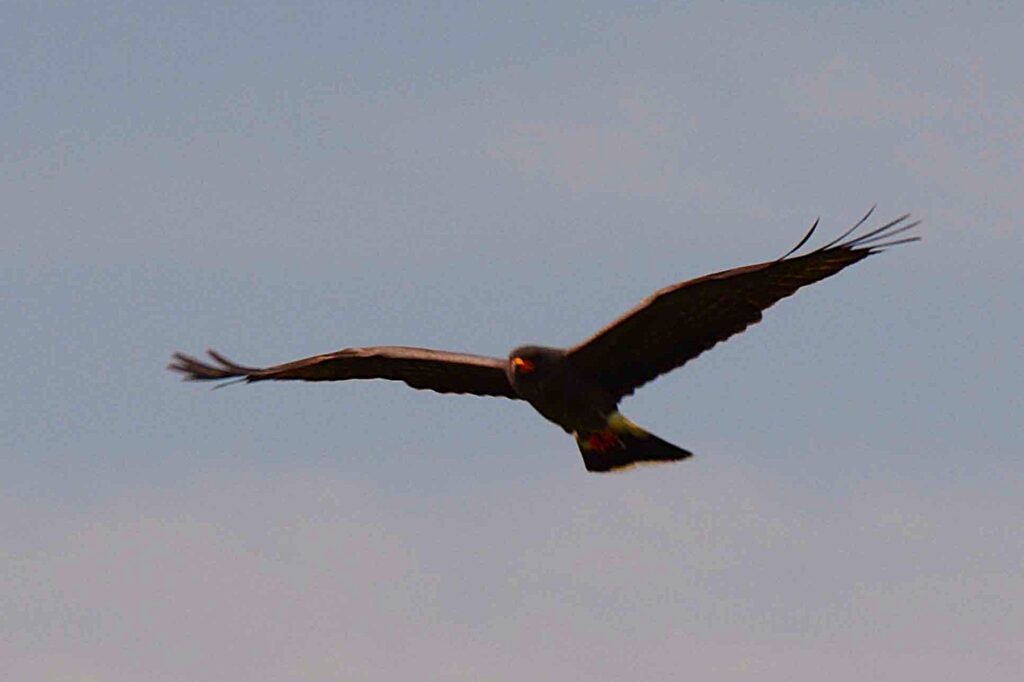
A dark bird of prey glides across a pale evening sky with wings fully outstretched. The bird is silhouetted against the fading light, with a small patch of lighter color visible near the tail and a bright reflection at the eye. The image captures the bird in flight from a distance against an uncluttered background.

Just for fun, I tried enlarging and sharpening them. Photo-processing tools have improved dramatically over the years, and as the image cleared up, there it was.
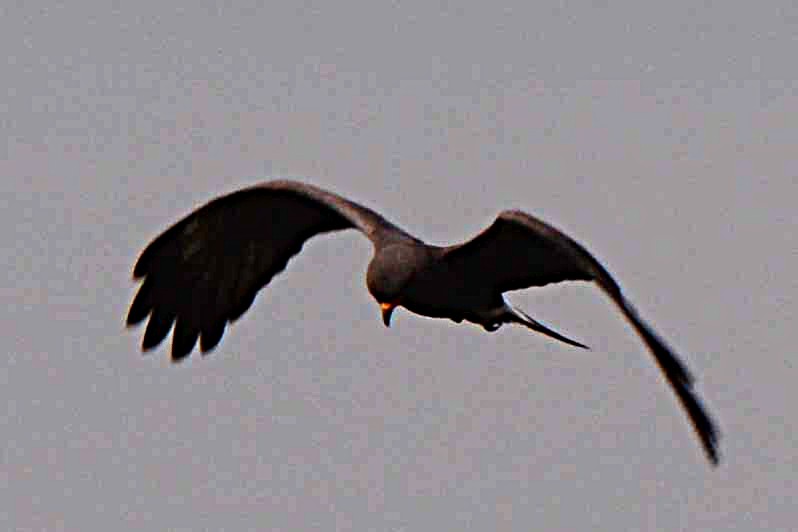
Silhouette of a large bird in flight against a pale sky, wings fully extended in a shallow downward curve. The bird is viewed from the side with its head lowered and hooked beak visible, while long wings and a trailing tail create a dramatic profile against the softly lit background.

My snail kite.

Except it wasn’t.

The Great Misidentification

For all these years, I believed I had photographed this rare bird. I even watched a PBS wildlife special about snail kites, learning how they got their name from their diet of apple snails and how they’re threatened by habitat loss.

But now I’m not so sure.

The tour guide may have misidentified the bird. Then again, maybe he didn’t.

When I recently restored the old photos and enlarged them, I became convinced that the bird wasn’t a snail kite at all. At first glance, it appeared more likely to be a red-shouldered hawk. That seemed to settle the matter.

Then I started comparing my photograph with other images of red-shouldered hawks and found myself having second thoughts. The more photographs I looked at, the less certain I became.
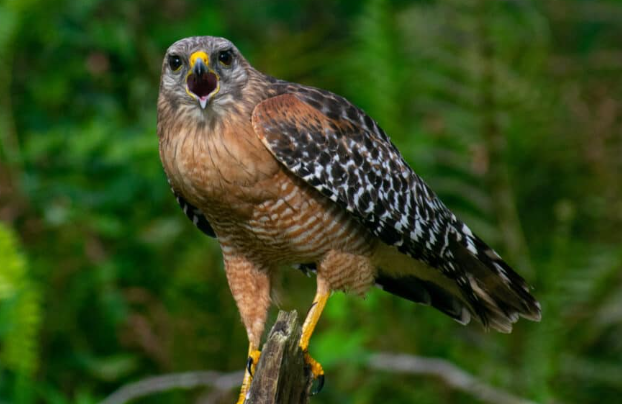
Brown and white raptor perched on a broken wooden stump, facing the camera with its beak open. The bird has barred underparts, patterned wings, and yellow legs, with lush green foliage blurred in the background.

red shouldered hawk

So after all these years, the mystery remains unsolved. The bird may have been a snail kite. It may have been something else entirely. Unfortunately, the original photo was taken at extreme range under less-than-ideal conditions, and there simply isn’t enough detail for a definitive identification.

Still an Everglades Success

Whatever the bird was, I’m still glad I took the picture.

Considering the distance and conditions, the photo came out far better than I expected. More importantly, it preserved a memory from a day spent exploring one of my favorite places on Earth.

So I guess I can chalk this up as a semi-successful Everglades adventure.

After all, not every wildlife story ends with an answer. Sometimes the mystery is what keeps the story alive.
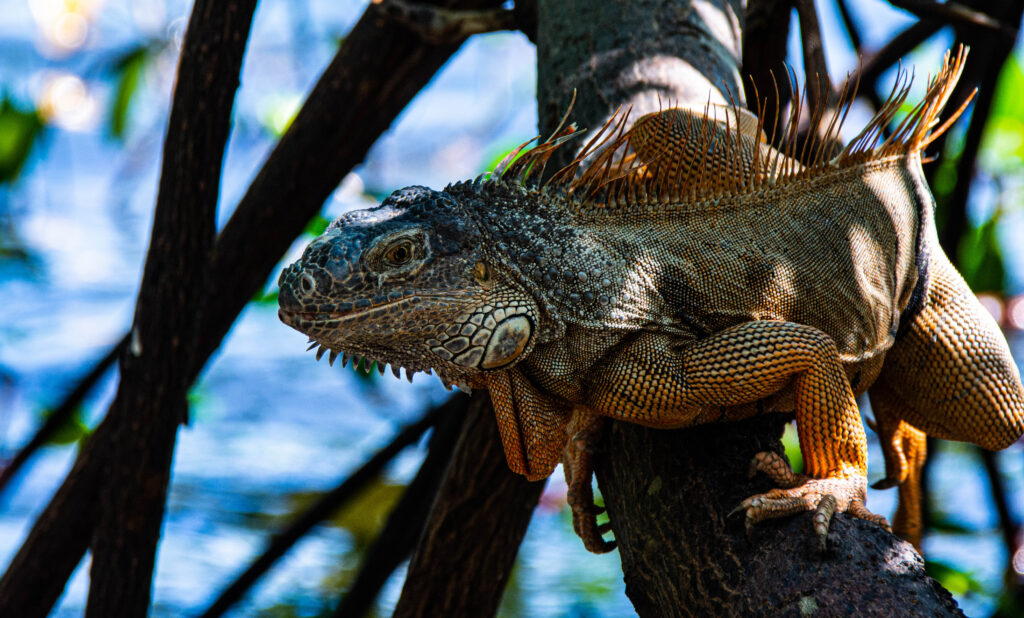
It’s A Lizard’s Life

Large iguana perched on a tree branch, showing detailed orange, brown, and green scales with spines along its back.”

🦎 Lizard Life: Florida Edition

Wildlife comes in all shapes and sizes, but Florida’s scaly resident lizards have a special talent for showing up exactly when you least expect them.

🦎 Iguanas: My First Encounter

The very first green iguana I ever saw outside of a PBS nature special was strolling down Duval Street like it owned the place. It was wearing a tiny harness, attached to a human with big rasta hair and an even bigger vibe. I couldn’t tell who was walking whom, and I was far too shy to ask questions. I didn’t even take a picture — a tragedy, considering how gloriously photo‑worthy the moment was.

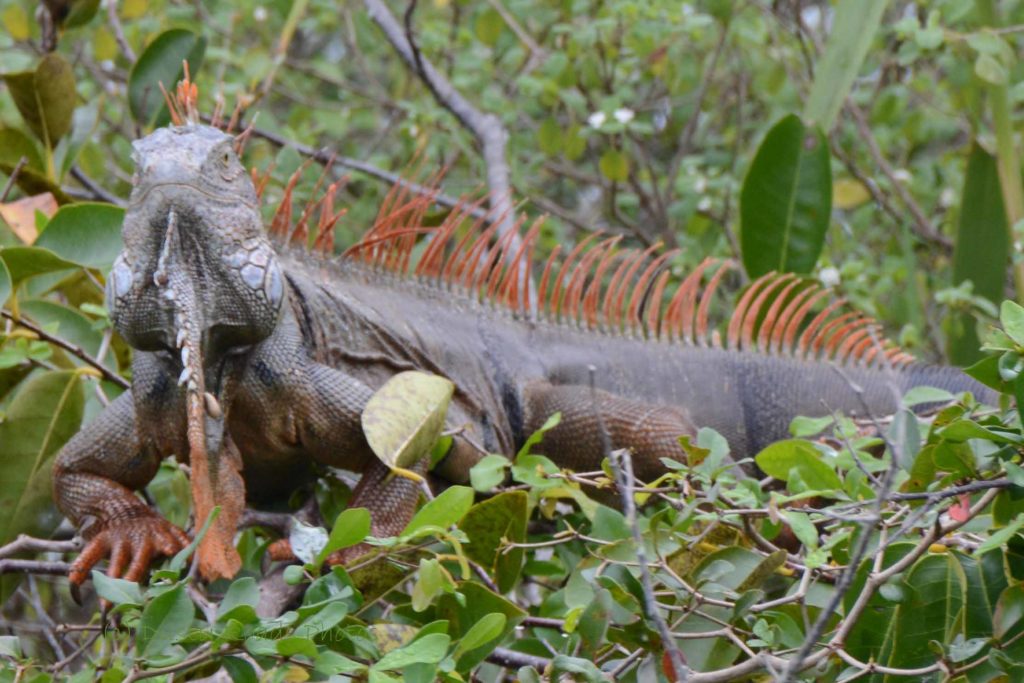
The next time, I redeemed myself. I was on an airboat returning from an Everglades tour when I spotted the biggest iguana I’d ever seen perched in the bushes along the channel. He had an orange frill and the attitude of someone who absolutely knew he was magnificent. I got a photo as we glided past, and it remains one of my favorite “Florida wildlife being dramatic” memories.

Large iguana with bright orange spines resting in dense green foliage, gripping branches with its claws.”

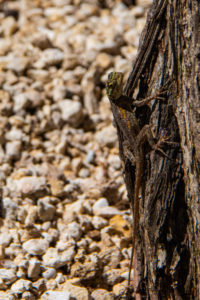
“Small brown lizard clinging to rough tree bark, blending into the wood above a gravel background.”🦎 Anoles: Tiny Speed Demons

Back at the condo, the local residents were anoles — tiny green and brown lizards that zipped around like they were late for a meeting. They were adorable, lightning‑fast, and endlessly entertaining. The locals didn’t seem impressed, but I loved watching them skitter across the patio like miniature athletes.

🦎 Iguanas Everywhere: Key Largo Edition

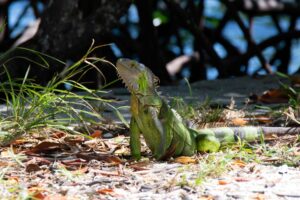
Several years later, I returned to Florida and headed for Key Largo. That’s where I truly met“Green iguana resting on the ground among dry leaves and tree roots, with blue water visible in the background.” the iguana population — and wow, did they make an impression.
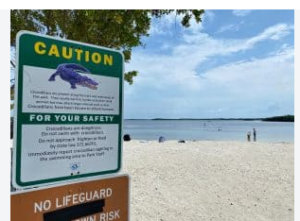
I spent most of my beach time at Pennekamp Park. The sand was fine, but the water footing was pure coral punishment. Lining the beach were trees, picnic tables, and iguanas. Big ones, small ones, green ones, orange ones — a whole rainbow of reptiles just living their best lives.

No one seemed to pay them any mind, but if you weren’t careful, they’d absolutely steal your lunch. Florida wildlife doesn’t play.

🐊 Other Scaly Things: Alligators

“Beachside caution sign warning about alligators and crocodiles, with white sand and visitors near the shoreline in the background.”Of course, the biggest lizards in the area weren’t iguanas at all — they were alligators. Signs everywhere warned visitors not to swim with them, but the park still had a roped‑off swimming area, and plenty of people went in and out of the water like it was no big deal.
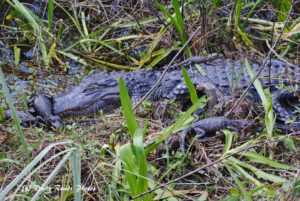
 

I even braved it myself to test out my new snorkeling gear. I never saw an alligator there… although I did see one while swimming with manatees. We didn’t realize it was lurking nearby until we were safely back on the boat. Since I prefer returning from vacations with all body parts intact, I’m very glad I didn’t know about that gator while I was still in the water.

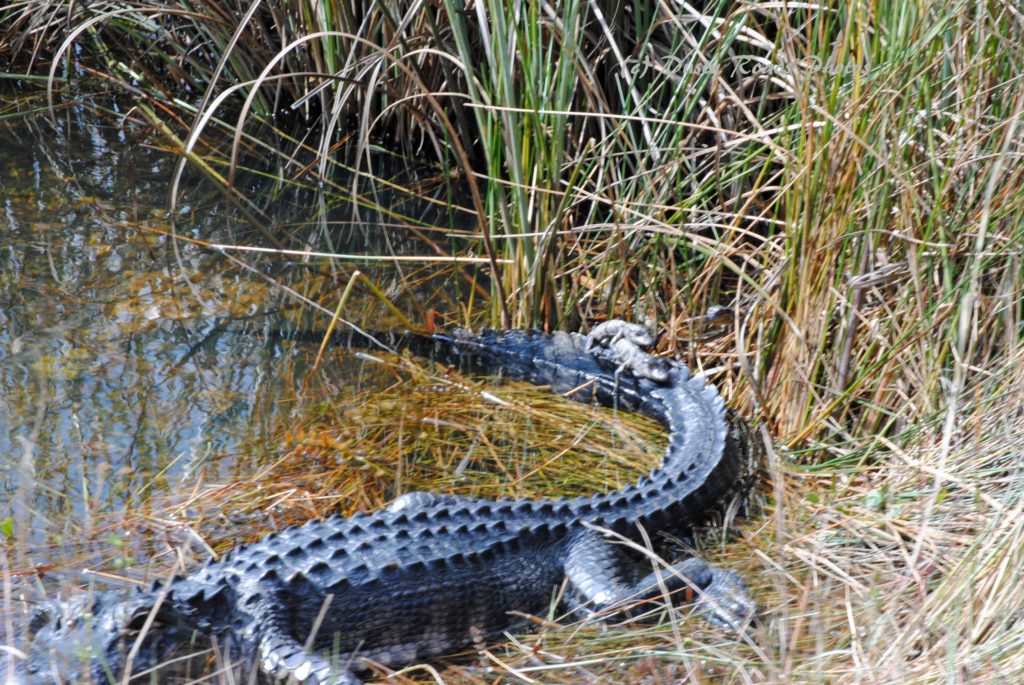
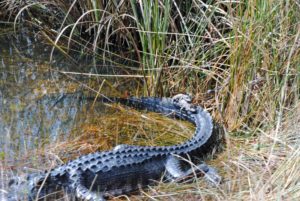
“Alligator lying in tall green grass and wet vegetation, partially hidden by plants in a marshy habitat.”

🦎 Final Thoughts

I’ve heard iguanas make good pets — and I guess that’s true, considering the one I saw on a leash. But personally, I prefer the soft, furry kind of animal. Still, it’s always a thrill to see these scaly characters in the wild and learn a little more about their world.

“Two cats sitting on a carpeted floor near a window, one orange and one black, with a beige multi‑level cat tree behind them.


Beyond the Mouse: A Real Traveler’s Guide to Florida


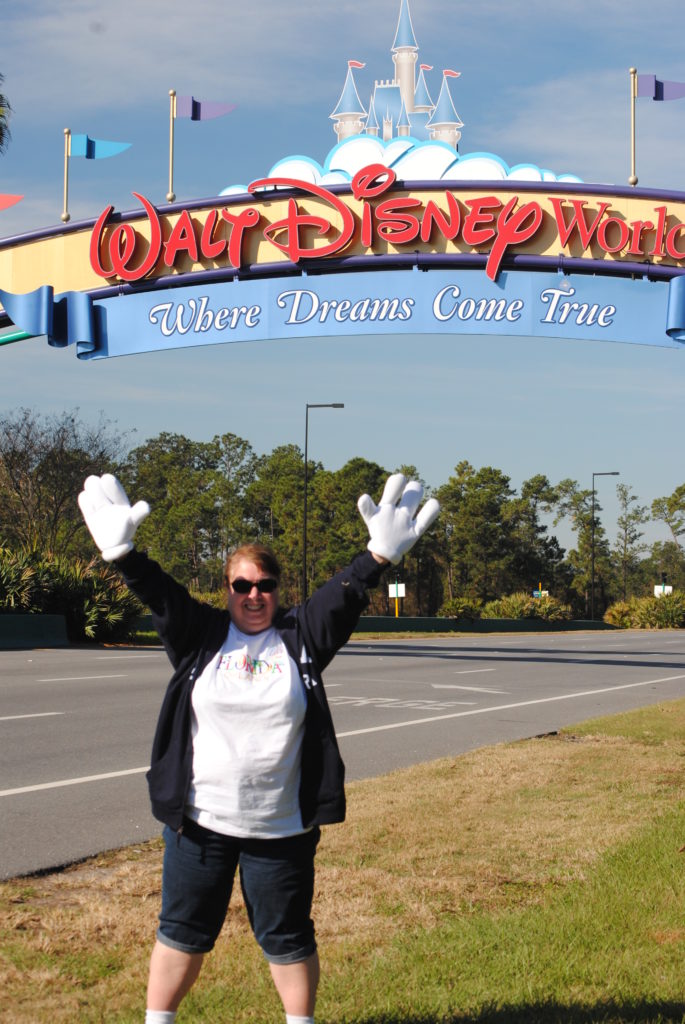
A woman wearing oversized white cartoon gloves, sunglasses, a white shirt, and a dark jacket stands on a grassy roadside with her arms raised in front of the Walt Disney World entrance sign that reads “Where Dreams Come True.” Colorful flags and a castle graphic top the sign, capturing a playful and celebratory moment at the park entrance.

Don’t try this yourself. It’s illegal!

The Happiest Place on Earth… and the Sweatiest

Rats and Mice on barrelsLet’s talk about that tourist trap known as the Happiest Place on Earth — Disney World. I’m not anti‑Disney or anti‑mouse. Mice can be adorable, and who’s cuter than Mickey and Minnie? But Florida is hot, and if you take your vacation in the summer, you can add humidity thick enough to swim through.
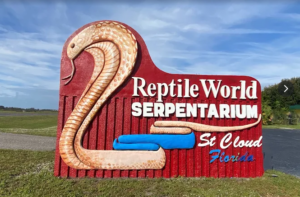
And then there are the lines. Disney tried to make things better with FastPass, but I’m not convinced it helped much. Don’t get me wrong — Disney is an amazing place. I once dragged my friend and her kids there because I thought it would be magical. Spoiler: it wasn’t. The kids whined, the adults wilted, and it turned into one of the most exhausting vacations I’ve ever taken.

Ironically, the big hit of that trip wasn’t Disney at all — it was the Serpentarium. Cheaper, cooler, and the kids loved every minute.

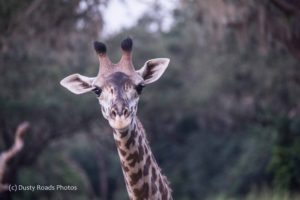
My Disney Resume (and Why Animal Kingdom Wins)Giraffe

I’ve been to Disney World more times than I can count. My favorite part? Animal Kingdom, for obvious reasons. You get to rumble around in an old safari truck and see genuinely amazing animals. It’s the closest thing Disney has to real adventure.

I’ve also been to Disneyland in California — the original. But honestly? It’s a shadow of the Florida version. If you’re a roller‑coaster person, maybe it’s worth it. But the price tag… let’s just say you shouldn’t need a second mortgage to ride Space Mountain.

The Real Florida: Wild, Wet, and Full of Gators

So what’s truly fun in Florida? For me, it’s the Everglades.

Alligators are everywhere — so common you practically have to watch where you step when you get out of your car. And if you want cute? There’s nothing quite like a mama gator with her babies riding on her back. Alligators are surprisingly good mothers. They guard their nests, stay close to their hatchlings, and the babies even chirp to call their moms.

Shark Valley: Wildlife, Science, and Shade
If you enter the Everglades at Shark Valley, you can take a tram tour led by a biologist who points out everything from alligators to Wood Storks to the occasional deer. They explain the terrain, the ecosystem, and the challenges the Everglades face today. And best of all — it beats walking in the heat.


Holiday Park and the Gator Boys

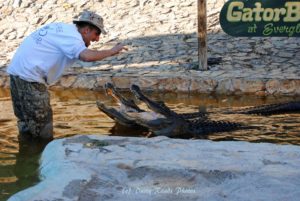
Another fun stop is Holiday Park, once home to the Gator Boys TV show on Animal Planet (2012–2014). They still host alligator shows, and you can hop on an airboat right from there.

Airboats: Florida’s Version of a Thrill Ride

Airboat rides are one of the best ways to experience the Everglades. They’re fast, breezy, loud, and ridiculously fun. The operators slow down to point out wildlife, especially gators. Honestly, it’s almost as much fun as a log ride at Disney — maybe even better.

Final Verdict

Visiting the Mouse is fine. It’s fun, it’s iconic, and everyone should experience it at least once. But me? I’d go back to the Everglades any time. That’s where Florida really comes alive.

Mickey Mouse

National Geographic’s 7 Natural Wonders of America


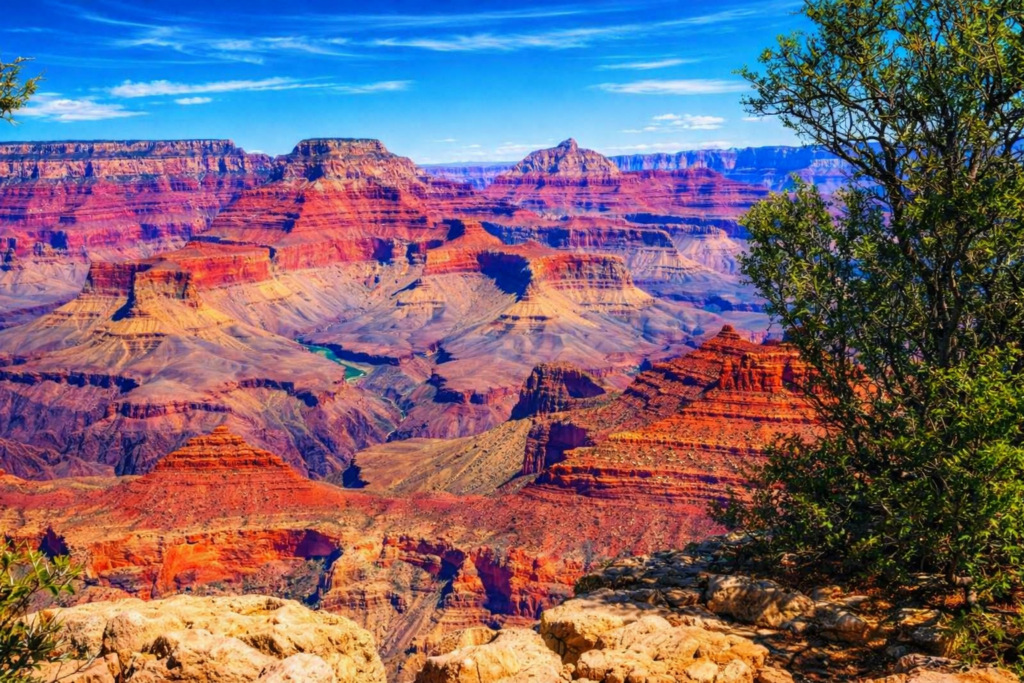
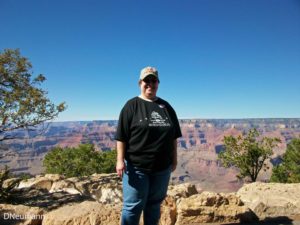
Wide view of the Grand Canyon showing layered red, orange, and tan rock formations under a clear blue sky. A green tree frames the right side, and sunlight highlights the canyon’s depth and geological details.”

Photo Credit Deb Neumann

What Wonders Await When You Dare to Explore

National Geographic has named seven Natural Wonders of America. It made me pause for a moment and ask myself: Have I explored any of them? As it turns out, I’ve been fortunate enough to experience many of these extraordinary places firsthand.

On the South Rim, Grand Canyon 2008

1. The Grand Canyon — “The Big Ditch”

This destination of a lifetime cannot be fully described. It can be photographed, painted, and praised by poets, but nothing prepares you for the awe of seeing it in person — whether for the first time or the fifth. Eighteen miles wide and over a mile deep, its scale is almost more than the mind can grasp.

I’ve seen it. I’ve stood at the edge and felt that dizzying thrill of peering into the vastness. It takes your breath away every single time.

2. Coastal Redwoods

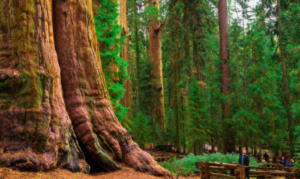
I have not yet explored the giant sequoias and redwood forests that stretch along the misty northern California coast. I’ve seen enormous trees in other places — including the sprawling banyan trees of Hawaiʻi — but a trip to California’s Redwood forests still waits on my list.

3. Niagara Falls

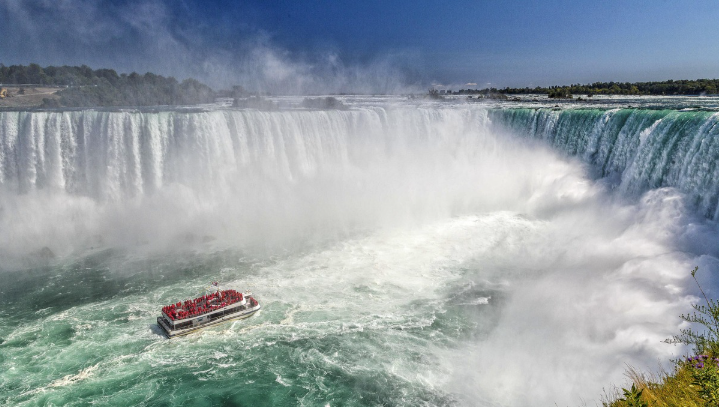
Truly one of the Wonders of America, Niagara Falls straddles the border between Canada and the USA — a cathedral carved by water and time. The Maid of the Mist heroically plunges into the wild waters at the base of the falls, where the world becomes wind and spray. Down there, the air itself is alive, whipped into motion by the thunderous plunge of millions of gallons of water. Gusts rise and swirl like invisible wings, tugging at your clothes and reminding you that nature still knows how to roar.

If this sounds like I’ve been there, it’s because I have. I’ve seen and felt the power of the falls up close and personal. It is truly a Natural Wonder and one not to be missed.

4. Appalachian Mountains

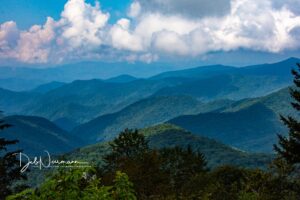
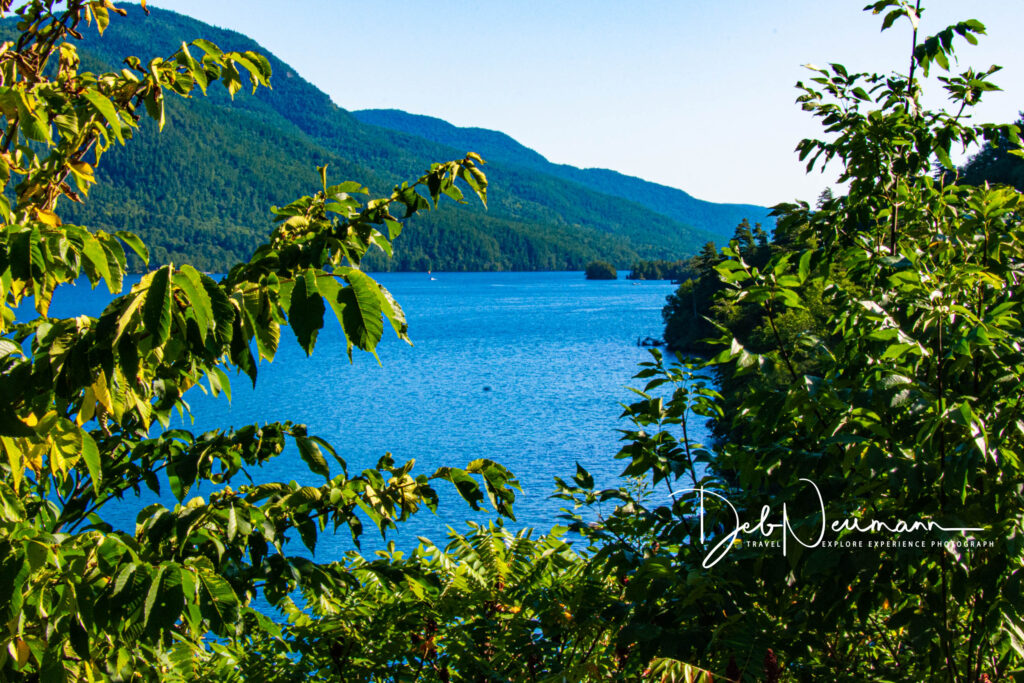
The Appalachian Mountains stretch roughly 2,000 miles from Alabama to Canada. I grew up in the Adirondack Park, on the shores of Lake George, never realizing that the mountains around me were part of a story far older and wider than my childhood. The Appalachians form a quiet backbone across the eastern states — through the soft Berkshires, the misty Catskills, the deep greens of the Smokies, and the sharp granite of the White Mountains.

The Appalachian Trail threads through many of these ranges, a long wandering line that eventually reaches Maine. When you grow up surrounded by mountains, you don’t always see them as wonders. They’re just there — the shape of your horizon, the backdrop of your summers, the steady presence behind every memory. Only later do you understand that you were living inside an ancient world without ever needing to look for it.

People travel from all over to experience these unspoiled mountain parks. But I grew up in them.


5. The Everglades

The Everglades is a slow — very slow — moving river in subtropical Florida. It’s a mix of fresh and salt water and home to an astonishing diversity of wildlife: wading birds with enormous wingspans, prehistoric reptiles like alligators and crocodiles, and rare creatures such as sea turtles, the Miami-blue butterfly, and the elusive Florida panther.

What most people don’t realize is that the Everglades is not just a national park — this ecosystem covers one-third of the entire state. It encompasses nine distinct habitats, from mangroves to sawgrass prairies.

Today, the Everglades faces threats from invasive species like Burmese pythons, which thrive in the warm climate and have no natural predators. Still, I’ve been there. I love it — even in the heat and humidity — and I would go back in a heartbeat. It’s wild and beautiful.

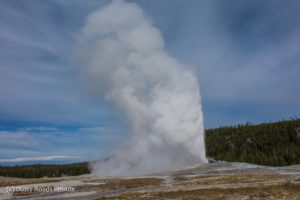
Old Faithful Erupts6. Yellowstone National Park

Another of my favorite places. When you realize you are walking, hiking, and driving inside the caldera of an enormous volcano, it can boggle the mind. Hot springs, bubbling mud pots, steaming geysers — everywhere you turn, you’re surrounded by nature’s raw power.

And then there’s the wildlife: deer, elk, bison, pronghorn, wolves, bears, coyotes, and foxes. If you love wild creatures, you are in the right place.


I’ve been to Yellowstone, and even after a week of exploring, I only scratched the surface of its wonders.

7. Hawaiʻi Volcanoes

I love all the places on National Geographic’s list, but Hawaiʻi’s volcanoes hold a special place in my heart. From Haleakalā — the House of the Sun — to Hawaiʻi Volcanoes National Park with the very active Kīlauea, these landscapes take my breath away.

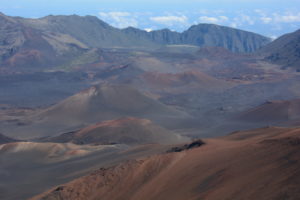
Haleakalā is a beautiful moonscape of ochre and red cinder cones. Often a shifting layer of clouds lies between you and the valley floor.

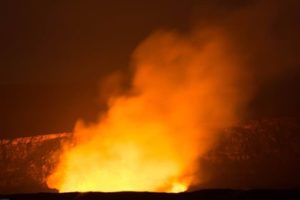
Kīlauea erupted almost continuously for 35 years, reshaping the island with lava flows and glowing lakes of molten rock. I’ve missed most of her dramatic displays — she’s been quiet during my visits — but I’ve walked through a lava tube and seen the red glow from the crater. Maybe someday Pele will show herself when I’m there.

A Grateful Journey

And that’s the list, according to National Geographic. Writing about these places has been a wonderful trip down memory lane. I have so much to be thankful for — to have visited so many of America’s most wondrous landscapes.

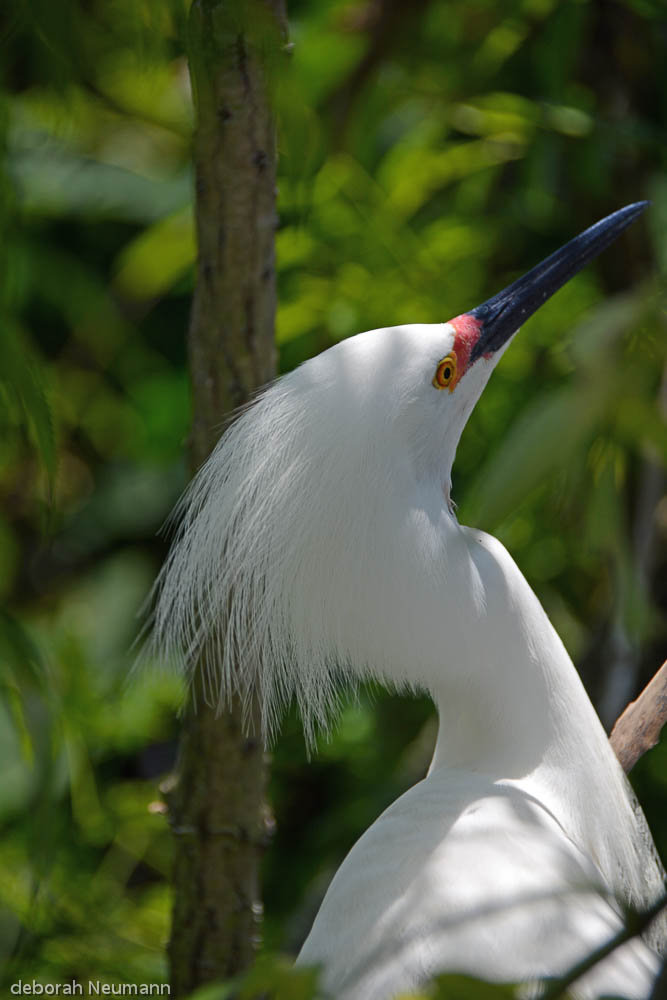
Egret, Florida


Jigsaw Puzzle Update

The Bird Jigsaw Puzzle Update

Brought to you by  popular demand is my Jigsaw Puzzle update. The Bird Jigsaw Puzzle is proving to be a challenge. As you recall a few weeks ago I was excited to share that I had used my pictures to have 4 – 1000 piece jigsaw puzzles made up.


For photos I chose a mountain in Grand Teton National Park, A Sunflower with a butterfly, and a seal with a fish. The last photo I chose was of a Bird. A purple Gallinule to be exact taken in the Everglades.

Purple Gallinule

I thought is would have a lot of detail to make the puzzle easier but my friends thought this would be the hardest of the 4.

Progress is slow But Steady

With my friend’s observations in mind I decided to tackle the bird first to see just how hard it was. Of course I’m a little rusty with jigsaw puzzles. I’ve had cats for over 20 years and during that time I gave up the puzzles. My cats were just too helpful. I hated little cat teeth-marks in the pieces. Needless to say things are moving a bit slower than I expected. I got the border done quickly but I’m running into trouble finding the inner bits on the corners.  Still I don’t spend hours working it. Its more like 15 minutes here, a half hour there. I try to spend a little time on it every day but I’m not obsessive. After all, I’m in no hurry.


I’m getting lots of little combos so once I figure out where they go the puzzle will start to move faster.

The Felt Mat

I was complaining to my friend JR that the pieces  were hard to identify against the wood grain of the table. He told me about the puzzle mats. I’d never heard of them. They aren’t expensive and they do make puzzle-ing easier. The pieces tend to stay in place once they are snapped together. According to the instructions on the box you can roll up the mat with the puzzle on it and it will keep the puzzles in place. The box included an inflatable cylinder around which you roll the felt with the puzzle. I haven’t tried rolling it up yet. I think I’ll wait until it’s finished before I try that.