My Brain Saw a Dance Troupe. What do you see?


The Water Lily Harvest of the Mekong Delta

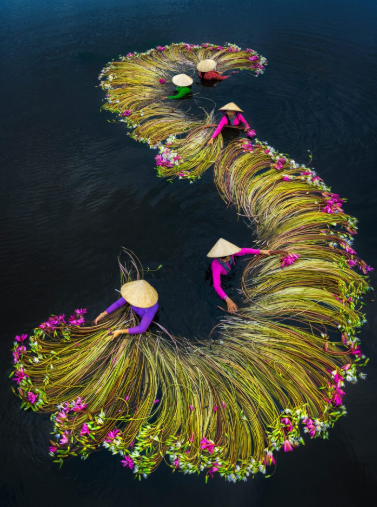
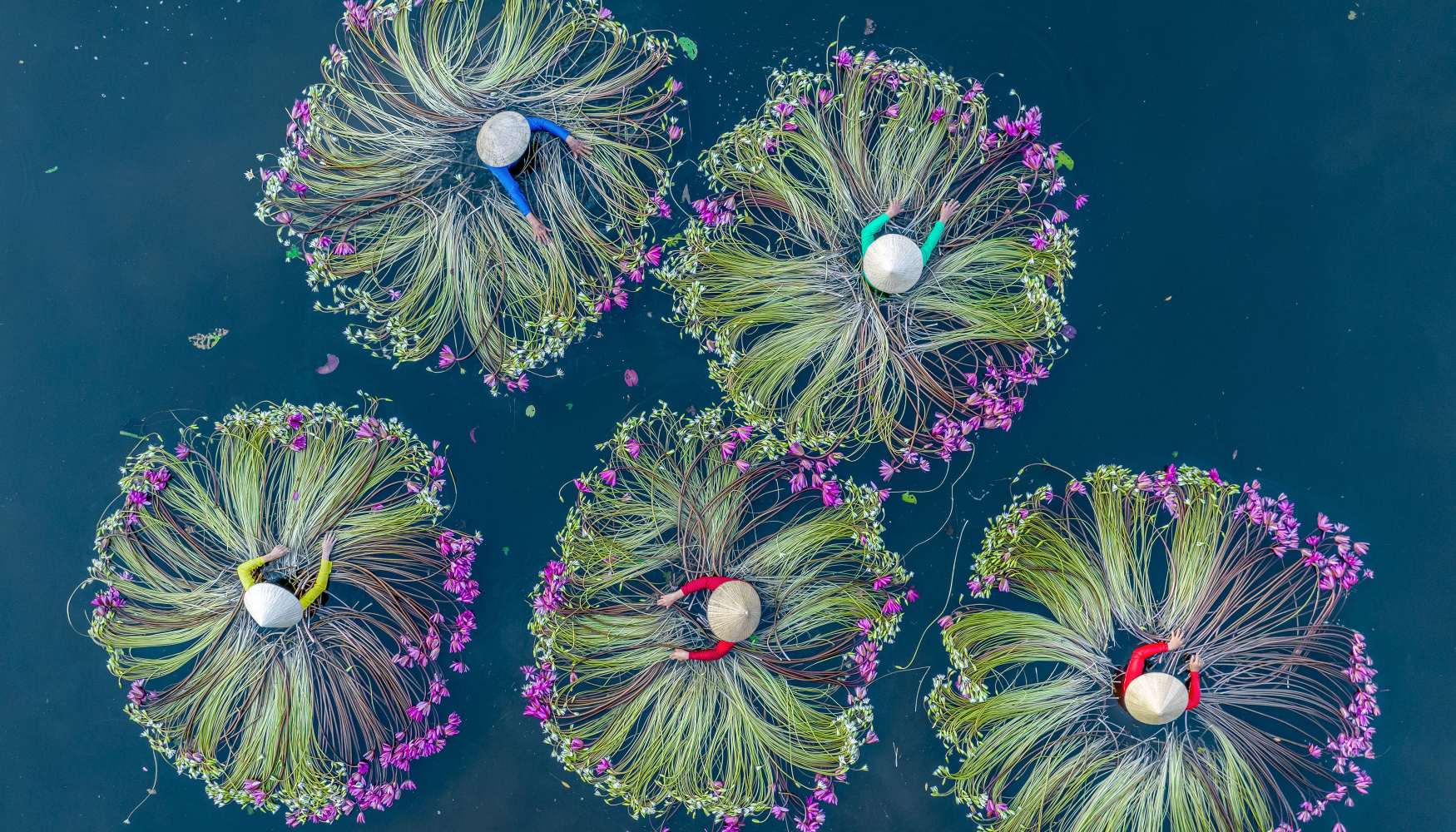
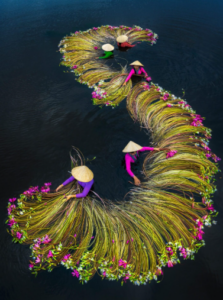
When I first looked at this picture, my brain took a hard left turn. I thought I was seeing dancers in swirling grass skirts, caught mid‑spin in some kind of joyful festival. I wasn’t even close. Now that I know what’s actually happening, I can kind of see it — but if you’d left me to guess, I’d still be insisting it was a troupe of performers twirling in unison. I did manage to get two things right: they are dancers of a sort, and it is an aerial view. Everything else? Not so much.

What you’re really looking at is the annual water lily harvest in Vietnam’s Mekong Delta — a tradition as beautiful as it is practical.
A Seasonal Ritual in the Delta

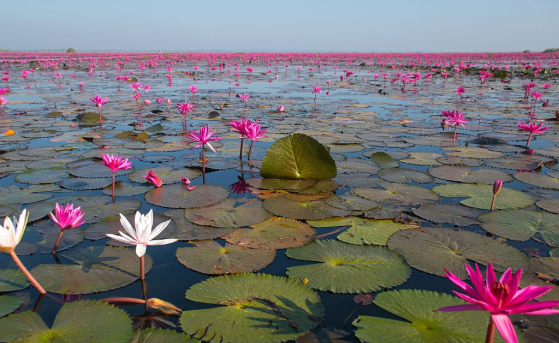
Each year, when the southern Vietnamese rice fields flood between August and November, the waterways transform into vast gardens of long‑stemmed water lilies. These blooms — usually pink or white — rise to the surface in spectacular numbers, turning the flooded landscape into something that looks almost otherworldly. For generations, families in the region have relied on this seasonal abundance. The harvest isn’t just a job; it’s a cultural rhythm woven into the life of the Delta.

How the Harvest Works

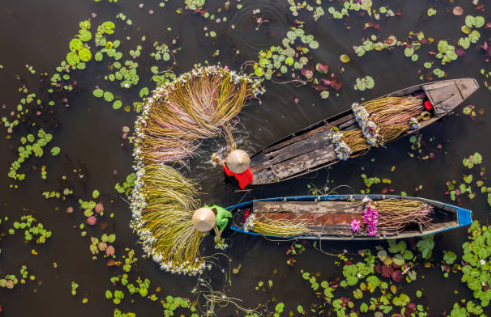
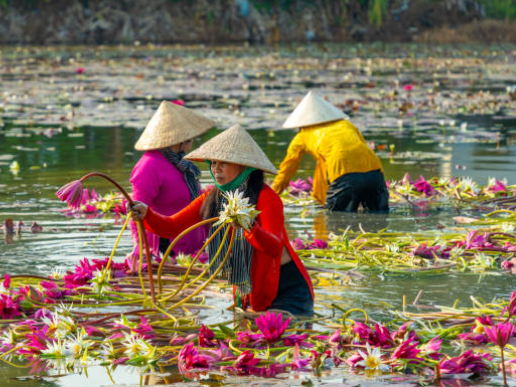
At first glance, the workers look like they’re performing a choreographed dance, and honestly, the comparison isn’t far off. Wearing traditional conical hats, they wade waist‑deep through the water, gently pulling lilies from the shallows. The long stems are gathered into spiraling bundles — the “skirts” you see in the photo — and floated beside small wooden boats. The process is slow, careful, and surprisingly graceful. Every movement is deliberate, shaped by generations of practice and an intimate understanding of the waterways.
More Than Just a Pretty Flower

Water lilies hold a special place in Vietnamese culture. They’re used for decoration, of course, but they also show up in the kitchen. The stems add a crisp, slightly tangy note to local dishes, especially the region’s beloved sour soup. Nothing goes to waste. The harvest season also brings communities together. It’s a time when traditions are passed down, families work side by side, and the Delta’s way of life is celebrated. In recent years, the sight of the harvest — with its vivid colors and mesmerizing patterns — has drawn photographers and travelers from around the world.
Supporting Local Livelihoods

Beyond the beauty, the water lily harvest is an important source of income. The flowers and stems are sold in markets throughout the region, helping sustain families who depend on seasonal work. Tourism has added another layer of economic support, as visitors come to witness the harvest and explore the Delta’s unique landscape.

A Living Portrait of the Mekong Delta

The water lily harvest is one of those rare traditions that blends necessity, artistry, and cultural heritage. It’s a reminder of how closely the people of the Mekong Delta live with the rhythms of nature — and how something as simple as a flower can shape a community’s identity. If you ever find yourself in southern Vietnam during the early morning hours of harvest season, you’ll see the lilies at their most vibrant. And who knows — you might even catch yourself mistaking the workers for dancers too.
 

The Whispering Grasslands: Do Plants Communicate?

🌾 The Whispering Grasslands: Do Plants Communicate?

Beneath the rustle of prairie winds and the hush of meadow mornings, a quiet conversation unfolds—one we’re only just beginning to understand. The idea that plants can “talk” may sound like something out of a fantasy novel, but science and folklore alike suggest that the grasslands are far from silent.

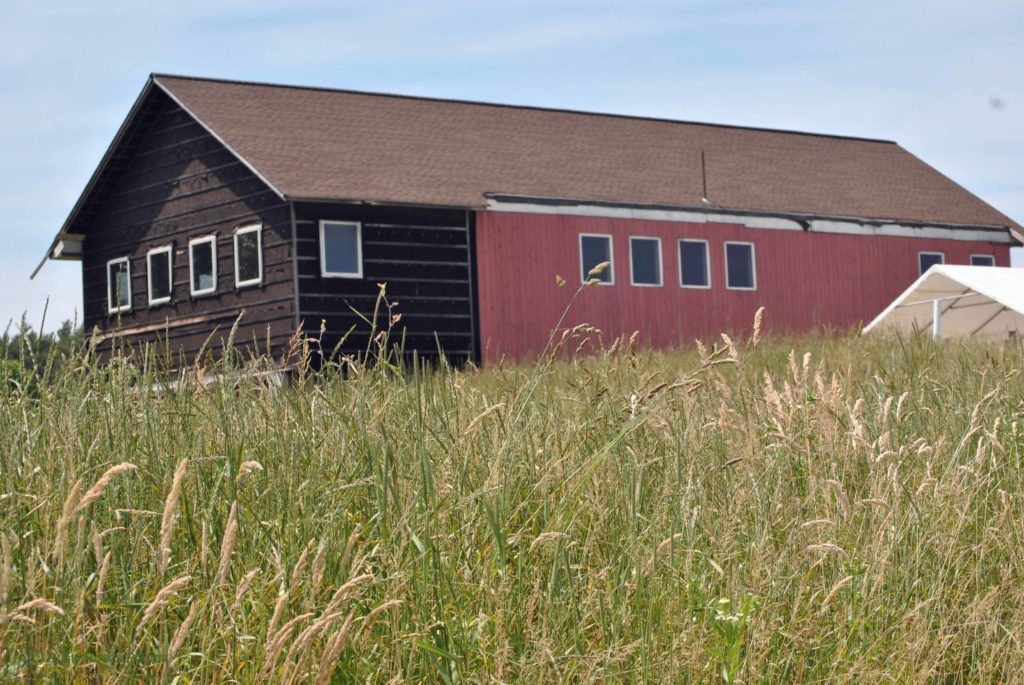
photo credit Deb Neumann


🌱 Rooted in Connection: The Science of Plant Communication

Recent studies reveal that plants aren’t the passive green statues we once thought. They send chemical signals through the air and electrical impulses through their roots. Some highlights:

  • Volatile Organic Compounds (VOCs): When under attack by pests, plants release airborne chemicals that warn nearby neighbors to prepare their defenses.
  • Mycorrhizal Networks (“Wood Wide Web”): Underground fungal threads connect plant roots, allowing them to share nutrients and even distress signals.
  • Touch and Light Responses: Vines reach toward supports, sunflowers track the sun, and mimosa leaves fold when touched—each movement a form of response.
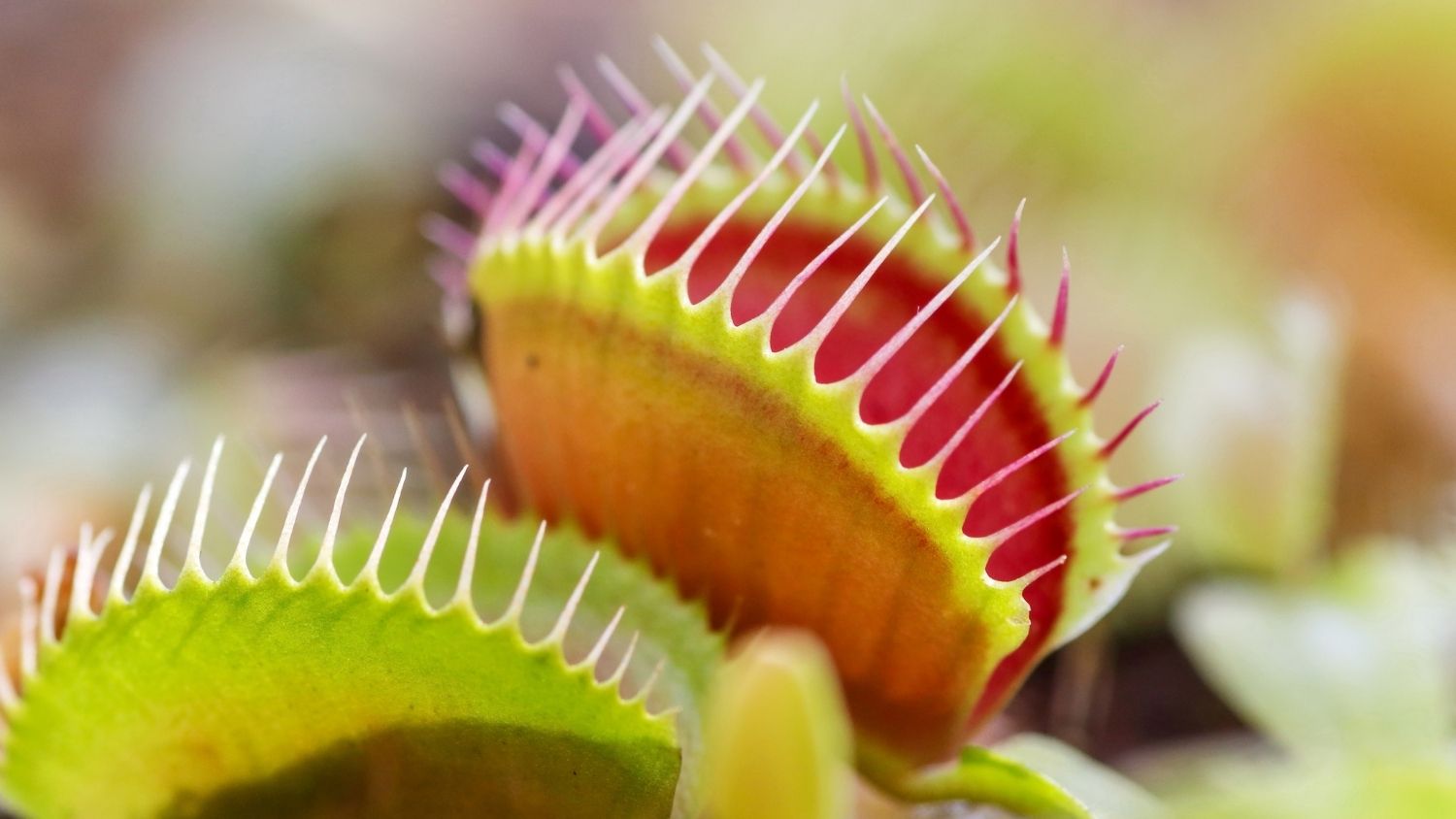
5 Things You Didn't Know About Venus Flytraps | College of ...

Touchy Venus Flytrap- photo internet

It’s not speech as we know it, but it’s communication nonetheless.

🌾 Folklore & Whispered Legends

Long before science caught on, storytellers sensed something magical in the way plants behaved:

  • Native American traditions often speak of plants as sentient beings with spirits and wisdom to share.
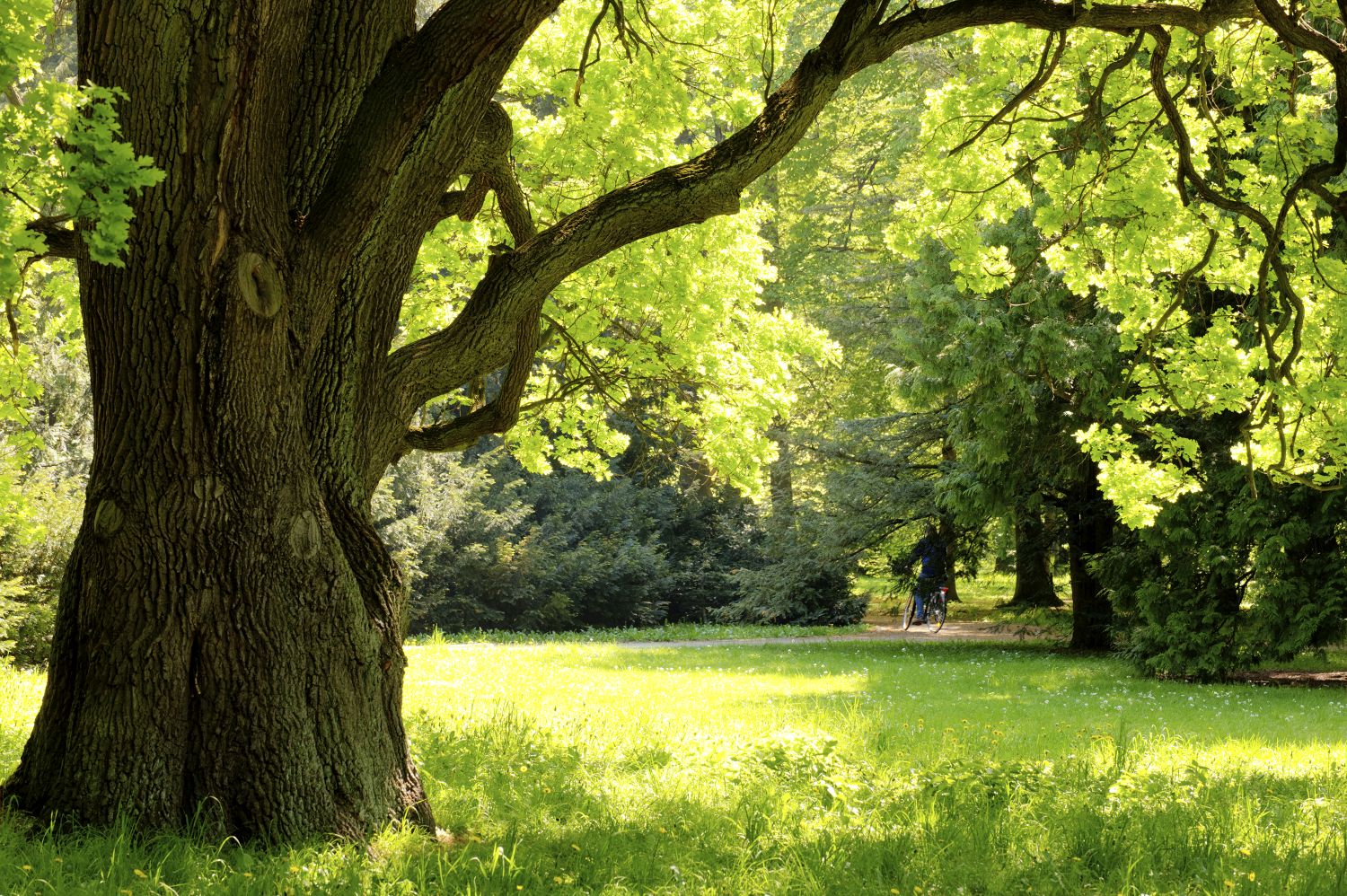
  • In Celtic lore, sacred groves were places of communion—where trees were believed to murmur secrets to those who listened.
  • Even modern gardeners talk to their plants, believing that kindness helps them thrive. Maybe it’s not so far-fetched.
Sacred Trees of the Celts and Druids

Sacred tree of the Celts- photo internet

🐜 Eavesdropping on the Meadow

Next time you walk through a field, pause. Notice how the grasses lean toward each other, how wildflowers seem to bloom in clusters, how the breeze carries more than just pollen. Could it be that the plants are whispering?

Maybe they’re warning of a hungry rabbit. Maybe they’re celebrating the rain. Or maybe they’re simply saying hello.

Photo credit Deb Neumann


🌻 Closing Thought

The grasslands may not speak in words, but they hum with life, intention, and quiet intelligence. If we learn to listen—not just with ears, but with curiosity—we might finally hear what the earth has been saying all along.

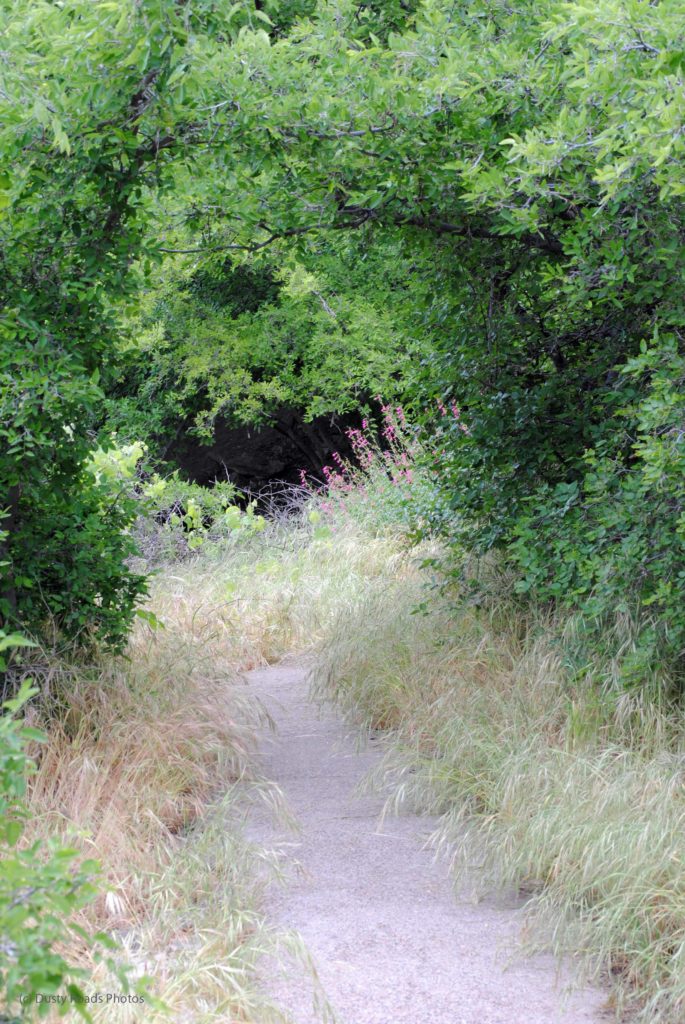
Quiet Trail in Sedona- photo credit Deb Neumann


A Tribute to Nature’s Golden Smiles

🌻 Celebrating National Sunflower Day: A Tribute to Nature’s Golden Smiles

Every year, National Sunflower Day bursts onto the calendar like a ray of sunshine, reminding us to pause and appreciate one of nature’s most cheerful and iconic blooms. Whether you’re a gardener, a flower enthusiast, or simply someone who loves a good dose of positivity, this day is a golden opportunity to bask in the beauty and symbolism of sunflowers.


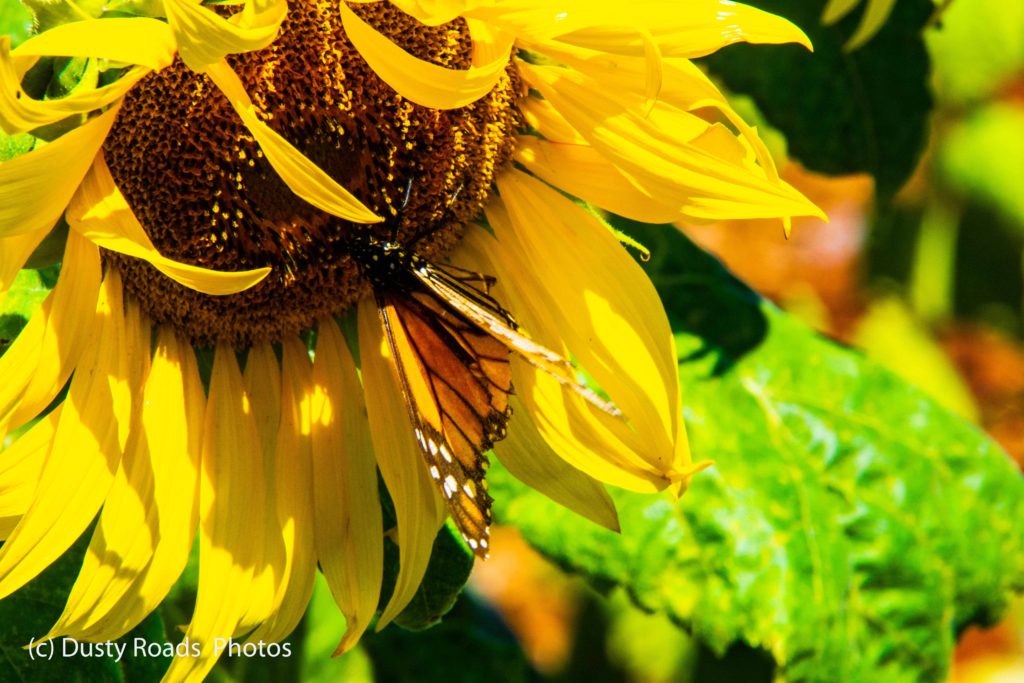
Sunflower and butterfly 2018 photo credit Deb Neumann

🌞 Why Sunflowers Deserve Their Own Day

Sunflowers aren’t just pretty faces in the garden—they’re botanical powerhouses with deep cultural, ecological, and emotional significance:

  • Symbol of Positivity: With their bright yellow petals and sun-chasing behavior (heliotropism), sunflowers symbolize happiness, optimism, and warmth.
  • Pollinator Paradise: Bees, butterflies, and other pollinators flock to sunflowers, making them essential for biodiversity.
  • Edible and Useful: From sunflower seeds to sunflower oil, these plants offer nutritional and practical benefits.
  • Artistic Inspiration: Think Van Gogh’s iconic sunflower series—these blooms have inspired countless artists and creatives.
Van Gogh's Sunflowers

Stock

🌻 How to Celebrate National Sunflower Day

Whether you’re going big or keeping it simple, here are some joyful ways to honor the day:

1. Plant Sunflowers

Start your own sunflower patch! They’re easy to grow and come in a variety of sizes and colors—from towering giants to petite varieties perfect for containers.

2. Visit a Sunflower Field

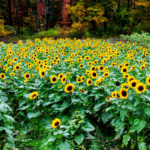
Many farms open their sunflower fields to the public during blooming season. It’s a perfect photo op and a serene way to connect with nature.

Sunflowers

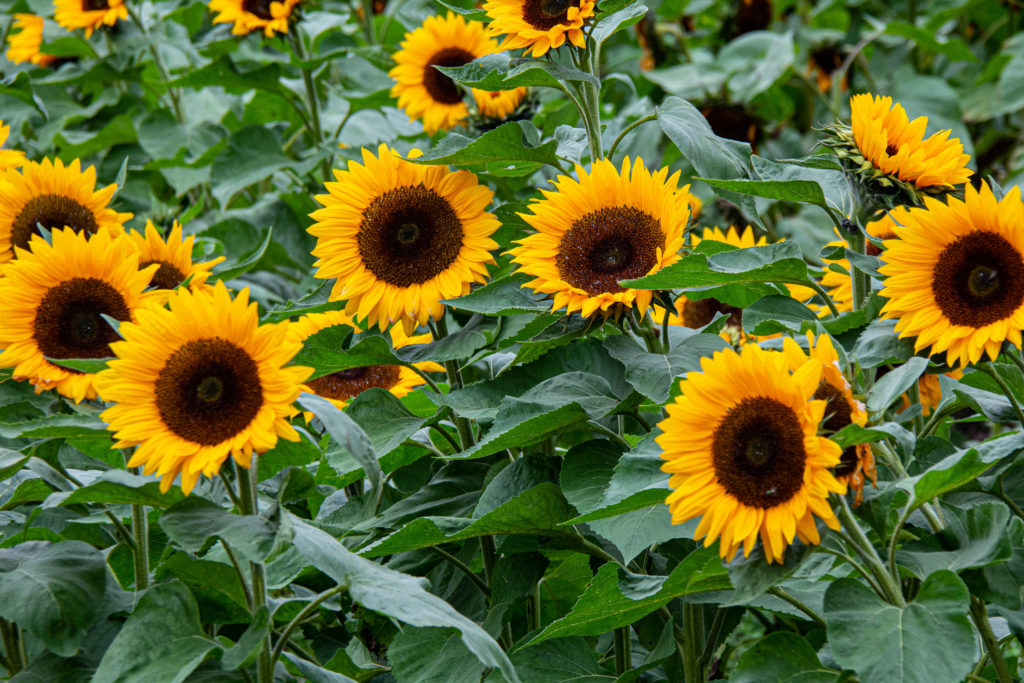
Field of Sunflowers photo credit Deb Neumann


3. Create Sunflower Art

Paint, draw, or craft something inspired by sunflowers. It’s a great activity for kids and adults alike.

4. Share the Sunshine

Gift a bouquet of sunflowers to a friend, neighbor, or loved one. Their vibrant presence can lift spirits and brighten any room.

5. Learn and Reflect

Read up on the history, symbolism, and science behind sunflowers. You might be surprised by how much depth lies behind those golden petals.

🌼 Fun Sunflower Facts

  • Sunflowers can grow over 12 feet tall!
  • They’re native to North America and were cultivated by Indigenous peoples long before European settlers arrived.
  • A sunflower head is made up of thousands of tiny florets, each capable of producing a seed.

🌻 Final Thoughts

National Sunflower Day is more than just a celebration of a flower—it’s a celebration of joy, resilience, and the simple beauty that surrounds us. So whether you’re planting seeds, snapping photos, or just soaking in the sunshine, take a moment to let the sunflower’s spirit brighten your day.

Happy Flowers

Happy Flowers photo credit Deb Neumann

Let’s spread the sunshine—one petal at a time.

It’s a Banner Year for Fall Colors

Fall Colors Abound

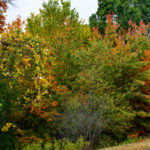
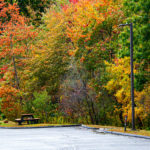
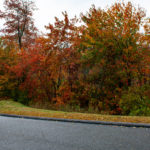
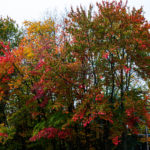
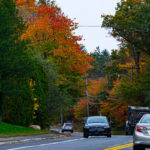
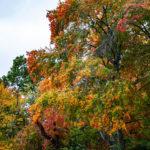
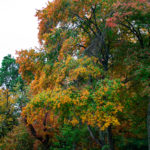
The fall foliage colors are amazing this year. Being in southern New England they just started turning this week but they began peaking last week in the more northern states. My cousin got to head north  to Maine and New Hampshire and shared some beautiful video on Face Book. If you have a minute you can check out her video here.    https://www.facebook.com/kathy.collins.7127/videos/10214903348962786/?t=0        In Southeastern Massachusetts we’ve had a no’reaster sitting off the coast of Nantucket all week. Lots of rain and high winds have made leaf peeping locally a bit of a challenge. Now if you like taking pictures in the rain- go for it. I’ve been a little too busy to mess with rain gear but it hasn’t stopped me from admiring the color changes.

Last Chance for 2019

Just as my cousin headed north for her vacation I’m heading south. I’m heading to the Florida Keys so today is the last chance I’ll have to get any fall foliage photos for this year. It looks like it’s stopped raining so maybe I’ll get lucky.  I think I can spare an hour to go poking around before I finish my packing. What do you think of these?

Leaf Peeping locally

I didn’t plan my vacation very well but it was the only time I could get in at the resort I wanted. Sometimes you just have to take what you can get. The newscasters have been talking about the colors along the Mohawk Trail this year and out toward the Berkshires. I won’t have time to make that drive but these photos from Raynham and Easton aren’t bad if I do say so. This is what I get to see everyday as I commute to work. Not a bad view. Of course I had to swing by the Norton Reservoir. That was always a pretty spot. It used to be on my drive when I worked in Foxboro.  I do miss that. I guess that’s all for now. Catch you all on the weekend.

Over Hill and Dale the Surprises Keep Coming

Flowering Lilly pads

Another Hill another Garden

As I started up the next hill I looked longingly at the water garden. It is such a beautiful peaceful place. So far it is my favorite garden but there’s so much more to see.

 Hydrangea Shrubs in Bloom

White Hydrangea

It’s summer in New England so hydrangea are in full bloom. They are everywhere. It seems every house has a hydrangea shrub in the yard A single l bloom like a pom pomsomewhere so of course the gardens were full of them. In fact, a whole section is dedicated just to these beautiful flowers. Did you know that the colors are determined by the PH level of the soil? I did not know this. I thought they were all different variations. Amid the profusion of blooms a gentleman sat quietly with paint and easel. What a wonderful sight. I wish now I’d taken his photo but I didn’t want to disturb him at the time.

Up and Down and Around

Leaving the hydrangea behind I headed down hill for a change. There was a bench at the bottom of the hill with a handicap sign. Under that was a placard that explained a tram would come by to pick you up if you wanted a ride. Ok then! Lets take the easy way and ride! It wasn’t long before an electric tram came silently along the path. When I climbed on the young driver played tour guide. He wanted to be sure I got to see everything I wanted. 

Next Stop a Carousel

Carousel

Brown Carved Carousel HorseAfter a few more turns and another hill we arrived at the end of the road. The tram was turned around and as I departed others loaded on for the return trip. This building housed the Carousel and the American Art Collection. I only had eyes for the Vintage Merry-Go-Round. It’s in gorgeous shape. The Carousel is an original Looff from 1908. It’s history is fascinating but more than I have space for here. You can follow this link to continue reading about this beautiful piece of Art.

 https://heritagemuseumsandgardens.org/exhibitions/1908-looff-carousel/

 White Carousel horse