Centralia, Pennsylvania: The Fire That Won’t Go Out

A Casual Conversation Sparks a Mystery

Recently, a friend and I were talking about places to live. He’d moved from the Taunton, Massachusetts area and was temporarily staying with people he knew in South Carolina. Things weren’t quite working out the way he expected, so naturally the conversation drifted to “best states” to live in.

We didn’t agree on many. He was eyeing Pennsylvania and West Virginia, while I leaned… elsewhere. When I mentioned Centralia, Pennsylvania, he looked at me blankly. He’d never heard of it. That surprised me—and got me wondering how many others have missed this strange chapter of American history.

Because Centralia isn’t just a dot on the map. It’s a cautionary tale, an environmental disaster, and today, a curious tourist attraction.


Good Intentions, Catastrophic Results

The story begins in 1962, when Centralia’s city council met to discuss cleaning up a strip‑mine dump. At the time, using abandoned mines as landfills wasn’t unusual. Lighting them on fire, however, was a known risk—especially in coal country.

Still, the council hired five volunteer firefighters to clean up the landfill and burn off the trash. On May 27, 1962, they set the fire, doused the visible flames that evening, and assumed the job was done.

It wasn’t.

Flames kept reappearing. The fire crew returned again and again, but something underground had already gone terribly wrong. While bulldozing debris, workers had unknowingly exposed a hole filled with combustible material—an open doorway into the maze of old coal seams beneath the town. Once the fire slipped into that labyrinth, it became unstoppable.
A Town Lost to the Flames

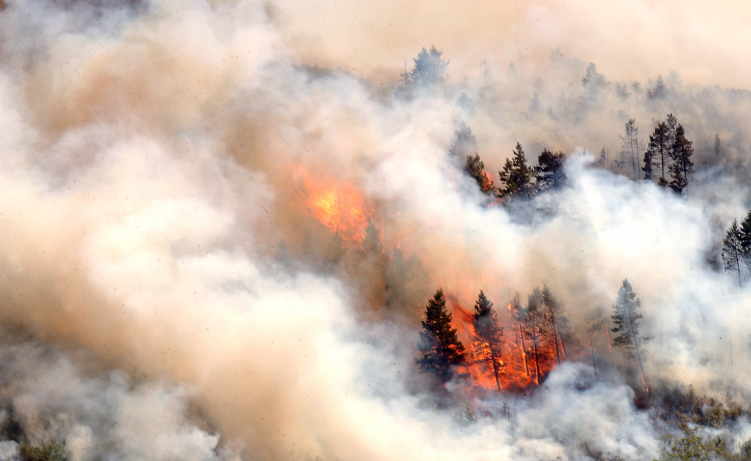
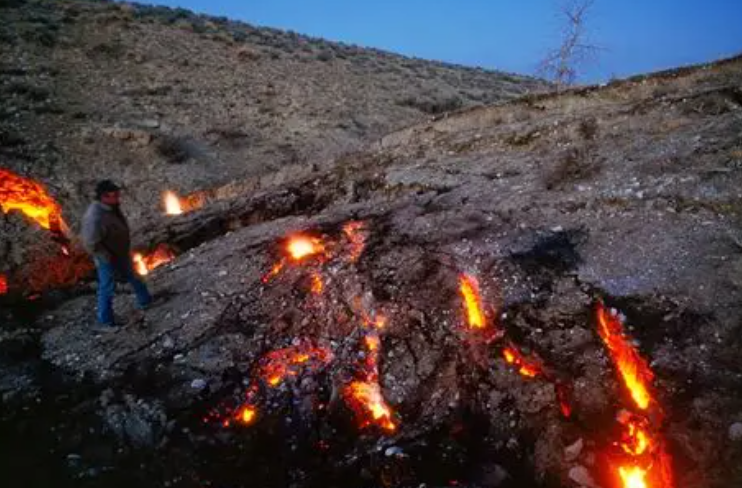
More than sixty years later, the Centralia mine fire still burns. Experts believe it could continue for centuries. The ground above it has cracked, collapsed, and vented smoke. Most residents relocated long ago, leaving behind empty streets, a handful of determined holdouts, and a ghost town that draws curious visitors from around the world.
Not the Only Eternal Flame

Coal seam fires are notoriously difficult to extinguish. Some burn for thousands of years. Australia’s Burning Mountain has been smoldering for an estimated six million years.
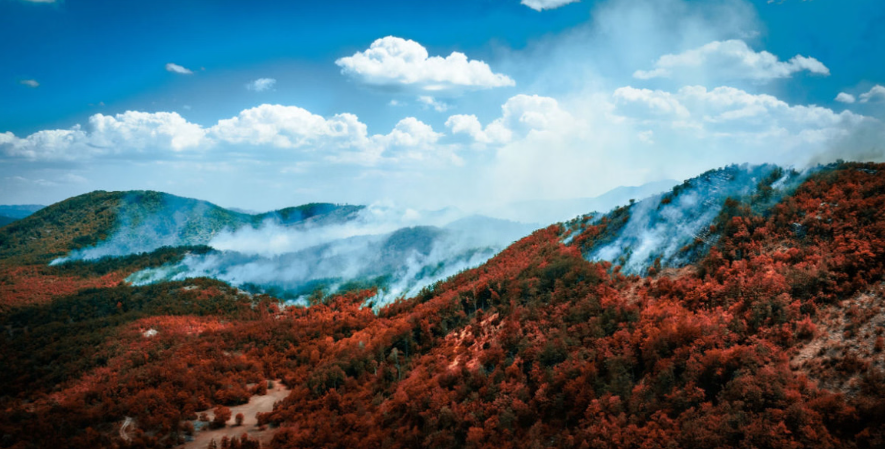
Even Pennsylvania—rich in coal—has multiple active mine fires beyond Centralia, including long‑burning sites in the Powder River Basin.

Myth or Truth? Absolutely True.

Centralia isn’t an urban legend or a campfire tale. It’s a real place with a real fire still burning beneath it. And if my friend hadn’t heard of it, I’m guessing plenty of others haven’t either.

Maybe that’s why stories like this matter—they remind us how easily good intentions can ignite something far bigger than anyone ever imagined.
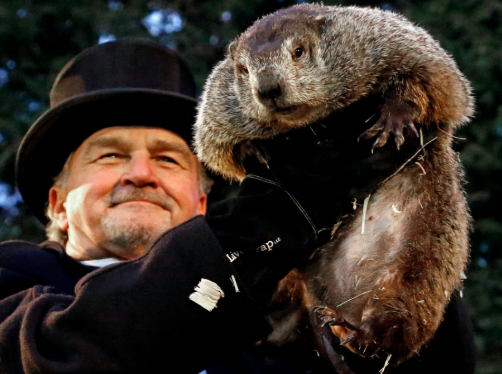

 

Groundhog Day, The Legend Continues


Groundhog Day: Shadows, Legends, and One Very Busy Groundhog

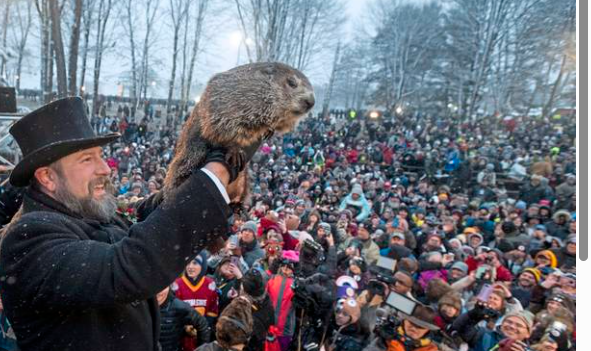
If you woke up this morning and thought, Wait… is it Groundhog Day already? — you’re in good company. February sneaks up on all of us, but Punxsutawney Phil never misses his cue. Today is the day we turn our eyes to Gobbler’s Knob and wait for the world’s most famous meteorological rodent to decide our seasonal fate.

A Legend Born in the Shadows

Punxsutawney Phil has been predicting the arrival of spring since 1887 — or so the legend goes. According to the Punxsutawney Groundhog Club, Phil is not just a groundhog but the groundhog, the same one for nearly 140 years thanks to a magical “elixir of life” lovingly administered each summer. Reality tells us groundhogs live about 14 years in captivity, but the story? The story insists Phil is eternal.

And yes — officially, there has only ever been one Phil. Unofficially? Let’s just say the Inner Circle keeps those details tucked tighter than their tuxedo collars.

From Candlemas to Gobbler’s Knob

Groundhog Day’s roots stretch back to Candlemas, when Christians brought candles to be blessed for good fortune through the rest of winter. German settlers later added an animal to the tradition — originally a hedgehog.

When they arrived in America and found no hedgehogs in sight, they turned to a plump, hibernating stand‑in: the groundhog.

Cue Punxsutawney Phil, stage left.

How Phil Makes the Call

Each February 2nd, Phil emerges from his burrow after a long winter’s nap:

  • Shadow spotted: six more weeks of winter
  • No shadow: early spring on the way

The ceremony draws thousands before dawn — fireworks, music, banquets, and a crowd that treats Phil like the furry celebrity he is.


Phil’s Family & Fun Facts

Phil isn’t alone in his weather‑predicting empire. He lives with his wife, Phyllis, and in 2024 they welcomed twins, Sunny and Shadow. He’s also met presidents, appeared on Oprah, and once wore a yellow ribbon in honor of American hostages.

Why We Keep Watching

Maybe Phil’s accuracy isn’t perfect (NOAA gently reminds us of that), but Groundhog Day isn’t really about meteorology. It’s about tradition, whimsy, and the joy of believing — even for a moment — that a small creature in Pennsylvania holds the keys to spring.

Honestly? On a cold February morning in New England, that’s exactly the kind of magic we need and if Phil wants six more weeks of winter, he can come shovel my walkway and explain himself.


UPDATE

Natural Wonders of the USA part 10

More Natural Wonders by State

When we last visited our Natural Wonders list we had just wrapped up Kentucky. We’re ready for  # 35 on our Natural Wonders list. How many have you seen so far? Have you added any to your must-visit list?  Let’s see where we are going next!


#35 Ohio – Crystal Cave

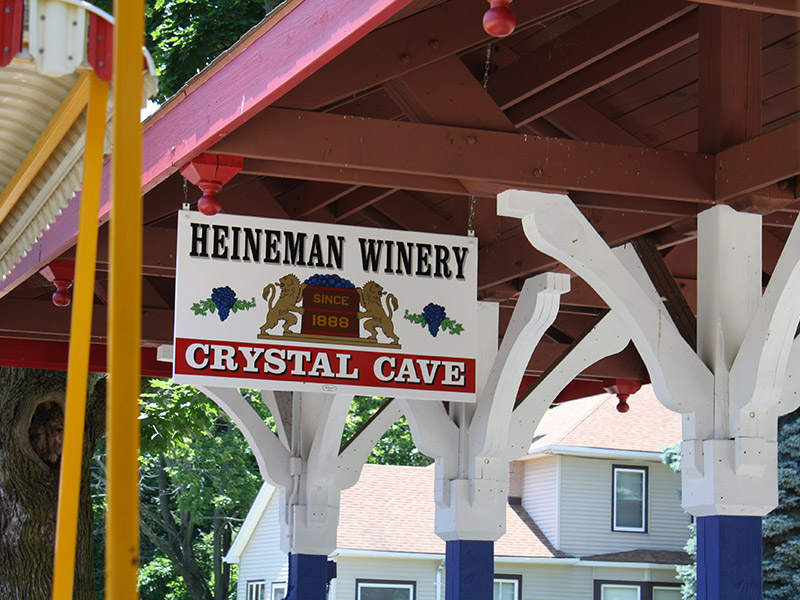
Well My, my my- Another cave. Who knew that being underground could be so exciting? I guess its something Spelunkers have always known. This cave is the world’s largest known geode

The Crystal Cave was discovered while the land owner was digging a well for his winery. So today you can combine some wine with a cave tour and take a bottle home with you to help relive the memories. 

Photo via Crystal Cave Website

File:Celestite (Crystal Cave, South Bass Island, Lake Erie, Ohio, USA) 18  (8320050647).jpg - Wikimedia Commons

Image Via Pinterest


#36 Illinois – Starved Rock State Park

Starved Rock State Park is the biggest attraction in the state of Illinois. It features 13 miles of trails and numerous seasonal waterfalls that are especially active in the spring.

The Park is  known for its steep sandstone canyons formed by glacial meltwater. Several, including the St. Louis, French and Wildcat canyons, have waterfalls. A wooded trail leads to Lover’s Leap Overlook, with views of the river and Starved Rock Dam. Park wildlife includes white-tailed deer, bald eagles and migratory birds. 

St Louis Falls, Starved Rock State Park, Illinois | A glorio… | Flickr

St Louis Falls, Starved Rock State Park- Photo credit Flickr

#37 Pennsylvania – Pennsylvania Grand Canyon

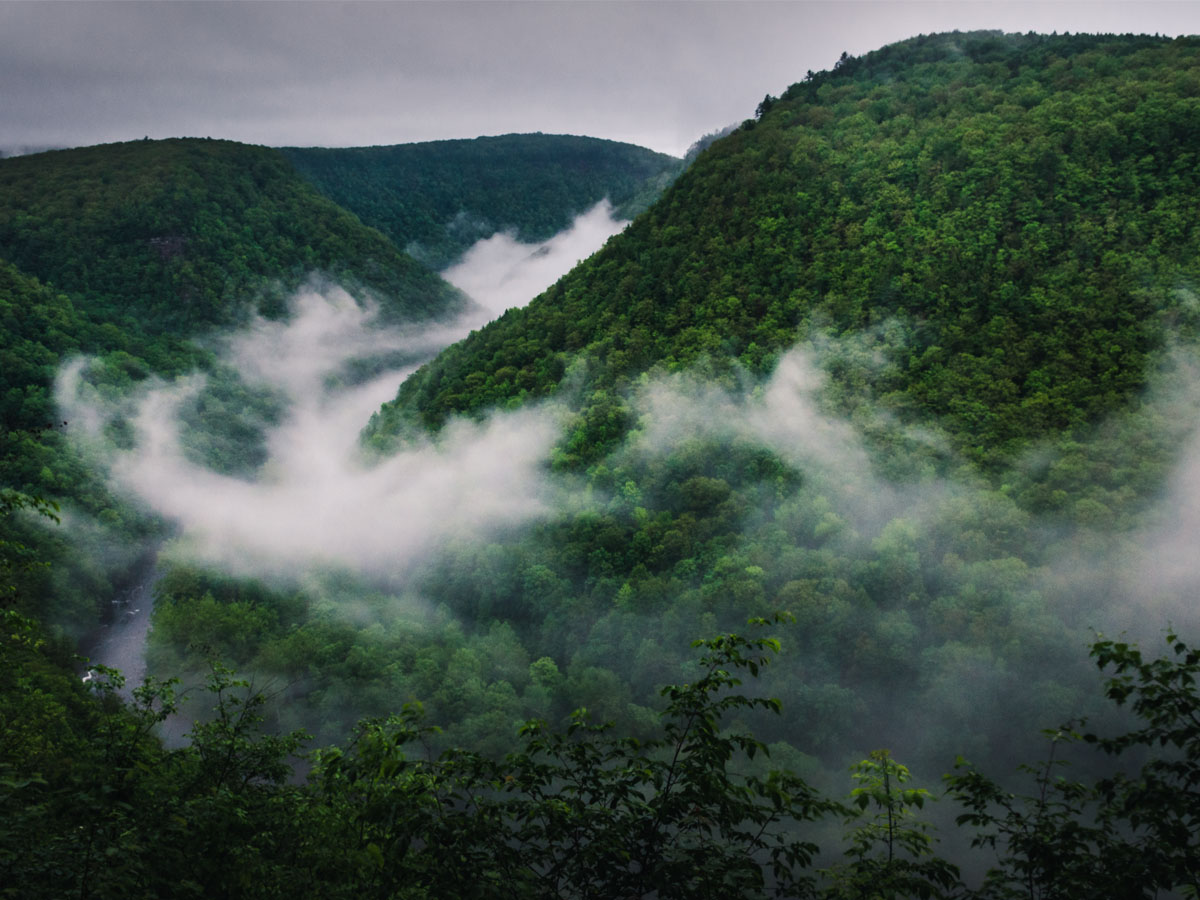
Sometimes called the Pine Creek Gorge,  Pennsylvania’s Grand Canyon is 50 miles long and 1000 feet deep. Loaded with trees and wildlife, the area is a naturalist’s dream. You may even see a Bald Eagle. 

Photo – internet

#38 New York – The Adirondacks

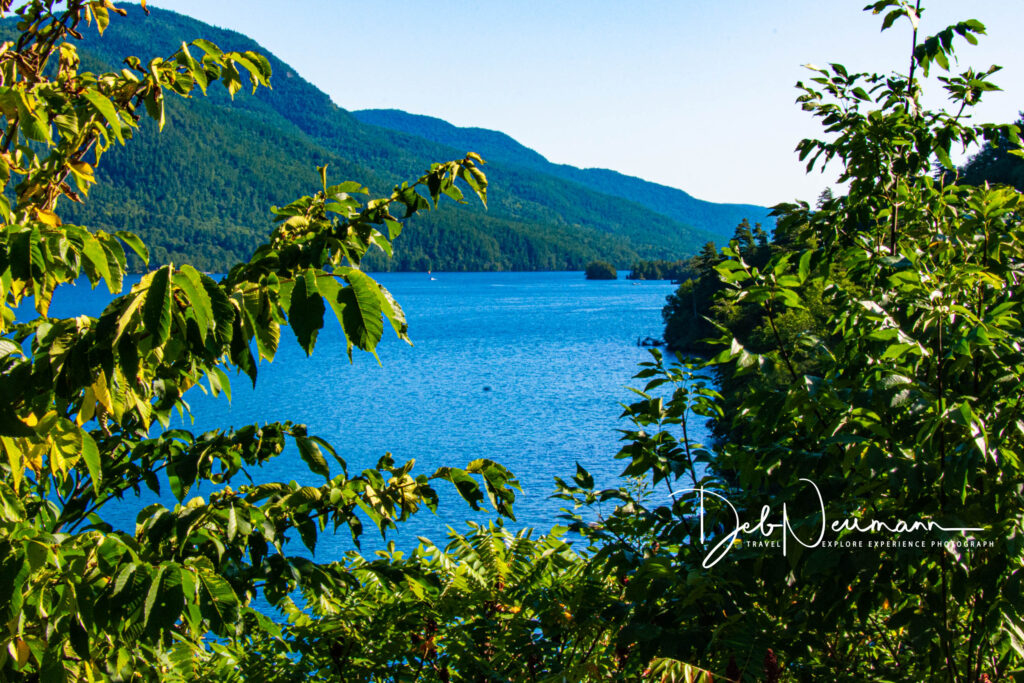
The Adirondacks, my home state! I can’t say my home town because the Adirondacks encompass around 5000 square miles of mountains, lakes and wilderness. The Adirondack Park was created in 1892 and is the largest publicly protected area in the US.  It’s greater in size than Yellowstone, Everglades, Glacier and The Grand Canyon National Parks combined. The park contains 6 million acres of “Forever wild” forest preserve.  It holds a special place in my heart so I’m happy to share one of my photos of beautiful Lake George to illustrate this wonder.

Lake George 2020 – photo credit Deb Neumann

Adirondacks 2020 – photo credit Deb Neumann

I admit I was surprised that Niagara Falls didn’t make the list but I haven’t been to Niagara in years and there is so much more in the Adirondacks than one big waterfall. 

Adirondack Balloon Festival 2014- Photo Credit Deb Neumann