Haunted Highways: A Spring Drive Into Massachusetts’ Spookiest Road

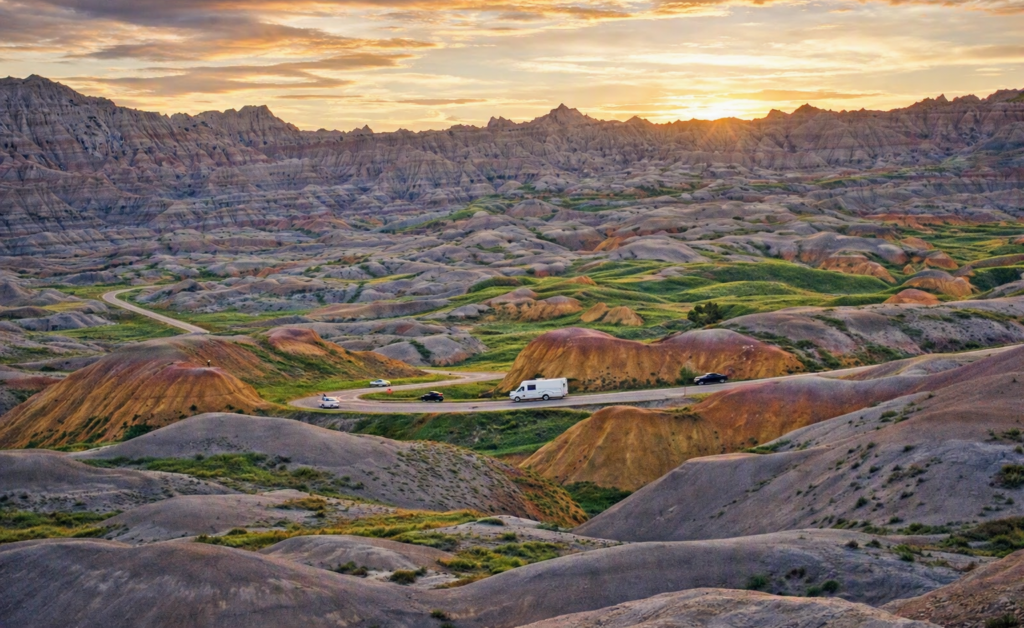
North of Boston, in the quiet town of Billerica, sits Dudley Road — a lonely, rural road with a reputation that makes even seasoned travelers check their door locks and crank up their headlights.

🌬️When the Weather Warms and the Roads Call

The warm weather is finally starting to tease us out of our homes. Give it just a few more degrees and we’ll all be cruising the highways and byways with the windows down, letting that first real breath of spring drift through the car before summer heat and humidity chase us back into the air‑conditioning.

And honestly? This is the perfect time of year for a haunting adventure.

A Quick Detour Through the Bridgewater Triangle

Pukwudgie of the Bridgewater Triangle

I’ve told you before about the spooky Bridgewater Triangle in southeastern Massachusetts — a region so paranormally active it’s been featured on multiple TV shows. Drive those back roads at night and your imagination will have a field day. It’s the ideal setting for a spooky interlude.

But recently, I learned about another haunted stretch of pavement… one that’s a bit farther north.

Dudley Road: The Most Haunted Road in Massachusetts

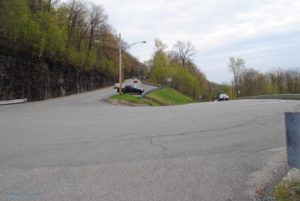
North of Boston, in the quiet town of Billerica, sits Dudley Road — a lonely, rural road with a reputation that makes even seasoned travelers check their door locks and crank up their headlights.

The story begins with the Daughters of St. Paul, who established a convent along this road. According to legend, several nuns were suspected of practicing witchcraft in the early 19th century. And we all know how Massachusetts has historically handled accusations of witchcraft. Just ask the folks in Salem and Danvers.

The Legend of the Condemned Nuns

Following in those old Puritan footsteps, the unfortunate women were condemned without a trial and hanged from a tree along the road. When they learned their fate, the nuns supposedly tried to escape by running across a nearby field — but they never made it.

As if ghostly nuns weren’t eerie enough, the legend goes on to claim that a nearby house where the women practiced their “magic” sank into the ground up to its second‑story windows. Travelers say that if you drive past at night, you might hear disembodied voices or smell strange, unexplainable odors drifting from the area around the so‑called sunken house.

Myth, Illusion, or Something More?

No proof exists for any of these tales — not the witchcraft, not the hangings, not the supernatural house. In fact, the “sunken” appearance is just an optical illusion.

But facts don’t seem to matter much here. Dudley Road has held onto its reputation as the most haunted road in Massachusetts, and locals still whisper about what they’ve seen and heard after dark.

Ready for a Spooky Spring Drive?

If you’re up for an eerie adventure, take a slow cruise down this sleepy rural road in Billerica. You might catch a glimpse of a full‑bodied apparition… or hear the distant screams of the fleeing nuns carried on the spring breeze.


A 12‑Park Western Road Trip


🚗 A 12‑Park Western Road Trip Inspired by 1920 — With My Own Travel Notes Along the Way

Intrepid travelers in the 1920's braved poor roads and mechanical failures to visit the national parks

In 1920, a group of early adventurers set out on a grand loop through the American West, visiting a dozen national parks long before paved roads, GPS, or timed‑entry reservations. Their route still makes an incredible modern‑day road trip — and as I read through their journey, I couldn’t help weaving in my own experiences, near‑misses, and bucket‑list dreams.

Here’s how their century‑old adventure lines up with mine.


🏔️ Stop 1: Rocky Mountain National Park

Leaving Denver, the route climbs straight into the high country. Back in 1920, the only way in was Old Fall River Road, a narrow dirt track that still exists today. Modern travelers have the far smoother Trail Ridge Road, the highest continuous paved road in the U.S., soaring above treeline with sweeping alpine views.

I’ve tried to visit Rocky Mountain myself — emphasis on tried. In 2022, the park required timed‑entry tickets, and their online system glitched every time I attempted to book one. So instead of exploring the alpine tundra, I skirted the edges, catching glimpses of those jagged peaks from the outside looking in. One of these days, I’ll get back there and do it properly.


🦬 Stop 2: Yellowstone National Park

From Colorado, the road heads north through Cheyenne and Cody before entering Yellowstone, the world’s first national park. The original travelers stayed at Lake Yellowstone Hotel and spent four days exploring geysers, canyons, and wildlife — a pace that still feels just right today.

I spent several days there in 2017, entering from the south after passing through Grand Teton National Park. It was one of those trips where every turn reveals something new — steam rising from the earth, bison wandering across the pavement, colors you don’t expect in nature. Next time, I want to enter from the north and save myself some drive time. If your explorations are limited, this is the one park you absolutely shouldn’t skip.


❄️ Stop 3: Glacier National Park

Next comes the old Yellowstone–Glacier Bee Line Highway, rolling through Montana towns before reaching Glacier National Park. In 1920, the group counted roughly 80 glaciers and found almost no roads. Today, only about two dozen glaciers remain — but the park gained something extraordinary: the Going‑to‑the‑Sun Road, one of the most spectacular drives in America.

I’ve heard so much about that road. It’s firmly on my bucket list. What breaks my heart is how quickly the glaciers are retreating. Thanks to our warming climate, no one knows how long they’ll be here. It makes visiting feel urgent — like catching something precious before it slips away.


🌋 Stop 4: Mount Rainier National Park

Heading west on Highway 2, the route crosses Idaho and Washington before turning south toward Mount Rainier. The early travelers reached it by mule; today, you can drive straight to Paradise, a wildflower‑filled slope with jaw‑dropping glacier views.

I didn’t make it into the park itself, but I did get a stunning view of Rainier from the top of Seattle’s Space Needle back in 2013. Even from a distance, the mountain dominates the skyline — serene, massive, and a little otherworldly.


💙 Stop 5: Crater Lake National Park

Continuing south through Oregon, the loop arrives at Crater Lake, a deep‑blue caldera lake so vivid it almost looks unreal. The 1920 group stayed at Crater Lake Lodge and drove the newly completed Rim Drive, still one of the most beautiful loops in the park system.

Crater Lake has been on my list for ages. Between its clarity, volcanic origins, and the Native American legends woven into its history, the whole place feels like it belongs in a myth. One day, I’ll finally see that impossibly blue water for myself.


🌋 Stop 6: Lassen Volcanic National Park

Crossing into California, the road reaches Lassen Volcanic National Park, one of the few places where you can see all four types of volcanoes in one park. The 1920 travelers couldn’t explore much — no real roads yet — but today you can wander through hydrothermal basins and stand beneath Lassen Peak.

This one surprised me. I’d never heard of it, and I love volcanoes. I’ve spent many happy hours with Kīlauea in Hawai‘i Volcanoes National Park, watching the earth breathe fire. Discovering that California has its own volcanic playground felt like finding a hidden chapter in a book I thought I knew.

Lava Lake Glow at Kilauea Hawaii


🏞️ Stop 7: Yosemite National Park

About 300 miles south, the granite cliffs of Yosemite rise into view — waterfalls, meadows, and iconic formations like El Capitan and Half Dome.

I haven’t made it there yet, but I’d love to time a visit to see Horsetail Fall during the “firefall,” when it glows orange in the setting sun. If I’m lucky — really lucky — maybe I’ll photograph it myself.


🌲 Stop 8: Sequoia & Kings Canyon National Parks

From Yosemite, the route dips into the land of giants — the massive sequoia groves of Sequoia and Kings Canyon. In 1920, Kings Canyon was still known as General Grant National Park, named for the enormous tree that still stands today.

Oh, those massive trees. If trees could talk, these would be the old wise men of the forest — ancient, steady, and full of secrets. Another bucket‑list stop for me.


🏜️ Stop 9: Zion National Park

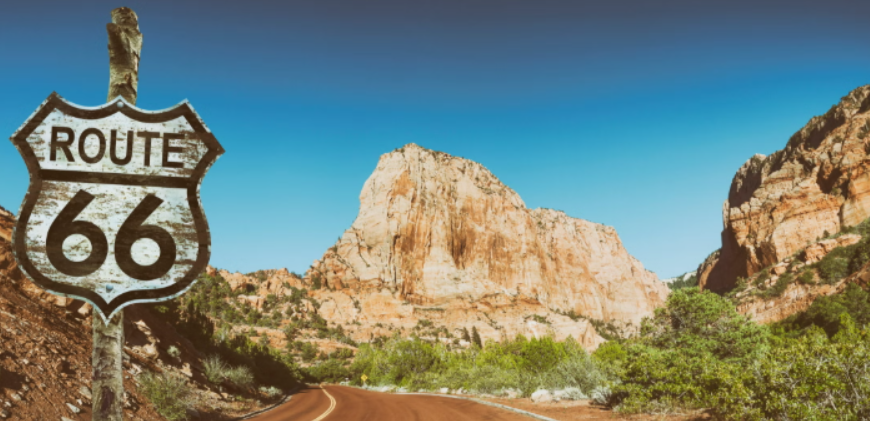
After reaching Los Angeles, the route follows early Route 66 eastward. From Barstow, modern travelers can detour north to Zion, a 500‑mile side trip the original group skipped.

I’ve already included Zion in my list of Southwestern parks to visit. Check out my Southwest Wish List The photos alone make you want to lace up your hiking boots and head straight for those glowing canyon walls.


🏜️ Stop 10: Grand Canyon National Park

Back on Route 66, the road passes through Kingman and Williams before reaching the Grand Canyon. The 1920 travelers stayed at the historic El Tovar Hotel, perched right on the rim.

Grand Canyon

On the South Rim, Grand Canyon 2008

This one is a toss‑up for my favorite park — I can’t choose between the Grand Canyon and Yellowstone. My first glimpse literally took my breath away. I stood there dizzy, trying to comprehend the scale. It didn’t seem real then, and it still doesn’t now. It’s just so BIG.


🪨 Stop 11: Petrified Forest National Park

Heading east, the route crosses into Petrified Forest National Park, a landscape of rainbow‑striped badlands and ancient fossilized logs.

My sister and I loved exploring this one. The petrified wood is everywhere — no searching required. The colors are unreal, like nature painted each piece by hand.


🏺 Stop 12: Mesa Verde National Park

The final stop is Mesa Verde, home to remarkable cliff dwellings built by the Ancestral Pueblo people. The original group drove the precarious Knife Edge Road, now replaced by a safer trail with the same sweeping views.

I keep flirting with this park. I’ve visited cliff dwellings in Arizona — Montezuma’s Castle among them — but everyone tells me Mesa Verde is on a whole different level. One day, I’ll finally see it for myself.

Montezuma’s Castle


🛣️ The Road Back to Denver

After Mesa Verde, the original 1920 loop turned northeast toward Colorado, passing through Durango and climbing back into the Rockies. Today, the drive back to Denver is just as scenic — a mix of mountain passes, river valleys, and those wide‑open Colorado skies.

If you’re following the modern route, you can swing through Durango, then head north toward Salida, tracing the spine of the Rockies through Pueblo and Colorado Springs before rolling back into Denver. It’s a fitting end to a journey that started — and ends — in the shadow of the mountains.


🍂 Best Time to Drive the Park‑to‑Park Highway

Late summer into early fall is the sweet spot for this 5,000‑mile adventure. You’re balancing open roads, mild weather, and fewer crowds — especially in the northern parks.

  • Late August to early September: best overall window
  • Mid‑summer: long days, everything open, heavier crowds
  • Winter or spring: not recommended due to snow and closures

The original group took 76 days. You don’t need quite that long, but a solid four weeks gives you time to breathe, explore, and not feel rushed.


🧭 Know Before You Go

  • Timed entry may be required in several parks
  • Lodges book months in advance
  • Weather can change quickly at high elevations
  • Road conditions vary — always check ahead
  • Gas and services can be sparse in remote stretches

🌟 And This Only Scratches the Surface…

Just outside Williams sits Meteor Crater, a massive impact site that feels like stepping onto anotherPainted desert landscape planet. Near the Petrified Forest, the Painted Desert spreads out in waves of pink, lavender, and rust. And closer to Denver, Pike’s Peak and Garden of the Gods are waiting patiently for their own spotlight. They’ll have to wait for another post — and honestly, they deserve one.


🎟️ Senior Pass Spotlight

If you’re 62 or older, the America the Beautiful Senior Pass is one of the best travel deals in the country. It gives you access to more than 2,000 federal recreation sites — including all national parks — and you don’t have to renew it annually if you choose the lifetime version.

  • Lifetime Senior Pass: one‑time purchase
  • Annual Senior Pass: lower upfront cost, renew yearly

Many parks also offer discounts on camping, tours, and ranger programs. If you’re planning to visit even a couple of parks, the pass pays for itself quickly.


✨ Closing Thoughts

Meteor Crater

This century‑old loop reminded me just how vast, varied, and breathtaking the American West really is. Some of these parks I’ve explored, others I’ve only admired from afar, and a few are still waiting patiently on my bucket list. What struck me most is how the landscape keeps changing — glaciers shrinking, roads improving, new stories unfolding — yet the sense of wonder remains the same. The 1920 travelers saw a wilder version of these places, but the magic is still there for anyone willing to follow the road. And now that I’ve traced their footsteps, I’m more inspired than ever to keep exploring, camera in hand, curiosity in tow, and a few more parks calling my name.

Lower Falls on the Yellowstone River


Celebrating 100 years of the Mother Road

The mother road is 100 years old and still fascinates travelers


Celebrating a Road That Isn’t All There Anymore

Every now and then something pops up in my feed that feels like a tap on the shoulder. Today it was a notice about the upcoming Route 66 Centennial — a once‑in‑a‑century celebration for a road that’s somehow both legendary and, well… missing in places. I was out and about, minding my own business, when suddenly the Mother Road wanted my attention again.

And honestly? I didn’t mind.

A Road That Crosses Eight States… and I’ve Only Seen a Sliver

The article reminded me that Route 66 stretches across eight states, from Illinois cornfields to the California coast. Eight states of diners, neon signs, motels, migration stories, and dusty postcards. Eight states of American mythology.

My own experience? A tiny sliver — the stretch near Flagstaff and the Grand Canyon. A few miles, a few minutes, and yet it still felt like stepping into a vintage travel poster. The kind with a smiling family in a station wagon and a promise that adventure is just one more mile down the road.


It’s funny how a place can be both new to you and instantly familiar.

The Centennial That Sparked This Post

The blurb I saw summed it up perfectly:

The centennial commemorates the original designation of Route 66 on April 30, 1926, celebrating its cultural, historical, and economic impact across eight states. The celebration also highlights preservation efforts, tourism, and the ongoing legacy of the Mother Road.

That’s the heart of it — not just a birthday party, but a celebration of everything Route 66 has meant to travelers, dreamers, and the communities along its path.

Whether you’re attending the kickoff in Springfield, joining a satellite event, or just driving a surviving stretch, the centennial is being billed as a “once‑in‑a‑century opportunity to experience the heritage and spirit of America’s most iconic highway.”

And that’s what got me thinking.

Why Celebrate a Road That Isn’t Whole Anymore?

Route 66 isn’t intact from end to end. Some pieces have been rerouted, abandoned, or swallowed by the interstate system. Some towns faded when the traffic did. Some stretches survive only as cracked pavement and fading paint.

But maybe that’s exactly why it deserves celebrating.

Because Route 66 was never just a road.
It was a promise.
A pathway west.
A symbol of possibility.
A ribbon of stories stretching across eight states and nearly a century.

Even in fragments, it still carries all of that.


My Little Piece of the Mother Road

Standing on that stretch near Flagstaff, I remember thinking how strange and wonderful it was that a simple road could hold so much history. I wasn’t driving cross‑country. I wasn’t chasing the whole route. I was just passing through — and yet I felt connected to something bigger.

And because the universe has a sense of humor, one of my favorite photos from that trip is of Mater the tow truck — yes, that Mater from Pixar’s Cars — sitting proudly along Route 66. A fictional character on a real road, reminding me that Route 66 lives just as much in our imagination as it does on the map. Pixar didn’t just make a cute movie; they captured the heartache and hope of all those little towns the Mother Road once carried.

Maybe that’s the magic of Route 66.
You don’t need all 2,448 miles.
Sometimes a few feet — or a rusty tow truck with a big grin — are enough.

Looking Ahead to the Centennial

The centennial feels like an invitation — not just to celebrate the past, but to appreciate what remains and to honor the communities keeping the spirit alive. To wander a little. To remember that roads don’t have to be perfect or continuous to take you somewhere meaningful.

Maybe I’ll explore more of it someday.
Maybe you will too.

Either way, the Mother Road is turning 100, and that’s worth a moment of appreciation.

Maybe a road doesn’t have to be whole to take you somewhere.


Is the Great American Road Trip Running Out of Road?


**🚗Road Trip, the call of a generation

Rt 66 in arizona has a load of attractions including more modern ones like Mater from Cars

A Cross‑Country Daydream from Route 66 to Route 20**

America’s Love Affair With the Open Road

With gas prices climbing and no relief in sight, it’s fair to wonder whether the classic American road trip is slowly becoming an endangered species. Then again, air travel isn’t exactly a walk in the park these days either.

Still, before we declare the road trip obsolete, it’s worth pausing to appreciate the romance, freedom, and pure Americana that grew out of our national love affair with the automobile.

The Mother Road: Route 66

One iconic road immediately comes to mind — and I’m pleased to say I’ve explored a small slice of it.

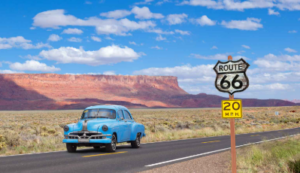
Route 66, the legendary “Mother Road,” was established in 1926 and stretched 2,448 miles from Chicago to Santa Monica. It wound through Missouri, Kansas, Oklahoma, Texas, New Mexico, and Arizona, carrying generations of dreamers westward.

Though officially decommissioned, roughly 85% of the route is still drivable. Vintage neon signs, retro diners, quirky roadside attractions, and weathered motels still line the way, offering a nostalgic glimpse into a bygone era.

America’s Longest Road: Route 20

If Route 66 is the most famous, Route 20 is the heavyweight champion. At 3,365 miles, it’s the longest road in the United States — and it starts right here in Boston.

A Route 20 adventure would take you through 12 states and across the entire country, ending in Newport, Oregon. Along the way, you could:

  • Stroll the Boston Esplanade
  • Visit the Basketball Hall of Fame in Springfield
  • Wander the Finger Lakes of New York
  • Detour to Niagara Falls
  • Swing up to Lake Placid, home of the 1980 “Miracle on Ice”

Then it’s onward through Pennsylvania and into Ohio, where Cedar Point awaits with some of the best roller coasters in the nation. Once you catch your breath, Route 20 rolls into Indiana and the Indiana Dunes National Park.

Across the Heartland and Into Big Sky Country

In Illinois, Route 20 carries you straight through Chicago before crossing the Mississippi River into Iowa.

Then comes Wyoming — Big Sky Country at its finest. You’ll pass through Lost Springs, the least populated municipality in America, and you’re just a side trip away from Yellowstone. Keep an eye out for bison; they don’t yield.

Getting ready to pass by

Montana only gets about ten miles of Route 20, but it’s close enough to tempt you toward the famous Going‑to‑the‑Sun Road, a bucket‑list drive if ever there was one.

The Final Push to the Pacific

Idaho brings a breather in Boise before the home stretch. The last state is Oregon, but don’t be fooled — there are still 451 miles to go before you reach Newport and the Pacific Ocean.

Quite the road trip indeed.

And Then… Maybe the Overseas Highway?

Once I’ve conquered Route 20, maybe I’ll head south to Florida for the Overseas Highway — 113 miles and 42 bridges ending at the Southernmost Point in Key West. A completely different kind of road trip, but just as iconic.

So… Is the Road Trip Doomed?

Maybe gas prices will rise. Maybe travel will keep changing. But the American road trip isn’t just about miles or money — it’s about freedom, curiosity, and the irresistible pull of the horizon.

As long as there are roads to follow and stories to chase, I don’t think the great American road trip is going anywhere.


Travel Daydreams: The Trip List, Part 2


Checking Off More Adventures

As I dig deeper into the 40 Trips Every Woman Should Take Before She Dies list, I’m pleasantly surprised to see how many of these adventures I’ve already experienced — or at least tucked onto my ever‑growing bucket list. It’s turning into a fun little audit of my own wanderlust.

#12: Cruising the California Coast

The list’s twelfth recommendation is a drive down the California Coast, essentially the Coast Starlight railroad trip but on four wheels instead of rails. Whether by train or car, I already know it’s spectacular. The Pacific Coast Highway — Highway 1 — winds roughly 400 miles from San Francisco to Los Angeles, connecting two iconic cities with jaw‑dropping scenery in between. Big Sur’s cliffs, the endless ocean views, and even the Elephant Seal Rookery in San Simeon make this route a showstopper.

2 Nuns

#13: Sedona’s Red Rock Magic

Next up is Sedona, Arizona — a place I’ve visited a couple of times and would happily return to again. The red rocks, the crisp desert air, the perfect weather… it’s a photographer’s dream. I’m not much for spa days or massages, but if that’s your thing, Sedona has you covered.

#17: The Florida Keys

Ah, the Keys. I am so not done with them. I’ve explored the upper end (Key Largo) and the lower end (Key West), but the middle stretch is still waiting for me. One day I’ll finally drive the Overseas Highway — ideally in a sporty red convertible with the top down.

#20: An Alaskan Cruise

Been there, done that, and would absolutely do it again. An Alaskan cruise is the best way to see glaciers and cover a lot of ground in just a few days. Excursions to places like Skagway and Ketchikan offer glimpses into Native Alaskan culture, wildlife encounters, dance demonstrations, and towering totem poles. And if you want even more adventure, the White Pass and Yukon Railway is right there waiting.

#21: Disneyland (But I’m a Disney World Girl)

The list suggests Disneyland, but once you’ve been to Disney World in Florida, the California park feels like its smaller cousin. I’ve visited both — Disneyland once, Disney World more times than I can count. It helps when your best friend works there and hands you free passes and discounts.

Kali River Rapids

#23: Solo in Seattle

Seattle 2013 photo credit Deb Neumann

Seattle shows up as a recommended solo trip, and I suppose that’s exactly what mine was. I spent a week there for work orientation, which left plenty of time to explore. I photographed Mount Rainier from the Space Needle, wandered Chihuly Garden and Glass, and watched the famous fish‑throwers at Pike Place Market.

#25: Horseback Riding (and a Bonus Helicopter Ride)

Halfway through the list, and I’m still checking boxes. #25 is horseback riding — something I did on one of my Sedona trips. That same visit also gave me my first helicopter ride, though the list writers seem to have overlooked that thrill.

Pausing the Journey (For Now)

I’ll stop here for today, but I’m genuinely amazed at how many of these trips I’ve already experienced. This list is turning into a delightful walk down memory lane, and I’m looking forward to picking it back up again soon.