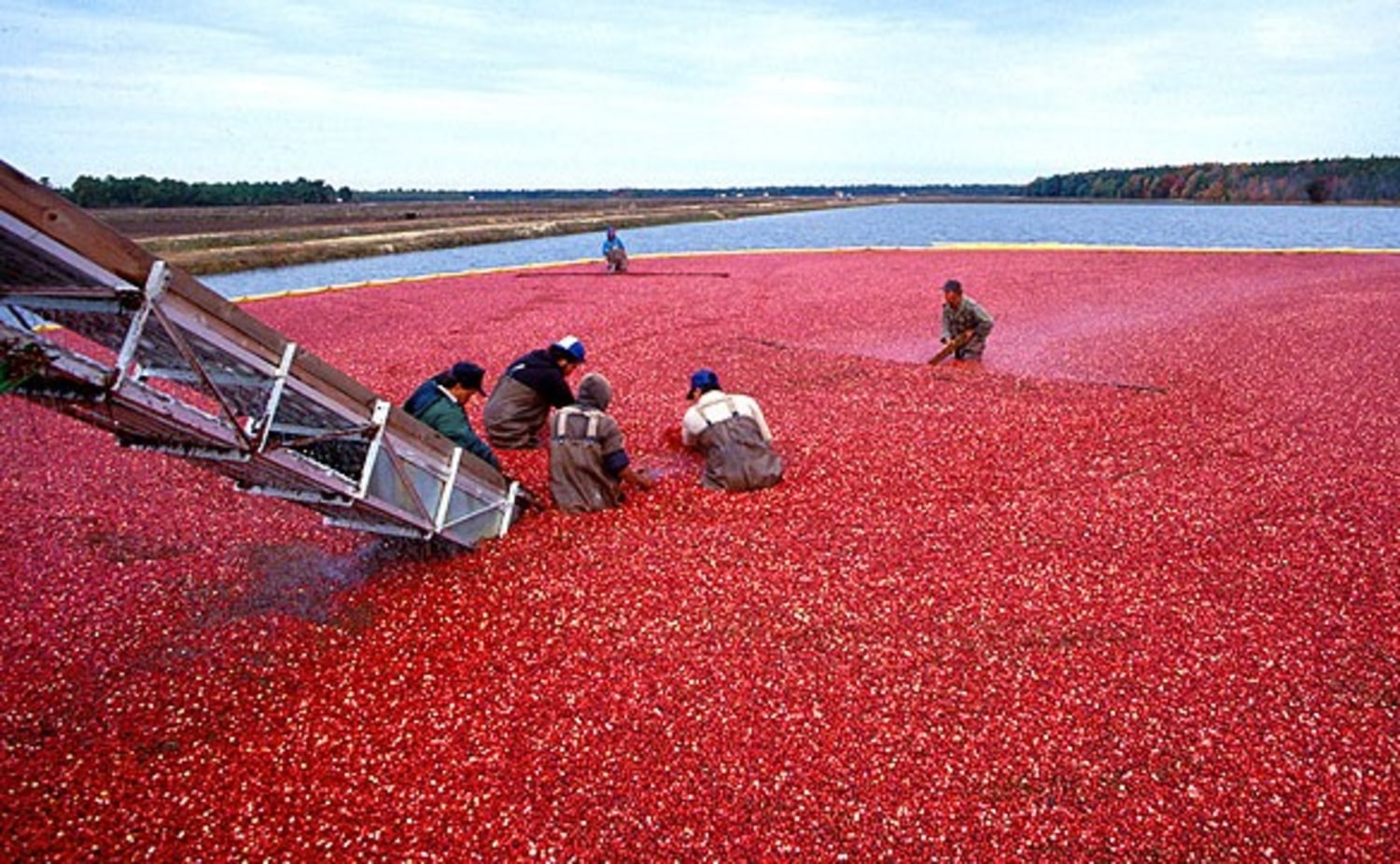
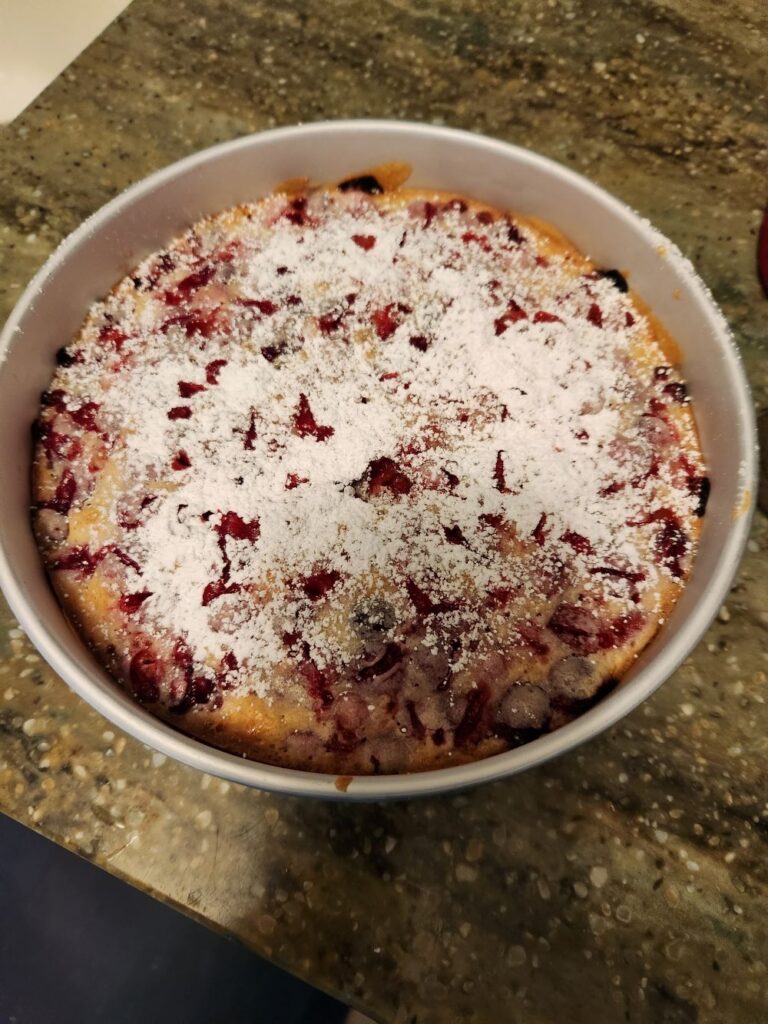
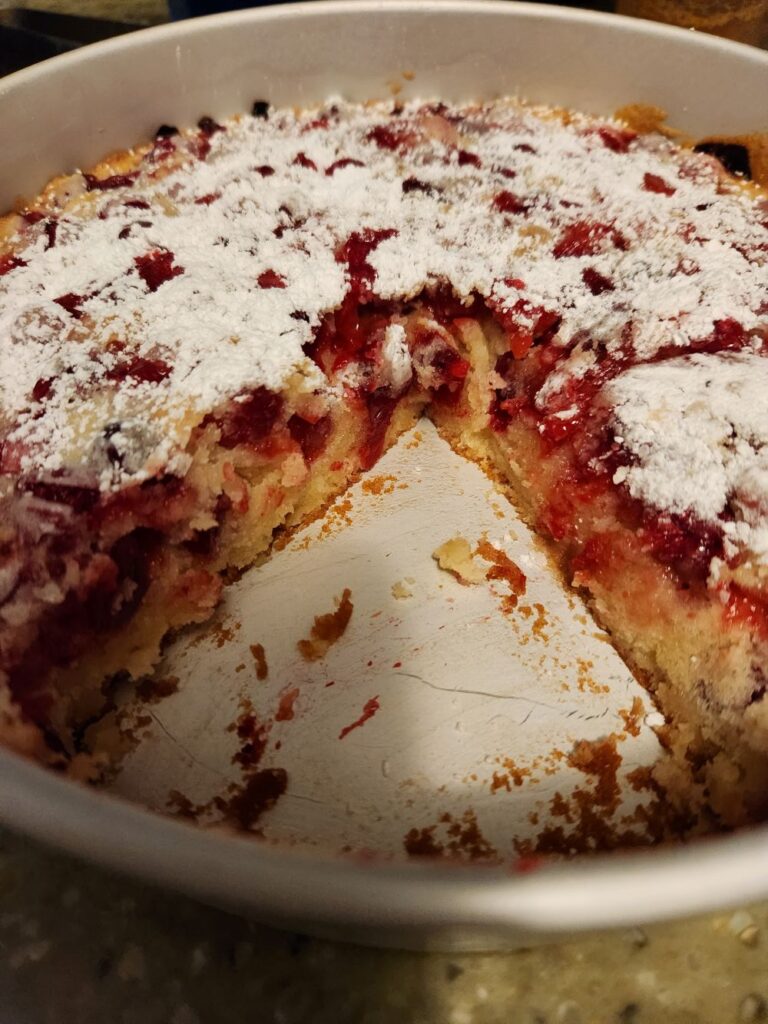
🥧 Colchester’s Canceled Thanksgiving of 1705
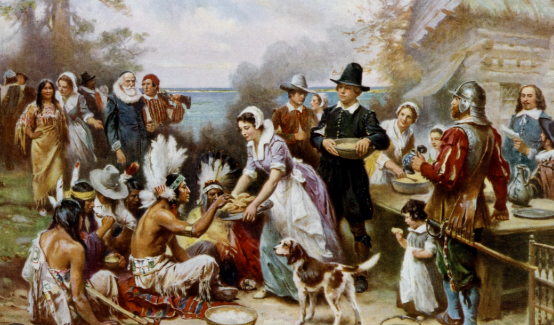
❄️ A Cold Snap and a Sweet Shortage
In the crisp autumn of 1705, Colchester’s settlers faced a pie-lover’s nightmare. They had to postpone Thanksgiving—not for lack of turkey, but because they couldn’t make pumpkin pie. A sudden cold snap in October froze the Connecticut River solid. The frozen river cut off supply routes from Norwich and New London. Snow piled three feet deep. Icy winds howled. The town’s few families were stranded—no sugar, no molasses, no pie.
🥄 Why Molasses Mattered
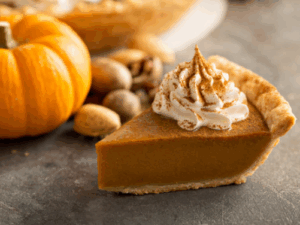
Molasses wasn’t just a pantry staple—it was the sweet soul of colonial cuisine. Imported from the West Indies, it was cheaper than sugar and essential for flavoring baked beans, brown bread, and most importantly, pumpkin pie. By 1705, pumpkin pie had already become a beloved Thanksgiving tradition, thanks to Native American influence and European adaptation. Without molasses, the settlers couldn’t sweeten their pies, and without pies, Thanksgiving just didn’t feel complete.
 🗓️ A Feast Deferred
The townspeople originally scheduled the holiday for November 4, but they voted to postpone it. Records show that the townspeople agreed, “our present circumstances being such that it cannot with convenience be attended on that day.” The celebration was rescheduled for the second Thursday. It wasn’t just about food—it was about community, gratitude, and tradition. And in Colchester, pumpkin pie was tradition.
🍂 A Slice of Colonial Quirk
Today, we might chuckle at the idea of rescheduling a holiday over dessert. But Colchester’s molasses crisis reminds us how deeply we weave food into our rituals. It’s a tale of resilience, resourcefulness, and reverence for the humble pumpkin pie—a dessert so iconic, it once held an entire town’s Thanksgiving hostage.
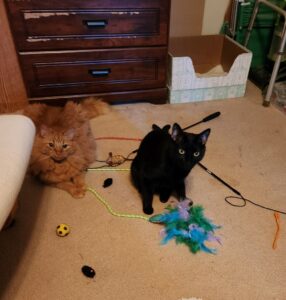
 Chaos theory sounds like something invented by a sleep-deprived philosopher with a whiteboard and a vendetta against weather forecasts. But it’s actually a legit scientific field that studies how seemingly random systems—like weather, traffic, or your cat’s mood—are governed by underlying patterns.