Quick Note: Promeed Flash Sale Is Live!


If you’ve been thinking about freshening up your bedding for spring, Promeed just kicked off a Flash Sale, and the savings are pretty impressive.

From March 12 at 11:55 PM through March 30 at 11:53 PM (Eastern), you can snag:

🌙 50% Off Comforters

Cooling, herbal, and silicone comforters — all half‑price with code Final50.

Summer cooling sale with promeed bedding and linens

✨ 15% Off Mulberry Silk Bedding

Their silk pillowcases and sheets are discounted with code PMF15.

You can shop the sale here using my affiliate link.

I’ve been really happy with their mulberry silk pillowcases — soft, cool, and gentle on hair and skin. If you’ve been curious, this is the best pricing I’ve seen in a while.

(This post contains affiliate links. If you make a purchase, I may earn a small commission at no extra cost to you.)


The Iditarod: A Tale of Compassion and Heroism

 How Long It Lasts, Why It Exists, and Why It Still Captures Our Imagination

Every March, as New England is deciding whether to roar like a lion or bleat like a lamb, Alaska is gearing up for something far more dramatic: the start of the Iditarod Trail Sled Dog Race. It’s one of those events that feels half‑myth, half‑modern sport, and if you’ve ever wondered how long it actually takes to cross Alaska by dog team, the answer is… longer than you think, but shorter than you’d expect.
Let’s dig in.

Denali🕰️ So How Long Does the Iditarod Last?

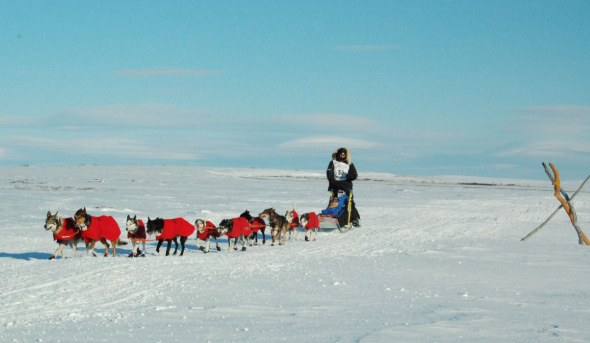
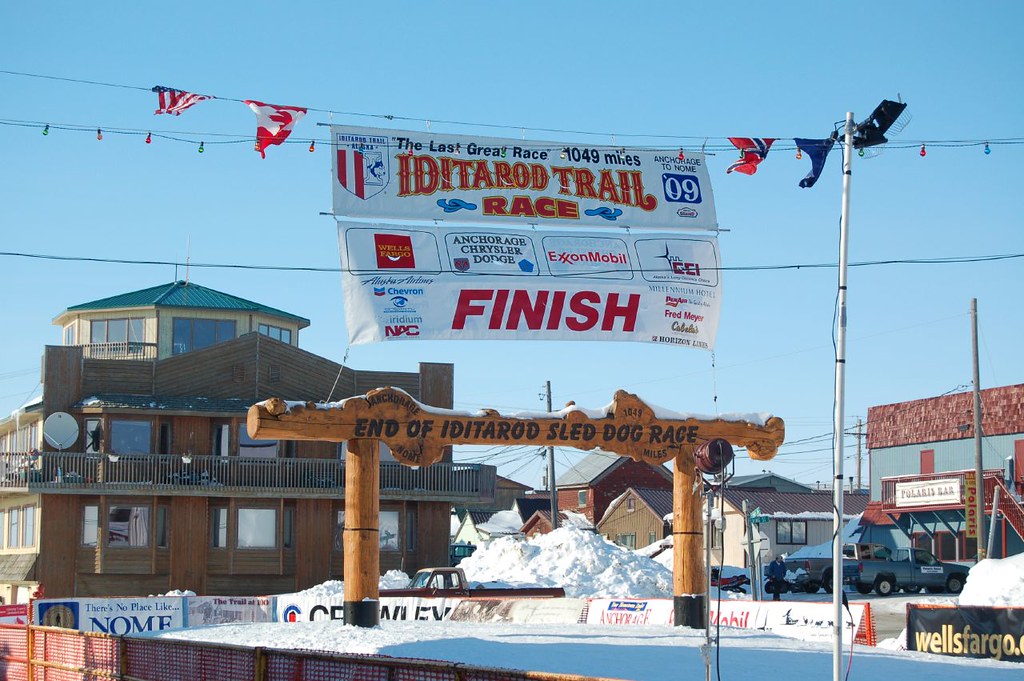
Most mushers complete the 1,000‑mile journey from Anchorage to Nome in 8–15 days.

  • The front‑runners often arrive in about 8–9 days.
  • The middle of the pack usually finishes around 10–12 days.
  • The Red Lantern — the final finisher — typically comes in around 13–15 days, sometimes a bit more depending on weather and trail conditions.
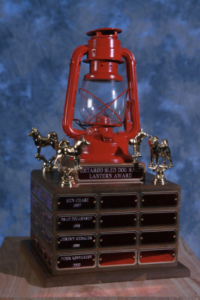
And weather is no small thing. This is Alaska in March. One day it’s clear and sparkling; the next it’s a whiteout where you can’t see your own dog team. The trail crosses mountains, frozen rivers, sea ice, and long stretches of nothing but wind and snow. It’s beautiful, brutal, and unforgettable.


🎉 Why There’s a Start… and Then a Restart

This is one of my favorite quirks of the race.

The Iditarod actually begins twice:

The Ceremonial Start — Anchorage

Held on the first Saturday in March, this is the fun, festive kickoff. Crowds line the streets, kids get autographs, and the dogs are practically vibrating with excitement. It’s a short, slow run — more parade than race — and it gives spectators a chance to see the mushers up close.
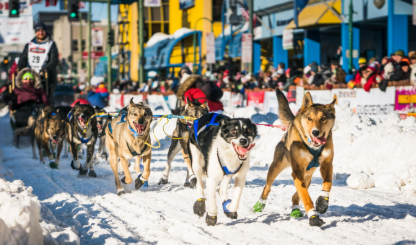
The Official Restart — Willow

On Sunday, the teams head north to Willow, where the real race begins. This is where the clock starts ticking and the wilderness takes over. Anchorage is a city; Willow is the gateway to the interior. It’s the difference between a celebration and a thousand‑mile test of endurance.


🩺 The History: A Race Born From a Medical Emergency

The Iditarod may be a modern sporting event, but its roots go back to one of the most dramatic rescue missions in American history.

In the winter of 1925, a diphtheria outbreak threatened the remote town of Nome. The only way to get life‑saving serum there was by dog team — over hundreds of miles of frozen wilderness. More than 20 mushers and around 150 dogs relayed the medicine across Alaska in what became known as the Great Serum Run.
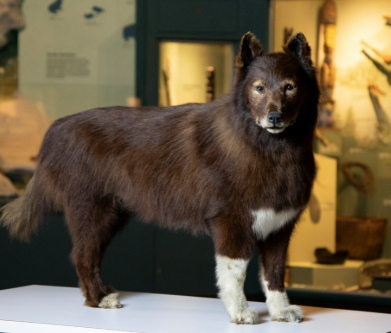
Balto

Two dogs became legends:

  • Balto, who led the final team into Nome
  • Togo, who led the longest and most dangerous leg of the journey
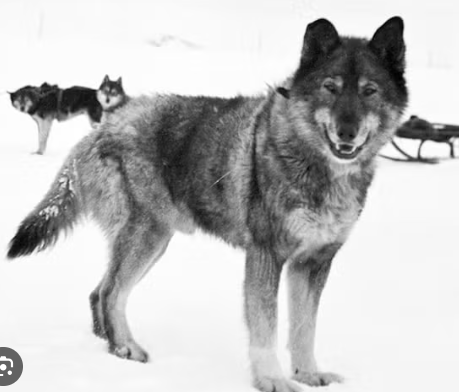
Togo

Both were heroes. Both saved lives. And their courage is the spiritual backbone of today’s Iditarod.

The race we watch now isn’t a reenactment, but it honors that history — the grit, the teamwork, and the bond between musher and dog.
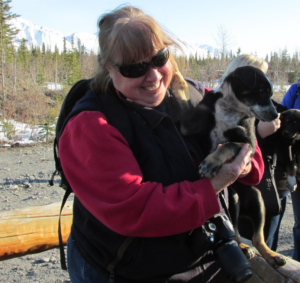

❄️ A Personal Note: My Own Dog‑Sledding Adventure

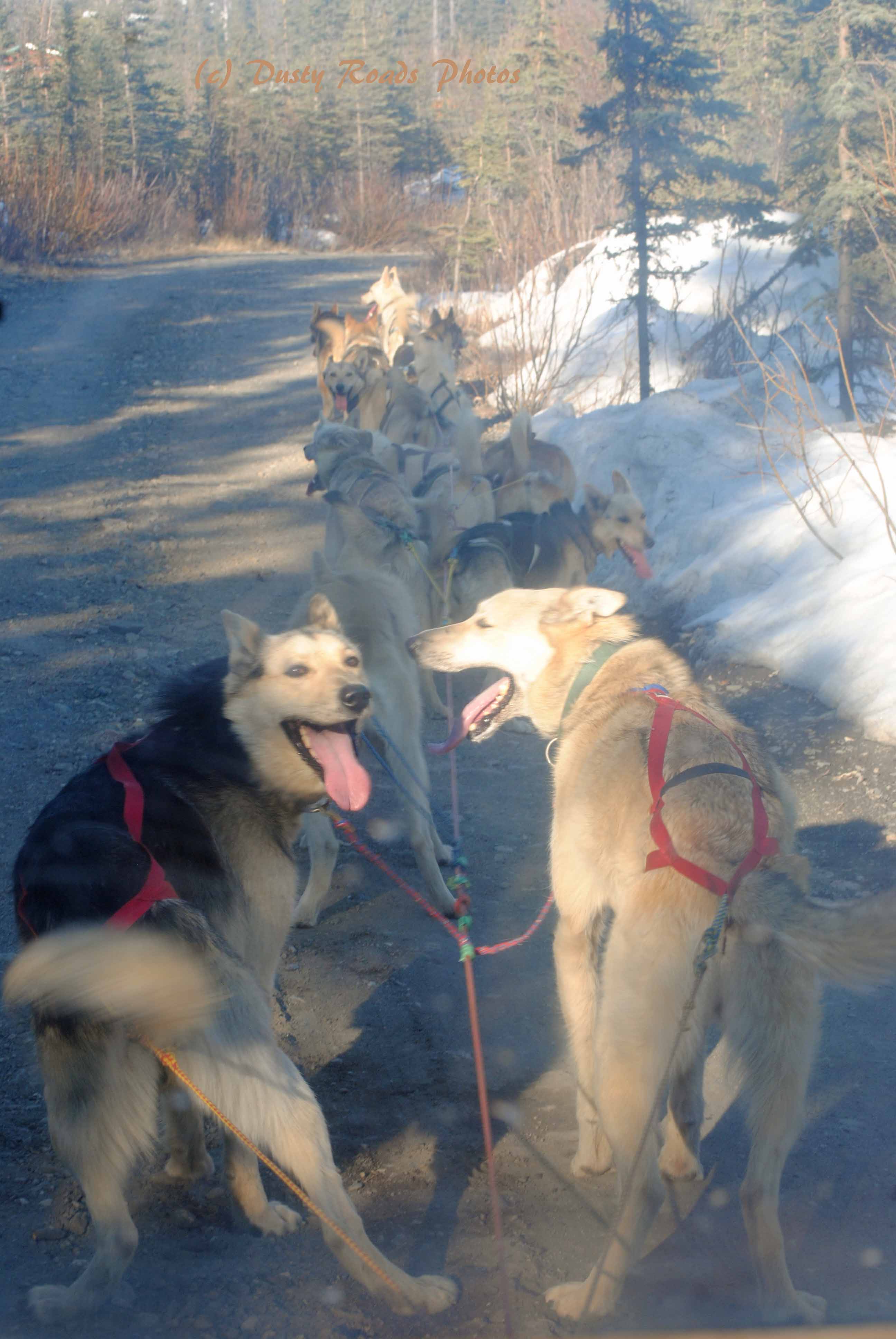
When I visited Alaska in 2013, I had the chance to go dog sledding myself. Let me tell you — those dogs live for it. The moment the musher picked up the brake, the team practically levitated. They weren’t just ready to run; they were begging for it.

It gave me a whole new appreciation for the Iditarod. You can read about it, you can watch it, but until you feel that sled glide over the snow behind a team of eager dogs, you don’t quite understand the magic.


🐕 What Kind of Dogs Run the Iditarod?
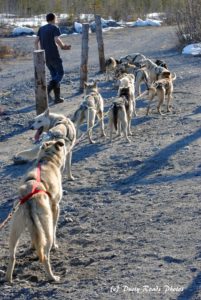
Forget the movie‑poster Siberian huskies. Most Iditarod dogs are Alaskan huskies — a mixed breed developed specifically for endurance, intelligence, and love of running.

A few things people are often surprised to learn:

  • These dogs are born to run. It’s not just instinct — it’s joy.
  • They sleep curled up in the snow because it’s comfortable for them.
  • Their coats are so insulating that snow often doesn’t melt on their fur.
  • They eat like Olympic athletes because… they are.

If you’ve ever worried that sled dogs are pushed too hard, watching them at the start line will cure you of that. The challenge isn’t getting them to run — it’s getting them to wait.


🌌 Why the Iditarod Still Matters

It’s more than a race.
It’s history, wilderness, teamwork, and tradition.
It’s a reminder that even in a world of satellites and smartphones, there are still places where nature sets the rules.

And for a few weeks every March, we get to watch humans and dogs take on one of the last great adventures.


 

The Year Pumpkin Pie Froze Over


🥧  Colchester’s Canceled Thanksgiving of 1705

❄️ A Cold Snap and a Sweet Shortage

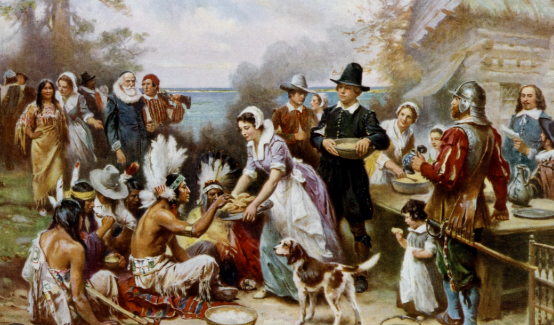
In the crisp autumn of 1705, Colchester’s settlers faced a pie-lover’s nightmare. They had to postpone Thanksgiving—not for lack of turkey, but because they couldn’t make pumpkin pie. A sudden cold snap in October froze the Connecticut River solid. The frozen river cut off supply routes from Norwich and New London. Snow piled three feet deep. Icy winds howled. The town’s few families were stranded—no sugar, no molasses, no pie.

🥄 Why Molasses Mattered

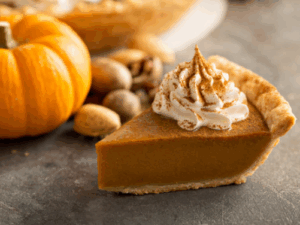
Molasses wasn’t just a pantry staple—it was the sweet soul of colonial cuisine. Imported from the West Indies, it was cheaper than sugar and essential for flavoring baked beans, brown bread, and most importantly, pumpkin pie. By 1705, pumpkin pie had already become a beloved Thanksgiving tradition, thanks to Native American influence and European adaptation. Without molasses, the settlers couldn’t sweeten their pies, and without pies, Thanksgiving just didn’t feel complete.

🗓️ A Feast Deferred

The townspeople originally scheduled the holiday for November 4, but they voted to postpone it. Records show that the townspeople agreed, “our present circumstances being such that it cannot with convenience be attended on that day.” The celebration was rescheduled for the second Thursday. It wasn’t just about food—it was about community, gratitude, and tradition. And in Colchester, pumpkin pie was tradition.

🍂 A Slice of Colonial Quirk

Today, we might chuckle at the idea of rescheduling a holiday over dessert. But Colchester’s molasses crisis reminds us how deeply we weave food  into our rituals. It’s a tale of resilience, resourcefulness, and reverence for the humble pumpkin pie—a dessert so iconic, it once held an entire town’s Thanksgiving hostage.


It’s National Chaos Day

Celebrate National Chaos Day

For years that was my life – rush here, Put out a fire there. Now it centers on cat puke and zoomies. So what is Chaos? Let’s look a little closer shall we?


🌀 Chaos Theory and the Butterfly That Broke My Brain

Or: Why Your Cat Knocking Over a Vase Might Be a Meteorological Event

What Is Chaos Theory Anyway?

Chaos theory sounds like something invented by a sleep-deprived philosopher with a whiteboard and a vendetta against weather forecasts. But it’s actually a legit scientific field that studies how seemingly random systems—like weather, traffic, or your cat’s mood—are governed by underlying patterns.
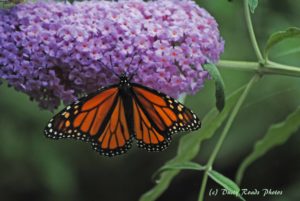
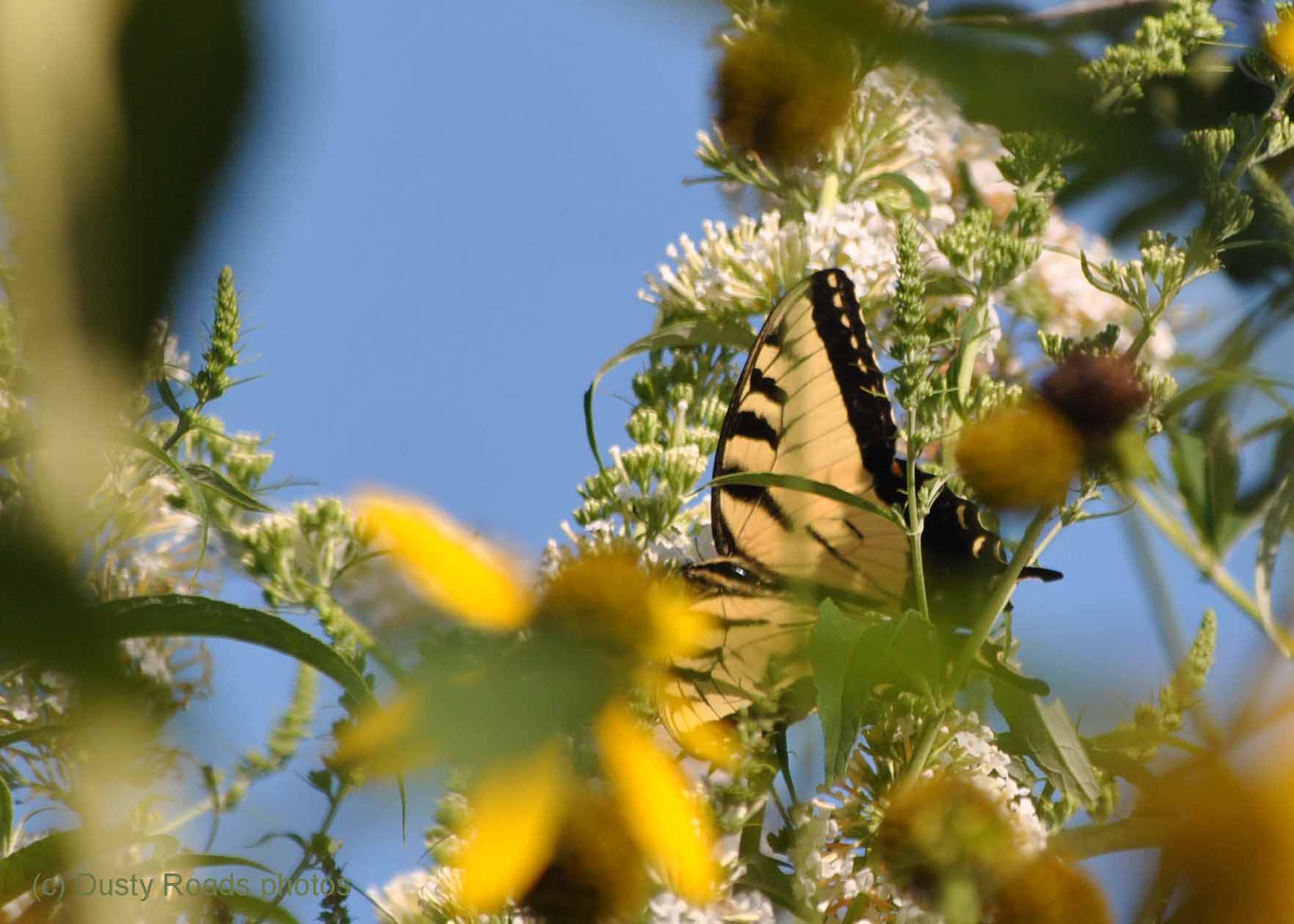
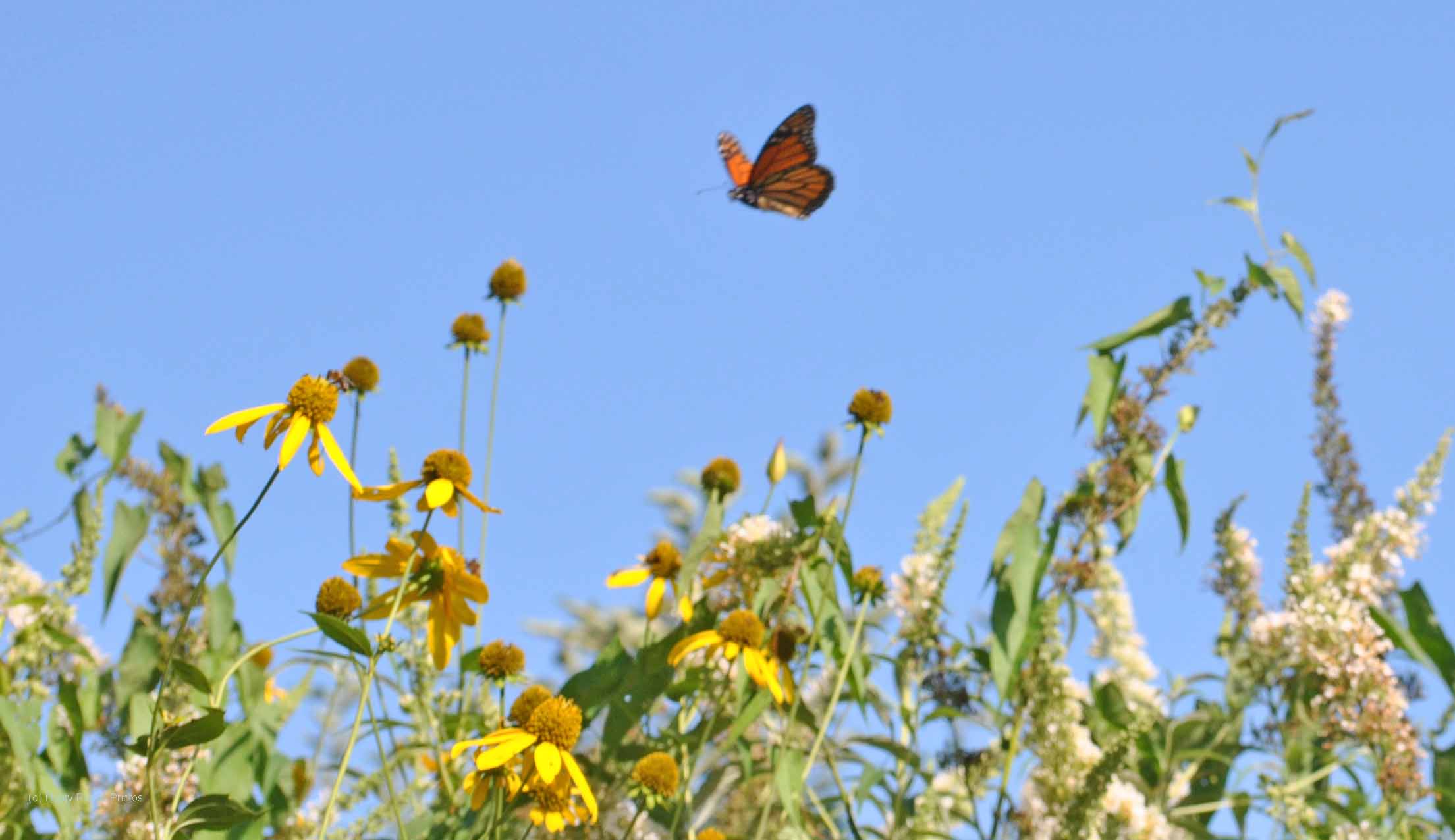
It’s the science of unpredictability. The art of finding order in disorder. The reason your perfectly planned picnic gets rained out because a butterfly flapped its wings in Brazil. (More on that in a minute.)

Chaos Theory vs. The Butterfly Effect 🦋

Let’s clear this up: chaos theory is the big umbrella. The butterfly effect is one of its sparkly, winged children.

  • Chaos theory says that complex systems are sensitive to initial conditions. Tiny changes can lead to wildly different outcomes.
  • The butterfly effect is the poetic metaphor: a butterfly flaps its wings, and weeks later, a tornado hits Kansas. (Dorothy was not amused.)

In short: chaos theory is the science. The butterfly effect is the drama.

5 AMAZING FACTS ABOUT CHAOS THEORY

  • 🧩 There’s a pattern
    Chaos theory’s core belief: even the wildest messes have hidden patterns. Like your sock drawer. Or quantum physics.
  • 🌐 It’s interdisciplinary
    Chaos theory moonlights in math, biology, meteorology, philosophy, politics, and probably your last group project.
  • 🏆 It’s award-winning
    Edward Lorenz, chaos theory’s founding father, snagged a Kyoto Prize for his work. He also accidentally invented the butterfly effect while trying to predict the weather. Oops.
  • 🧠 It makes the complicated simple(r)
    Chaos theory helps scientists predict unpredictable systems. Like climate change. Or your cat’s 3 AM zoomies.
  • 🔬 It’s widely used
    Chaos theory isn’t trending on TikTok, but it’s still a staple in scientific research. It’s just become so normal, it’s practically boring. Like gravity. Or coffee.

Final Thought: Embrace the Chaos

Next time your day spirals into a tornado of spilled coffee, missed buses, and mysterious glitter—just smile. You’re living proof that chaos theory works. Somewhere, a butterfly is laughing.


Celebrating World Lion Day


🦁 Roar for the Royals: Celebrating World Lion Day

Just last week, we honored the striped majesty of tigers for International Tiger Day, marveling at their stealth, power, and endangered status. Today, we turn our gaze to another regal feline—the lion. August 10th is World Lion Day, a global celebration of the species that has long ruled both savannas and symbolism. From ancient empires to modern conservation efforts, lions embody strength, unity, and a roar that echoes through time. But behind their iconic image lies a pressing need for protection and awareness.

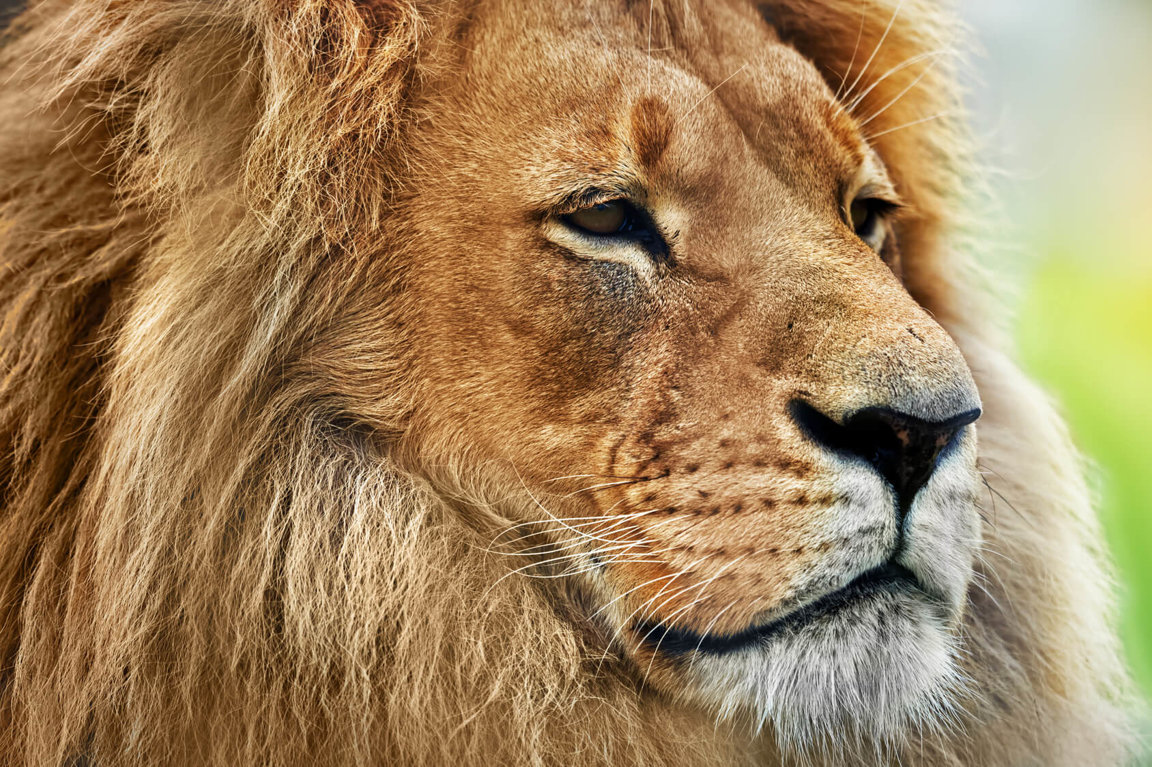
9,000+ Best Lion Images & Free HD Stock Photos - Pixabay

Photo Credit Pixabay Stock Photos

🧭 Where Lions Still Roam

  • African Lions: Found across sub-Saharan Africa, though their range has shrunk dramatically.
  • Asiatic Lions: Exclusively found in India’s Gir Forest and now expanding into Barda Wildlife Sanctuary, where conservation efforts are thriving.

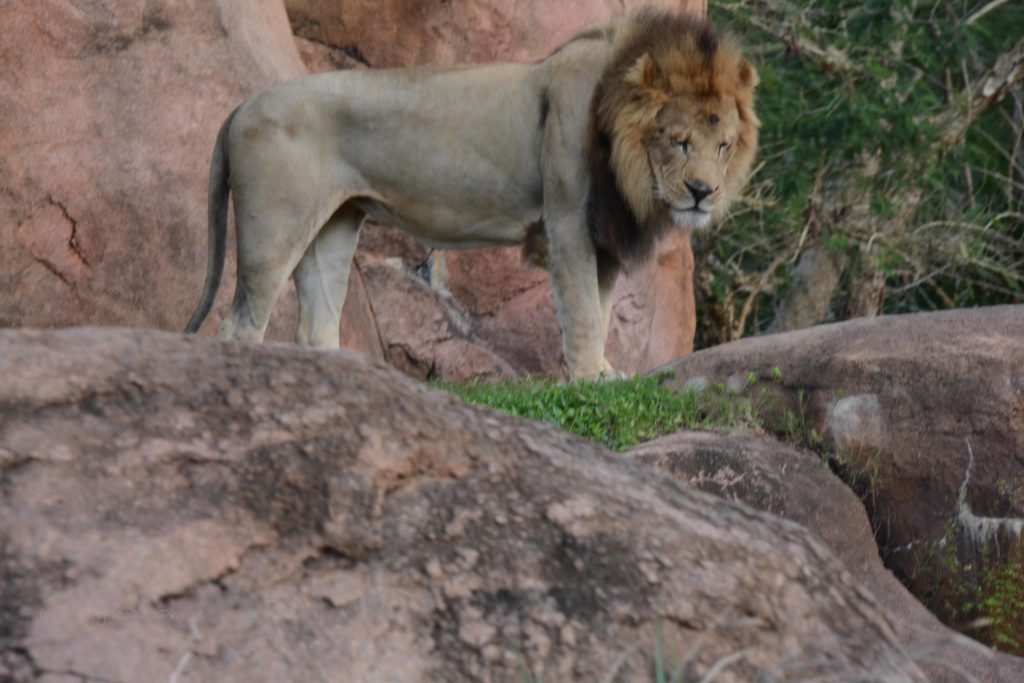
King of Beasts, Animal Kingdom, Disney World, Orlando FL- photo credit Deb Neumann

🌍 Conservation Highlights

  • India’s Lion Success: Asiatic lion numbers have risen from 674 in 2020 to 891 in 2025, thanks to community-led conservation and initiatives like Project Lion.
  • Global Awareness: Events from Gujarat to Romania are spotlighting lions through education, art, and even lion-themed birthday cakes.

Orlando. Fla – photo Credit Deb Neumann

🧠 Did You Know?

  • Lions are the only big cats that live in social groups called prides.
  • Their roar can be heard up to 5 miles away.
  • Lions are facing threats from poaching, habitat loss, and human-wildlife conflict, especially in Africa.
Lions - Wild Animals News & Facts

Stock Photo

💡 How You Can Help

  • Support organizations like Lion Guardians, Panthera, and World Animal Protection.
  • Avoid tourist attractions that exploit captive lions.
  • Share awareness through your blog and social media.
lion-family-baby-lions-hd-wallpaper : r/Lions

Stock photo

🖋️ Closing Thoughts

Lions may be kings of the jungle, but they need our help to keep their thrones. On World Lion Day, let’s honor their legacy—not just with admiration, but with action. Whether it’s a donation, a post, or a conversation, every roar counts.

King of NYC Alex the lion by diegohuanca on DeviantArt

King Alex/ Madagascar