
College Fjord Glaciers
Alaska Wasn’t What I Expected
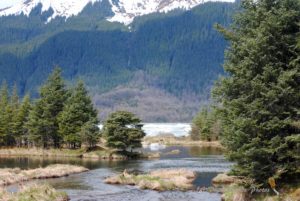 What do you think of when you think of Alaska?
I’ve been trying to remember what I thought when my sister first suggested we take a vacation to Alaska. It was 13 or 14 years ago. We had to plan and book the trip well in advance, so we were probably talking about it as early as 2012.
Alaska. It’s big, and it’s far away. Maybe not as far away as Hawaii, but it certainly isn’t next door. I think of wilderness, rugged landscapes, and endless open spaces. I remember being surprised to learn how limited the road system is. Many communities can only be reached by boat or plane. Even today, Juneau remains unique as the only U.S. state capital that cannot be reached by road from the rest of North America. There is no highway connecting it to either the Alaska road system or Canada.
A First Introduction to Alaska Native Culture
My first real introduction to Alaska Native culture came in Ketchikan. Before that trip, I hadn’t given much thought to the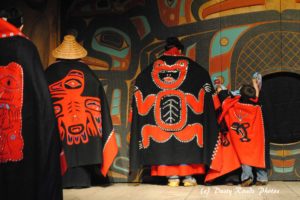 Indigenous peoples of Alaska. Like many people, I probably associated Alaska with “Eskimos,” which doesn’t even begin to reflect the diversity of cultures that call the state home.
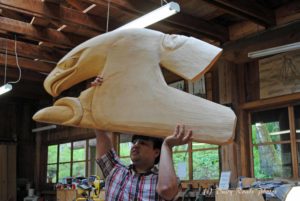
While in Ketchikan, we took a shore excursion to Saxman Native Village, a working Tlingit community. We watched a ceremonial dance performance, visited a master woodcarver, and admired beautifully carved totem poles. At the time, I thought I was learning a lot. Looking back, I realize we had barely scratched the surface.
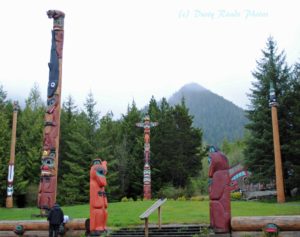 One of the things that surprised me was discovering just how culturally diverse Alaska really is. The state is home to many Native peoples, each with their own traditions, languages, stories, and connections to the land. These aren’t cultures preserved only in museums or history books. They continue to be part of daily life in communities throughout Alaska, where traditions are passed from one generation to the next while adapting to the modern world.
One thing I did learn was that photography can be a sensitive subject. The village we visited welcomed visitors and was very open to photographs, but that isn’t true everywhere. It’s always a good idea to ask permission before photographing people, especially if they are participating in ceremonies or wearing traditional clothing.
Visiting With Respect
We were fortunate to have a guide during our visit to Saxman Native Village. Before we arrived, he explained the customs,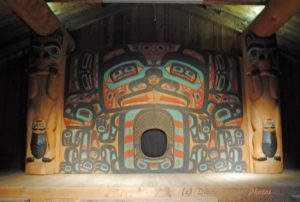 expectations, and proper etiquette. Those insights helped us understand not only what we were seeing, but why it mattered.
It’s a privilege to visit these communities and learn about cultures that have thrived in Alaska for thousands of years. Respecting local traditions helps ensure that visitors and residents alike can share these experiences in a meaningful way.
More Than Mountains and Glaciers
 But while you’re admiring the scenery, I would encourage you to take a moment to look beyond the views and learn about the people who have called this remarkable land home for thousands of years. Meeting Alaska’s Native peoples, hearing their stories, and gaining a better understanding of their traditions added a whole new dimension to our trip.
Long after the glaciers, whales, and mountains fade into memory, those cultural experiences are often the ones that stay with you. They remind us that Alaska is more than a beautiful destination. It’s a living, vibrant place shaped by generations of people whose connection to the land continues today.
For me, that was one of the most enriching parts of the journey.