A Puffin Flashback Adventure
 I fancy myself a wildlife photographer in my dreams. In my imagination, I’m off on Nat Geo expeditions, trekking through jungles and tundra, capturing rare animals in perfect light. Maybe I’m practicing for my next life, when I finally get to take great safaris to exotic places and photograph creatures in all their glory.
But in real life, I’m just regular old me — and yet there was one trip that did feel like a true adventure. One trip where I actually got to photograph amazing wildlife. Yes, they were birds… but very special birds. I got to see puffins.
You don’t find puffins in your neighbor’s backyard. You have to work for puffins, and believe me, I did.
Attempt #1: Eastern Egg Rock — Fog, Waves, and Bumblebees With Wings
My first attempt was a boat tour out of Bar Harbor, Maine, to Eastern Egg Rock in 2015. The entire trip was on a boat, and once we left the harbor, the ocean turned rough. As we neared the island, the fog rolled in — thick, cold, and absolutely relentless. A wet blanket in every sense.
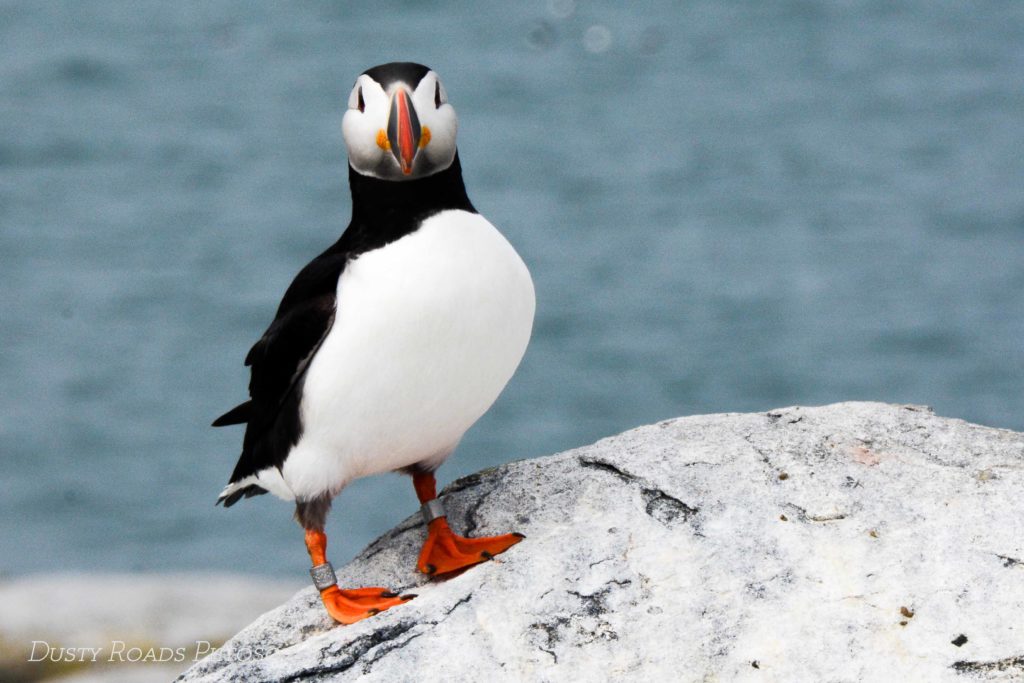
But the puffins didn’t care. They were all around us, tiny little bumblebees with feathers. Round bodies, small wings, and yet these miniature sea birds spend most of the year at sea. They only come ashore during their breeding season, which in Maine is July.
I spent most of the trip flattened on the bow, trying to steady my camera with a 600mm lens while the boat rocked and rolled under me. The puffins were tiny specks in the distance, and most of my photos ended up soft or blurry. It was exhilarating — no question — but from a photography standpoint, it was more “experience” than “results.”
I was disappointed, but not defeated.
Attempt #2: Machias Seal Island — A True Adventure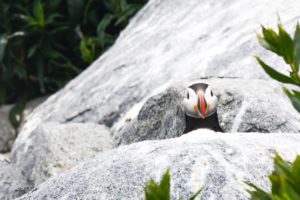
I’d been a Mass Audubon member for years, mostly for access to their wildlife sanctuaries. Shortly after my Egg Rock trip, I heard about their annual July bird‑watching trip. I’d missed it in 2015, but I had almost a year to prepare for 2016 — if they held it again.
I became the biggest nuisance in the history of the local chapter. I called. I emailed. I checked in constantly. And when they finally announced the trip, I was the first person to sign up.
This trip was farther north, deep into the disputed waters between the Bay of Fundy and the Gulf of Maine. Machias Seal Island is jointly managed by the U.S. and Canada, and access is extremely limited. Most tours depart from New Brunswick, but there is one U.S. operator — and that’s who Audubon contracted with.
It was a true adventure‑style trip, the kind that stays with you. Cold weather even in July, rocking boats and tenders that made you hold onto your hat, and wildlife everywhere. Eagles overhead, seals on the rocks, and of course the puffins — those little clowns of the sea.
And although I didn’t get to witness it firsthand, the Bay of Fundy is home to the highest tides on earth, often reaching around 40 feet. Just knowing I was in a place with that kind of natural power added to the feeling of being somewhere wild and extraordinary.
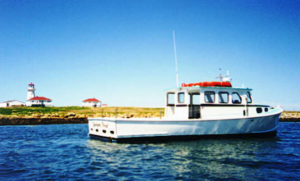 The Crossing
We boarded the tiny boat at dawn for a very cold, rough, windy trip from Cutler, Maine. The crossing is about an hour — a very long hour when your seat is out in the open. The only warmth was in the wheelhouse, where the captain and mate stayed tucked away.
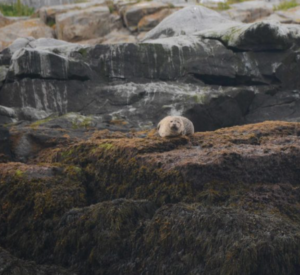
As soon as we reached the island, we saw birds everywhere: gannets, razorbills, and even a seal stranded high on a ledge, left behind by the receding tide. But the puffins ruled the day. They were everywhere.
Into the Blinds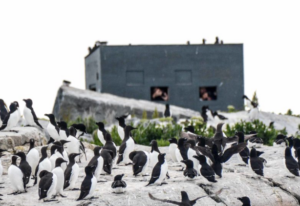
Once off the rocking boat and into a tender, we were ferried to a long boardwalk that snaked up toward the lighthouse. The organizers assigned us to blinds — tiny wooden huts where we’d spend the next two hours. We couldn’t leave, and we could only open the windows on one side at a time. The restrictions were for the puffins’ comfort and safety, but even so, it was an incredible show.
Birds were landing on the roof of the blind. Their feet made strange scratching sounds mixed with the thumps of thier landings. It was surreal. It would make a great horror sound track.
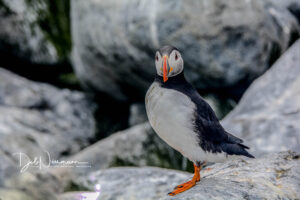
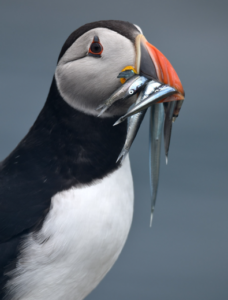
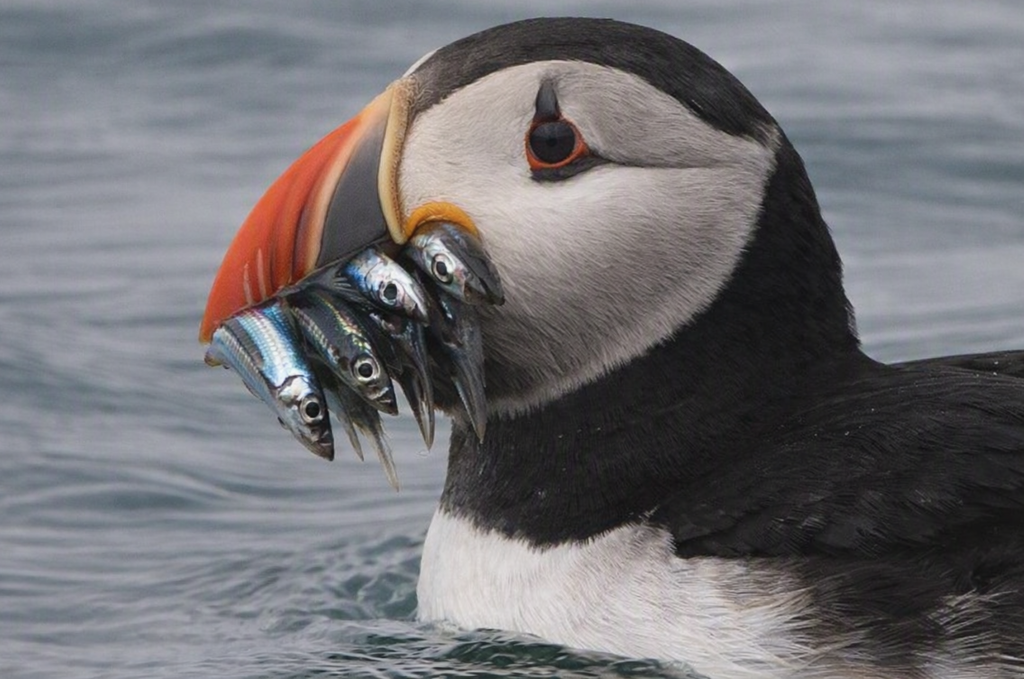
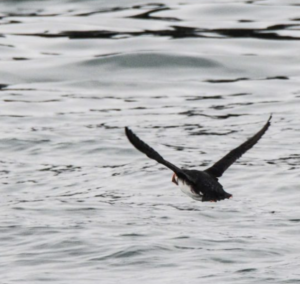
The puffins were in their courting colors — bright orange beaks and matching feet. They were beautiful. Clumsy little birds flying in with beaks full of shrimp and fish. Two hops and they disappeared into their rock burrows.
The time passed quickly, and too soon we were escorted back to our little boat for the long, cold trip to Cutler. It was even colder in the late afternoon, but as miserable as the weather was, I would repeat that trip in a heartbeat.
For those two hours, I really felt like a wildlife photographer — living my dream.
Ten Years Later
Machias Seal Island was 2016. Ten years ago. Audubon still runs puffin trips in July — mostly the gentler Eastern Egg Rock style ones — but Machias Seal Island remains the same rugged, wild adventure it’s always been. Tiny boats. Rocking tenders. Cold winds. A landing that requires balance, grit, and a good sense of humor.
And I’ll be honest: I’m not entirely sure I could manage the rocking boats and tenders now, ten years later. Even if I could I’d still have the climb to the lighthouse that nearly did me in 10 years ago.
But I’d sure like to try.
 Experts believe Balboa’s stance may be influenced by his traumatic encounter with a seagull, who attempted to steal his microphone, his notes, and possibly his soul. Balboa has not forgiven the bird community.


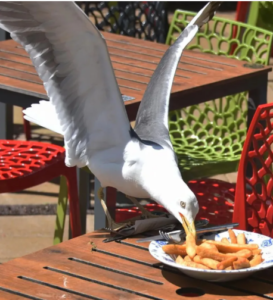 and absolutely disgusting.”
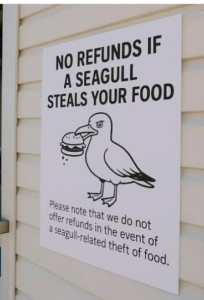 Local restaurants have begun advising customers to “guard your food like it’s the last donut on Earth.” Beachgoers have taken to eating inside their cars — a strategy WMEO officially endorses. Gulls have no respect for personal space or picnic etiquette.
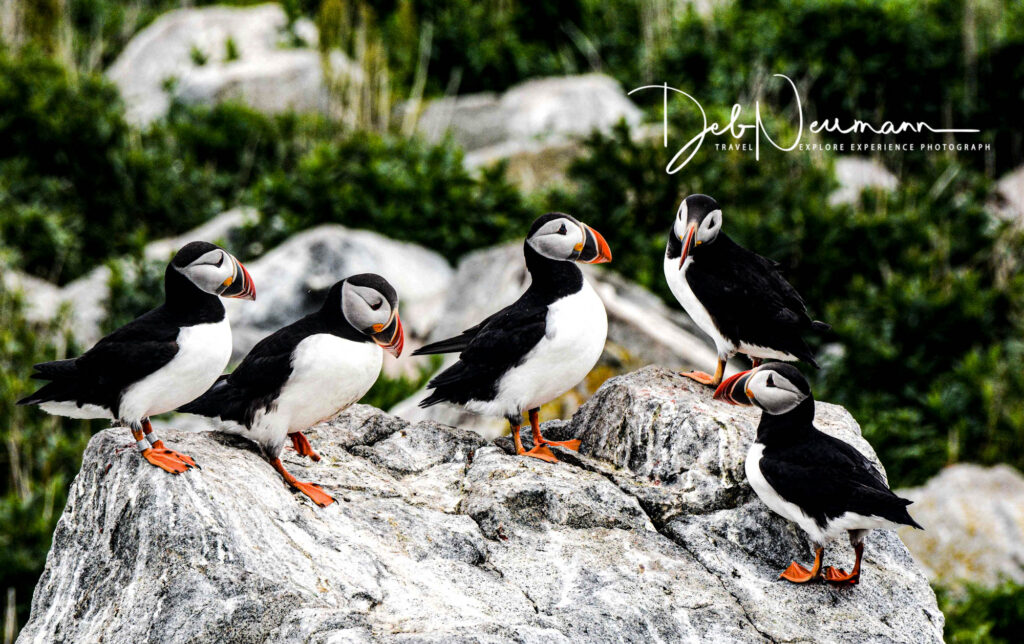

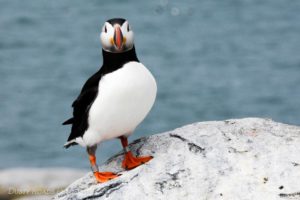 Atlantic puffins once thrived on islands throughout the Gulf of Maine. But the feather trade wasn’t their only threat. Puffins were also hunted for meat and eggs, and their colonies were systematically wiped out.
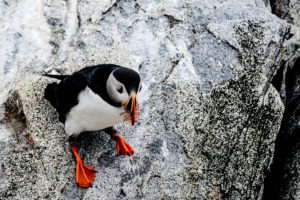 instructor in Maine. He learned that puffins once bred on Eastern Egg Rock, just six miles away — but hadn’t returned in nearly a century.
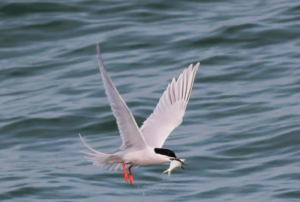 return created the protective environment puffins needed.
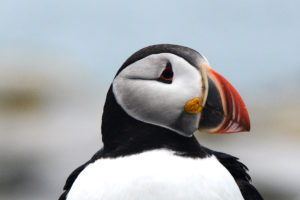 A Colony Reborn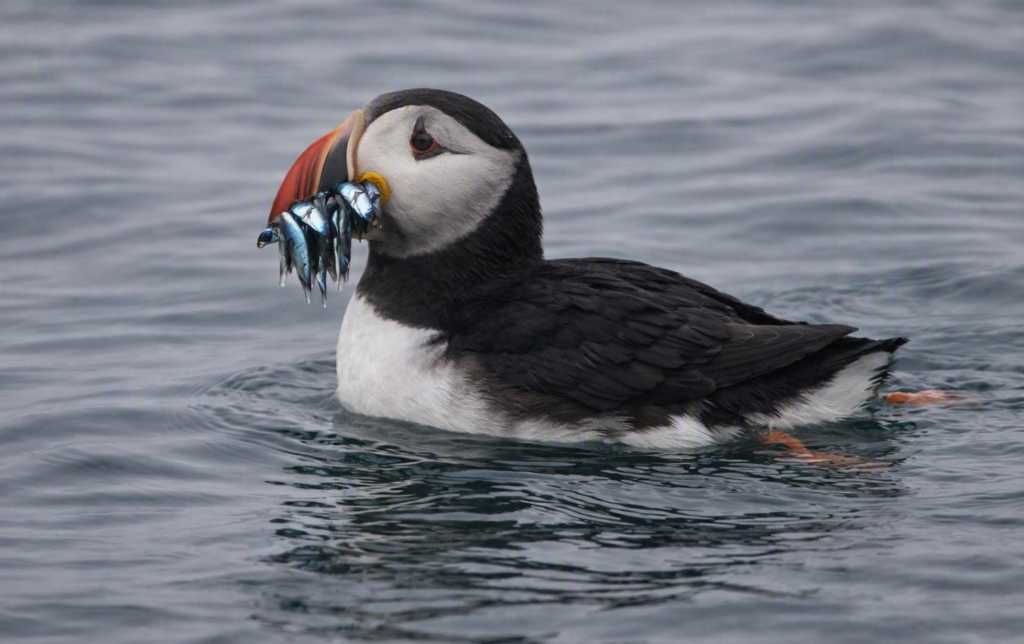
 Finding Gems in the Tedious Work