Boston Transit: The System We Love to Hate
Proudly Delayed Since 1897
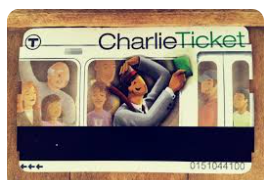
Let me tell you a story about a man named Charlie — yes, that Charlie, the poor soul doomed to ride the MTA forever because Boston raised the fare by a nickel. And honestly, if you’ve ever waited for a Green Line train that was “arriving now” for 14 straight minutes, you know Charlie’s still out there somewhere, circling the city like a transit ghost. But here’s the twist: long before Charlie got trapped in fare‑hike purgatory, Boston actually built the first subway in the entire United States. That’s right — we were pioneers. Visionaries. Transit trailblazers. And somehow, 127 years later, we’re still proudly delayed, occasionally on fire, and held together by tunnels older than most of our cemeteries.
 Before the Subway: Boston’s First Commute (Bring a Rowboat)
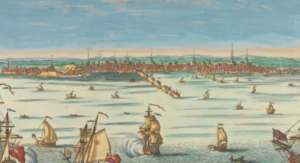
Boston’s transit story actually begins way before subways, delays, and “signal issues.” It starts in 1631, when Thomas Williams launched the first chartered transit service in America — a ferry shuttling people into what was then a tiny peninsula. Walking from Chelsea took two days and at least one meltdown, so the ferry was a hit. Congratulations, Boston: we invented public transit and the first commuter complaint.
1700s: Walking, Carriages, and the First Stagecoach
By the 1700s, Boston had grown to a whopping 800 acres — basically the size of a modern Costco parking lot. Most people still walked everywhere, while the wealthy bounced around in horse‑drawn carriages, which were essentially Uber Black with worse suspension. In 1793, the first stagecoach line opened between Boston and Cambridge. Slow, uncomfortable, and probably smelling like wet wool, it was a perfect preview of the Red Line.
1800s: The Omnibus Era (Hold Onto Your Spine)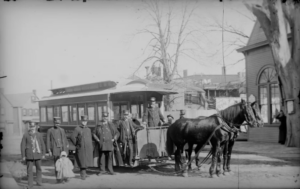
The 1800s brought the omnibus, a horse‑drawn bus that rattled over Boston’s cobblestones like a shopping cart with a grudge. Reliable? Sure. Comfortable? Absolutely not.
Relief arrived in 1856 with the first horsecar on rails, gliding from Central Square to Bowdoin Square and avoiding the potholes that made every other street feel like a chiropractic emergency.
But by the late 1800s, Boston was already drowning in traffic. Tremont Street was so jammed that locals joked you could get across town faster by walking across the roofs of stalled streetcars. Honestly? Still true.
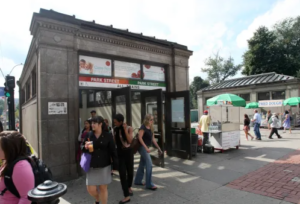 1897: The First Subway in America (And We Still Use It)
Then came the big moment:
In 1897, Boston opened the Tremont Street Subway — the first subway in the United States.
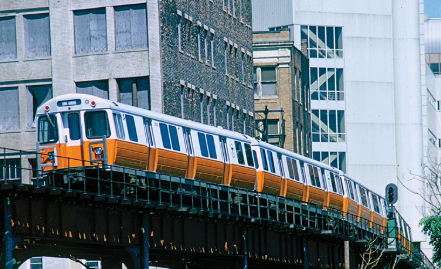
And here’s the wild part: even after the Big Dig ripped the city open like a lobster tail, we’re still using some of those original tunnels under the Boston Common. If you’ve ever wondered why the Green Line feels like it’s traveling through history… it literally is.
Mid‑1900s: Politics, Campaign Songs, and Poor Charlie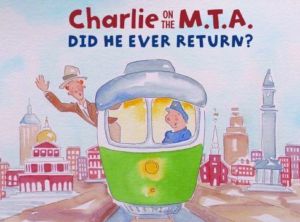
By the mid‑1900s, politics had taken the wheel (hold on tight). Charlie’s famous song? It was actually a 1949 mayoral campaign jingle. Only in Boston would a political ad become a folk classic and a transit trauma.
From there, the T passed through more commissions, budgets, repairs, and “temporary fixes” than anyone can count. If you’ve ever waited 27 minutes for a train that was “2 minutes away,” you’ve felt the legacy.
Today: Still First, Still Trying, Still Delayed
Today, the MBTA serves over a million riders a day across subways, buses, ferries, and commuter rail. It is heroic, chaotic, historic, and occasionally held together by zip ties.
But hey — we were the first.
And we’re still moving… eventually… after this brief delay… due to a disabled train at Government Center… and a signal issue at Alewife… and a mysterious “track problem” they won’t explain.
For more details on the history of the first subway in the country, follow the link here.
Final Stop: Let’s Bring Charlie Home
So join me in this noble cause: let’s finally rescue Charlie. Check your pockets, check your CharlieCard balance, and if you see him on the Green Line, hand him a fare and set him free. Boston owes him that much.