Colorado’s Big, Bold, and Slightly Baked Idea


A Wildlife Overpass for the Ages
A Mile‑High Solution to a Down‑to‑Earth Problem

Yo, wildlife lovers—gather ‘round. Did you know that Colorado, the state where the air is thin, the mountains are tall, and the recreational marijuana is… well, very recreational, is building one of the world’s largest wildlife overpasses? Yes indeed. Leave it to Colorado to say, “Hey, what if we just let the elk do their thing—safely—and vibe their way across the interstate?”
Mama and Cubs

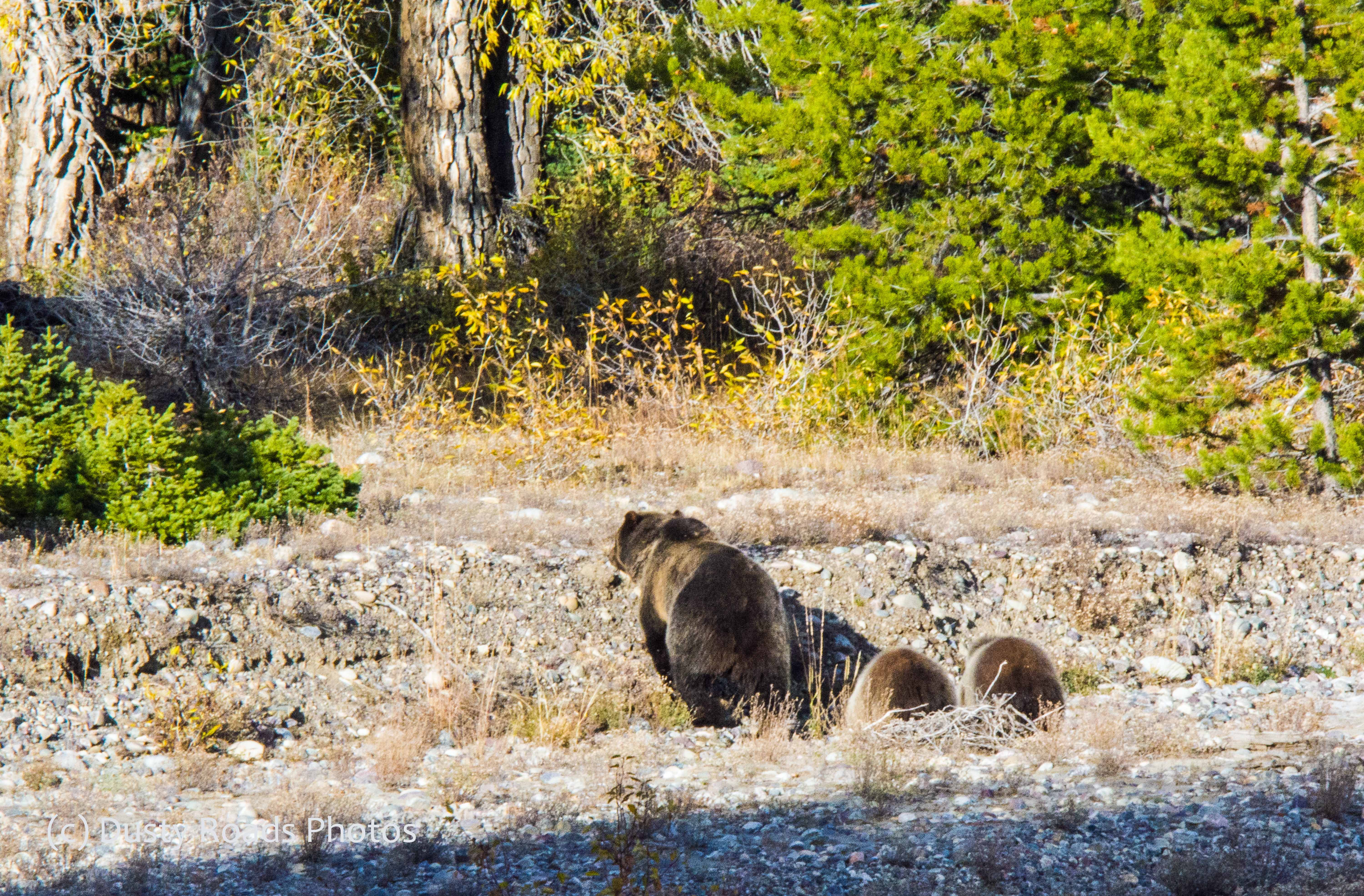
Grizzly 399 and cubs -Wyoming Photo Credit Deb Neumann

I first heard about wildlife crossings in Canada, where they’ve been quietly helping critters avoid becoming roadkill for years. Sometimes it’s a tunnel under a highway; sometimes it’s a lush, green overpass that looks like a national park decided to take a nap on top of a bridge. Either way, the goal is simple: stop the heartbreaking (and frankly messy) carnage we see on roads every year. From squashed squirrels to majestic elk and even bears—vehicle collisions take a toll. Grizzly 399 in Wyoming, a beloved icon, was tragically killed by a vehicle accident. These crossings matter.

The Biggest, Boldest Overpass Yet

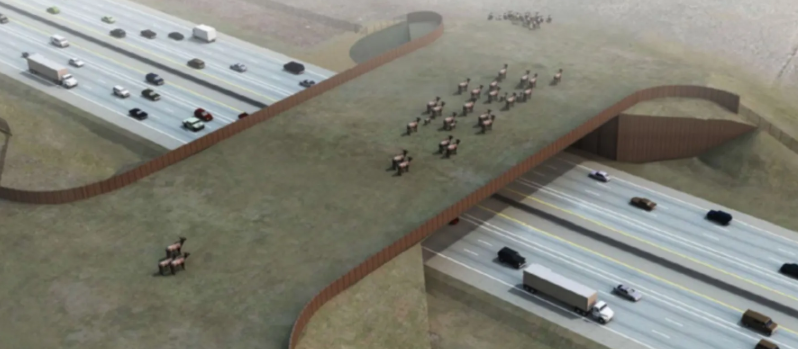
Colorado’s new wildlife overpass is being built across I‑25 near the Greenland interchange between Larkspur and Monument. And this isn’t just any overpass—this will be the world’s largest wildlife structure over a major roadway. Leave it to Colorado to go big or go home. Maybe it’s the altitude. Maybe it’s the edibles. Who’s to say.

This massive structure will span six full lanes of interstate traffic. Imagine elk strolling over rush hour like they’re on a scenic hiking trail while commuters below sip coffee and wonder why they didn’t choose a simpler life in the woods.
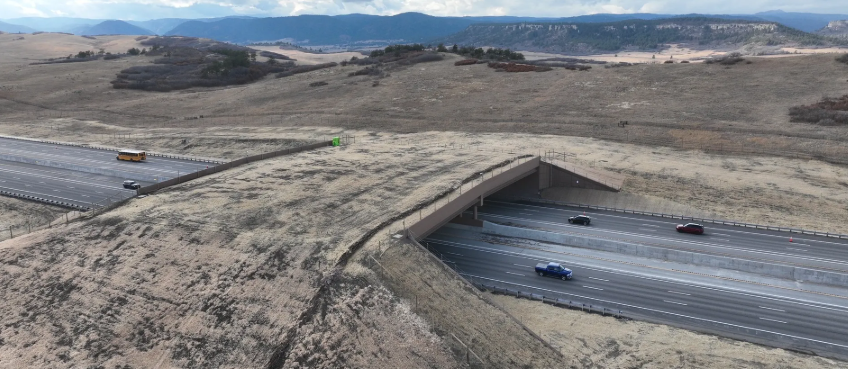
Why Overpasses Work (Especially for the Big Guys)

Before this system began construction, this stretch of I‑25 saw an average of one wildlife‑vehicle crash per day. One. Every. Day. The new crossing system—overpass plus underpasses—is expected to reduce those crashes by up to 90%.
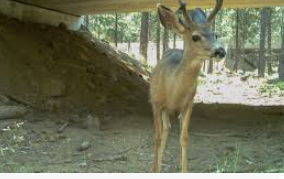
Smaller animals tend to use the tunnels, but elk and other large game? They’re not fans of enclosed spaces. Tunnels don’t accommodate their antlers, their line of sight, or their general “I need room to strut” energy. Overpasses, with open views and natural vegetation, are their preferred runway.

A Win for Wildlife and Drivers Alike

This project is a reminder that conservation doesn’t always require grand speeches or sweeping legislation. Sometimes it’s as simple—and brilliant—as giving animals a safe path home. Colorado’s leading the way, and honestly, I hope more states follow suit.

After all, if we can build bridges for people, why not build them for the creatures who were here long before the interstates arrived?

 

When Protections Shift


The ESA in a Changing Political Landscape

The Endangered Species Act has shaped wildlife conservation for more than fifty years, and today it faces one of its most challenging chapters. Policies continue to shift, and new proposals keep emerging, which pushes the ESA into a period of rapid change. As a result, many scientists, advocates, and nature‑loving communities are watching closely. They want to understand how these decisions will influence the species and landscapes we rely on. Because of this growing uncertainty, it’s more important than ever to look at what’s changing—and why it matters.


A Law Still Standing — But Applied Differently

The ESA still exists as federal law, and lawmakers have not repealed it. However, the current administration continues to introduce regulatory changes that alter how the law works in practice. These revisions reshape how agencies evaluate species, designate habitat, and weigh economic impacts.

For example, the administration now:

  • Considers economic factors when reviewing species for protection
  • Limits the definition of “critical habitat”
  • Makes delisting easier
  • Removes automatic protections for newly listed threatened species

Because these changes shift the law’s practical impact, conservation groups argue that the ESA no longer functions with the same strength it once had. Meanwhile, industries that rely on land use and development often support these revisions because they reduce regulatory barriers.


Why These Changes Matter for Wildlife

Wildlife depends on timely, science‑based decisions, and even small delays can create long‑term consequences. When agencies slow the listing process or narrow habitat protections, vulnerable species lose the support they need to recover.

For instance:

  • North Atlantic right whales face increasing threats from ship strikes and entanglement
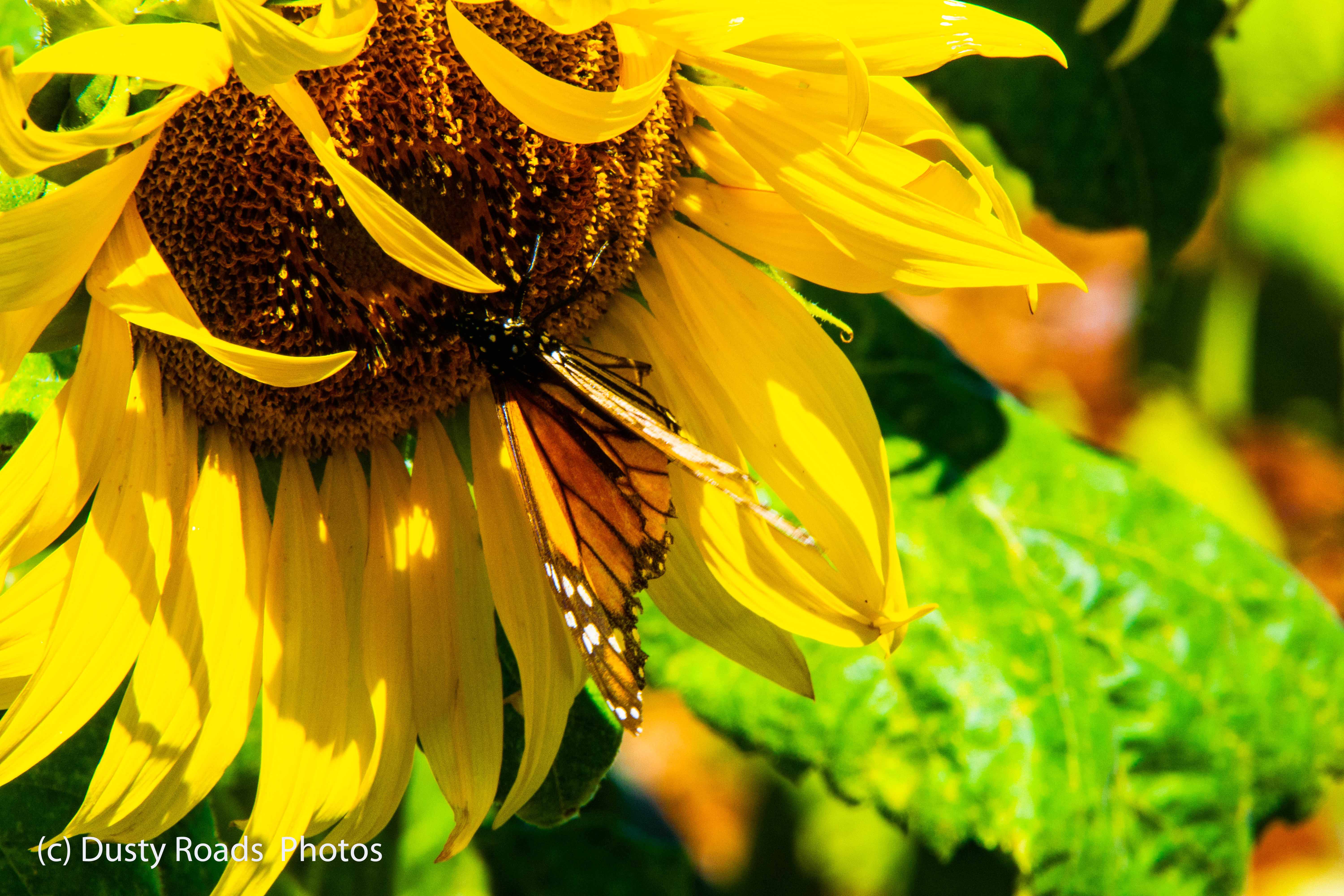
  • Monarch butterflies continue to decline as milkweed disappears
  • Wolverines struggle as warming temperatures reduce snowpack
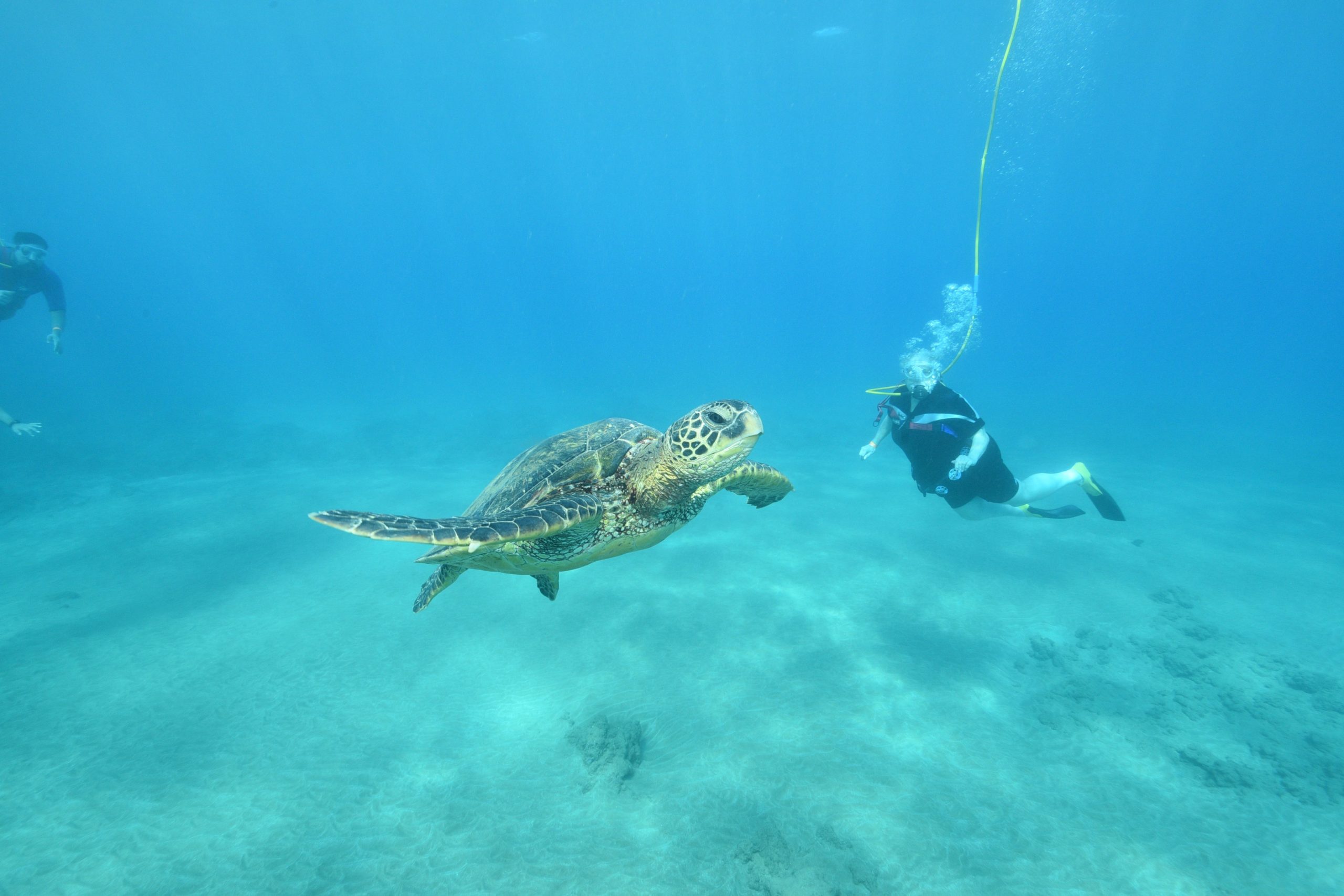
  • Sea turtles rely on protected nesting beaches that development can easily disrupt

Furthermore, weakened protections can ripple through entire ecosystems. When one species declines, others often follow, which ultimately affects the health of forests, coastlines, and waterways.


The Human Side of Conservation

These policy changes also influence the communities that share space with wildlife. Because the ESA guides how we manage land, water, and development, any shift in its application affects people as well.

Across New England and beyond, these changes may:

  • Alter land‑use planning
  • Influence environmental review processes
  • Affect tourism and outdoor recreation
  • Create uncertainty for conservation groups and local governments

Consequently, the ESA plays a larger role in daily life than many people realize. It shapes the balance between human activity and the natural world, and that balance directly affects our quality of life.


A Crossroads for Conservation

Right now, the ESA stands at a crossroads. The decisions made today will influence wildlife protection for decades. Because these proposals continue to evolve, the story is far from over. Conservationists, lawmakers, and communities across the country are watching closely, and many of them are preparing for long debates about the future of the law.


Staying Engaged as the Story Unfolds

We’re tracking these developments as they happen, and each new proposal adds another layer to the conversation. I’ll continue following the changes and explaining what they mean for wildlife, habitats, and the communities that depend on them. Stay with me as this story moves forward—every decision made now will shape the natural world we pass on to the next generation.

Sunflower and butterfly 2018

Numbats: Tiny Tongues, Big Conservation Tales


Pack your curiosity! Let’s return to the land down under for a close-up look at one of its tiniest treasures—the numbat.

Meet the Numbat: Australia’s Striped Marvel

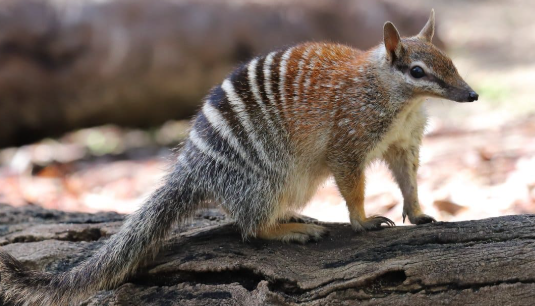
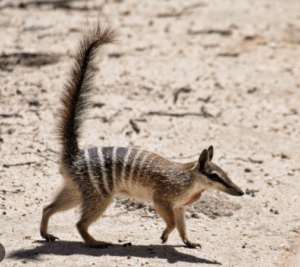
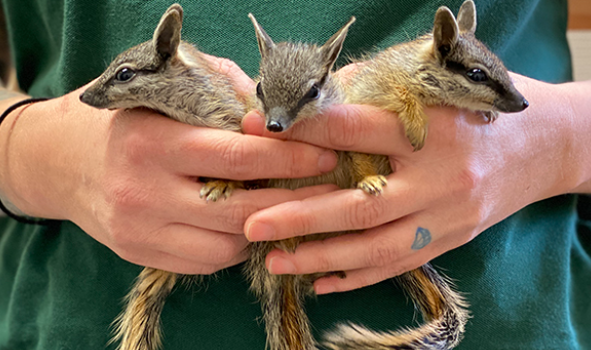
The numbat (Myrmecobius fasciatus), also known as the walpurti or banded anteater, is a small marsupial native to Australia. Once widespread across southern regions, their numbers have dwindled dramatically since the 1970s. Today, fewer than 1,000 numbats remain in the wild, mostly in isolated pockets of Western Australia and a few reintroduced populations in New South Wales and South Australia.

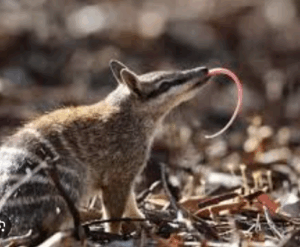
These creatures are daytime foragers, using their keen sense of smell and impressive tongues to hunt termites. Their bodies measure around 11 inches long, not including their bushy tails, and they rely on hollow logs for shelter—making habitat preservation critical.

World Numbat Day: A Global Call to Action

Since 2015, World Numbat Day has rallied conservationists and animal lovers alike to celebrate and protect this endangered species. Spearheaded by Project Numbat Inc., the day highlights the importance of community involvement, responsible pet ownership, and habitat conservation.

Even if you’re not in Australia, you can support numbats by sharing their story, donating to conservation efforts, and spreading awareness. Removing hollow logs from the bush may seem harmless, but for numbats, it’s a matter of survival.

Why Numbats Matter

Numbats aren’t just cute—they’re ecological indicators and cultural icons. Their survival depends on our choices, from predator control to habitat protection. Organizations like Project Numbat Inc., Perth Zoo, and the Australian Wildlife Conservancy are working tirelessly to ensure these tiny termite hunters don’t vanish from the landscape.

So next time you see a numbat photo, let it inspire action—not adoption. Celebrate their wildness, support their conservation, and let their story remind us that even the smallest creatures deserve a place in our world.

Can You Keep a Numbat as a Pet?

If you’ve ever stumbled across a photo of a numbat and thought, “I want one,” you’re not alone. With their striped coats, pointy noses, and squirrel-like charm, numbats look like they leapt out of a storybook. Technically, in Australia, it’s possible to keep a numbat as a pet—with the right permits and licenses. But before you start dreaming of a backyard banded anteater, there’s more to consider.

Numbats are wild marsupials with very specific needs. Their diet consists almost entirely of termites, and they use their long, sticky tongues—nearly four inches in length—to scoop them up. They’re solitary by nature and thrive in quiet, undisturbed environments. Trying to replicate their habitat in a home setting is not only difficult—it can be detrimental to their well-being. Admiring them from afar is the kindest choice.

Its International Tiger Day

🧡 Roaring Back: Tigers, India, and the Power of Rediscovery 🧡

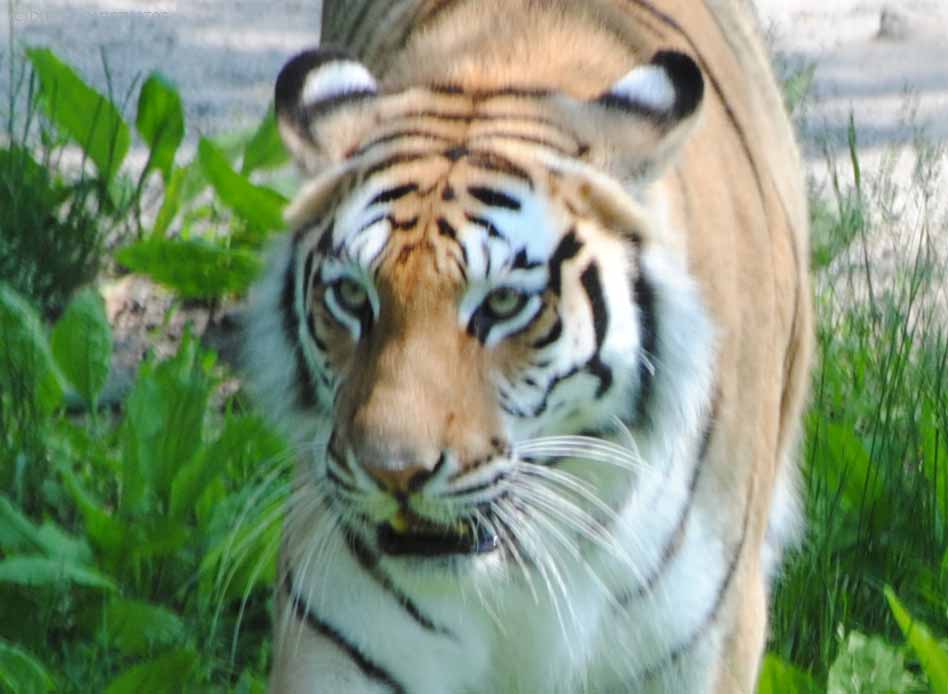
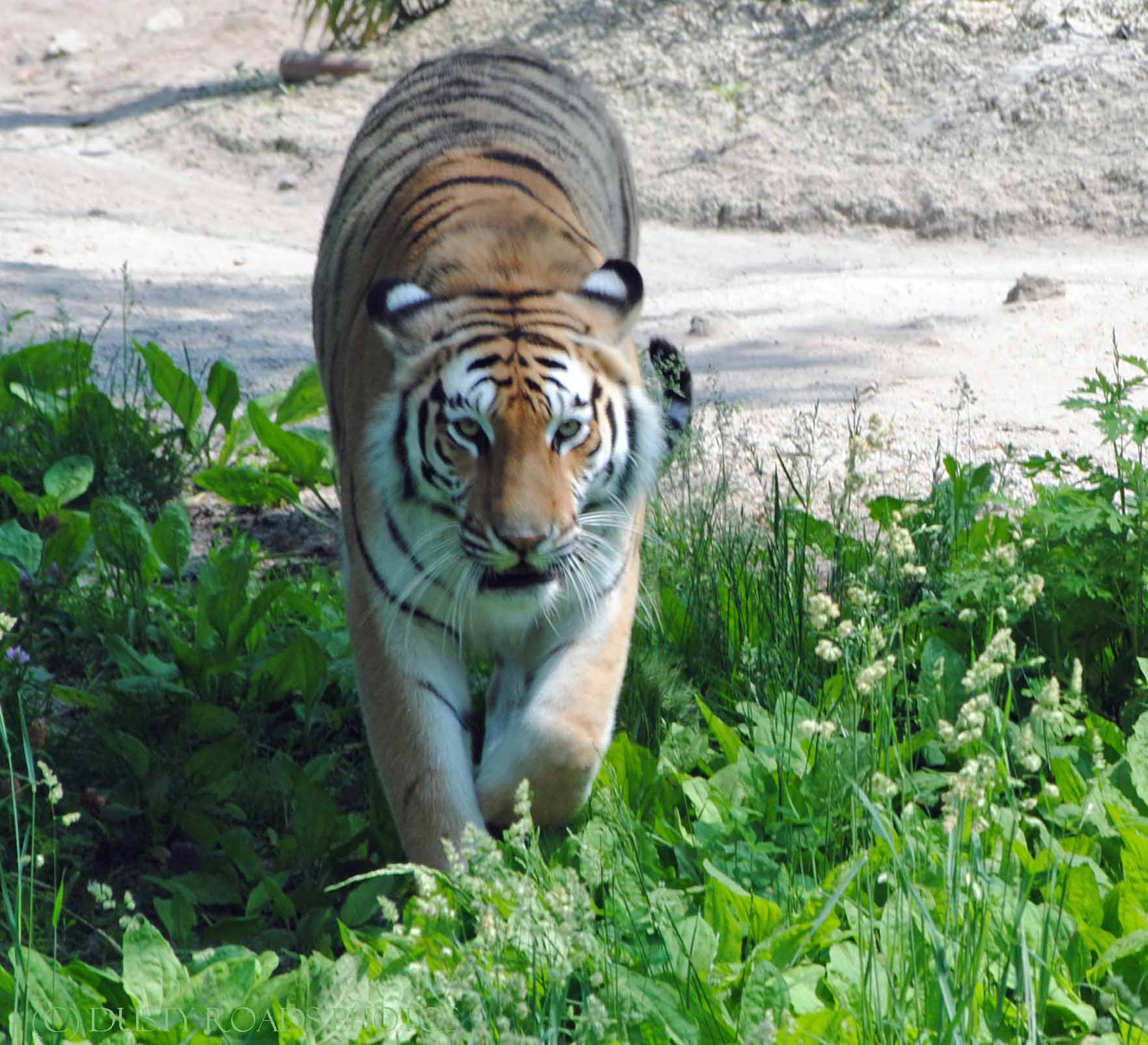
Every year on July 29, the world pauses to honor one of nature’s most iconic predators: the tiger. International Tiger Day, also known as Global Tiger Day, began in 2010 at the Saint Petersburg Tiger Summit with a bold goal—double the number of wild tigers by 2022. In 2025, India stands as a beacon of hope, having not only met but surpassed that target.

Photo credit Deb Neumann

🐅 India’s Tiger Triumph

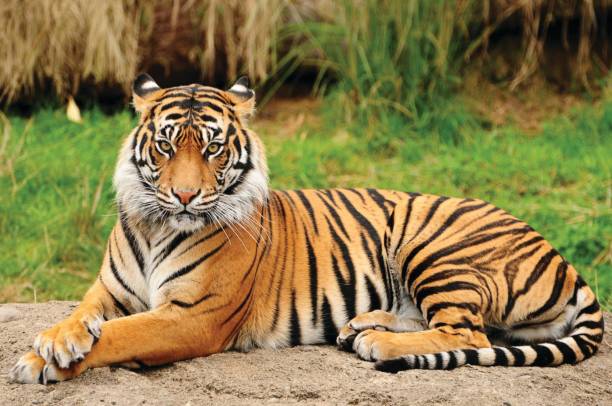
India is now home to over 3,700 wild tigers, representing 75% of the global population. This remarkable recovery didn’t happen by chance—it’s the result of decades of conservation work under initiatives like Project Tiger, launched in 1973. The strategy blends protected reserves, community engagement, and modern technology like GPS tracking to monitor tiger movements.

Photo Credit Deb Neumann

What makes India’s approach unique is its emphasis on coexistence. Tigers aren’t confined to isolated parks—they roam landscapes shared with over 60 million people. Through compensation programs, eco-tourism, and education, communities have become active partners in conservation. In places like Pilibhit and Dudhwa, grassroots efforts and “Bagh Mitras” (Tiger Friends) help prevent conflict and build trust.

🌍 Lessons from “Extinct or Alive”

This story of tiger resurgence echoes the spirit of the TV show Extinct or Alive, hosted by wildlife biologist Forrest Galante. The show follows Galante as he searches for animals believed to be extinct, often uncovering evidence that they still survive in remote corners of the world.

In one episode, Galante’s team rediscovered the Fernandina Island Galápagos tortoise, a species unseen for over a century. Another episode featured the Zanzibar leopard, caught on camera in a moment that challenged long-held assumptions about extinction. These discoveries remind us that extinction isn’t always final—sometimes, it’s a call to look closer, listen harder, and believe in nature’s resilience.

India’s tiger story is a real-world version of this ethos. It proves that with science, cultural respect, and community support, even the most endangered species can make a comeback.

https://preview.redd.it/do-you-think-the-javan-tiger-is-truly-extinct-or-no-v0-qyrh8tif69lb1.jpg?width=640&crop=smart&auto=webp&s=74d07341c51fed1249f40acf2f8cb7e75bc4f012

Javan Tiger- Extinct or Alive

🌱 Why Tigers Matter

 Tigers  are more than majestic creatures—they’re keystone species. Their presence helps regulate prey populations, maintain forest health, and support biodiversity. Forests where tigers thrive also act as carbon sinks, protect water sources, and reduce flood risks.

Saving tigers means saving entire ecosystems—and by extension, ourselves.

🐾 Final Roar

On this International Tiger Day, let’s celebrate not just the tiger’s survival, but its return. Let’s honor the communities, scientists, and storytellers who keep hope alive. And let’s remember that extinction is not a closed door—it’s a challenge to open new ones.

Because sometimes, the roar isn’t gone—it’s just waiting to be heard again.


199,000+ Tiger Stock Photos, Pictures & Royalty-Free Images ...

Stock Photo


Earth Day

Oh My. I missed Earth Day! How could that happen? I am a true “tree hugger”. I mourn the loss of wild spaces and gardens that are cleared for “expansion”. I support the wolves in Yellowstone. As much as possible I prefer to leave the land as it is.

I own a piece of property in the Adirondack Park in NY. My mother still lives there. A few years ago a family of beavers moved in and built a dam on a stream. This activity was all on my land. My mother, who is clearly from a different generation, spent hours and days waging war against these beavers. I, on the other hand, wanted her to leave them alone. Let their dam create a pond. It’s the natural progression. Eventually the pond will fill in and become a meadow which will then begin to turn into forest. Let nature take it’s course.

Earth Day Saving the World for the future

Earth Day
Saving the World for the future

Now here’s a controversial thought. Even in my circle of close friends it’s a taboo subject because half believe and half don’t and everyone wants to stick up for their belief. That’s Global Warming. Is it or isn’t it? I think at this point there is ample evidence that there is.  True the earth cycles through warming and ice ages and has done that forever but temps are rising faster than ever before in the history of the world. The glaciers are melting and polar bears are being threatened by the shrinking ice sheet. Storms intensify and winters become more severe while summers are hotter and drought is common. Yes, all that is happening now.

Poor mother earth. 🙁  We have not taken very good care of you. Earth Day is needed and I missed it.