Happy Earth Day


A Day to Celebrate Our Shared Planet

Every April 22, the world pauses—just for a moment—to honor the only home we’ve ever known. Earth Day began in 1970 as a national call for environmental protection, but by 1990 it had grown into a global movement, with organized events in 141 countries and a shared understanding that caring for the planet is something we all hold in common.

The Photo That Changed How We See Earth

One of the sparks that helped shape the early environmental movement wasn’t a speech or a law. It was a photograph.

In 1968, during the Apollo 8 mission, astronaut Bill Anders captured the now‑iconic “Earthrise” image: our blue planet rising above the gray lunar horizon. Small. Bright. Fragile. That single picture changed how millions of people saw the world. It reminded us that everything we love—every ocean, every forest, every city, every memory—exists on this one shimmering sphere floating in the dark. It’s hard not to feel something when you look at it.

More than 50 years after it was shot, Earthrise continues to be seen as one of the most iconic environmental photographs ever taken.

Earthrise photo by Bill Anders

Earth Day Close to Home: The Forever Farm

Closer to home, Earth Day feels a little more grounded.

The Forever Farm holds a special place in my heart. It was founded by my friend — and former supervisor — Nichole Botelho, one of those rare people who turns life’s lemons into something far sweeter. When the pandemic brought an unexpected layoff, she didn’t shrink from it. She dreamed bigger. What started as a quiet idea she once mentioned to me has grown into a thriving sanctuary for farm animals who deserve a second chance.

Celebrate Earth Day With the Forever Farm

And these aren’t the typical “cute and cuddly” rescues you see on posters. Nichole opens her arms to donkeys and pigs, chickens and roosters, and even a miniature horse named Miracle. Watching her take a dream and build it into a place of safety, healing, and hope has been nothing short of inspiring. The Forever Farm is a reminder that caring for the planet isn’t just about oceans and forests — it’s also about the creatures who share our daily world.

Small Actions, Big Impact

Earth Day doesn’t ask us to be perfect. It simply asks us to pay attention. To notice the beauty around us. To care a little more today than we did yesterday. And to remember that even small choices — recycling, planting, supporting local farms, protecting green spaces — add up when millions of people make them together.

A Moment to Reflect and Recommit

So here’s to Earth Day.
To the big blue marble in the sky.
To the places we love.
And to the people, like Nichole, who turn compassion into action and make this planet a little kinder for all who call it home.


Largest Wildlife Overpass In North America

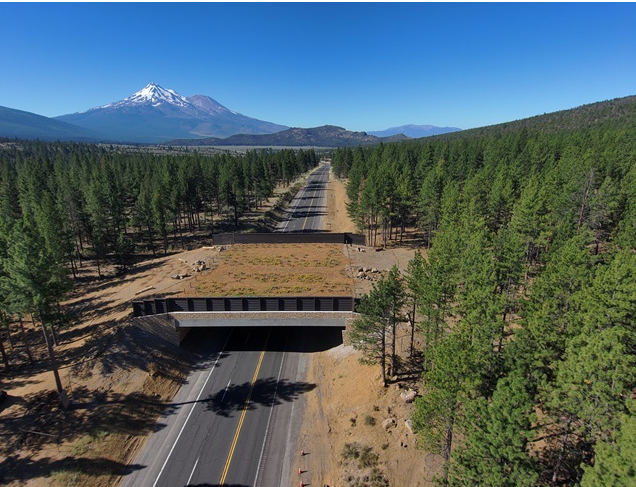
Largest Wildlife Overpass in North America is completed in Colorado


A  Wildlife Win in Colorado

Gotta love it when the universe hands you a little validation. Back in December, I wrote about Colorado’s plans for a new wildlife overpass. Fast‑forward to April, and my Google AI feed lit up with an update: the Greenland Wildlife Overpass is officially complete — and it’s now the largest wildlife overpass in North America.

Greenland Wildlife Overpass

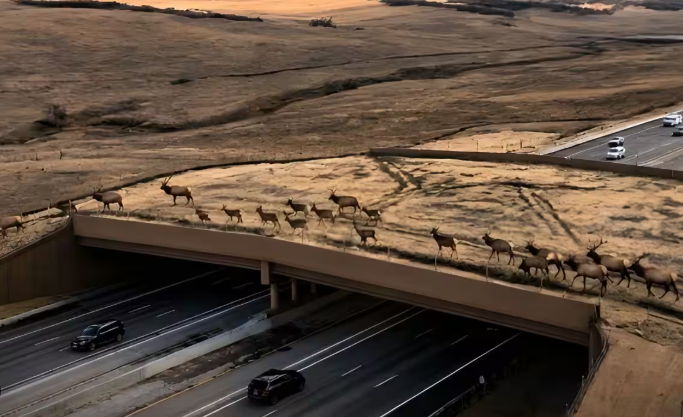
This thing is massive: 200 feet wide, 209 feet long, and fully covered with rocks, soil, and native vegetation so it blends right into the landscape. The goal is simple but powerful — give wildlife a safe way across a busy stretch of I‑25.

And it’s needed. Before the bridge, this area averaged one wildlife–vehicle collision every single day.

Expected Use

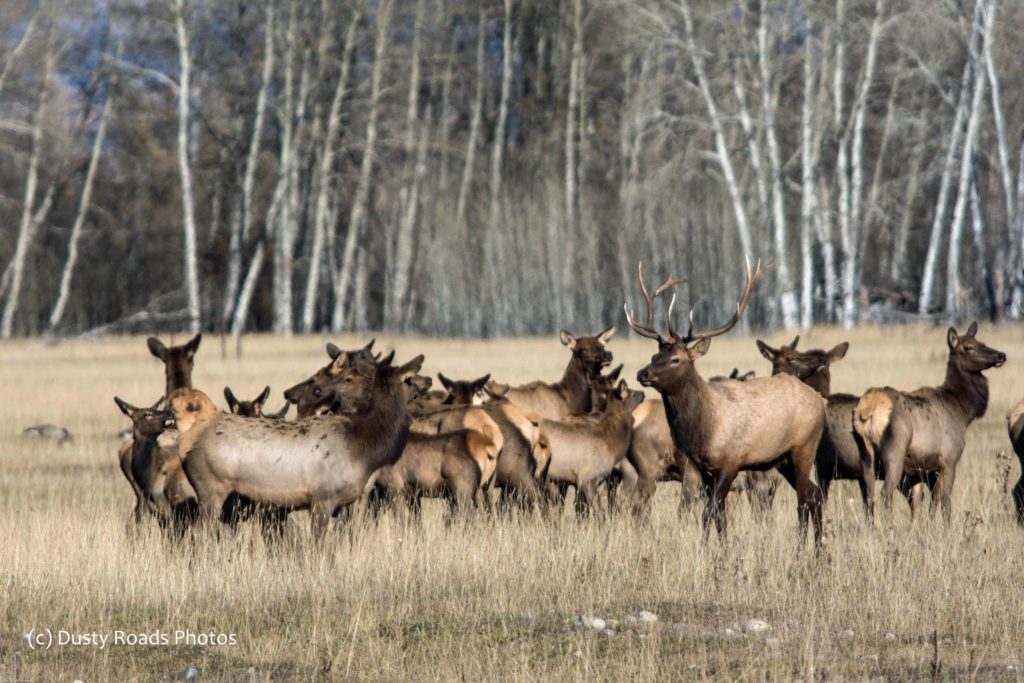
A pair of Bull elk

The overpass is designed primarily for pronghorn and elk, but biologists expect moose, black bears, mountain lions, and mule deer to use it too. Even better, the project wrapped up ahead of schedule and under budget, coming in around $15 million, funded through federal infrastructure support and state partners.

It’s a rare moment where safety, conservation, and smart planning all line up — and I’m here for it.

Want to know more? Check out my previous post:

Colorado’s Big, Bold, and Slightly Baked Idea

Colorado’s Big, Bold, and Slightly Baked Idea


A Wildlife Overpass for the Ages

A Mile‑High Solution to a Down‑to‑Earth Problem

Yo, wildlife lovers—gather ‘round. Did you know that Colorado, the state where the air is thin, the mountains are tall, and the recreational marijuana is… well, very recreational, is building one of the world’s largest wildlife overpasses? Yes indeed. Leave it to Colorado to say, “Hey, what if we just let the elk do their thing—safely—and vibe their way across the interstate?”

Mama and Cubs

Grizzly 399 and cubs -Wyoming Photo Credit Deb Neumann

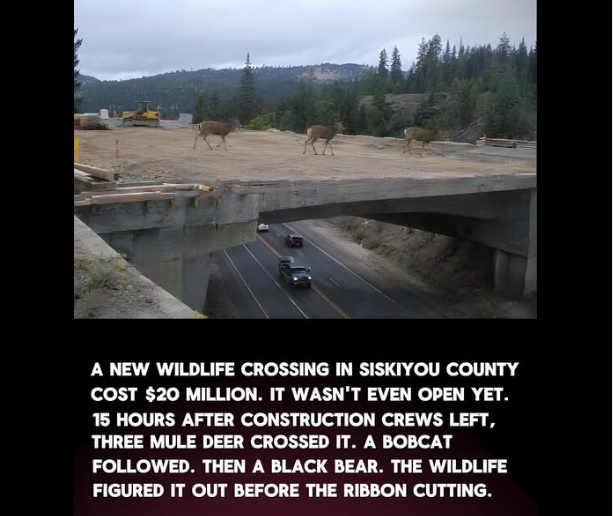
I first heard about wildlife crossings in Canada, where they’ve been quietly helping critters avoid becoming roadkill for years. Sometimes it’s a tunnel under a highway; sometimes it’s a lush, green overpass that looks like a national park decided to take a nap on top of a bridge. Either way, the goal is simple: stop the heartbreaking (and frankly messy) carnage we see on roads every year. From squashed squirrels to majestic elk and even bears—vehicle collisions take a toll. Grizzly 399 in Wyoming, a beloved icon, was tragically killed by a vehicle accident. These crossings matter.

The Biggest, Boldest Overpass Yet

Colorado’s new wildlife overpass is being built across I‑25 near the Greenland interchange between Larkspur and Monument. And this isn’t just any overpass—this will be the world’s largest wildlife structure over a major roadway. Leave it to Colorado to go big or go home. Maybe it’s the altitude. Maybe it’s the edibles. Who’s to say.

This massive structure will span six full lanes of interstate traffic. Imagine elk strolling over rush hour like they’re on a scenic hiking trail while commuters below sip coffee and wonder why they didn’t choose a simpler life in the woods.

Why Overpasses Work (Especially for the Big Guys)

Before this system began construction, this stretch of I‑25 saw an average of one wildlife‑vehicle crash per day. One. Every. Day. The new crossing system—overpass plus underpasses—is expected to reduce those crashes by up to 90%.

Smaller animals tend to use the tunnels, but elk and other large game? They’re not fans of enclosed spaces. Tunnels don’t accommodate their antlers, their line of sight, or their general “I need room to strut” energy. Overpasses, with open views and natural vegetation, are their preferred runway.

A Win for Wildlife and Drivers Alike

This project is a reminder that conservation doesn’t always require grand speeches or sweeping legislation. Sometimes it’s as simple—and brilliant—as giving animals a safe path home. Colorado’s leading the way, and honestly, I hope more states follow suit.

After all, if we can build bridges for people, why not build them for the creatures who were here long before the interstates arrived?


When Protections Shift


The ESA in a Changing Political Landscape

The Endangered Species Act has shaped wildlife conservation for more than fifty years, and today it faces one of its most challenging chapters. Policies continue to shift, and new proposals keep emerging, which pushes the ESA into a period of rapid change. As a result, many scientists, advocates, and nature‑loving communities are watching closely. They want to understand how these decisions will influence the species and landscapes we rely on. Because of this growing uncertainty, it’s more important than ever to look at what’s changing—and why it matters.


A Law Still Standing — But Applied Differently

The ESA still exists as federal law, and lawmakers have not repealed it. However, the current administration continues to introduce regulatory changes that alter how the law works in practice. These revisions reshape how agencies evaluate species, designate habitat, and weigh economic impacts.

For example, the administration now:

  • Considers economic factors when reviewing species for protection
  • Limits the definition of “critical habitat”
  • Makes delisting easier
  • Removes automatic protections for newly listed threatened species

Because these changes shift the law’s practical impact, conservation groups argue that the ESA no longer functions with the same strength it once had. Meanwhile, industries that rely on land use and development often support these revisions because they reduce regulatory barriers.


Why These Changes Matter for Wildlife

Wildlife depends on timely, science‑based decisions, and even small delays can create long‑term consequences. When agencies slow the listing process or narrow habitat protections, vulnerable species lose the support they need to recover.

For instance:

  • North Atlantic right whales face increasing threats from ship strikes and entanglement
  • Monarch butterflies continue to decline as milkweed disappears
  • Wolverines struggle as warming temperatures reduce snowpack
  • Sea turtles rely on protected nesting beaches that development can easily disrupt

Furthermore, weakened protections can ripple through entire ecosystems. When one species declines, others often follow, which ultimately affects the health of forests, coastlines, and waterways.


The Human Side of Conservation

These policy changes also influence the communities that share space with wildlife. Because the ESA guides how we manage land, water, and development, any shift in its application affects people as well.

Across New England and beyond, these changes may:

  • Alter land‑use planning
  • Influence environmental review processes
  • Affect tourism and outdoor recreation
  • Create uncertainty for conservation groups and local governments

Consequently, the ESA plays a larger role in daily life than many people realize. It shapes the balance between human activity and the natural world, and that balance directly affects our quality of life.


A Crossroads for Conservation

Right now, the ESA stands at a crossroads. The decisions made today will influence wildlife protection for decades. Because these proposals continue to evolve, the story is far from over. Conservationists, lawmakers, and communities across the country are watching closely, and many of them are preparing for long debates about the future of the law.


Staying Engaged as the Story Unfolds

We’re tracking these developments as they happen, and each new proposal adds another layer to the conversation. I’ll continue following the changes and explaining what they mean for wildlife, habitats, and the communities that depend on them. Stay with me as this story moves forward—every decision made now will shape the natural world we pass on to the next generation.

Sunflower and butterfly 2018

Numbats: Tiny Tongues, Big Conservation Tales


Pack your curiosity! Let’s return to the land down under for a close-up look at one of its tiniest treasures—the numbat.

Meet the Numbat: Australia’s Striped Marvel

The numbat (Myrmecobius fasciatus), also known as the walpurti or banded anteater, is a small marsupial native to Australia. Once widespread across southern regions, their numbers have dwindled dramatically since the 1970s. Today, fewer than 1,000 numbats remain in the wild, mostly in isolated pockets of Western Australia and a few reintroduced populations in New South Wales and South Australia.

These creatures are daytime foragers, using their keen sense of smell and impressive tongues to hunt termites. Their bodies measure around 11 inches long, not including their bushy tails, and they rely on hollow logs for shelter—making habitat preservation critical.

World Numbat Day: A Global Call to Action

Since 2015, World Numbat Day has rallied conservationists and animal lovers alike to celebrate and protect this endangered species. Spearheaded by Project Numbat Inc., the day highlights the importance of community involvement, responsible pet ownership, and habitat conservation.

Even if you’re not in Australia, you can support numbats by sharing their story, donating to conservation efforts, and spreading awareness. Removing hollow logs from the bush may seem harmless, but for numbats, it’s a matter of survival.

Why Numbats Matter

Numbats aren’t just cute—they’re ecological indicators and cultural icons. Their survival depends on our choices, from predator control to habitat protection. Organizations like Project Numbat Inc., Perth Zoo, and the Australian Wildlife Conservancy are working tirelessly to ensure these tiny termite hunters don’t vanish from the landscape.

So next time you see a numbat photo, let it inspire action—not adoption. Celebrate their wildness, support their conservation, and let their story remind us that even the smallest creatures deserve a place in our world.

Can You Keep a Numbat as a Pet?

If you’ve ever stumbled across a photo of a numbat and thought, “I want one,” you’re not alone. With their striped coats, pointy noses, and squirrel-like charm, numbats look like they leapt out of a storybook. Technically, in Australia, it’s possible to keep a numbat as a pet—with the right permits and licenses. But before you start dreaming of a backyard banded anteater, there’s more to consider.

Numbats are wild marsupials with very specific needs. Their diet consists almost entirely of termites, and they use their long, sticky tongues—nearly four inches in length—to scoop them up. They’re solitary by nature and thrive in quiet, undisturbed environments. Trying to replicate their habitat in a home setting is not only difficult—it can be detrimental to their well-being. Admiring them from afar is the kindest choice.