National Napping Day: The Holiday We Actually Need After the Time Change
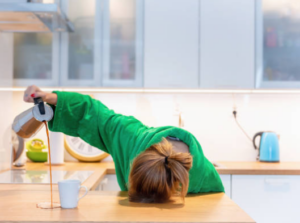 If you’ve been following along here on Around Dusty Roads, you know I’ve spent the past week or so grumbling, musing, and generally side‑eyeing Daylight Saving Time. And now that we’ve all “sprung forward” and lost an hour of sleep we never agreed to give up, it’s only fair that today brings us a little mercy.
Enter National Napping Day — the unofficial, absolutely essential holiday that arrives the Monday after the time change. In 2026, that’s today, March 9.
Honestly? This might be the most sensible holiday on the calendar.
Why Today Exists (And Why We Deserve It)
National Napping Day was created back in 1999 by a Boston University professor and his wife — which feels very on‑brand for New England. Only here would someone look at a population of overtired, cranky, sleep‑deprived people and say, “You know what? Let’s make this official.”
The idea was simple:
We lose an hour.
We feel awful.
We should nap.
Science backs them up. Even a short 20‑minute nap can boost alertness, improve mood, and help counteract the grogginess that hits hard after the clocks jump ahead.
And here’s a little personal observation: since retiring, I nap almost every day. It’s become one of the unexpected perks of this new chapter. And no — it doesn’t mess with my nighttime sleep. My bladder and the cats take care of that all on their own. If anything, the nap is the most predictable part of my sleep schedule.
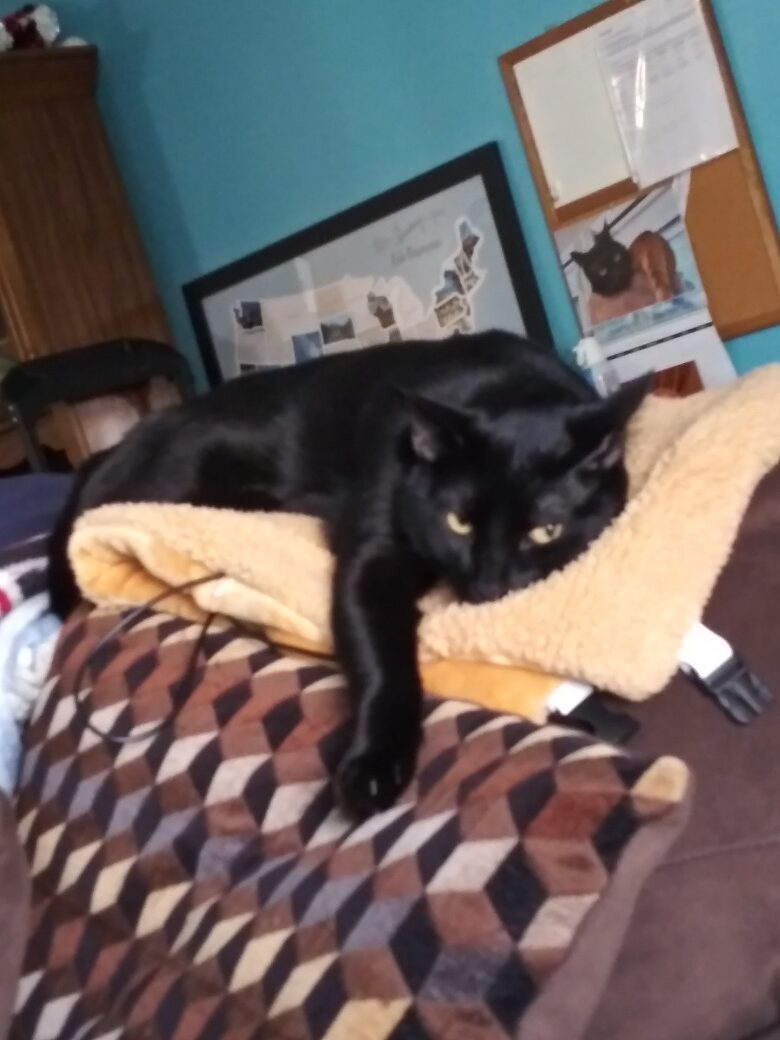
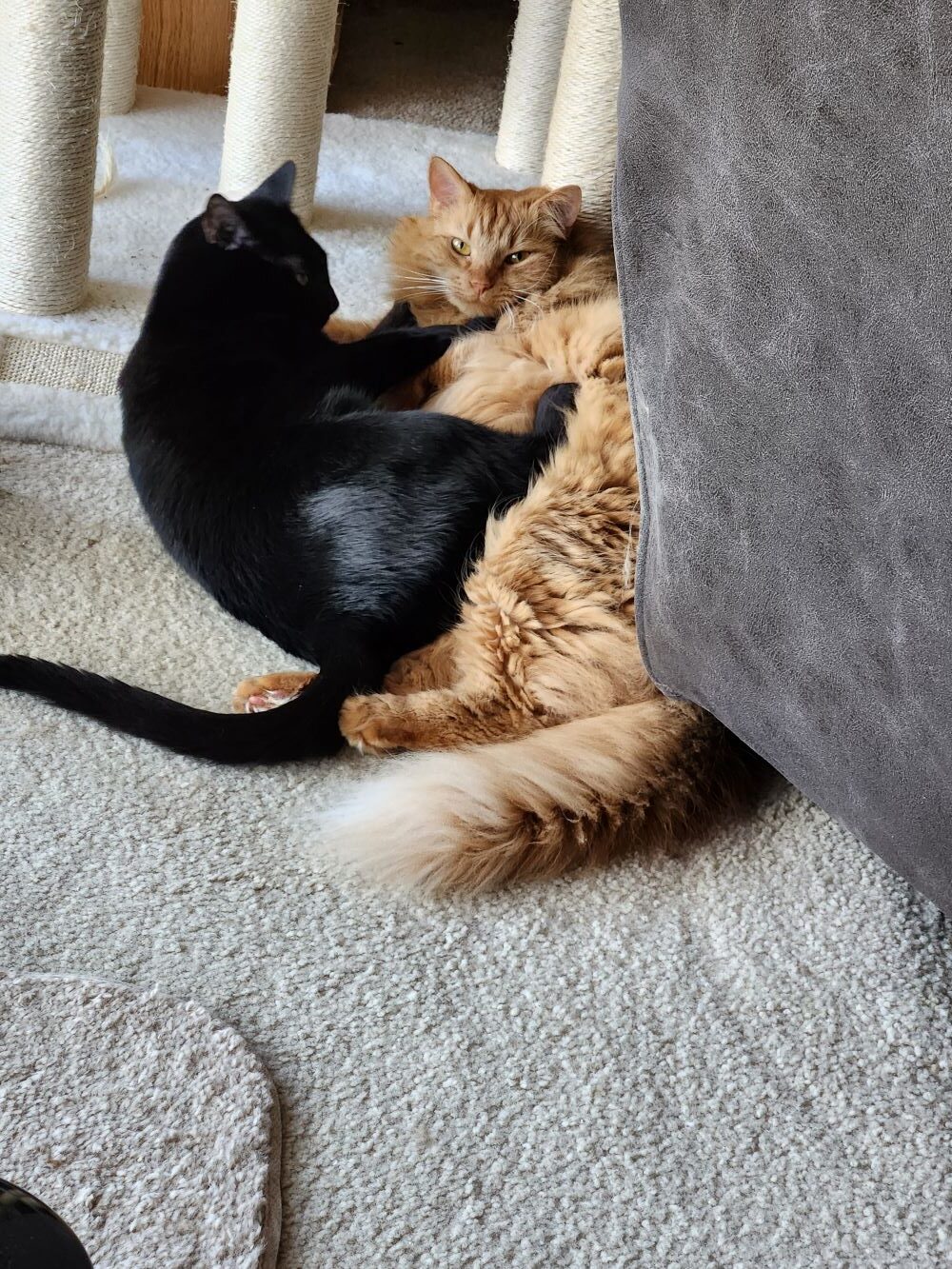
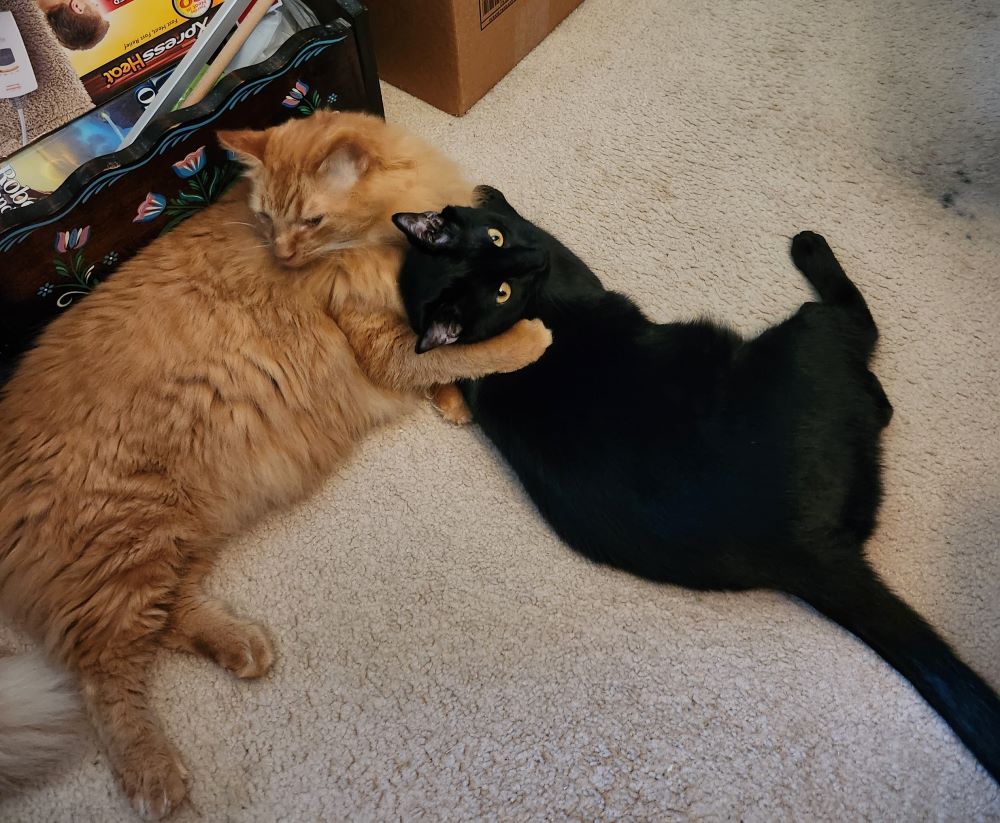
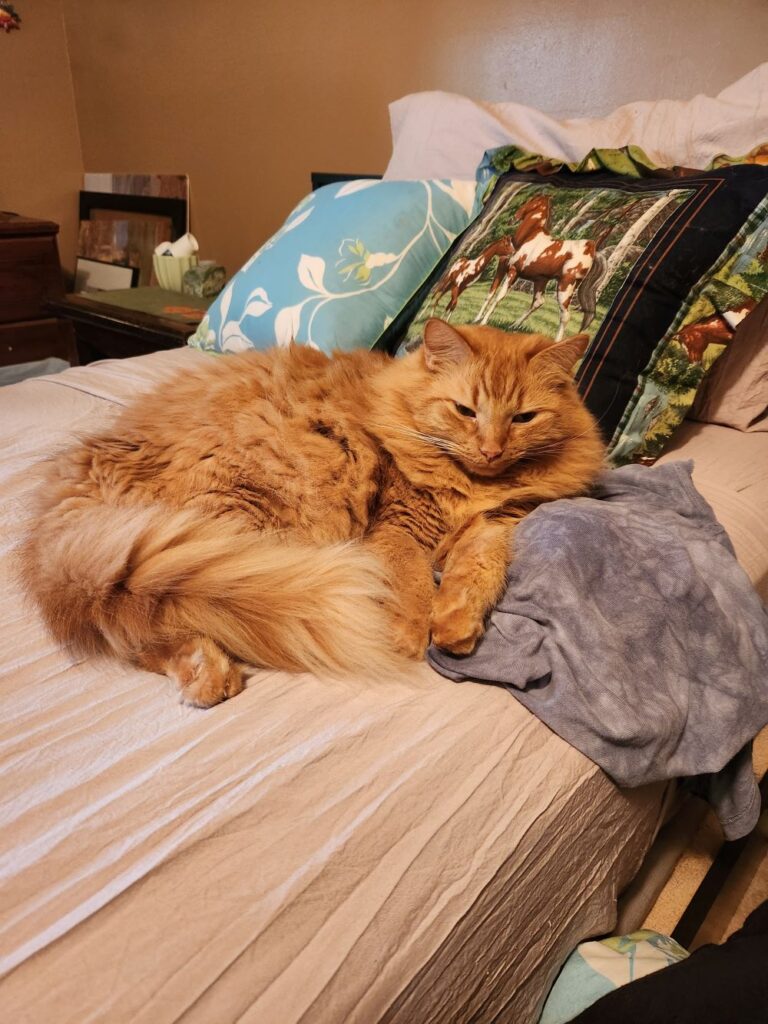
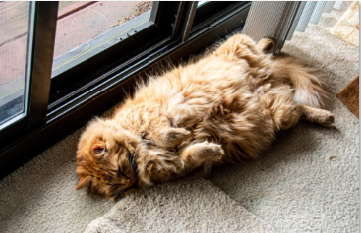
Honestly, if humans took their cues from cats, we’d all be better rested. Banner and Balboa nap with the confidence of creatures who know they’re right.
A Few Fun Napping Facts
- A quick nap can improve reaction time and reduce fatigue‑related accidents.
- Napping helps regulate emotions (which explains why I’m less likely to yell at the microwave afterward).
- Some cultures have been napping for centuries — the siesta is practically an art form.
- Even Charlemagne was a napper. If it’s good enough for an emperor…
- And of course, cats nap up to 16 hours a day. Banner and Balboa would like it noted that they are professionals and we should follow their lead.
How to Celebrate (Spoiler: The Cats Already Know)
- Find a quiet spot between 1–3 p.m.
- Set a timer for 10–20 minutes so you don’t wake up wondering what century it is.
- Dark room, cozy blanket, maybe a weighted eye mask if you’re feeling fancy.
- If you can’t nap, even closing your eyes for a few minutes helps reset your brain.
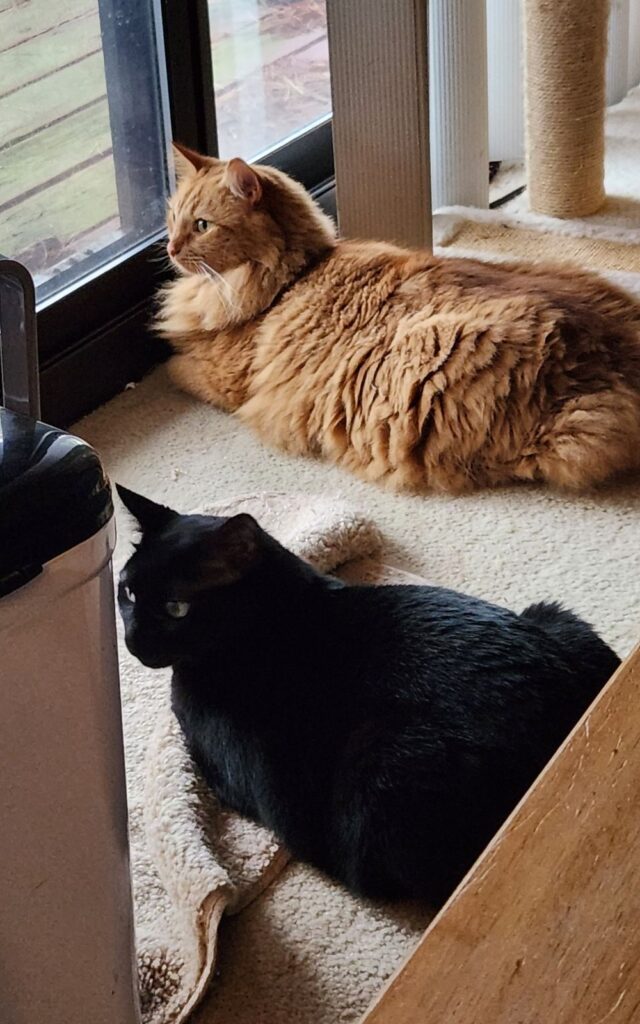
- Or — and hear me out — take a page from the cats. Banner warms his butt on the stove when the oven’s on, Balboa curls up in a glass bowl like he’s auditioning for “Cat Tetris,” and both of them nap anywhere, anytime, without apology. They give National Napping Day their full stamp of approval.

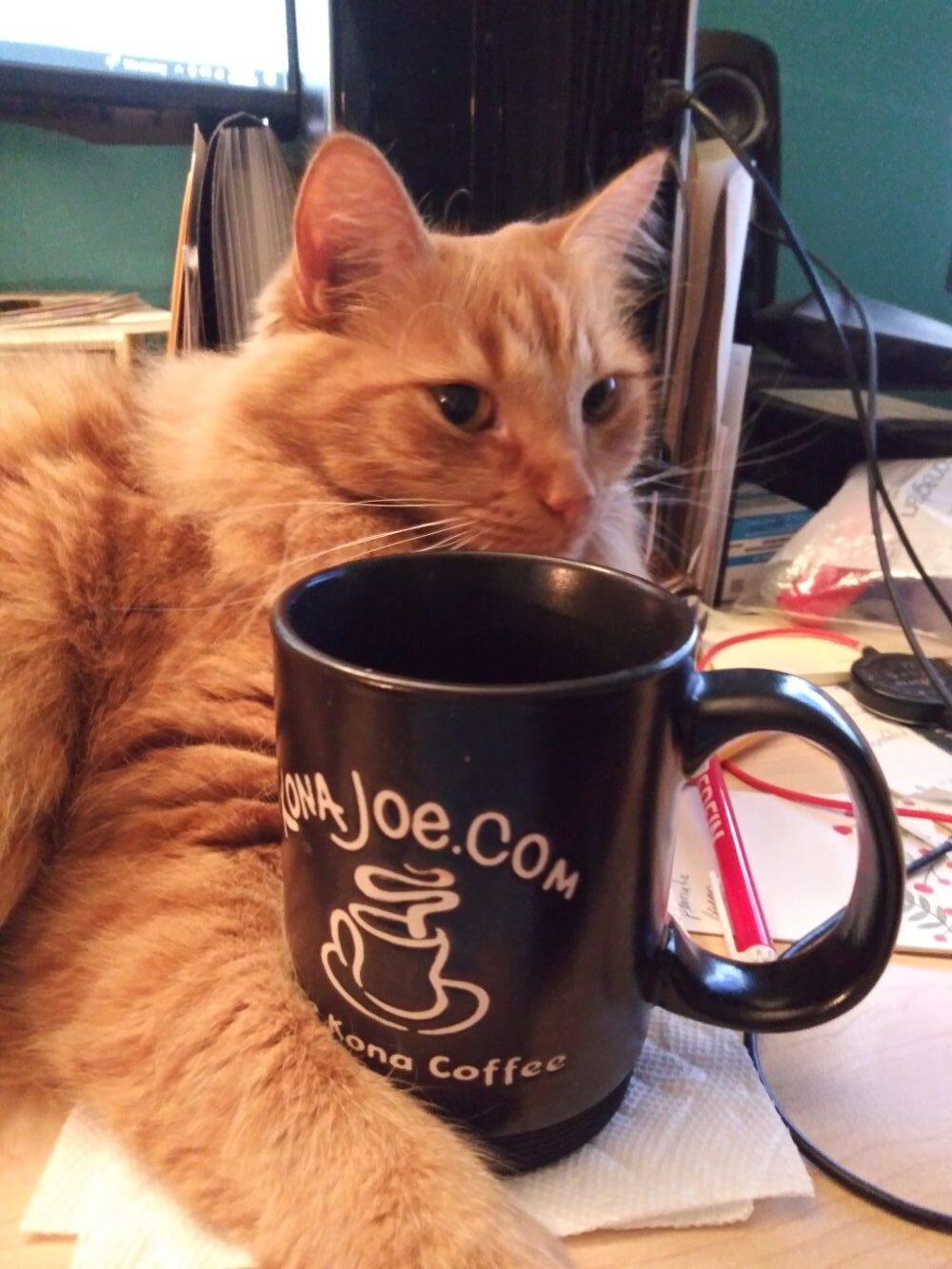
Bonus tip: Try a “coffee nap” — drink a little caffeine right before your nap. By the time you wake up, the caffeine kicks in. It’s like a cheat code for adulthood.
Banner’s got the mug. He’s just waiting for the nap to kick in.
Cat‑Approved Napping
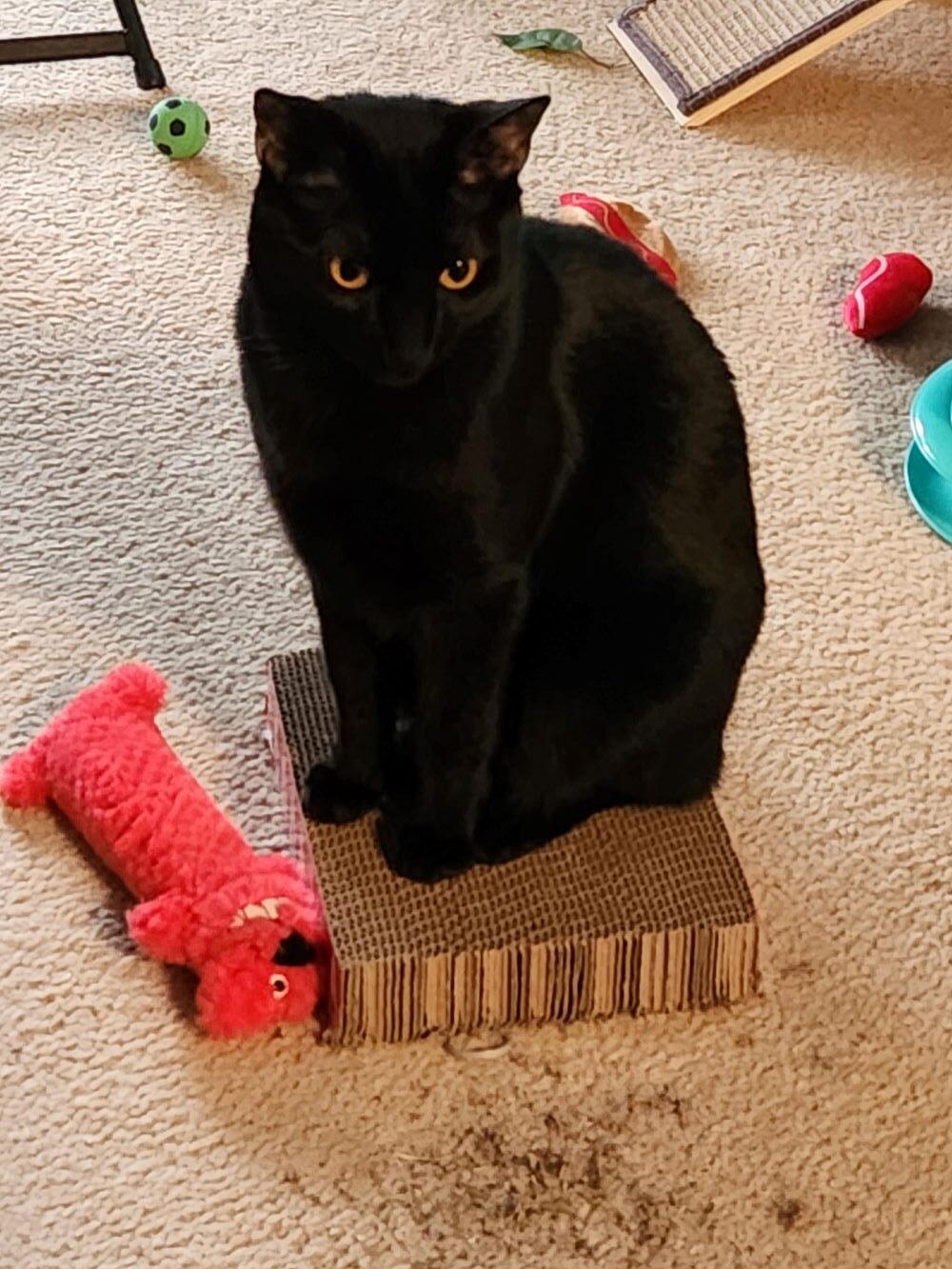
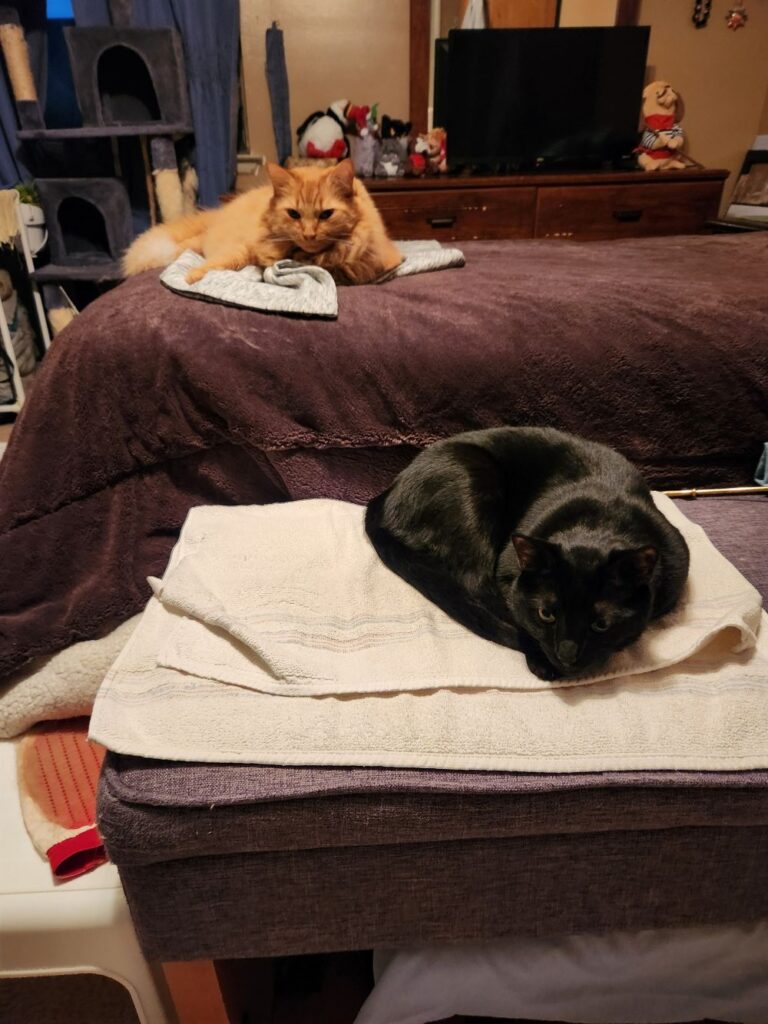
 I have plenty of photographic proof that naps are not only acceptable but strongly encouraged in this household. Banner and Balboa are champion nappers — bed, couch, sunny patch on the floor, glass bowl, you name it. If there’s a soft surface (or even a hard one), they’re on it, asleep, living their best lives.
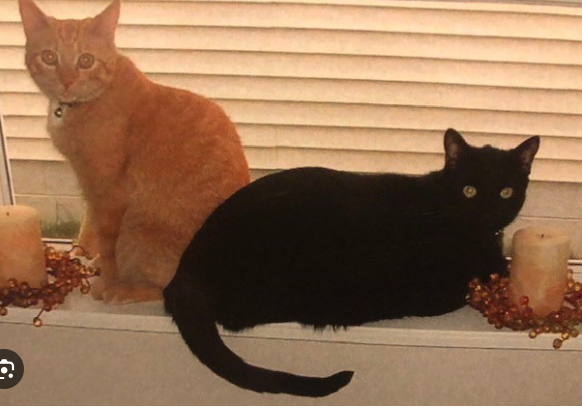
So if you need permission to take a nap today, just look at these two. They’ve given National Napping Day their official stamp of approval — and they take their roles very seriously.
Bottom Line
If Daylight Saving Time took something from you, National Napping Day is here to give a little back. So whether you curl up with a cat, stretch out on the couch, or sneak a quick snooze in your favorite chair, consider it your civic duty.
Just ask Banner and Balboa — champions of the mid‑morning, mid‑afternoon, and “just because” nap. They’ve been training for this holiday their whole lives.
Endorsed by the Feline Nap Authority
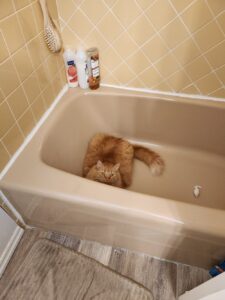 My bladder insists on a bathroom trip around 5 AM. I tiptoe in, trying not to disturb the pile of fur on the floor, but inevitably he follows… and hops into the bathtub. And refuses to get out. Fine. Stay there. But as soon as I leave to go back to bed, the crying starts — a steady little meow‑meow‑meow that echoes down the hallway.