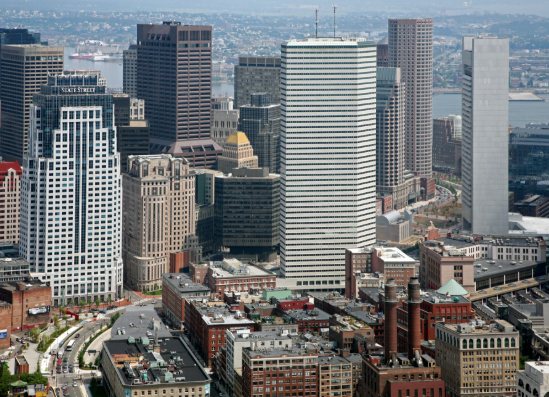
Boston has its own rhythm, its own attitude, and absolutely its own vocabulary. After fifty years in New England, I’ve learned that half the fun of living here is listening to the way people talk—and the other half is watching tourists try to decode it. So if you’re planning a trip to the Hub, or you’ve ever wondered why a Bostonian told you to “bang a U‑ey” near the “packie,” this one’s for you.
🗣️ Everyday Bostonisms

Boston slang isn’t just words—it’s a whole personality. These are the phrases you’ll hear before you’ve even finished your first Dunkin’ coffee.
- Wicked — the Swiss Army knife of intensifiers. Wicked cold, wicked good, wicked late.
- Bang a U‑ey — make a U‑turn, usually in a place that does not officially allow U‑turns.
- Clicker — the TV remote.
- Packie — the liquor store, not a package drop-off.
- The T — the subway system, even though half of it is buses.
- Kid — a friendly greeting, even if the person is 47 and wearing a suit.
Boston English is less about grammar and more about attitude. If it sounds like it should be shouted across a parking lot, it probably is.
🚗 Driving & Directions
Boston driving is a sport, a tradition, and occasionally a test of faith. The slang reflects that.
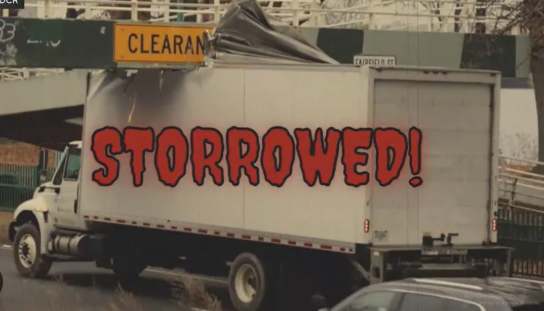
- Storrowed — when a truck hits a low bridge on Storrow Drive. Happens every September like clockwork.
- The Pike — the Massachusetts Turnpike.
- Southie, Dot, Eastie — South Boston, Dorchester, East Boston.
- The Big Dig — the tunnel project we’re still complaining about twenty years later.
If you can navigate Boston without GPS, congratulations—you’re officially a local.
🍽️ Food & Drink Terms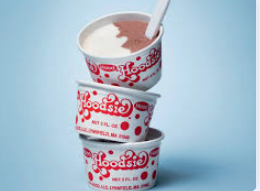
Boston’s food vocabulary is its own little universe.
- Frappes — milkshakes with ice cream.
- Jimmies — chocolate sprinkles.
- Hoodsie — those little ice cream cups with the wooden spoon.
- Steamers — soft-shell clams.
- Scrod — whatever white fish the restaurant has that day.
If you order a “milkshake” expecting ice cream, that’s on you. Boston warned you.
🧥 Weather & Clothing
The weather here has personality, so of course the language does too.
- Nor’easter — a storm that shuts down everything except Dunkin’.
- Tennis shoes — any athletic shoe, regardless of sport.
- Mud season — the fifth New England season between winter and spring.
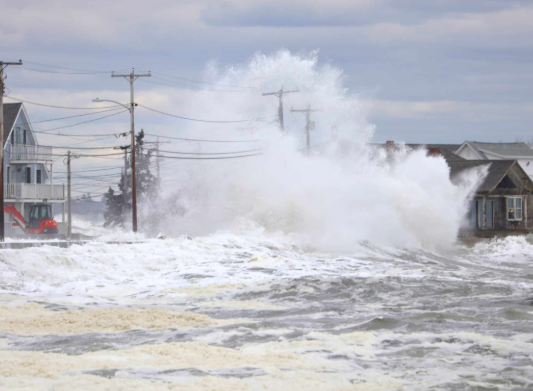
nor’ easter
If someone says “wicked windy,” just grab a jacket and don’t ask questions.
🏙️ Attitude & Local Flavor
This is where Boston really shines.
- Pissa — amazing, awesome, top‑tier.
- Smaht — smart, usually said sarcastically.
- Skeevy — sketchy or gross.
- No big whoop — not a big deal.
Boston slang is blunt, efficient, and usually delivered with a side of dry humor.
🧭 Place Names Tourists Always Butcher
If you can pronounce these correctly, you’ve earned honorary Boston status.
- Worcester — WUSS‑tah
- Gloucester — GLOSS‑tah
- Peabody — PEE‑buh‑dee
- Haverhill — HAY‑vrill
- Leicester — LEST‑ah
- Copley — COP‑lee
- Faneuil — FAN‑yul
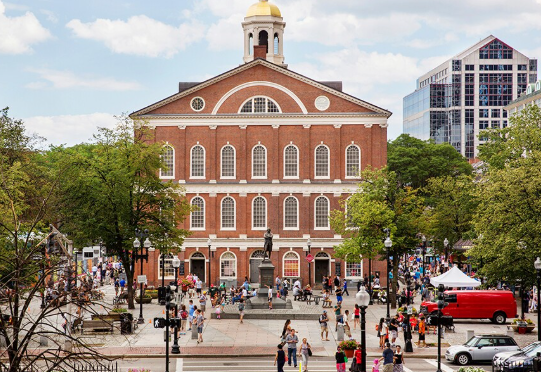
If you pronounce them phonetically, don’t worry—locals will correct you before you finish the word.
Final Thoughts
Boston slang is more than vocabulary—it’s a cultural handshake. It’s the sound of Red Line delays, Dunkin’ drive‑thrus, and neighbors yelling across triple‑deckers. It’s sharp, funny, and proudly unique, just like the city itself.
And if you ever get confused, just remember: when in doubt, it’s probably wicked something.