🌾 Onions: Types, Uses, Tears, and Tips
Walk into any grocery store and you’ll find yourself staring at a mountain of onions—golden, white, red, long, leafy, sweet, mild, spicy, and everything in between. For something so humble, onions have an impressive amount of personality. They’re the backbone of countless recipes, the secret to deep flavor, and—let’s be honest—the reason many of us have cried in the kitchen more than once.
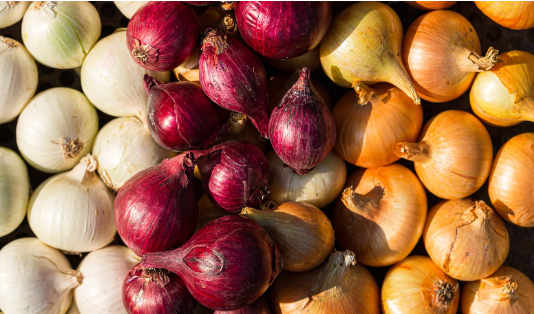
Let’s explore the different kinds of onions, what they’re best for, why they make us tear up, and how to chop them without freezing your fingers off.
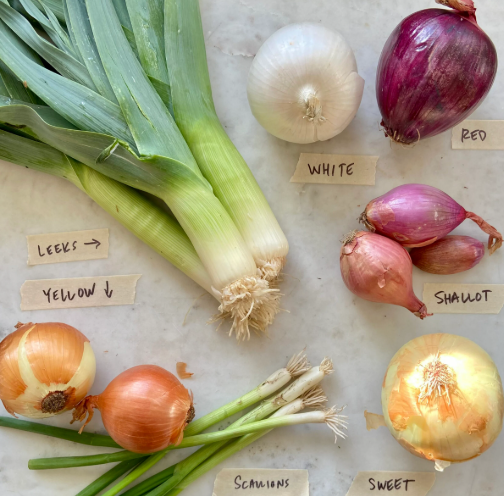
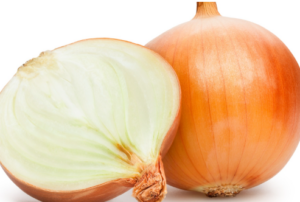 Yellow Onions: The Everyday Workhorse
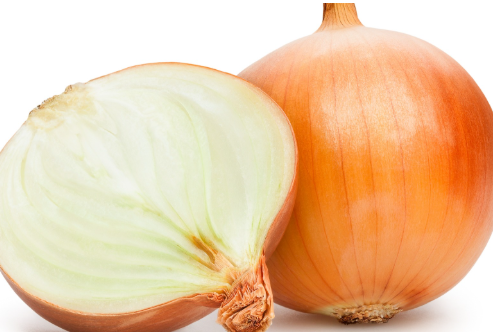
Yellow onions are the all‑purpose pick for sautéing, braising, caramelizing, and building flavor. Affordable, accessible, and reliable, they’re my go‑to for almost any cooked dish.
Red Onions: Colorful and Bold
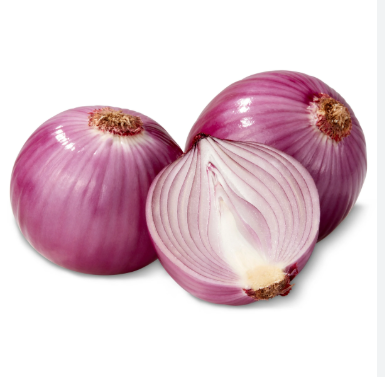
If onions had a fashion show, red onions would strut the runway. Their bright color and mild bite make them perfect for salads, sandwiches, and salsas. At recent visit to my local sub shop I was surprised when they asked me if I preferred white or red onion on my sub! I guess they think they are going gourmet.
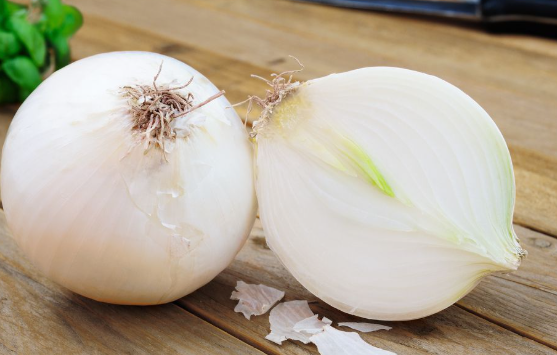
White Onions: Mild and Crisp
My first white onion arrived by accident via DoorDash, but it turned out to be perfect on a hamburger. Mild, crisp, and great raw they were the perfect size on my burger. They also shine in Mexican dishes.
 Spanish Onions: The Big Cousins
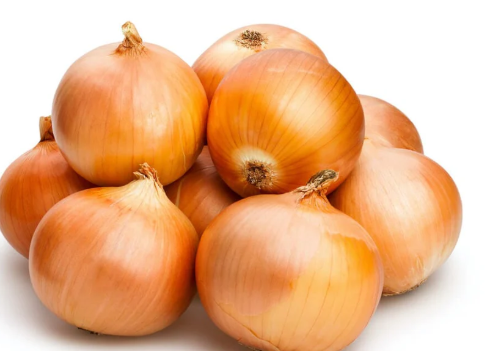
For years I thought yellow onions had shrunk—turns out Spanish onions are simply larger and milder. Great for roasting or stuffing.
Sweet Onions: Vidalia and Friends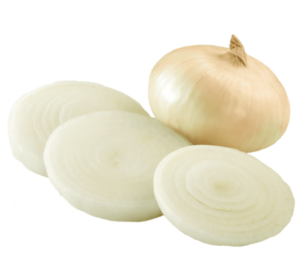
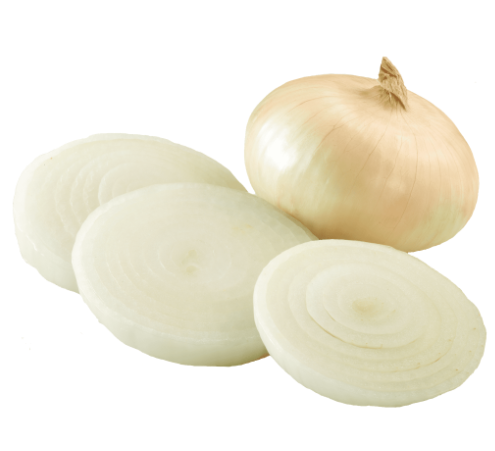
Vidalia onions are the most famous sweet onion, but only those grown in Georgia can claim the name. Sweet onions caramelize beautifully and make excellent onion rings.
Shallots, Scallions, and Leeks
Shallots are delicate and lightly sweet, scallions add freshness and color, and leeks offer a buttery mildness perfect for soups. And another aside,, I personally love shallots. They are delicate and sweet. I was pleasantly surprised the first time I used them but don’t run out and stock up, they don’t keep well. Best if used right away.
Are They Interchangeable?
Usually, yes. They’re all part of the same species, but each has its own flavor and texture. In a pinch, swapping won’t ruin your dish.
Other Onion Relatives
Garlic, chives, and pearl onions all share the family tree. Pearl onions, often sold frozen and pre‑peeled, are adorable and great for roasting or stews.
Onion Storage Tips
Choose firm onions with dry skins. Store in a cool, dry place with airflow. Once cut, refrigerate in an airtight container and use within seven days.
Why Onions Make Us Cry
Cutting an onion releases a gas called syn‑propanethial‑S‑oxide, which irritates the eyes and triggers tears. (Your science tip of the day)
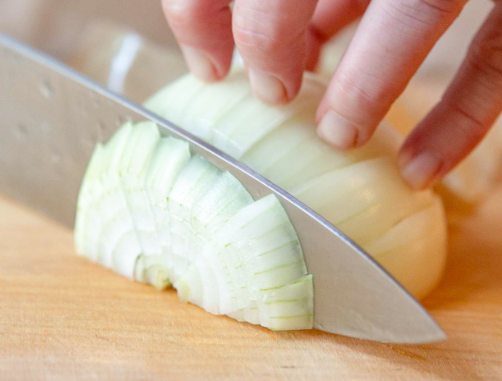
Cutting Onions Without Tears
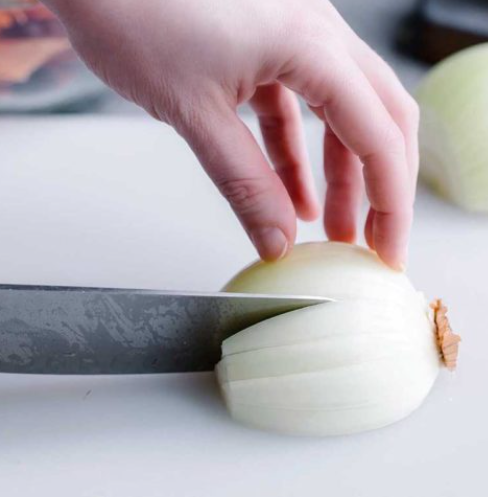 I avoid freezing or running water because cold hands are not my idea of fun. Instead:
- Cut the onion in half
- Slice vertically, keeping the root intact
- Add one horizontal slice if needed
- Slice downward from tip to root
Leaving the root intact helps keep the tear‑triggering compounds contained.
 ⚠️ A Note for Pet Owners

Onions are toxic to both cats and dogs and can cause dangerous red‑blood‑cell damage leading to hemolytic anemia. Even small amounts—raw, cooked, powdered, or dehydrated—can be harmful. Keep onions and onion scraps safely out of reach of pets.
Final Thoughts
I hope this guide helps demystify the onion bin and gives you confidence to choose the right onion for every dish. May your future onion adventures be flavorful, tear‑free, and warm on the fingers.


