From Sand Dunes to Shark Apps

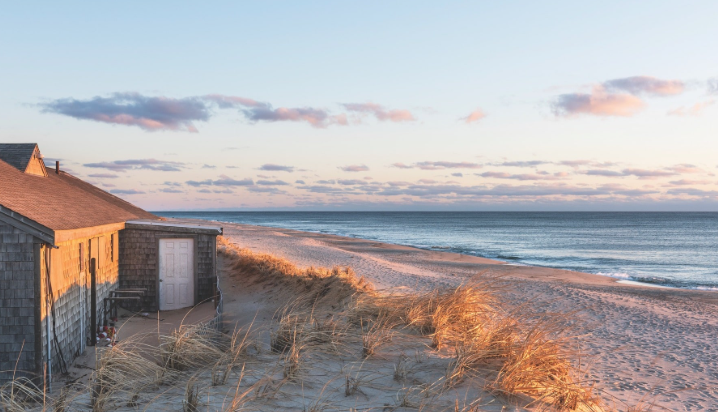
Old Cape Cod, just as Patti Page imagined it — dunes, salty air, and a quiet stretch of shoreline that still remembers how things used to be.

Old Cape Cod: From Sand Dunes to Shark Apps

If you’re fond of sand dunes and salty air,

Quaint little villages here and there…

You’re sure to fall in love with old Cape Cod.

Patti Page sang those words in 1957, and the song didn’t just become a hit — it reshaped the Cape’s identity. That gentle, dreamy portrait of a sleepy peninsula helped launch Cape Cod into the national imagination. Tourists followed, then developers, and before long those “quaint little villages” gave way to strip malls, big‑box stores, and summer traffic that can test the patience of a saint.

But one thing never changed: the beaches. Crowded or not, they’re still the Cape’s heartbeat. And if we take a little walk through time, we can see just how much this place has transformed since Patti Page made musical history.

A Peninsula Born of Ice

Cape Cod is a hooked, sandy arm stretching 65 miles into the Atlantic — the leftover handiwork of the last Ice Age. It’s narrow in some places, wide in others, bordered by Cape Cod Bay, Buzzards Bay, and the waters of Vineyard and Nantucket Sounds. For centuries, life here revolved around the sea.

Nantucket, in particular, was once the whaling capital of the world. From the late 1600s through the mid‑1800s, whaling was its lifeblood. But as regulations tightened and the industry declined, Nantucket reinvented itself as a quiet retreat for the wealthy — a transformation that still defines the island today.

Preserving the Cape

On the mainland, conservation took center stage. In 1961, the federal government created the Cape Cod National Seashore, protecting miles of shoreline from development. Monomoy National Wildlife Refuge followed, safeguarding critical habitat for birds and marine life.

Then came a turning point: In 1972, the Marine Mammal Protection Act granted federal protection to seals.

That’s when the Cape’s story took a dramatic turn.

The Return of the Great Whites

As the seal population exploded, so did interest from a very different kind of visitor. In 1975, the blockbuster Jaws gave the world a fictional taste of shark‑infused terror — but it also foreshadowed reality. Over the next few decades, great white sharks began returning to Cape waters in growing numbers, drawn by the booming seal colonies.

The shift became undeniable on September 15, 2018, when Arthur Medici, a 26‑year‑old from Revere, was fatally attacked while boogie boarding at Newcomb Hollow Beach. It was the first deadly shark attack in Massachusetts since 1936, and it marked the beginning of what many now call the new Cape Cod.

Today, great whites are summer regulars. We have:

  • Spotter planes and research boats
  • Electronic shark‑detection buoys
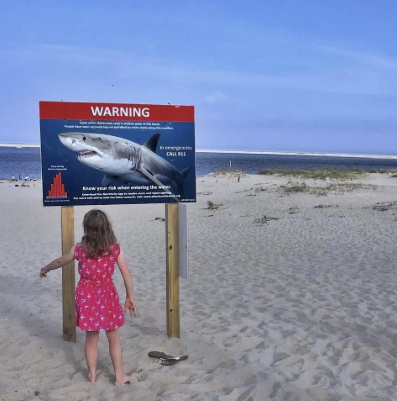
  • Beach warnings near seal haul‑outs
  • And yes — an app for that. The Sharktivity app lets you track shark sightings in real time.

Even whale‑watch boats report seeing sharks, and whenever a whale carcass washes ashore, you can bet the great whites will arrive shortly after.

And they’re not alone. In 2025, a fisherman off Mashpee reported the Cape’s first confirmed tiger shark sighting. Offshore charter captains share videos of sharks stealing fish right off the line. There’s even shark cage diving now — something once associated only with South Africa or Australia.

A Personal Note: The Cape’s Own Shark Celebrity
The Cape has its own celebrity in Dr. Greg Skomal, author, marine biologist, and the face of modern shark research in Massachusetts. He’s been a champion of the great white’s return and a pioneer in tagging and tracking them. You’ve probably seen him on Discovery Channel’s Shark Week, leaning over the bow of a boat with a tagging pole in hand.

I’ve had the privilege of meeting him and hearing several of his presentations. He’s charming, funny, and completely approachable — the kind of scientist who makes you feel like you’re part of the adventure. The sharks couldn’t ask for a better advocate.

Is This Still “Old Cape Cod”?

Somehow, the Cape feels less like Patti Page’s quiet seaside escape and more like a place where nature has reclaimed its throne. The dunes and salty air are still here, but the cast of characters has changed. Tourists still flock to the beaches — but so do apex predators.

Cape Cod isn’t sleepy anymore. It’s wild, unpredictable, and very much alive.

And maybe that’s part of its magic.


Shark Season on Cape Cod

🦈 Shark Season on Cape Cod: Staying Shark Smart with Sharktivity

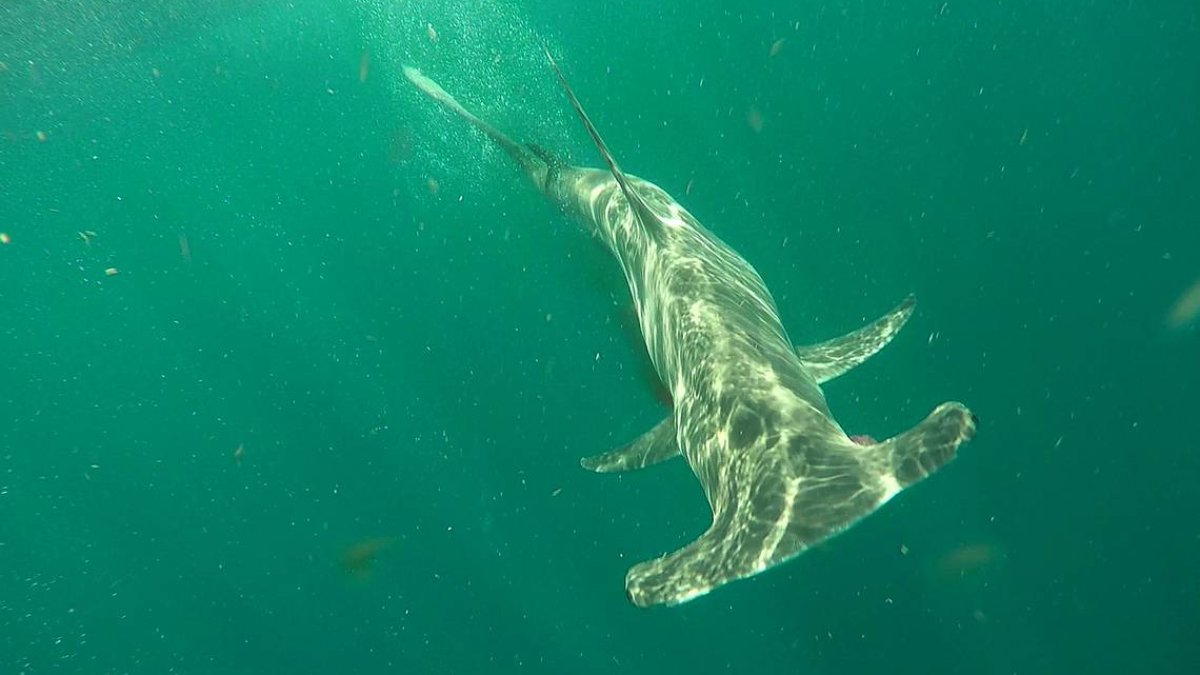
Cape Cod’s pristine beaches and rich marine life make it a summer haven—but beneath the waves, another iconic visitor returns each year: the great white shark. This year the Great Whites have been joined by the relatives, the hammerheads. Its a real family reunion. 

Hammerhead shark Cape Cod sighting – NBC Boston

NBC Boston photo

 As sightings increase along the Massachusetts coastline, locals and tourists alike are turning to technology and science to stay informed and safe.

🌊 A Surge in Shark Sighting

This summer, shark activity near Cape Cod has been especially lively. From Chatham to Wellfleet, confirmed sightings of great white sharks have occurred just yards from shore. On July 16, a 14-foot white shark was spotted in Cape Cod Bay. Other reports include sharks devouring striped bass near fishing boats and swimming within 50 feet of popular beaches.

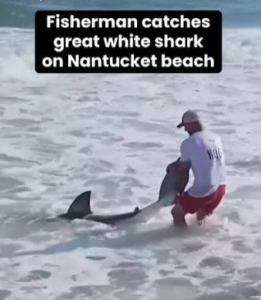
Massachusetts beaches shut down after great white shark ...

NBC Boston photo

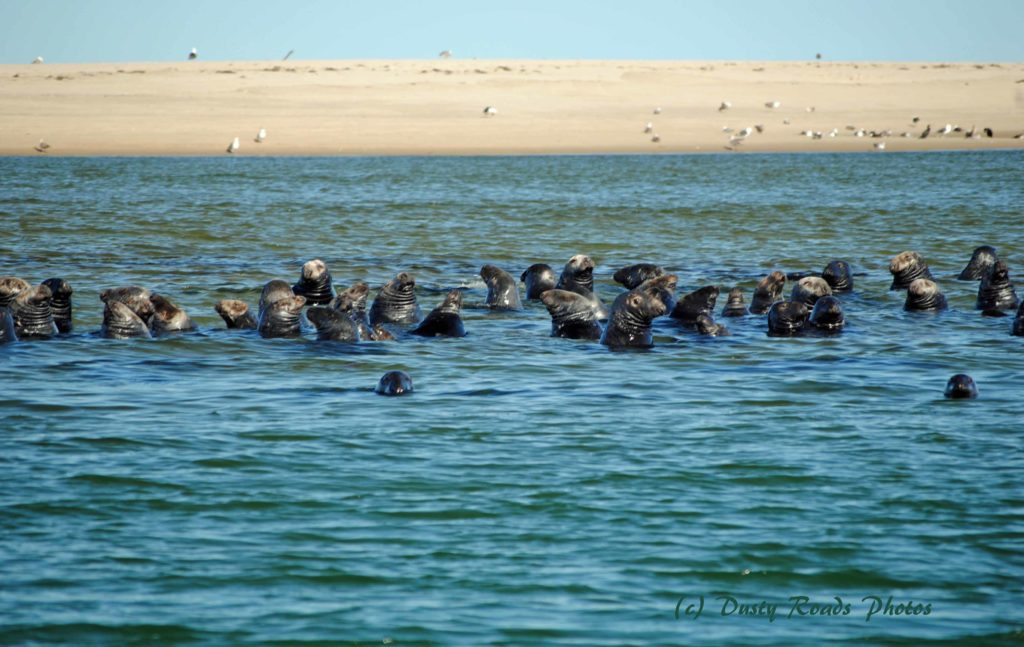
These sightings aren’t random. Cape Cod’s seal population—prime prey for white sharks—has grown significantly, drawing these apex predators closer to shore. While the presence of sharks may sound alarming, it’s also a sign of a thriving marine ecosystem.

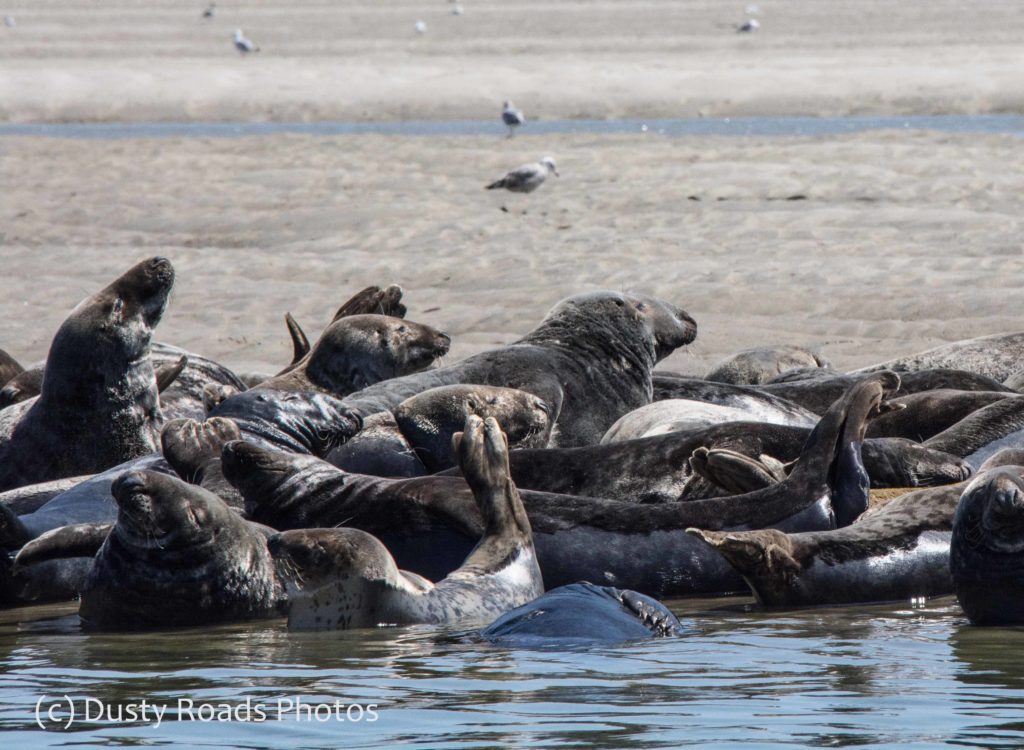
Pile of seals

Seal colony Cape Cod. Photo credit Deb Neumann

📱 Sharktivity: Your Shark Tracker Companion

To help the public stay informed, the Atlantic White Shark Conservancy (AWSC) developed the Sharktivity app, a free tool available on iOS and Android. The app offers:

  • Real-time alerts for confirmed shark sightings near public beaches (red icon)
  • Interactive maps showing recent and historic shark activity
  • User-submitted sightings with photo verification
  • Tracking of tagged sharks via acoustic and satellite data

Whether you’re planning a beach day or just curious about shark movements, Sharktivity empowers users to make informed decisions and contribute to ongoing research. Download the app here. 

🧠 Meet the Atlantic White Shark Conservancy

Founded in 2013, the Atlantic White Shark Conservancy is a nonprofit based in Chatham, MA, dedicated to shark research, public safety, and education. Their work includes:

  • Funding scientific studies led by marine biologist Dr. Greg Skomal
  • Operating the Shark Centers Chatham and Provincetown,  interactive museums with exhibits, videos, and educational programs for all ages
  • Hosting lectures, events, and expeditions to deepen public understanding of white sharks

The Conservancy’s mission is clear: to foster peaceful coexistence between humans and sharks while promoting conservation of these misunderstood creatures.


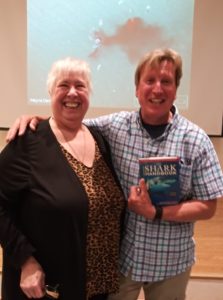
No photo description available.

Deb Neuman & Greg Skomal 2019

Jaws Turns 50—And Contender Takes the Crown

🦈 Jaws Turns 50: Meet Contender, the Real-Life Ocean Giant


Fifty years ago, Jaws sank its teeth into the public imagination, turning the great white shark into a symbol of fear and fascination. Today, as we celebrate the cinematic legend’s golden anniversary, a new marine marvel is stealing the spotlight—not from Hollywood, but from the depths of the Atlantic.

📣 Enter Contender: The Atlantic’s King of Sharks

Earlier this year, a behemoth was tagged off the Florida-Georgia coast that’s making Jaws look almost modest. Named Contender, this great white shark is officially the largest ever tagged in the North Atlantic. Here are the jaw-dropping stats:

  • Length: 13 feet, 9 inches
  • Weight: 1,653 pounds
  • Age: Estimated at 32 years old
  • Tagged: January 17, 2025, roughly 45 miles offshore

North Carolina coast: Great white shark 'Contender' heads to ...

Contender was named by OCEARCH, the marine research group responsible for tagging him, after one of their longtime partners—Contender Boats—whose vessels support these vital expeditions.

🗺️ His Journey: From the Deep to Our Doorstep

Since being tagged, Contender has taken quite the tour:

  • He swam south to Vero Beach, Florida, before making a turn north
  • Passed through Cape Hatteras, North Carolina
  • Most recently, he’s been cruising near Nantucket, Massachusetts, between Nantucket Shoals and Georges Bank

Contender: Largest Known Male Great White Shark in the North ...

Contender’s movements are tracked via a SPOT tag, a high-tech device that sends a signal every time his dorsal fin breaches the surface, letting researchers and enthusiasts follow his oceanic adventure in real time.

🔬 Beyond the Bite: The Science Behind the Tag

OCEARCH scientists aren’t just tracking Contender for thrills. They’re collecting data to unlock secrets about:

  • Shark migration patterns
  • Breeding behaviors and reproductive health
  • Long-term oceanic ecosystem impacts

Contender’s tag is expected to deliver insights for five years, offering a rare peek into the life of one of the ocean’s most elusive and majestic creatures.

Record-Breaking Great White Shark Found Off Florida Coast ...

🎥 From Fiction to Fact

The film Jaws was inspired by real sightings and fears, but the anniversary serves as a perfect moment to shift from fear to fascination.  Sharks like Contender remind us that the ocean isn’t just home to legends—it’s home to living marvels that deserve our awe, curiosity, and protection.

Curious to see where Contender swims next? Track him live on the OCEARCH Shark Tracker.

Gone “Sharkin”

“Sharkin” on Cape Cod

Flash Back to Jaws (1975) when the fictional town of Amity on Martha’s Vineyard was terrorized by a great white shark.  Chief  Brody, marine biologist Hooper and shark hunter Quint took “Sharkin” to a new level as they pulled out all the stops to catch the murderous Great White. Shades of Captain Ahab and Moby Dick. Anyway, last year Cape Cod had it’s first fatal shark attack in 82 years! Everyone was horrified and as this year arrived towns along the Cape struggled to find ways to protect vacationers when they entered the shark’s domain.

The Shark App

The Atlantic Great White Conservancy created a Shark App ( There’s an app for that) that alerts when a shark is sighted and lets you know where, which beaches are closed and for how long. My app had been blowing up and I was determined to see a white shark in its natural environment. Whale watch boats reported seeing sharks feeding on a whale carcass. Sharks were stealing fish right off the lines of guests on fishing charters. Was I around when these things were happening? Of course not. I couldn’t be that lucky. So I picked a day to take off from work to go to the Cape to look for sharks. I told everyone at work I was going “Sharkin”. Of course it hadn’t rained in a week but it did that day. 

The Atlantic Great White Conservancy

My app was strangely quiet. Either the sharks didn’t like the rain or  no one was at the beach to see them. My friend Nancy and I wound up in Chatham. We planned to go to the Fish Pier for lunch and watch the seals. On the way there we spotted the Atlantic Great White Conservancy. What a neat little museum. It was pretty crowded because no one wanted to go to the beach in the rain but even though we couldn’t turn around without bumping into someone we had fun. The last room was a virtual reality room where we donned  a headset and voila- we were swimming with sharks! And we didn’t even get wet!


Beachcomber Seal Tour

We wrapped up our Cape day by visiting the seals with Beachcomber Seal Tours. We didn’t see any sharks because the tour stayed in the inner harbor and so far the sharks haven’t ventured in. The channels and low water level seem to discourage them. But there were certainly enough seals for the sharks to have a hearty lunch if they wanted to drop by. The light misty drizzle changed to serious rain while we were on the water. The captain pulled out the disposable rain capes and pretty soon our boat looked like a convention of ghosts with the breeze flapping our ponchos. Our “Sharkin” day  didn’t yield any sharks but we had a good time anyway. 

The Great White Sharks are Still Here

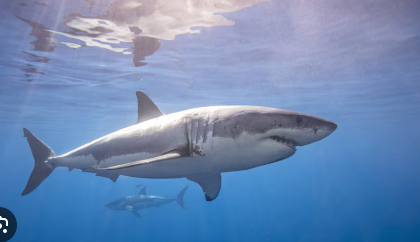
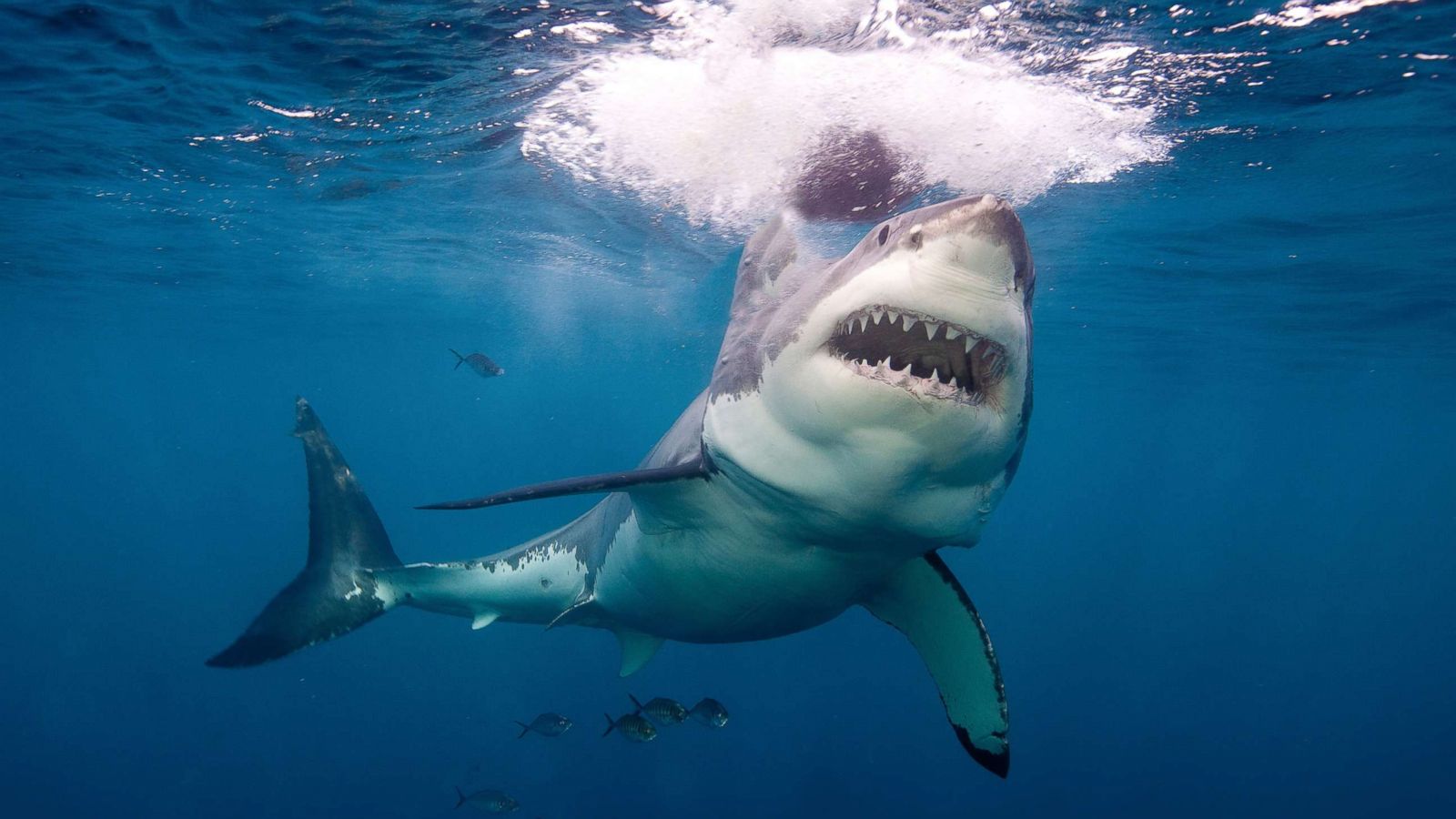
Great White Sharks Hang out off Cape Cod

Great white shark swimmingThe sharks of Cape Cod aren’t leaving anytime soon. Our vacations may be over but according to Dr Greg Skomal of the Atlantic White Shark Conservancy August and September are active months for our Great Whites.

 It’s been A busy August

With a cool spring Shark season took its time ramping up but August was a busy month.

  • July 31: A Great White tried to snack on one of the research cameras.
  • On August 10: Chatham beach goers watch a real life “Jaws” as a Great White chomped a seal in half in clear view of the beaches.
  • August 11: Whale Watchers spotted 2 Great Whites feasting on a dead minke whale
  • August 12 : A fisherman had his catch stolen by a shark. The video became an internet sensation 
  • August 21 A Shark enjoyed a seal lunch as beach goes looked on
  • August 24 A shark tasted a paddle board off Marconi Beach.

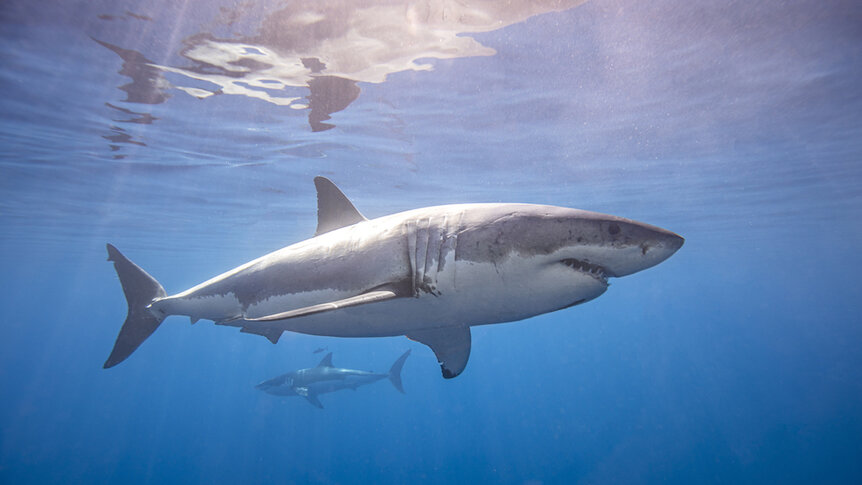
Great White Shark

Staying Safe with Great White Sharks

There are a few things you can do to stay safe with these apex predators in the water. 

  1. Avoid swimming with the seals
  2. Swim or surf in groups
  3. Stay in Shallow water
  4. Don’t wear shiny jewelry

Great White SharkSurvey Says…..

The good news is that even with this shark activity the beach going public remains fascinated by the sharks. The Polls and surveys show that public opinion is against the politician’s ill advised suggestion that the sharks be culled. According to Chatham natives, at least some of the beaches may be monitored by balloons equipped with cameras to provide an early warning system.

 2 More Months

If the past is any indication we’re looking at 2 more months of Great White activity. The season winds down off Cape Cod at the end of October. I guess the Great Whites don’t like our winter weather any more than I do.

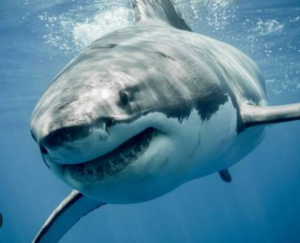
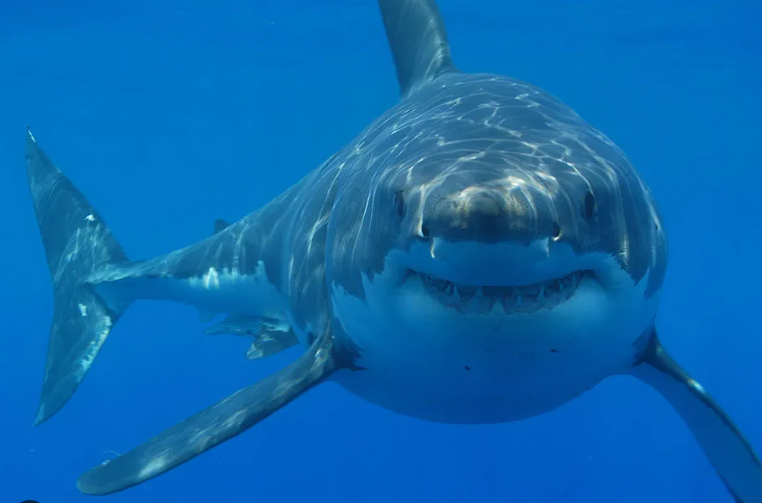
White Shark