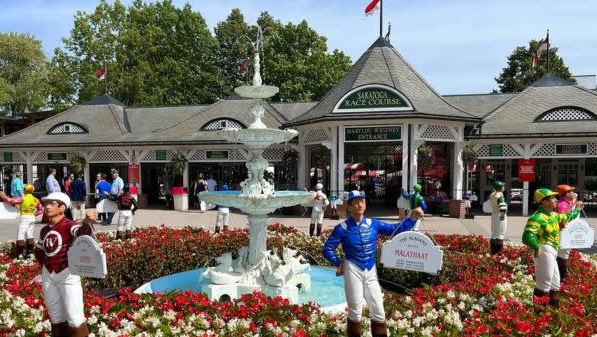
Growing Up North of Saratoga — Where the Springs Smelled Like Rust and Trouble
I grew up just north of Saratoga, in the quieter world of Bolton Landing — close enough to feel the pull of the big summer scene, far enough away to keep our own identity. Saratoga was a big deal in my youth. The crowds, the buzz, the racing, the whole ritual of it. And of course, the smell.
Before I ever cared about who was closing on the outside, Saratoga meant mineral springs, bathhouses, and that unmistakable tang of iron and carbonation rising from the ground. People came to “take the waters,” to stroll the grand hotels, to sip from springs that tasted like everything from crisp seltzer to rusty nails.
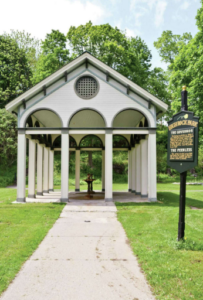
I’ll be honest: I always thought Saratoga stunk. That sulfur‑metal smell hit you long before you ever saw the water. Some people swore it was healing; I just wanted to get upwind.
But Saratoga didn’t stay just a spa town. As the crowds arrived for the waters, they wanted entertainment — and the entertainment they wanted was horses. By the 1860s, racing had taken root, and the town evolved into something bigger: a place where the elegance of the spa era met the electricity of the racetrack. Health, history, horses wasn’t just a slogan; it was the rhythm of the region I grew up in. And somewhere in that mix, the seeds of my own love for horse racing were planted.
How the Triple Crown Actually Became the Triple Crown
The Races Existed Long Before Anyone Connected Them
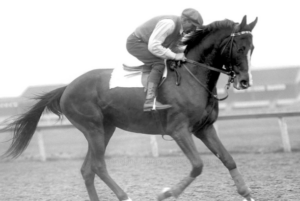
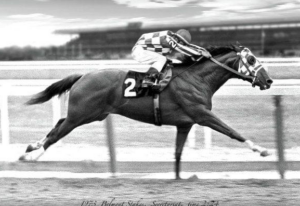
Gallant Fox Triple Crown Winner
We talk about the Triple Crown today like it’s some ancient, sacred tradition, but the truth is far messier — and much more interesting.
- Belmont Stakes: first run in 1867
- Preakness Stakes: first run in 1873
- Kentucky Derby: first run in 1875
For decades, they were just three important races on the calendar. No one thought of them as a set. No one talked about a sweep. No one whispered the words “Triple Crown.”
That didn’t happen until the 1930s, when a sportswriter used the phrase after Gallant Fox won all three in 1930. Only then did the idea catch fire. Before that, a horse who won all three was simply… a horse who won three big races.
The Schedule Wasn’t Always Set in Stone
Even after the Triple Crown became “a thing,” the races weren’t always run in the same order or on the same timeline. The spacing we think of as traditional — Derby in early May, Preakness two weeks later, Belmont three weeks after that — is really a mid‑20th‑century standard, not a sacred commandment.
Which brings us to today’s debate.
Why This Year’s Triple Crown Conversation Is Different
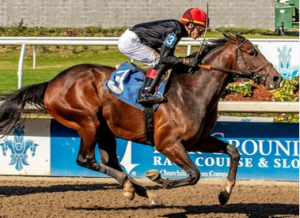
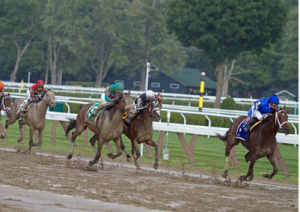
Golden Tempo comes from behind to win the Kentucky Derby
Golden Tempo, Napoleon Solo, and a Missing Middle Jewel
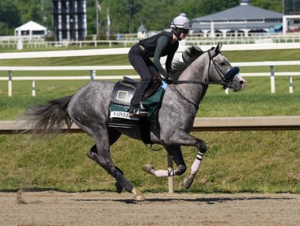
Napoleon Solo wins the Preakness
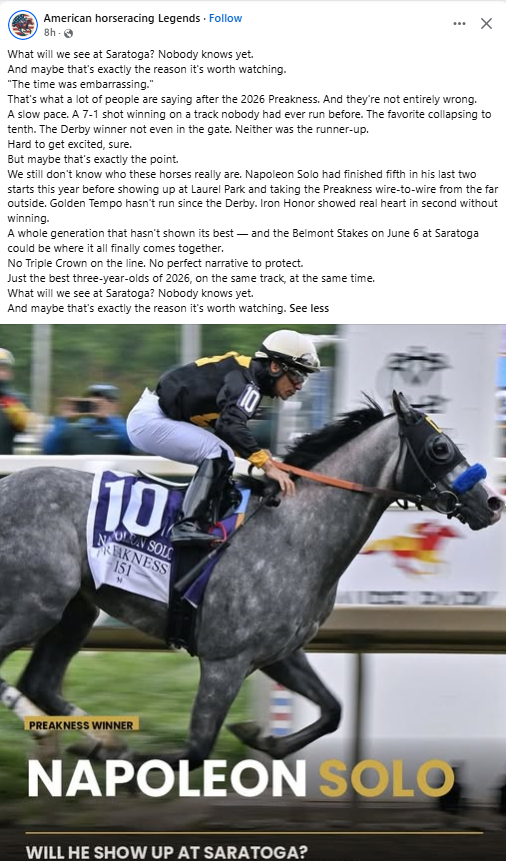
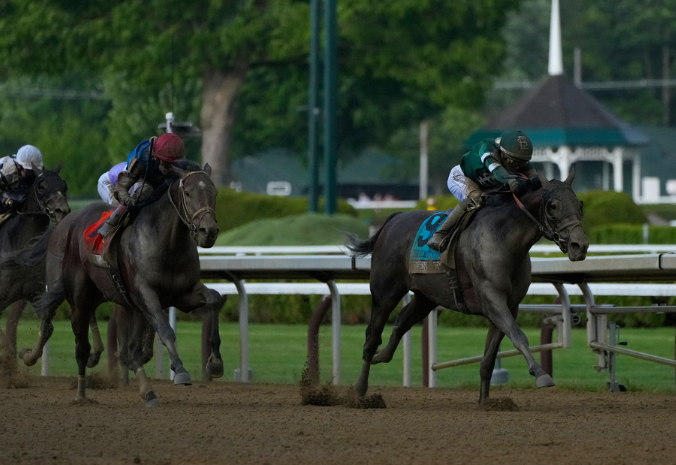
This year’s storyline took a sharp turn right after the roses were handed out. There will be no Triple Crown in 2026. The Kentucky Derby winner, Golden Tempo, did not run in the Preakness — leaving the second jewel wide open for Napoleon Solo (yes, like The Man from U.N.C.L.E.) to swoop in and take Baltimore.
With no sweep on the line, the conversation shifted from “Who will win all three?” to “Should the series itself change?”
The Modern Debate: Is Two Weeks Too Short?
Trainers say today’s horses need more recovery time.
Traditionalists say the tight spacing is the whole point — the test of stamina, grit, and resilience that makes the Triple Crown so rare.
Some want the Preakness pushed back to three or even four weeks after the Derby.
Others argue that changing the spacing would rewrite the very identity of the series.
Either way, the debate is louder than ever, and it’s rolling straight toward the Belmont Stakes in June, even if the crown itself is already out of reach.
Closing Thoughts: A Bolton Landing Kid With Saratoga in Her Bones
Even though I didn’t grow up in Saratoga, it loomed large from my little perch in Bolton Landing — close enough to feel the excitement, close enough to know when something big was happening, and definitely close enough to smell those springs whether I wanted to or not. I may not have loved the scent, but the place itself worked its way into me anyway. Those early trips south planted the seeds for a lifelong fascination with horse racing — a fascination that still pulls me back every spring, every Derby, every Preakness, every Belmont. Even now, all these years later, Saratoga remains a big deal in my world… smell and all.
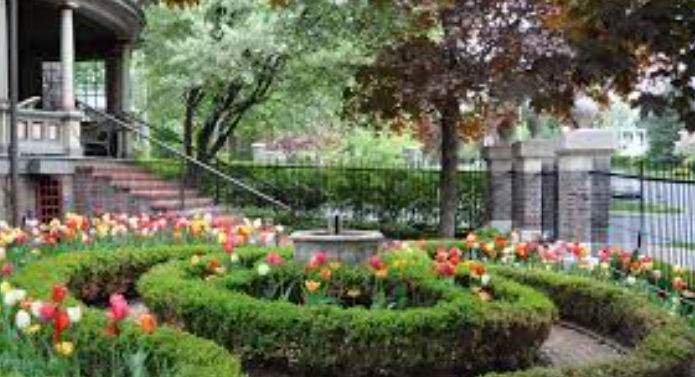
See You June 6 in Saratoga for The Belmont Stakes!
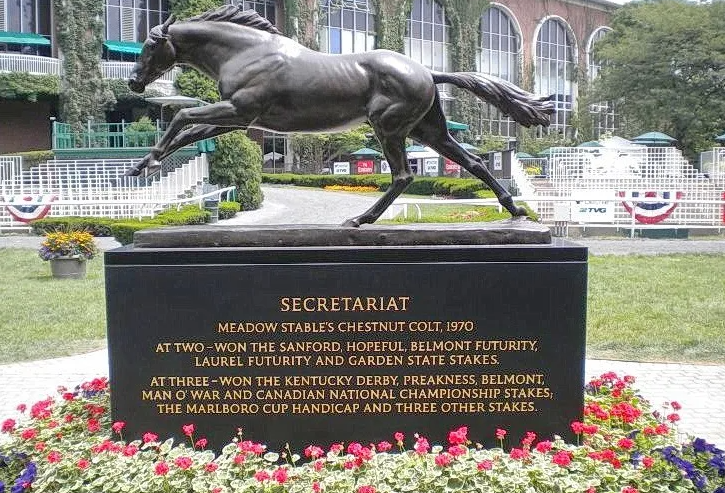
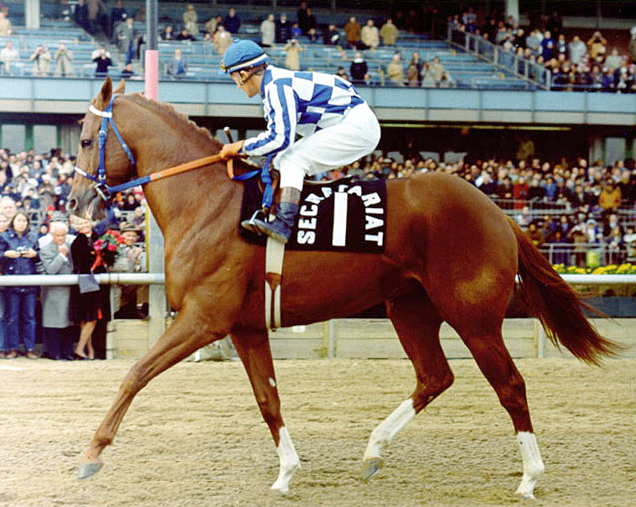
 A Tribute to Secretariat: America’s Super Horse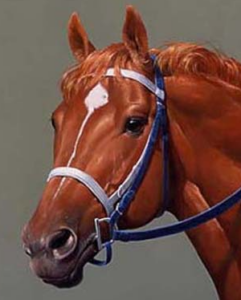
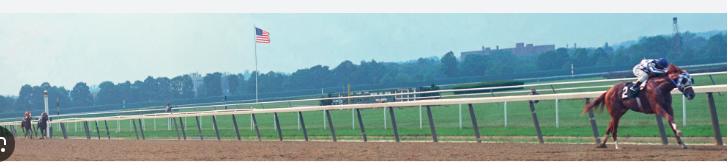
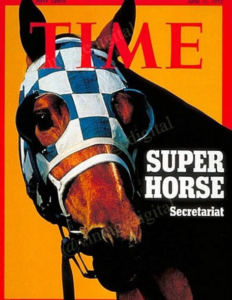 A Horse Who Became an American Icon