Auroras and Meteor Showers Take Center Stage
Wow, November 2026 is shaping up to be a big month for stargazers.
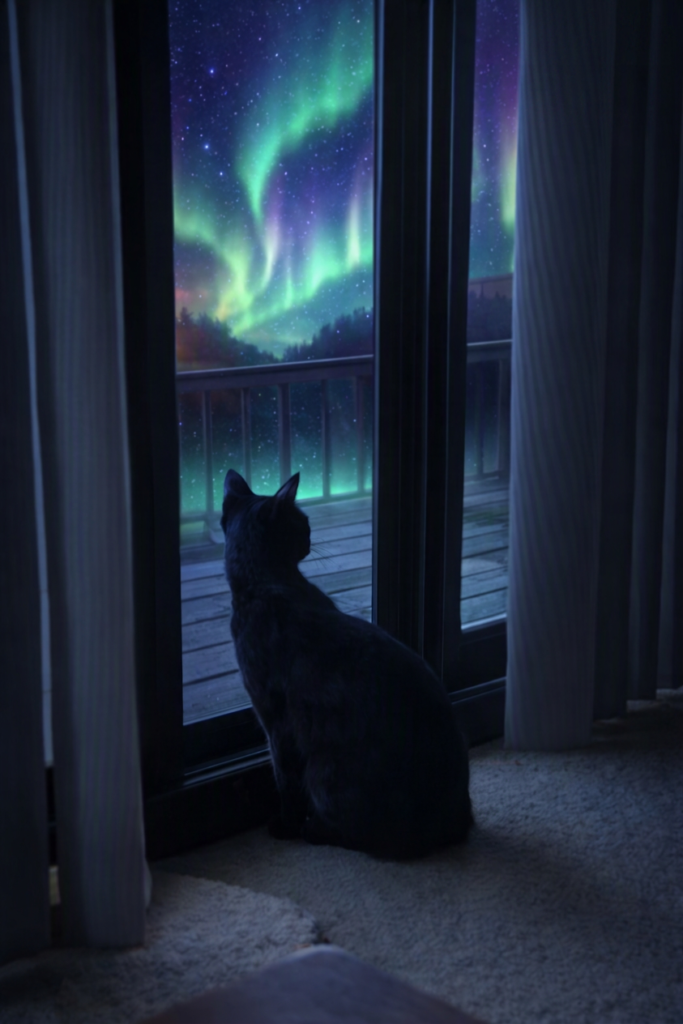
 On deck this month is a strong possibility of auroras in the northern states. The culprit behind the potential uptick in Northern Lights activity is a large coronal hole on the sun.
Yes, we have a hole in the sun! I’m serious, even if it sounds more like something the WMEO crew would investigate.
Meanwhile, as if that’s not enough, we’ve got multiple meteor showers on tap.
Meteor Showers, Planet Pairings and a Historic Journey
The nice thing about meteor showers is that they aren’t just a one-night event. Most are active for several days or even weeks, so even if you miss the peak, you still stand a chance of catching a few shooting stars or bright fireballs.
Here’s what’s on the skywatching agenda for November:
• Southern Taurids: Active September 20 to November 20. Peak Nov. 4-5. Known for slow-moving, bright fireballs.
• Northern Taurids: Active October 20 to December 10. Peak Nov. 11-12.
• Leonids: This is the big one, folks. We always hear about this one. In fact, one year I was driving on an overcast night when I noticed flashes lighting up the clouds on the horizon. At first, I thought it might be fireworks, but the flashes kept coming. Curious, I pulled over and spent nearly twenty minutes watching the sky. It turned out I was seeing the light from meteors illuminating the cloud cover. The sight reminded me of distant artillery flashes, and it’s something I’ve never forgotten. The Leonids are active from November 6-30 and peak on November 17-18. Under ideal conditions, observers may see up to 15 meteors per hour. Best viewed in the early morning hours after the moon has set. As for why I was driving around in the middle of the night, that’s a story for another day.
A Supermoon, Two Planets and Voyager’s Big Milestone
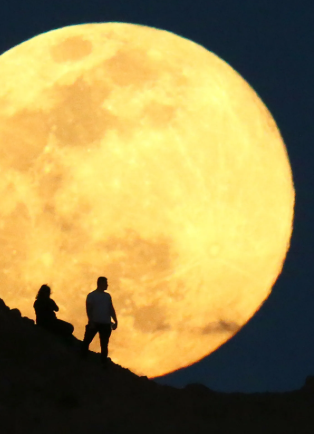
 Moving on to the rest of the sky show Mother Nature has planned, there will be a close pairing of Mars and Jupiter along with a supermoon on November 24.
And one final note. NASA says Voyager 1 will reach a historic milestone this month. It will have traveled one light-day from Earth.
What’s a light-day, you ask?
That’s the distance light travels in 24 hours, about 16 billion miles (26 billion kilometers). Voyager 1 is expected to reach that mark on November 18, 2026.
Think about that for a moment. It’s taken Voyager 1 nearly 50 years to travel a distance that light covers in a single day.
Fifty years.
Imagine that!
So all you stargazers, November is serving up a cornucopia of celestial sights. From meteor showers and auroras to planetary pairings and a historic Voyager milestone, there’s plenty to keep your eyes pointed toward the night sky.