🚗 A 12‑Park Western Road Trip Inspired by 1920 — With My Own Travel Notes Along the Way
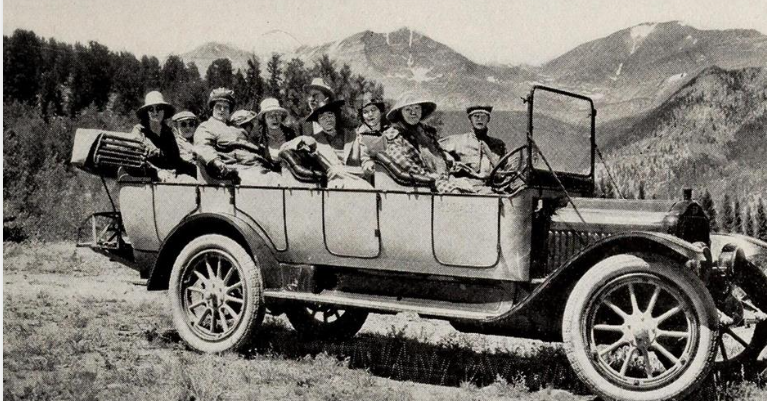
In 1920, a group of early adventurers set out on a grand loop through the American West, visiting a dozen national parks long before paved roads, GPS, or timed‑entry reservations. Their route still makes an incredible modern‑day road trip — and as I read through their journey, I couldn’t help weaving in my own experiences, near‑misses, and bucket‑list dreams.
Here’s how their century‑old adventure lines up with mine.
🏔️ Stop 1: Rocky Mountain National Park
Leaving Denver, the route climbs straight into the high country. Back in 1920, the only way in was Old Fall River Road, a narrow dirt track that still exists today. Modern travelers have the far smoother Trail Ridge Road, the highest continuous paved road in the U.S., soaring above treeline with sweeping alpine views.
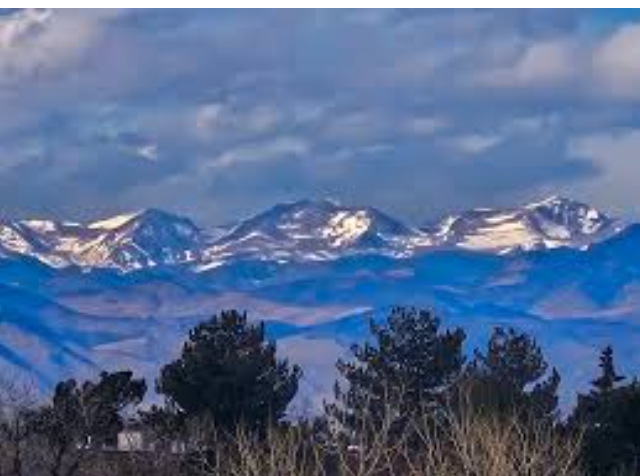
I’ve tried to visit Rocky Mountain myself — emphasis on tried. In 2022, the park required timed‑entry tickets, and their online system glitched every time I attempted to book one. So instead of exploring the alpine tundra, I skirted the edges, catching glimpses of those jagged peaks from the outside looking in. One of these days, I’ll get back there and do it properly.
🦬 Stop 2: Yellowstone National Park
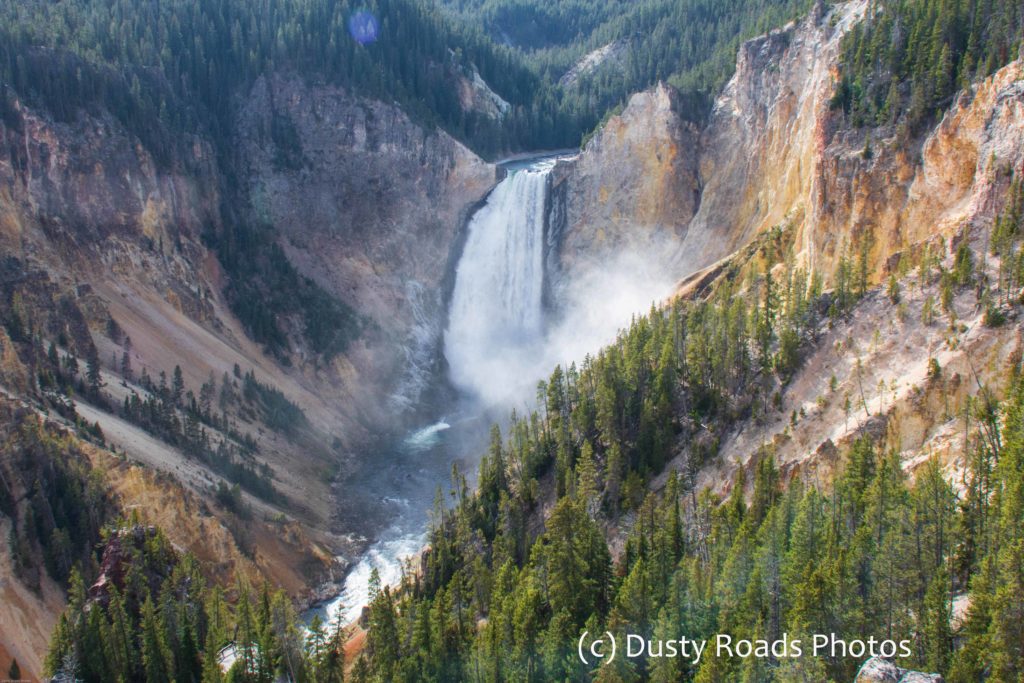
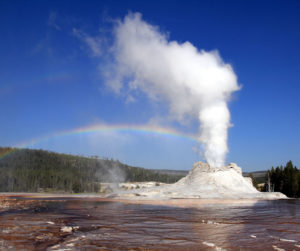 From Colorado, the road heads north through Cheyenne and Cody before entering Yellowstone, the world’s first national park. The original travelers stayed at Lake Yellowstone Hotel and spent four days exploring geysers, canyons, and wildlife — a pace that still feels just right today.
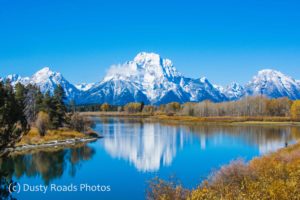
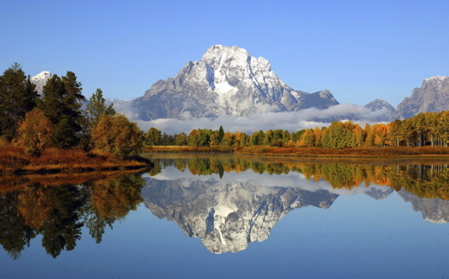
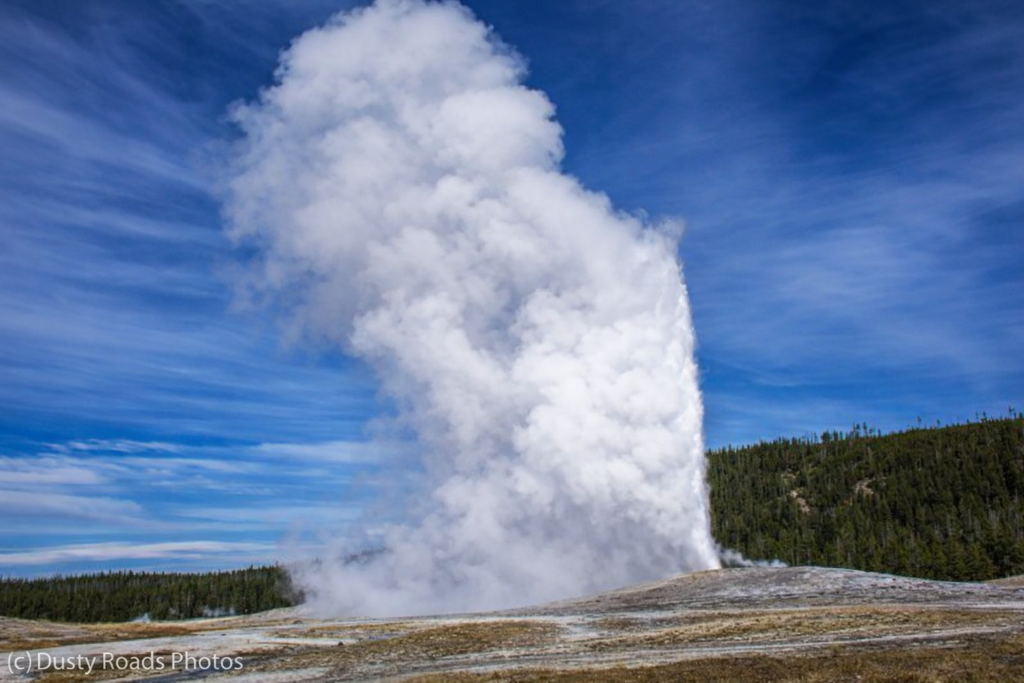
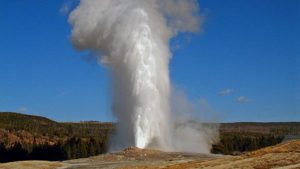
I spent several days there in 2017, entering from the south after passing through Grand Teton National Park. It was one of those trips where every turn reveals something new — steam rising from the earth, bison wandering across the pavement, colors you don’t expect in nature. Next time, I want to enter from the north and save myself some drive time. If your explorations are limited, this is the one park you absolutely shouldn’t skip.
❄️ Stop 3: Glacier National Park
Next comes the old Yellowstone–Glacier Bee Line Highway, rolling through Montana towns before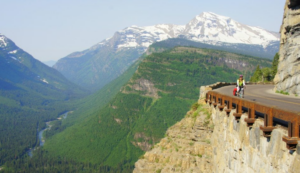 reaching Glacier National Park. In 1920, the group counted roughly 80 glaciers and found almost no roads. Today, only about two dozen glaciers remain — but the park gained something extraordinary: the Going‑to‑the‑Sun Road, one of the most spectacular drives in America.
I’ve heard so much about that road. It’s firmly on my bucket list. What breaks my heart is how quickly the glaciers are retreating. Thanks to our warming climate, no one knows how long they’ll be here. It makes visiting feel urgent — like catching something precious before it slips away.
🌋 Stop 4: Mount Rainier National Park
Heading west on Highway 2, the route crosses Idaho and Washington before turning south toward Mount Rainier. The early travelers reached it by mule; today, you can drive straight to Paradise, a wildflower‑filled slope with jaw‑dropping glacier views.
I didn’t make it into the park itself, but I did get a stunning view of Rainier from the top of Seattle’s Space Needle back in 2013. Even from a distance, the mountain dominates the skyline — serene, massive, and a little otherworldly.

💙 Stop 5: Crater Lake National Park
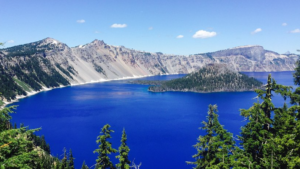 Continuing south through Oregon, the loop arrives at Crater Lake, a deep‑blue caldera lake so vivid it almost looks unreal. The 1920 group stayed at Crater Lake Lodge and drove the newly completed Rim Drive, still one of the most beautiful loops in the park system.
Crater Lake has been on my list for ages. Between its clarity, volcanic origins, and the Native American legends woven into its history, the whole place feels like it belongs in a myth. One day, I’ll finally see that impossibly blue water for myself.
🌋 Stop 6: Lassen Volcanic National Park
Crossing into California, the road reaches Lassen Volcanic National Park, one of the few places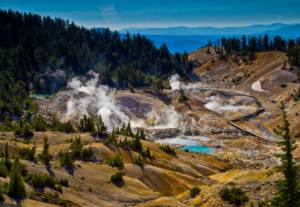 where you can see all four types of volcanoes in one park. The 1920 travelers couldn’t explore much — no real roads yet — but today you can wander through hydrothermal basins and stand beneath Lassen Peak.
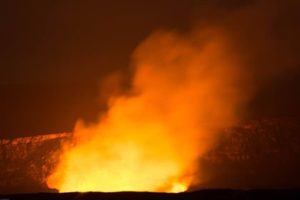
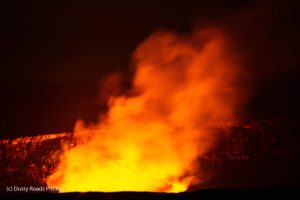
This one surprised me. I’d never heard of it, and I love volcanoes. I’ve spent many happy hours with Kīlauea in Hawai‘i Volcanoes National Park, watching the earth breathe fire. Discovering that California has its own volcanic playground felt like finding a hidden chapter in a book I thought I knew.
 🏞️ Stop 7: Yosemite National Park
About 300 miles south, the granite cliffs of Yosemite rise into view — waterfalls, meadows, and iconic formations like El Capitan and Half Dome.
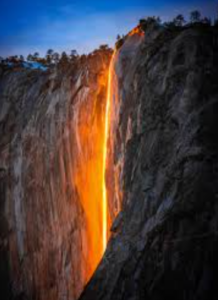
I haven’t made it there yet, but I’d love to time a visit to see Horsetail Fall during the “firefall,” when it glows orange in the setting sun. If I’m lucky — really lucky — maybe I’ll photograph it myself.
🌲 Stop 8: Sequoia & Kings Canyon National Parks
From Yosemite, the route dips into the land of giants — the massive sequoia groves of Sequoia and Kings Canyon. In 1920, Kings Canyon was still known as General Grant National Park, named for the enormous tree that still stands today.
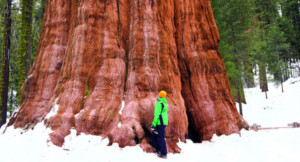
Oh, those massive trees. If trees could talk, these would be the old wise men of the forest — ancient, steady, and full of secrets. Another bucket‑list stop for me.
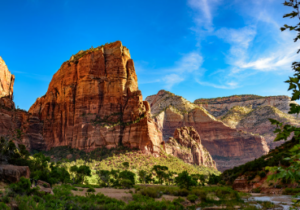 🏜️ Stop 9: Zion National Park
After reaching Los Angeles, the route follows early Route 66 eastward. From Barstow, modern travelers can detour north to Zion, a 500‑mile side trip the original group skipped.
I’ve already included Zion in my list of Southwestern parks to visit. Check out my Southwest Wish List The photos alone make you want to lace up your hiking boots and head straight for those glowing canyon walls.
🏜️ Stop 10: Grand Canyon National Park
Back on Route 66, the road passes through Kingman and Williams before reaching the Grand Canyon. The 1920 travelers stayed at the historic El Tovar Hotel, perched right on the rim.
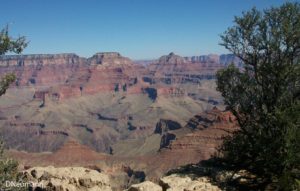
Grand Canyon
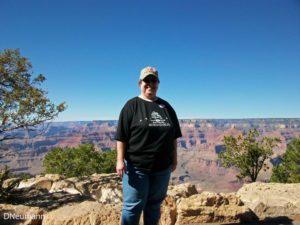
On the South Rim, Grand Canyon 2008
This one is a toss‑up for my favorite park — I can’t choose between the Grand Canyon and Yellowstone. My first glimpse literally took my breath away. I stood there dizzy, trying to comprehend the scale. It didn’t seem real then, and it still doesn’t now. It’s just so BIG.
🪨 Stop 11: Petrified Forest National Park
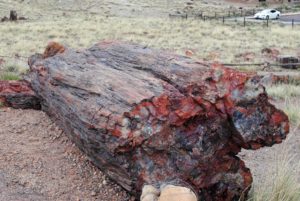
Heading east, the route crosses into Petrified Forest National Park, a landscape of rainbow‑striped badlands and ancient fossilized logs.
My sister and I loved exploring this one. The petrified wood is everywhere — no searching required. The colors are unreal, like nature painted each piece by hand.
🏺 Stop 12: Mesa Verde National Park
The final stop is Mesa Verde, home to remarkable cliff dwellings built by the Ancestral Pueblo people. The original group drove the precarious Knife Edge Road, now replaced by a safer trail with the same sweeping views.
I keep flirting with this park. I’ve visited cliff dwellings in Arizona — Montezuma’s Castle among them — but everyone tells me Mesa Verde is on a whole different level. One day, I’ll finally see it for myself.
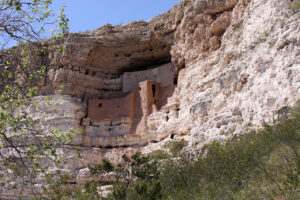
Montezuma’s Castle
🛣️ The Road Back to Denver
After Mesa Verde, the original 1920 loop turned northeast toward Colorado, passing through Durango and climbing back into the Rockies. Today, the drive back to Denver is just as scenic — a mix of mountain passes, river valleys, and those wide‑open Colorado skies.
If you’re following the modern route, you can swing through Durango, then head north toward Salida, tracing the spine of the Rockies through Pueblo and Colorado Springs before rolling back into Denver. It’s a fitting end to a journey that started — and ends — in the shadow of the mountains.
🍂 Best Time to Drive the Park‑to‑Park Highway
Late summer into early fall is the sweet spot for this 5,000‑mile adventure. You’re balancing open roads, mild weather, and fewer crowds — especially in the northern parks.
- Late August to early September: best overall window
- Mid‑summer: long days, everything open, heavier crowds
- Winter or spring: not recommended due to snow and closures
The original group took 76 days. You don’t need quite that long, but a solid four weeks gives you time to breathe, explore, and not feel rushed.
🧭 Know Before You Go
- Timed entry may be required in several parks
- Lodges book months in advance
- Weather can change quickly at high elevations
- Road conditions vary — always check ahead
- Gas and services can be sparse in remote stretches
🌟 And This Only Scratches the Surface…
Just outside Williams sits Meteor Crater, a massive impact site that feels like stepping onto another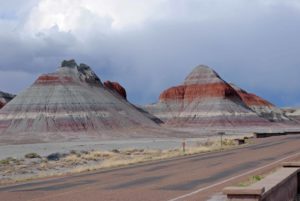 planet. Near the Petrified Forest, the Painted Desert spreads out in waves of pink, lavender, and rust. And closer to Denver, Pike’s Peak and Garden of the Gods are waiting patiently for their own spotlight. They’ll have to wait for another post — and honestly, they deserve one.
🎟️ Senior Pass Spotlight
If you’re 62 or older, the America the Beautiful Senior Pass is one of the best travel deals in the country. It gives you access to more than 2,000 federal recreation sites — including all national parks — and you don’t have to renew it annually if you choose the lifetime version.
- Lifetime Senior Pass: one‑time purchase
- Annual Senior Pass: lower upfront cost, renew yearly
Many parks also offer discounts on camping, tours, and ranger programs. If you’re planning to visit even a couple of parks, the pass pays for itself quickly.
✨ Closing Thoughts
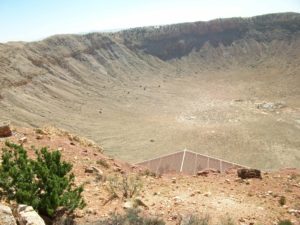
Meteor Crater
This century‑old loop reminded me just how vast, varied, and breathtaking the American West really is. Some of these parks I’ve explored, others I’ve only admired from afar, and a few are still waiting patiently on my bucket list. What struck me most is how the landscape keeps changing — glaciers shrinking, roads improving, new stories unfolding — yet the sense of wonder remains the same. The 1920 travelers saw a wilder version of these places, but the magic is still there for anyone willing to follow the road. And now that I’ve traced their footsteps, I’m more inspired than ever to keep exploring, camera in hand, curiosity in tow, and a few more parks calling my name.
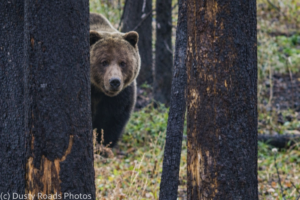
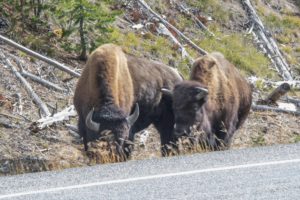 Every summer, Yellowstone’s bison attempt to teach tourists the same lesson: You cannot take a selfie with a 2,000‑pound animal.
 explosions.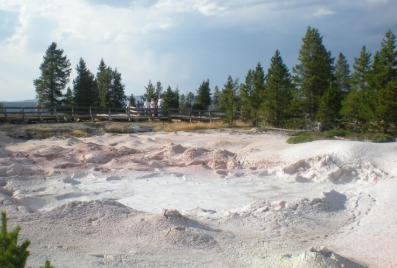
 If You Go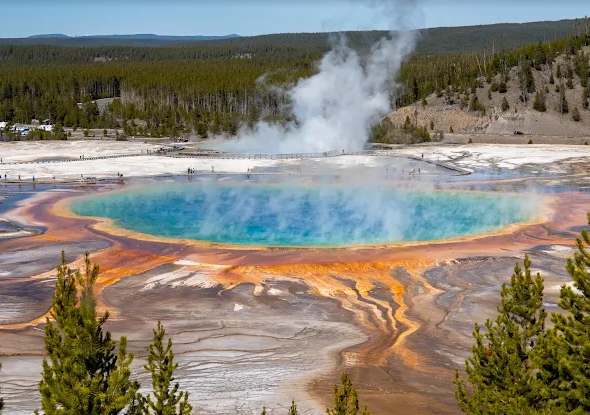

 Breaking News from the Feline Desk