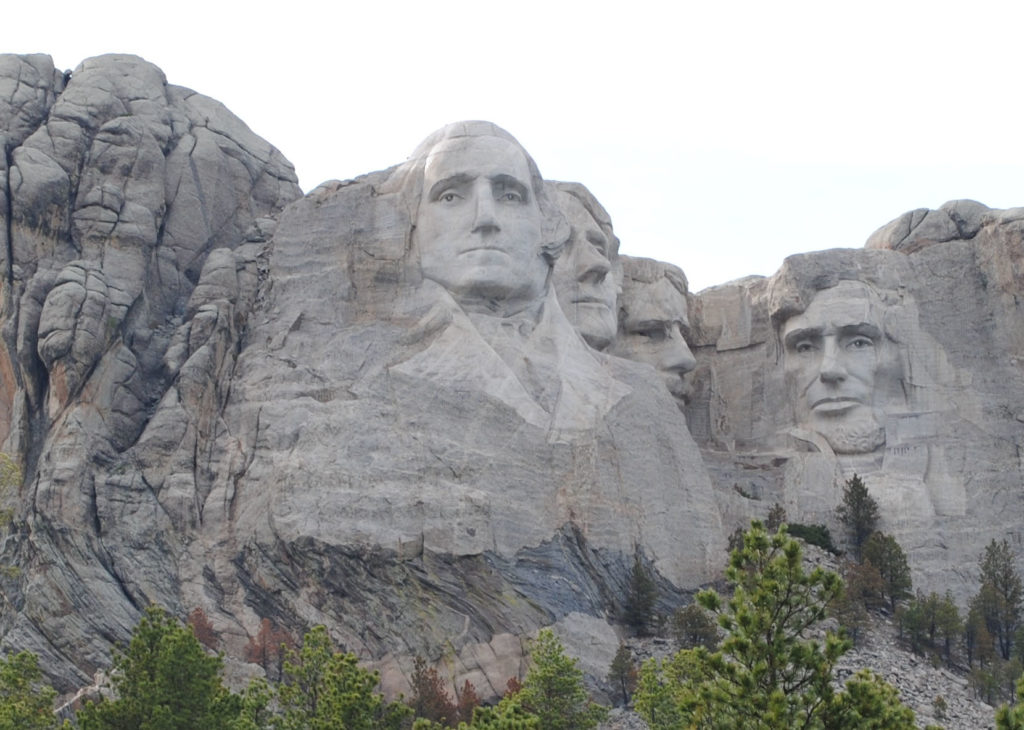
Mount Rushmore
A Monument You Think You Already Know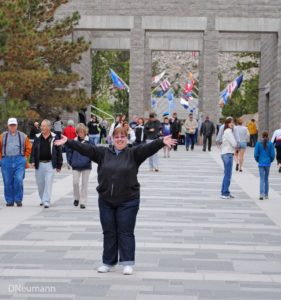
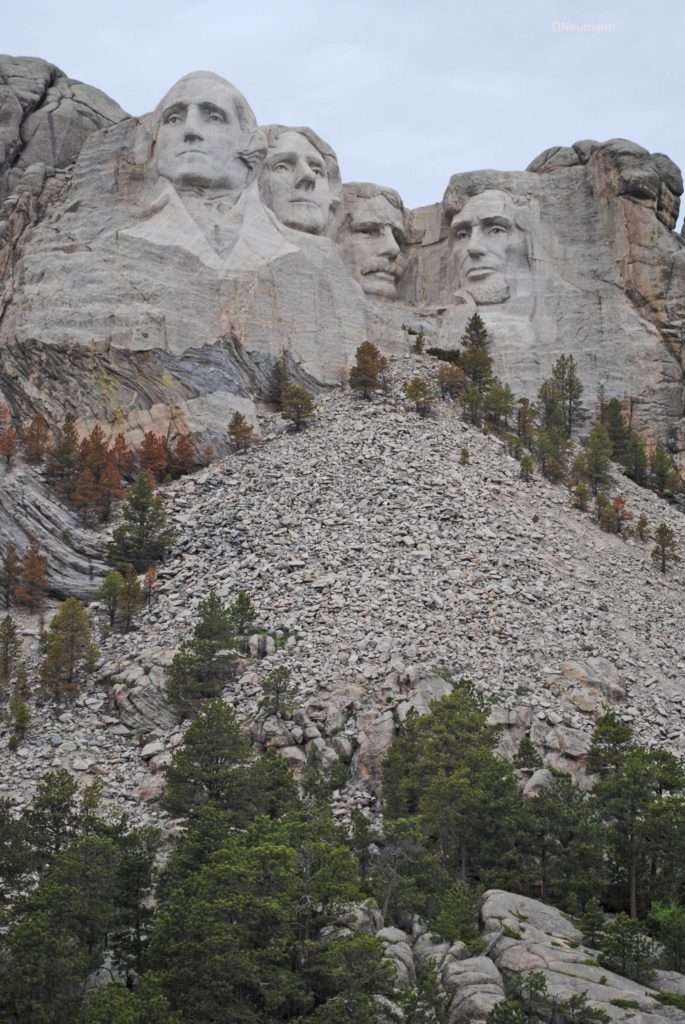
Mount Rushmore is one of those places you recognize long before you ever stand in front of it. You’ve seen it in textbooks, travel brochures, and of course in National Treasure, where Nicolas Cage turns the Black Hills into a treasure hunt. But nothing prepares you for the moment you walk the Avenue of Flags and look up. The granite feels bigger, quieter, and somehow more human than all the photos and movies ever made about it.
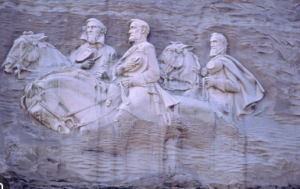 The Sculptor Who Thought in Stone
Gutzon Borglum had a way of thinking on a massive scale. Before he came to South Dakota, he worked on Stone Mountain in Georgia, carving history into rock in a way most people can’t even imagine. Mount Rushmore was his chance to create something that wasn’t just a monument, but a message — a record of the nation carved into the Black Hills.
The Real “Secret Room” Behind the Faces
Hollywood exaggerated it, but the idea came from something real. Tucked behind Lincoln’s head is an unfinished chamber called the Hall of Records. Borglum planned it as a vault for America’s founding documents — a symbolic archive sealed inside the mountain. The project was never completed, but the room exists: inaccessible, quiet, and still holding porcelain panels that tell the story of how the monument came to be.
Not a treasure vault… but still a secret room.
The Day Mount Rushmore Became a Movie Set
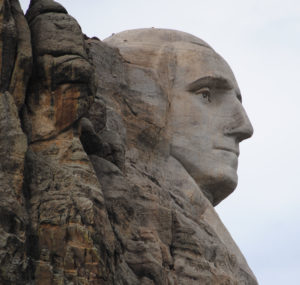
Profile in Granite
My visit had its own drama. A couple of people decided they were going to recreate their own version of National Treasure. They climbed up the loose shale beneath the monument — heading straight toward Roosevelt’s nose, which sits closest to the rubble. I can still tell exactly which one when I look at my photos.
The rangers were not amused. They got them down, arrested them, and suddenly the entire observation deck became an audience watching a real‑life “movie” unfold. It was chaotic, ridiculous, and unforgettable.
Why Mount Rushmore Stays With You
Mount Rushmore doesn’t need Hollywood. It already has its own stories — carved in stone, hidden in unfinished chambers, and sometimes acted out by people who take the movies a little too seriously.
And that’s what stays with you. Not just the monument itself, but the layers around it: the history, the myths, the quiet moments, and the unexpected ones. South Dakota has a way of reminding you that the past is never as far away as it seems.
Share this:
- Share on Tumblr (Opens in new window) Tumblr
- Print (Opens in new window) Print
- Share on X (Opens in new window) X
- Share on Facebook (Opens in new window) Facebook
- Share on Pinterest (Opens in new window) Pinterest
- Share on Reddit (Opens in new window) Reddit
- Share on LinkedIn (Opens in new window) LinkedIn