 The ESA in a Changing Political Landscape

The Endangered Species Act has shaped wildlife conservation for more than fifty years, and today it faces one of its most challenging chapters. Policies continue to shift, and new proposals keep emerging, which pushes the ESA into a period of rapid change. As a result, many scientists, advocates, and nature‑loving communities are watching closely. They want to understand how these decisions will influence the species and landscapes we rely on. Because of this growing uncertainty, it’s more important than ever to look at what’s changing—and why it matters.
A Law Still Standing — But Applied Differently
The ESA still exists as federal law, and lawmakers have not repealed it. However, the current administration continues to introduce regulatory changes that alter how the law works in practice. These revisions reshape how agencies evaluate species, designate habitat, and weigh economic impacts.
For example, the administration now:
- Considers economic factors when reviewing species for protection
- Limits the definition of “critical habitat”
- Makes delisting easier
- Removes automatic protections for newly listed threatened species
Because these changes shift the law’s practical impact, conservation groups argue that the ESA no longer functions with the same strength it once had. Meanwhile, industries that rely on land use and development often support these revisions because they reduce regulatory barriers.

Why These Changes Matter for Wildlife
Wildlife depends on timely, science‑based decisions, and even small delays can create long‑term consequences. When agencies slow the listing process or narrow habitat protections, vulnerable species lose the support they need to recover.
For instance:
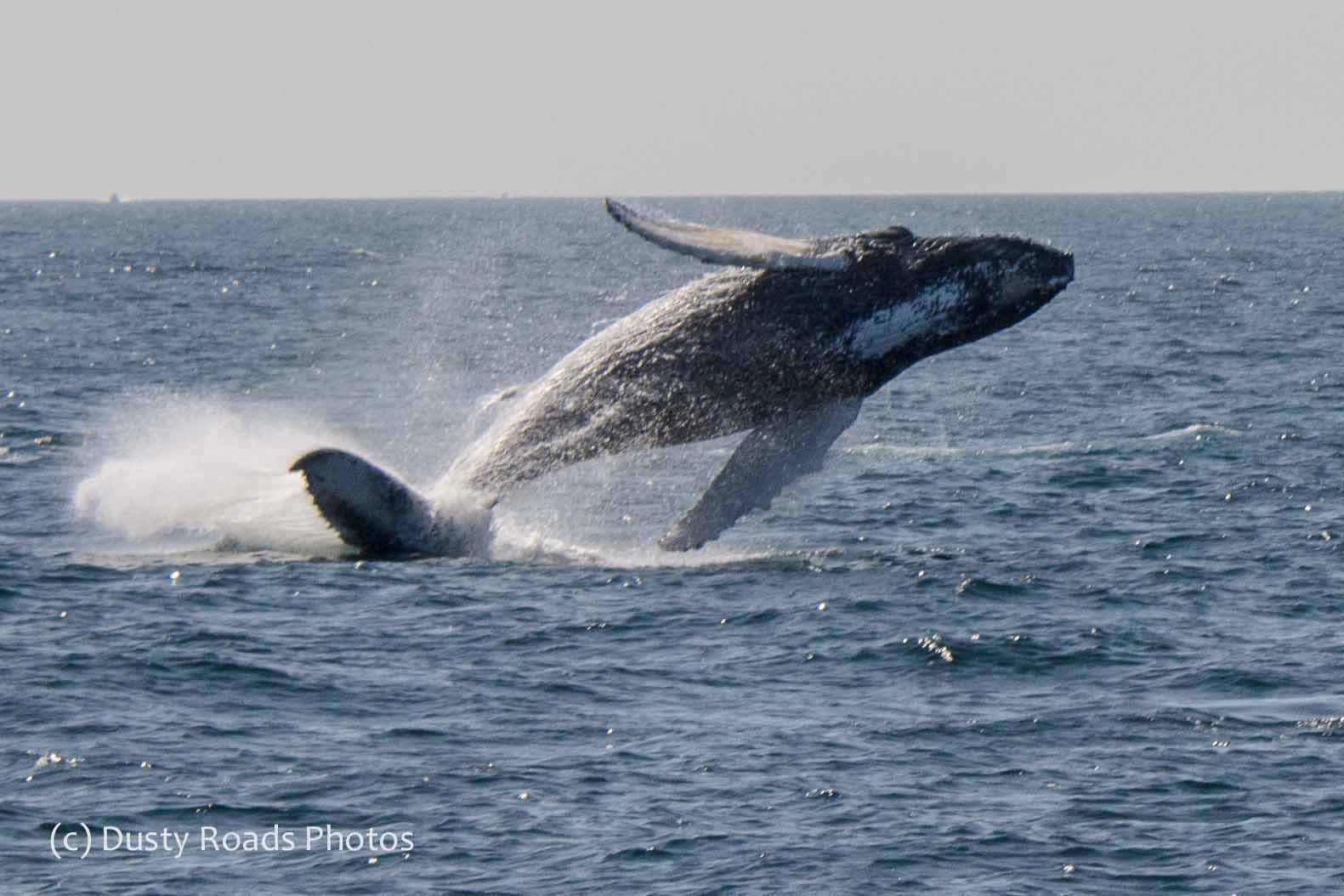
- North Atlantic right whales face increasing threats from ship strikes and entanglement
- Monarch butterflies continue to decline as milkweed disappears
- Wolverines struggle as warming temperatures reduce snowpack
- Sea turtles rely on protected nesting beaches that development can easily disrupt
Furthermore, weakened protections can ripple through entire ecosystems. When one species declines, others often follow, which ultimately affects the health of forests, coastlines, and waterways.
The Human Side of Conservation
These policy changes also influence the communities that share space with wildlife. Because the ESA guides how we manage land, water, and development, any shift in its application affects people as well.
Across New England and beyond, these changes may:
- Alter land‑use planning
- Influence environmental review processes
- Affect tourism and outdoor recreation
- Create uncertainty for conservation groups and local governments
Consequently, the ESA plays a larger role in daily life than many people realize. It shapes the balance between human activity and the natural world, and that balance directly affects our quality of life.

A Crossroads for Conservation
Right now, the ESA stands at a crossroads. The decisions made today will influence wildlife protection for decades. Because these proposals continue to evolve, the story is far from over. Conservationists, lawmakers, and communities across the country are watching closely, and many of them are preparing for long debates about the future of the law.
Staying Engaged as the Story Unfolds
We’re tracking these developments as they happen, and each new proposal adds another layer to the conversation. I’ll continue following the changes and explaining what they mean for wildlife, habitats, and the communities that depend on them. Stay with me as this story moves forward—every decision made now will shape the natural world we pass on to the next generation.

Sunflower and butterfly 2018