BREAKING NATURE NEWS ALERT- Sea Turtle Nesting Season

WMEO 9 – We Meow-You Listen

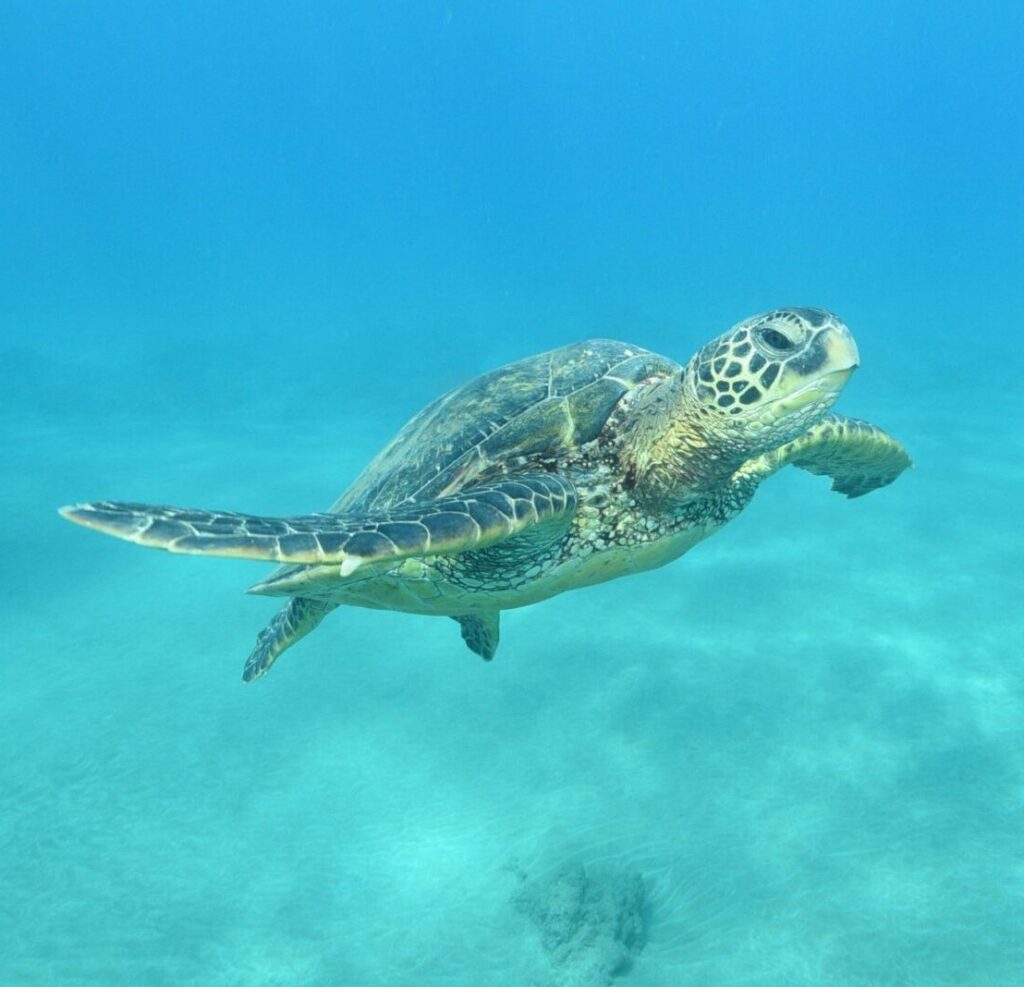
A sea turtle glides gracefully underwater through clear blue ocean, its green‑and‑brown patterned shell catching the light as it swims above a sandy sea floor.

Sea Turtles Score a Big Win This Nesting Season

Anchor: Banner, WMEO Nature Desk

To begin with, Banner here with a rare burst of good news from the coastline. Wildlife biologists across multiple regions are reporting a strong and successful sea turtle nesting season. As a result, nest counts are higher than usual, hatchling survival is up, and disturbances on key beaches have dropped thanks to expanded protected zones and smarter nighttime lighting policies.
Furthermore, green sea turtles, loggerheads, and hawksbills are all showing encouraging numbers. Conservation teams credit the success to cleaner beaches and dedicated volunteer patrols that helped guide hatchlings safely past obstacles and straight into the waves. In fact, one biologist called the season “a hopeful sign that long‑term protection efforts are paying off,” and WMEO agrees — this is a win worth celebrating.

Field Correspondent: Balboa, Reporting Live from the Box
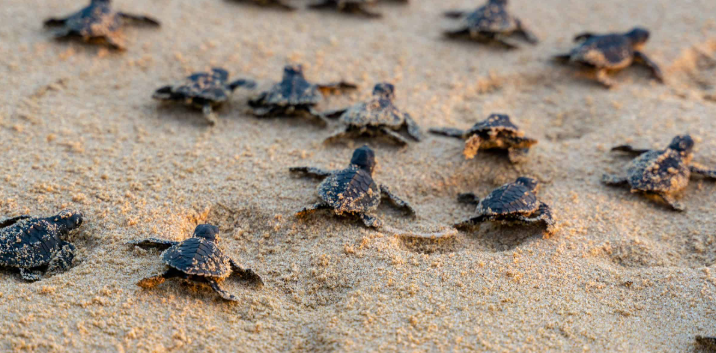
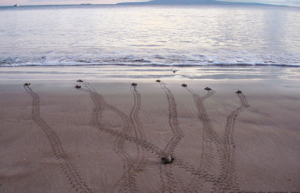
Meanwhile, Balboa here with the soft‑focus update. Cooler sand temperatures played a big role this year, giving hatchlings a better chance at survival. As a result, beaches across the region are dotted with tiny flipper tracks — proof that thousands of new travelers made their moonlit dash to the ocean.

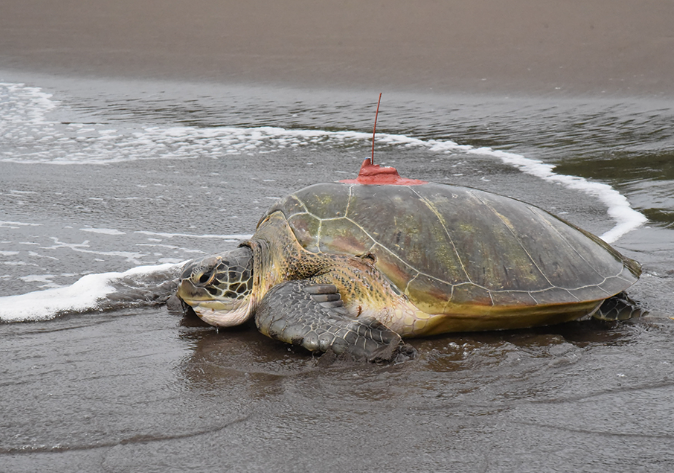
Additionally, in headline rescue news, Timmy, a 270‑pound loggerhead sea turtle, was successfully rehabilitated at the Turtle Hospital in Marathon, Florida. After weeks of treatment, hydration, and turtle TLC, she was released back into the sea with grand fanfare. Moments later, Timmy powered through the surf with strong flipper strokes, heading home like she had somewhere important to be.


Banner 

Additionally, the Florida Guardian reports that Florida has set a record number of sea turtle nests this year. However, the article also notes that recent federal policy changes may affect long‑term conservation efforts. According to several environmental groups, adjustments to protected‑habitat rules could make future recovery more challenging. Even so, biologists emphasize that this season’s success remains an important milestone.

Balboa

As always, WMEO will continue to monitor updates from wildlife agencies and conservation teams. For now, the beaches are busy, the hatchlings are thriving, and the ocean is welcoming thousands of new travelers.

Banner 

Overall, sea turtles still face steep challenges — plastic pollution, warming oceans, and habitat loss — but today’s report reminds us that small changes can make big ripples. For now, the ancient mariners of the sea are getting a well‑deserved victory.

And that concludes tonight’s WMEO 9 Nature Desk update. From nesting beaches to rescue triumphs, it’s been a strong week for Florida’s sea turtles.”

Balboa: “Stay tuned for more coverage from the WMEO team. Until then, keep your beaches clean, your lights low, and your flippers ready.”

This has been a WMEO 9 Nature News Update

End of bulletin. Please resume your regularly scheduled scrolling.


Wild Encounters: From Squirrels to Whales

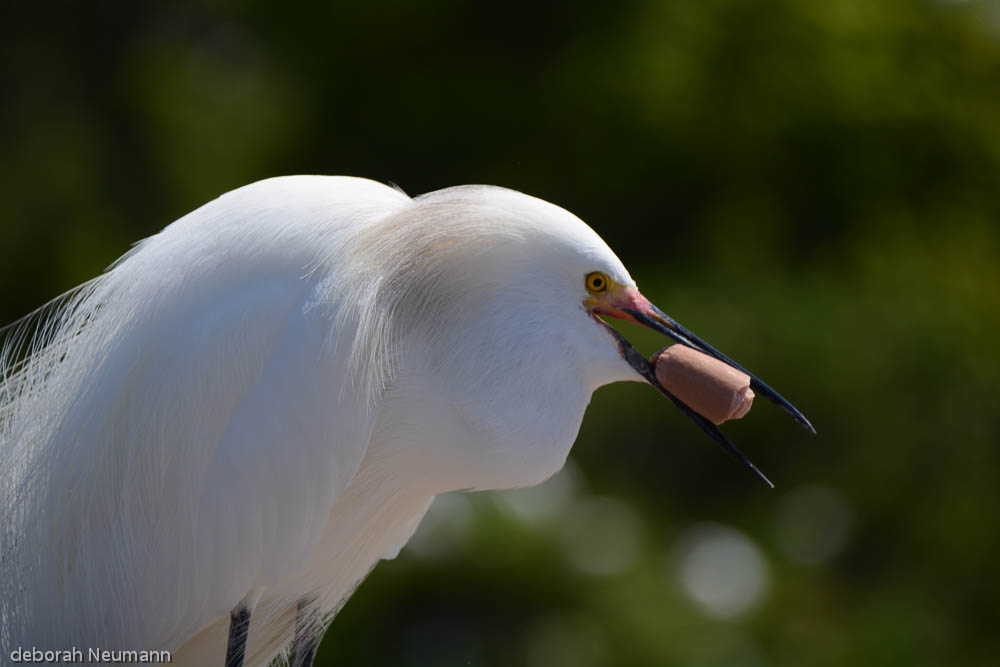
A great egret snatches a bit of hot dog, its yellow eye bright against the blurred green marsh.


When the Words Wander

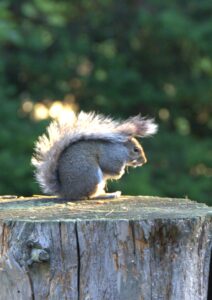
Some mornings the words just pour out of me, and other mornings — like today — they wander off to do their own thing. I sat down wanting to write about a picture of a squirrel. Just a little gray squirrel. Nothing dramatic. But nature has a way of turning simple moments into something special.

A Squirrel in the Morning Light
It was early. The cats had dragged me out of bed, and I was opening the blinds over the sliders to the deck. The sun was just coming up, the air crisp and soft in that way only early morning can be. And that’s when I saw him.

He wasn’t racing along the fence or scrambling up a tree. He was perched perfectly still on top of an old tree stump — one of those storm‑fallen trees that had been trimmed back for safety. It made the perfect pedestal. The rising sun lit him from behind, turning his tail into a glowing halo. Whether you like squirrels or not, you had to appreciate that pristine moment.

The Scramble for the Camera

He was too far for a phone shot, so I reached for my Nikon. One quick look at the settings and… no battery. Of course. I dug into the camera bag, found my spare, and swapped it in. I haven’t used that camera in a couple of years, but muscle memory kicked right in. I was sure I’d missed the moment — but no. My little friend was still there, still posing. I got one shot off, and then he was gone, down the stump and into the brush. Banner wound around my feet, completely uninterested in the tiny drama unfolding outside.

Why Nature Photography Hooks Me

But that’s nature photography. Woodland creatures don’t care if they look fat or skinny or if they’re smiling. They don’t pose. They don’t wait. They just go on doing their little woodland things. That’s what makes it fun — and challenging.

The Ones That Get Away

I’ve had so many moments like that. At the Daniel Webster Wildlife Sanctuary in Marshfield, I’ve seen turtles, deer, birds… and once, three otters ran right across the path in front of me and dove into the pond. No picture, just a perfect memory. That’s how it goes. In nature, the moment happens fast and often without warning. I rarely catch those surprise encounters — they’re over before my brain even registers them.


The Rare Gifts

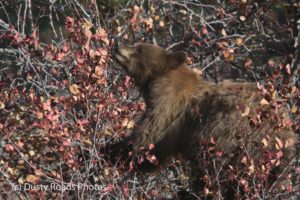
Bear Up a tree

Then there are the rare gifts. Like the time I was driving a dirt road in Wyoming and came upon a little bear in a tree, happily eating berries. He didn’t care that he had an audience. I got my shot that day.

The Long-Awaited Moments

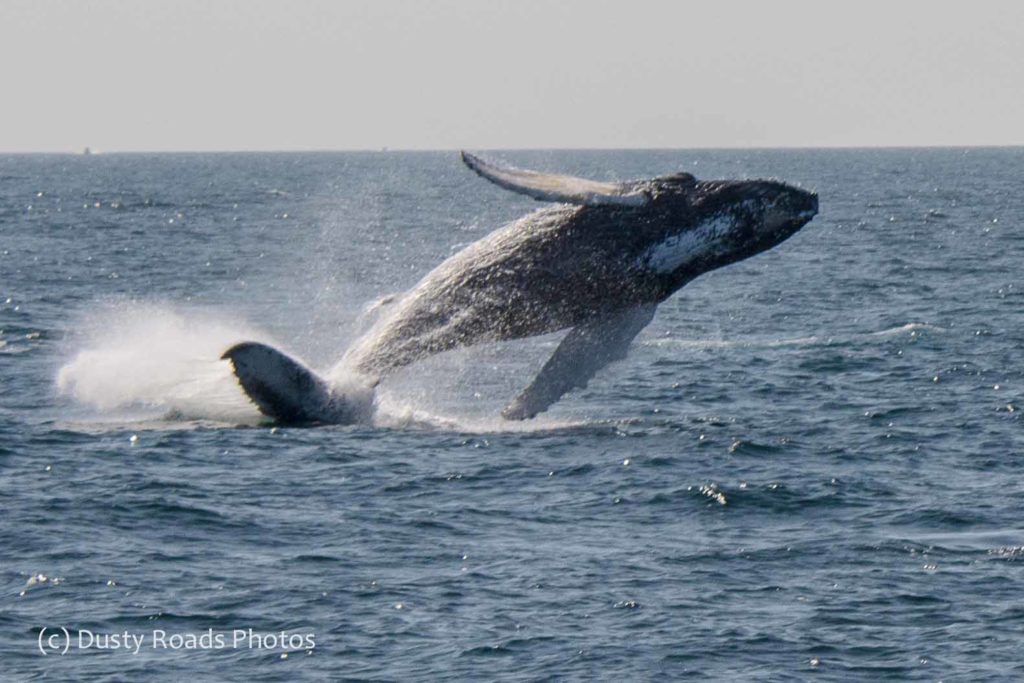
And then there are the moments you wait years for. I went on whale watches every year from the mid‑70s on — Massachusetts, Alaska, Hawaii. Decades of trips. But I never saw a whale breach until just a few years ago. First a baby humpback in Hawaii, then an adult off Cape Cod. And once I finally saw one, it was like the universe opened the floodgates. Suddenly I was seeing breaches everywhere — and because I was ready, I finally captured one of my favorite photos.Breaching Whale

Why I Keep Picking Up the Camera

I have so many stories like that — some with pictures to show for them, some that live only in my memory. But every one of them is a wonderful little interaction with the natural world. And that’s why I keep picking up the camera.


Images of Our Natural World

Capturing the Wonder of our Natural World

Yesterday was Nature Photography Day, a celebration for anyone who loves the outdoors and the art of capturing it. Whether your passion is wildlife, landscapes, or the quiet little moments in between, it’s a day to honor the beauty of our natural world.

The North American Nature Photography Association (NANPA) established the day in 2009 to encourage people to enjoy, appreciate, and photograph nature in all its forms.

I began nature photography as my hobby a number of years ago. Here are some of my earlier efforts.  I hope you enjoy them as much as I enjoyed being out there taking them.

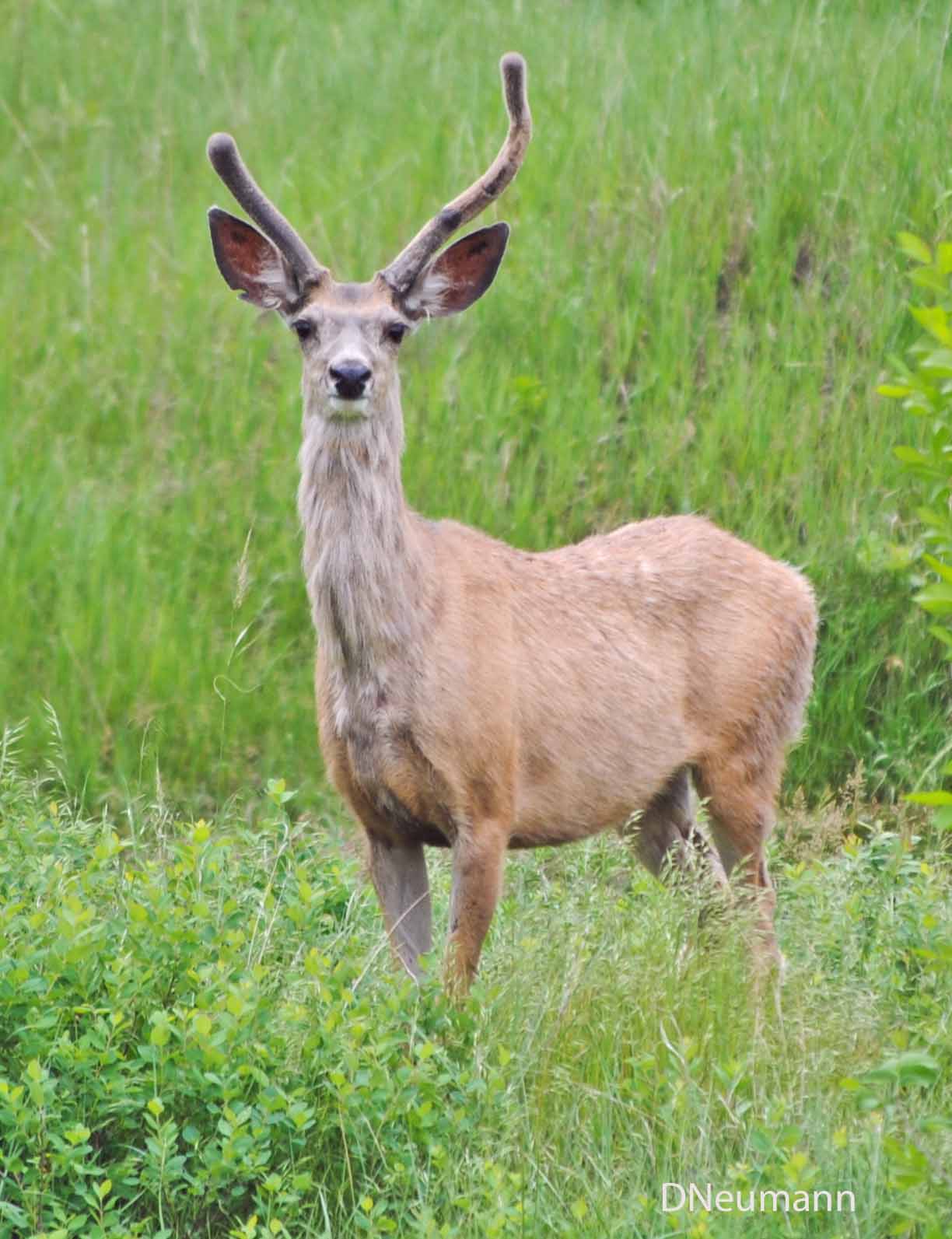
White‑tailed deer with velvet antlers standing in lush green meadow, nature photography

White Tail Deer (South Dakota)

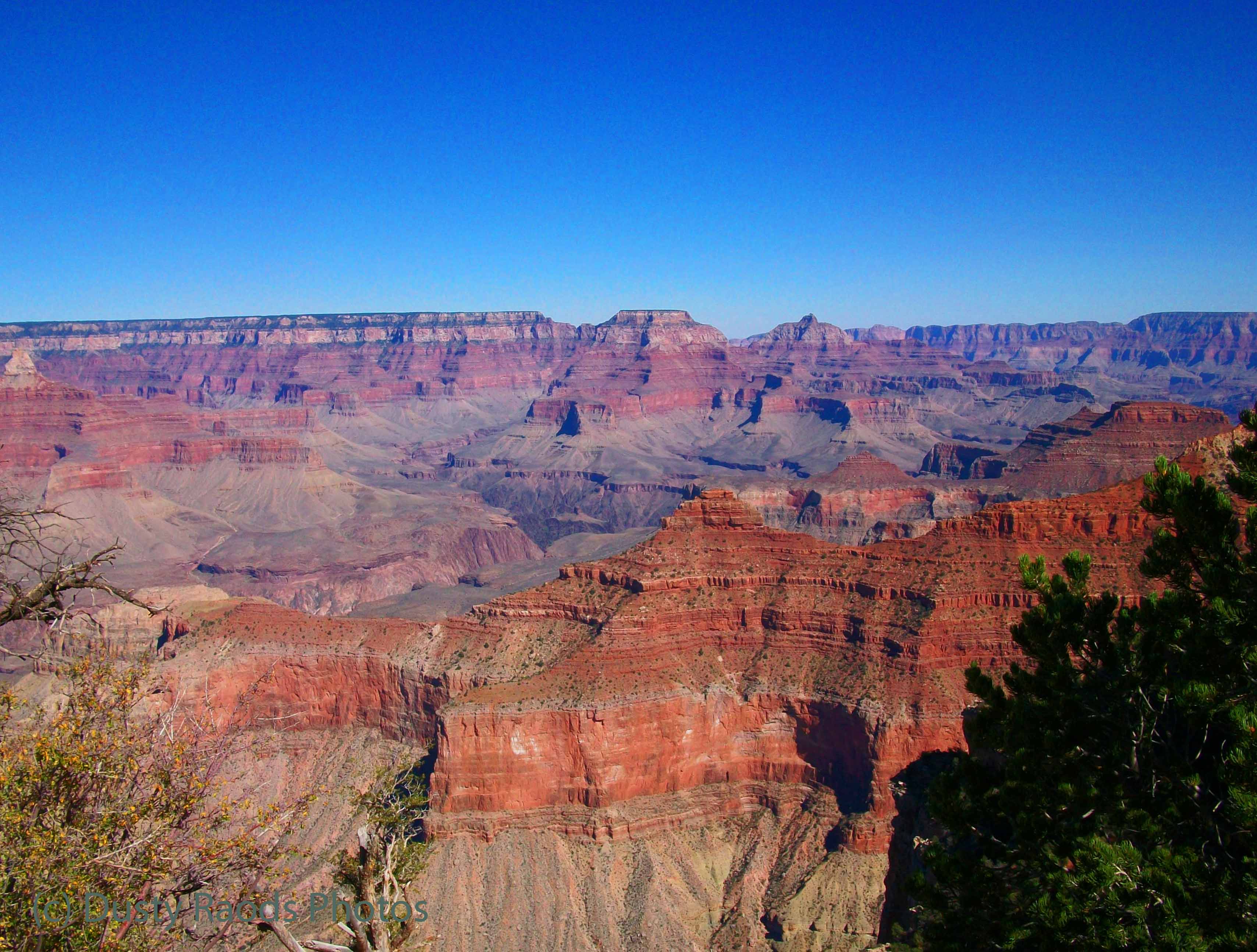
Grand Canyon (Arizona)

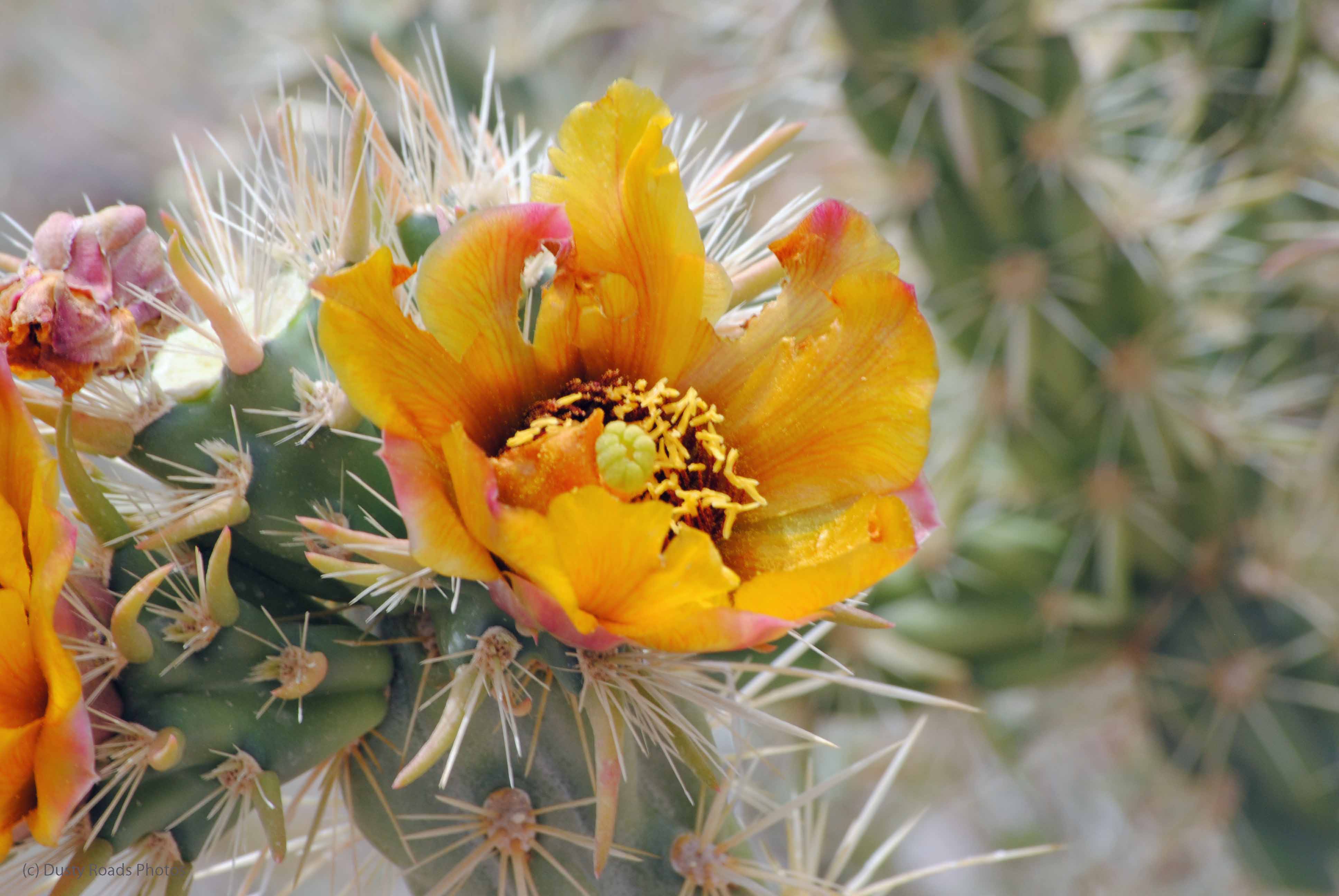
Prickly Pear Cactus (Arizona)

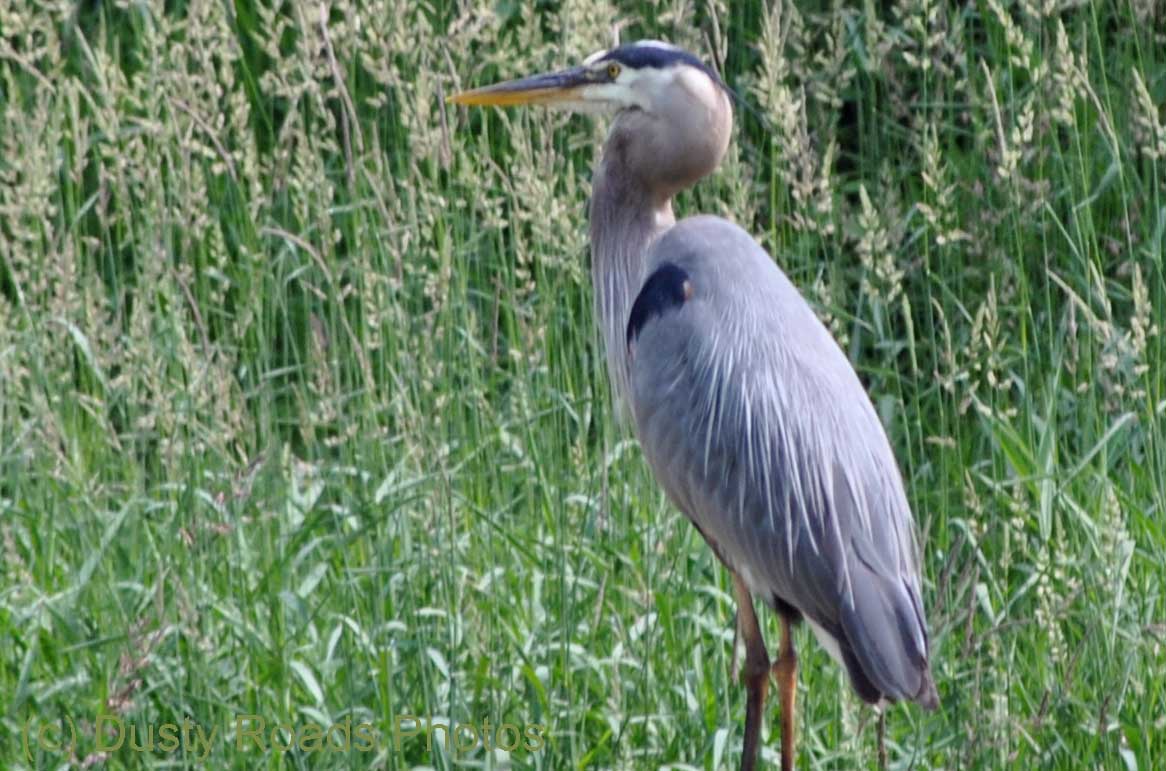
Great Blue Heron (Massachusetts)

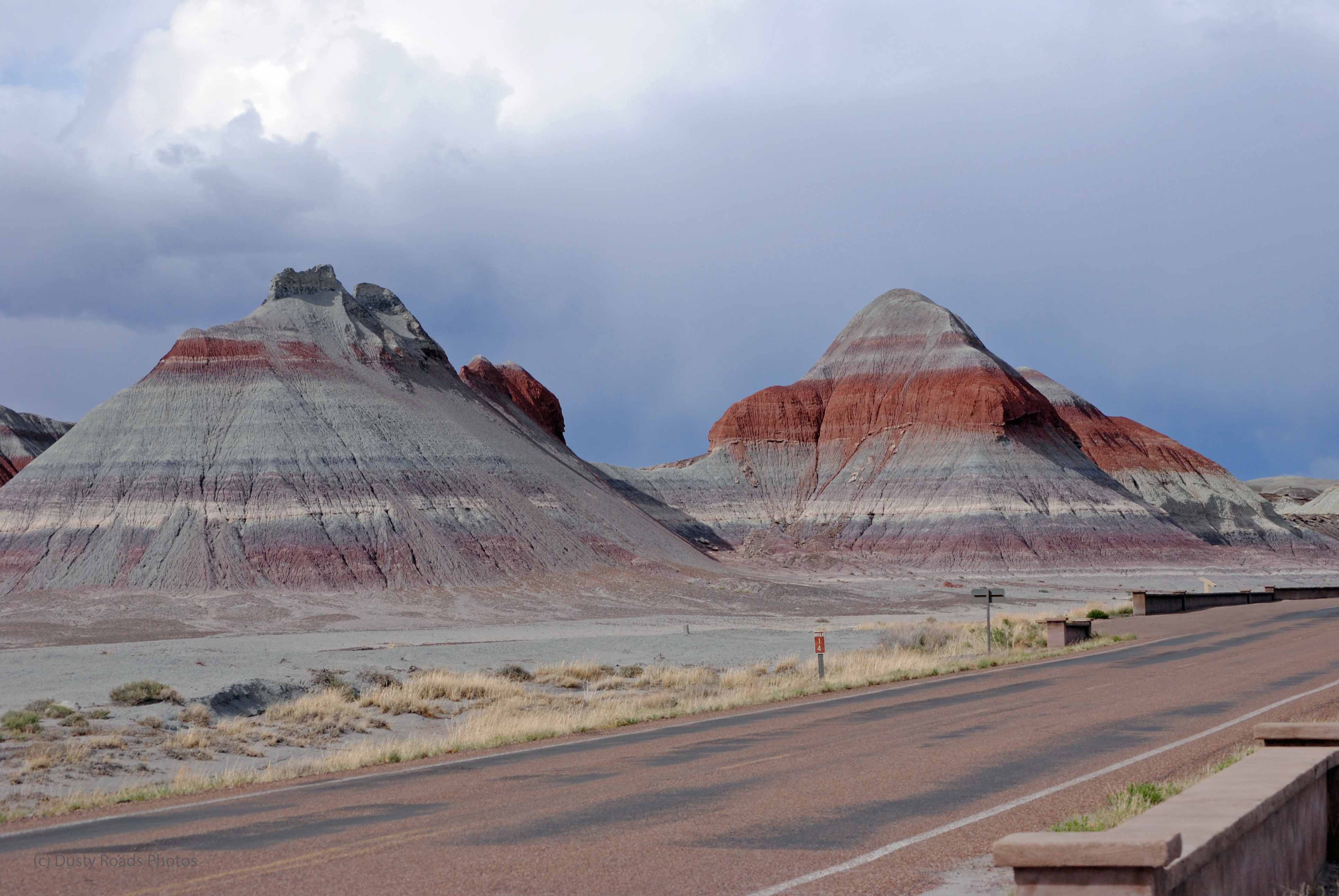
Painted Desert (Arizona)

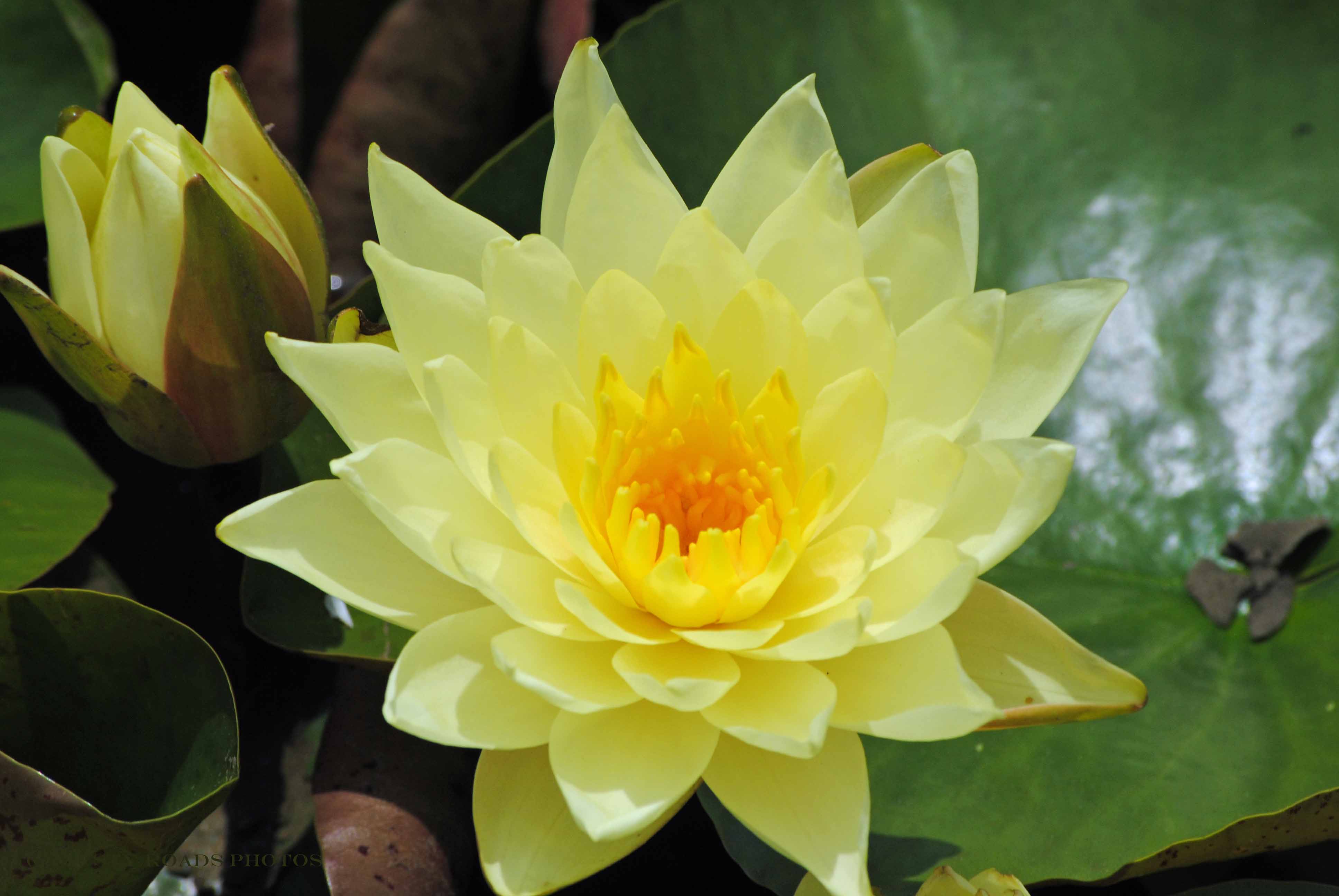
Water Lily (Massachusetts)

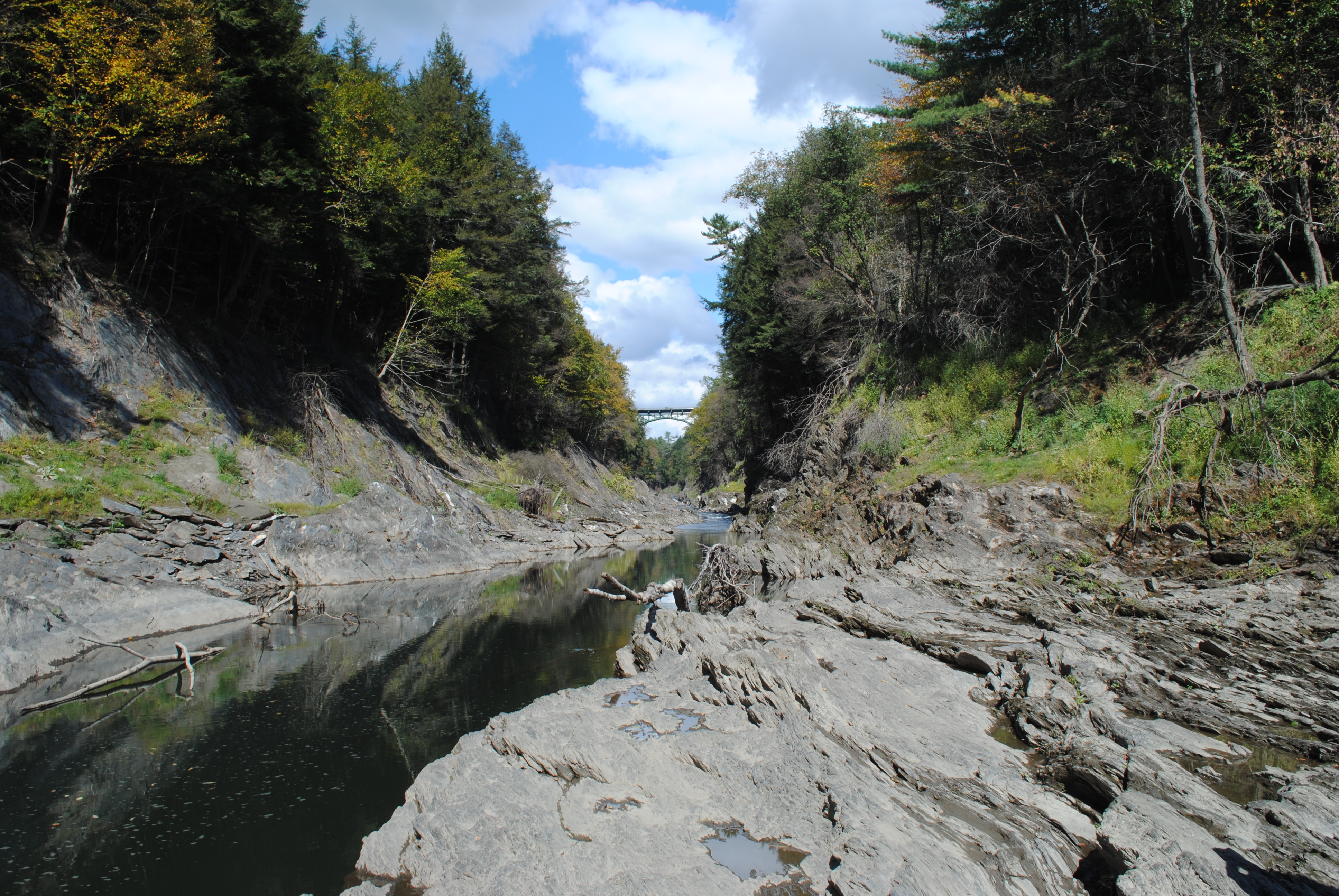
Queechee Gorge (Vermont)

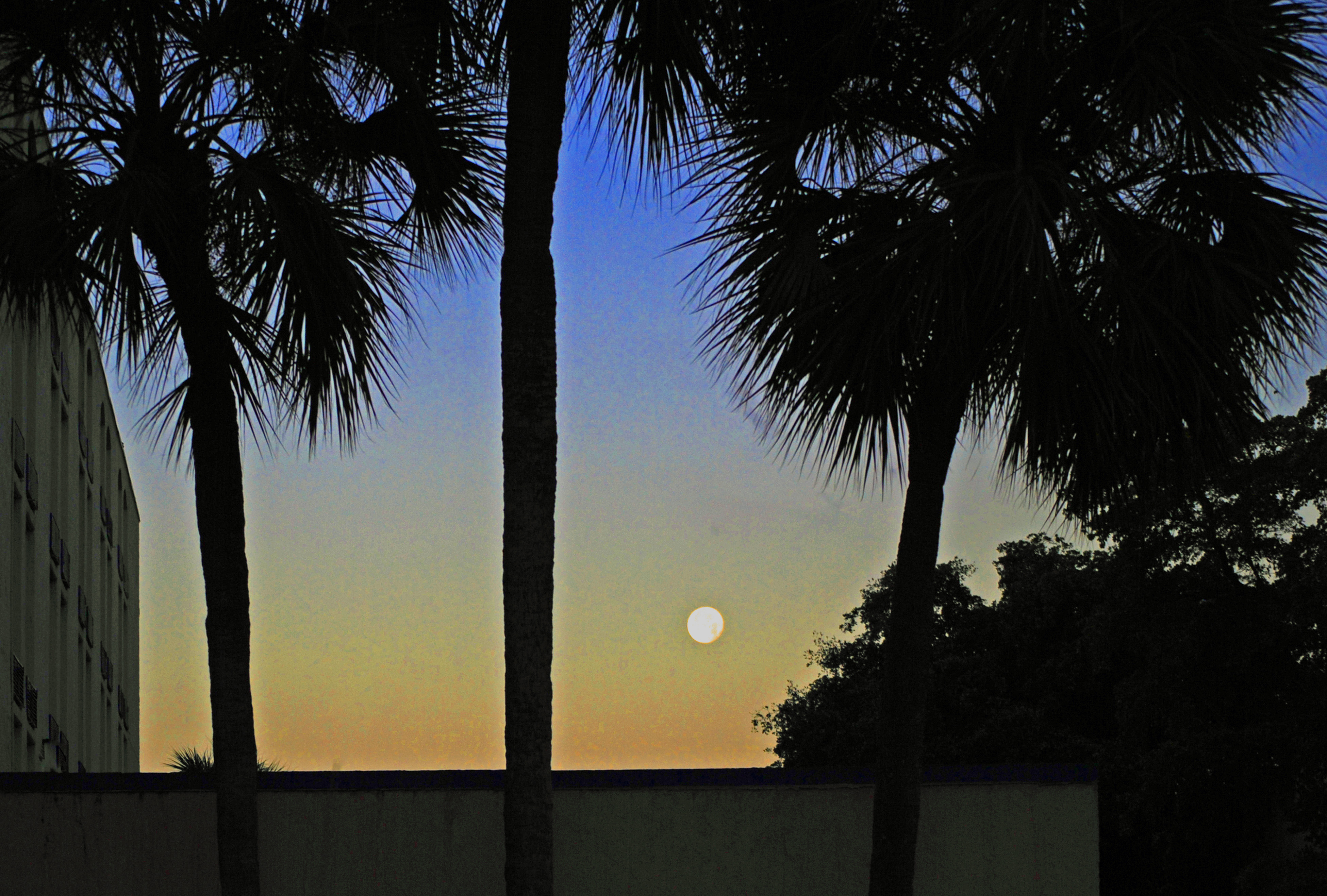
Moonrise (Florida)

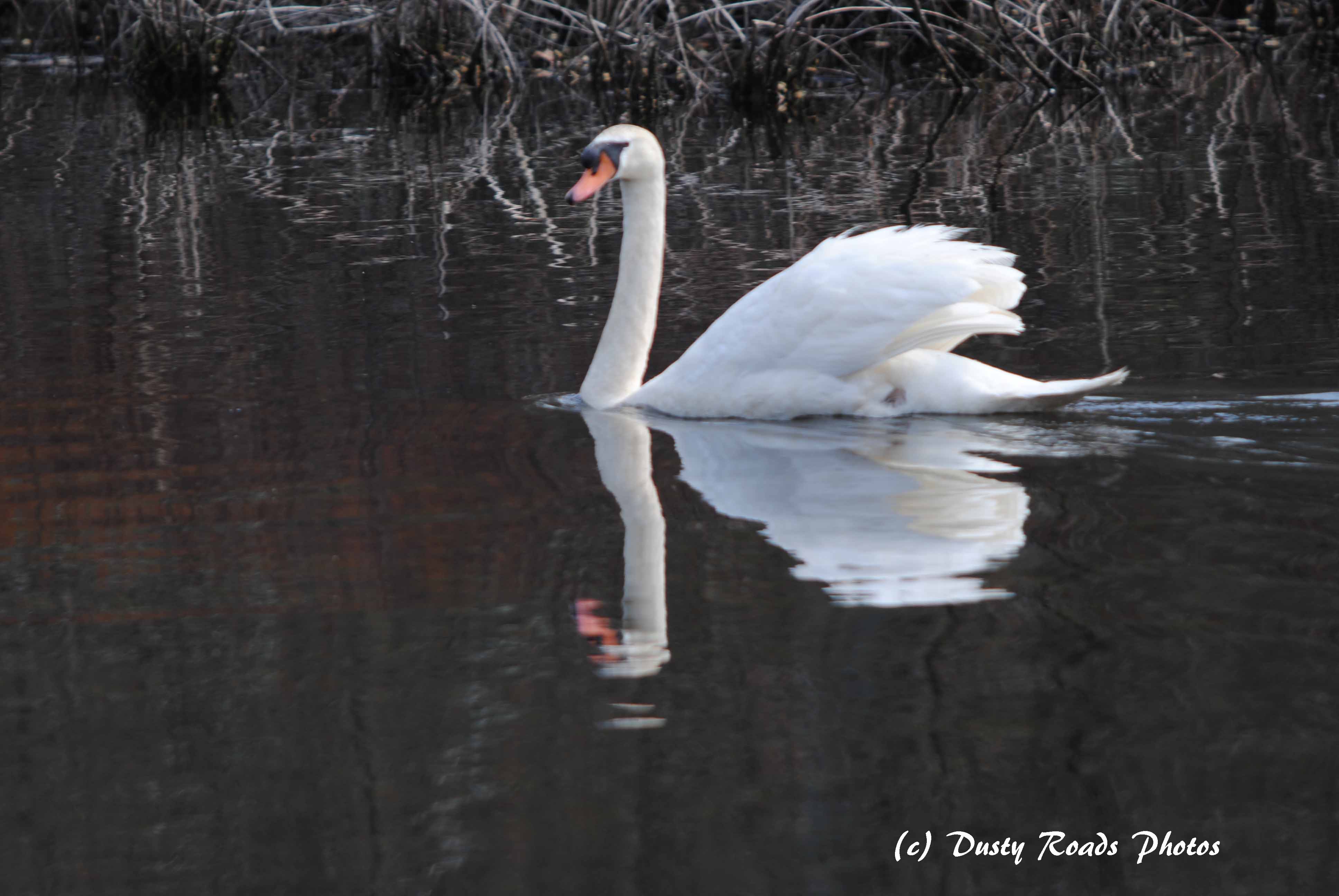
Trumpeter Swan (Massachusetts)

Looking back at these early photos reminds me why I fell in love with nature photography in the first place. Thanks for taking this little trip down memory lane with me.

Razorbills of Bolungarvík, Iceland


A Morning Surprise: The Razorbill Pair

I absolutely love this picture. Yesterday I mentioned how I’ve been very visual lately, and here’s another example of what I mean. Each morning when I log onto my computer, I never know what visual treat might be waiting for me. My wallpaper rotates every couple of days—sometimes it’s a misty bridge, other times a fierce tiger mid-prowl. The photography is always stunning. I envy the talent behind these shots. It’s the kind of artistry I once dreamed of mastering.

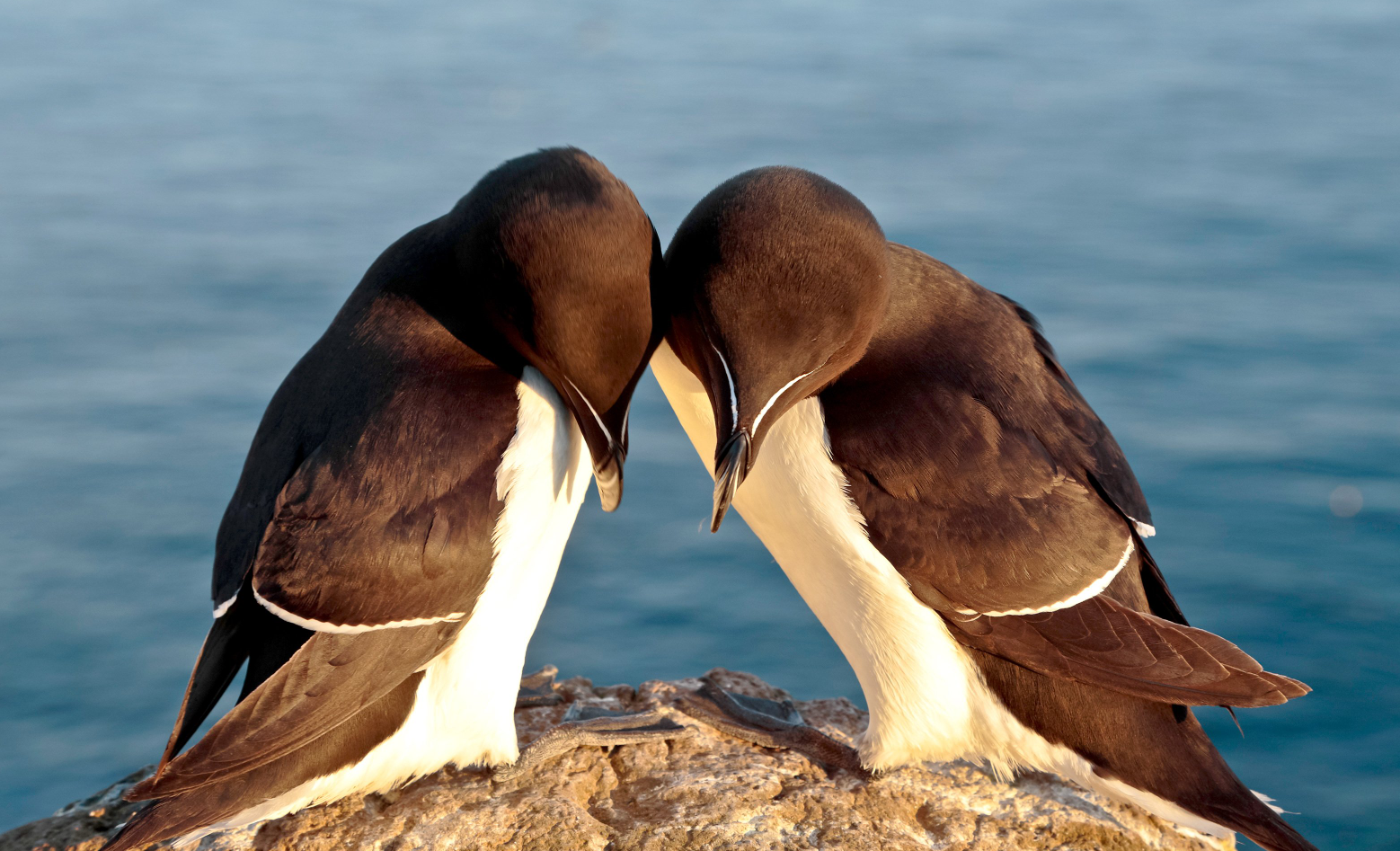
But today, I want to spotlight one image in particular: a pair of razorbills standing close together on a rocky ledge by the sea.

Texture, Contrast, and Connection

It’s not that razorbills are the most elegant birds. Their plumage is simple—dark brown above, white below—but this photo captures something extraordinary. The contrast is brilliant. The clarity is so sharp I can almost feel the downy softness of their feathers and trace the texture of their chocolate-brown heads. The white bellies pop against the deep blue of the ocean, and the whole composition feels like a masterclass in natural lighting and framing.

A Quiet Moment of Devotion

What really gets me, though, is the sentiment. These birds aren’t just standing side by side—they’re touching heads, mirroring each other in a way that feels tender and intentional. There’s a quiet devotion in their posture, a kind of avian intimacy that’s rare to catch on camera. It’s a reminder that beauty isn’t always loud or flashy. Sometimes it’s found in the stillness, in the connection, in the way two creatures simply exist together.

This picture has it all—texture, color, emotion. And I’m so glad it found its way to my screen.


Bizarre Animal Facts That Sound Made Up


  🐙🦩🐬

Party Tricks in the Animal Kingdom

Nature is the ultimate improv comedian. Just when you think you’ve seen it all, animals pull out the weirdest party tricks. Take the pistol shrimp—this tiny creature snaps its claw so fast it creates a bubble hotter than the sun. That’s right, it’s basically packing a superheated water gun. And then there’s the mantis shrimp, whose punch is so powerful it can break aquarium glass. If animals had a boxing league, the mantis shrimp would be the undefeated champ.

FlamingosFlamingos, Polar Bears, and Other Oddities

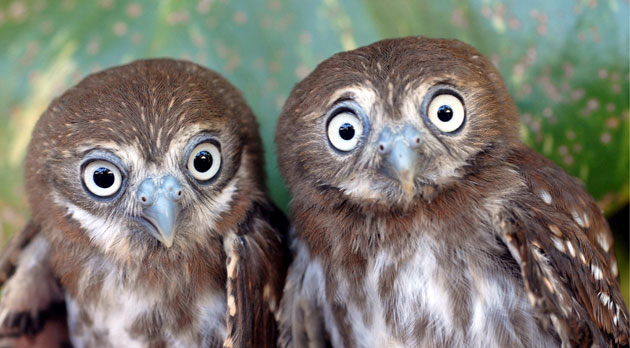
Flamingos aren’t born pink—they’re naturally grayish-white. Their rosy glow comes from eating brine shrimp and algae, so technically they’re living proof that “you are what you eat.” Polar bears, meanwhile, look fluffy and white but actually have black skin under all that fur to soak up the sun. And owls? They don’t have eyeballs at all—just long, tube-shaped eyes that make them masters of the dramatic head swivel.

Millie, American Barn Owl Ambassador

Animal Social Scenes

Here’s where it gets wild. Dolphins have been spotted passing around pufferfish to release mild toxins that leave them in a trance-like state. It’s basically the ocean’s version of a smoke circle—except instead of a joint or bong, it’s a spiky little fish. Picture dolphins giggling and saying, “Don’t bogart the puffer, man.”

Meanwhile, otters hold hands while they nap so they don’t drift apart. It’s adorable, like a floating cuddle puddle. And goats? They can pick up accents from their herd mates. Imagine a goat moving to Boston and suddenly bleating with a Southie twang.

Seasonal Magic

Some animals even change with the seasons. Reindeer eyes turn blue in winter to help them see in the dark Arctic months. It’s like they’ve got built-in night vision goggles—Santa’s squad is seriously high-tech.

Final Laugh

From shrimp with sonic booms to dolphins puff-puff-passing, the animal kingdom is full of bizarre, hilarious wonders. Next time you’re people-watching, remember: animals are out there doing even stranger things, and they don’t care who’s watching.