The Reverse Sear: A New Englander’s Indoor Steak Victory

Raw sirloin steak prepared for a reverse‑sear recipe, shown with garlic on parchment.

Life Before the Condo Rules

New Englanders are a hearty lot. Around here, there’s no such thing as “Grilling Season.” We grill in snowstorms, nor’easters, and the occasional blizzard just to feel alive. I was no different. I cooked everything on my Weber — steaks, turkeys, potatoes, corn, kabobs, chicken, fish. Honestly, I used my grill more than my stove.

Then I bought my condo.

It has a lovely west‑facing deck, and I pictured myself out there year‑round, happily grilling under shelter like a civilized cavewoman. What I didn’t picture was the fire code. Not only could I not grill on the deck, I couldn’t even store a grill there. The only allowed option was an electric grill and… well… if I’m going to cook on a glorified space heater, I might as well use my stove.

So began my quest: how do you cook a steak indoors that still satisfies the primal red‑meat urge?


My Cast Iron Era: The Classic Pan Sear

For years, my go‑to method was the classic pan sear in my beloved cast iron skillet. If you’ve never done it, here’s the quick version:

How a Traditional Pan Sear Works

  • Heat a cast iron skillet until it’s smoking hot.
  • While it heats, coat your steak lightly in vegetable oil, salt, and pepper.
  • Lay the steak in the pan — you’ll get that glorious sizzle and a puff of smoke that could set off every alarm in the building.
  • Sear for a couple of minutes on the first side to build a crust, then flip and repeat.
  • Remove from heat and let it rest while you prep your sides.

It’s fast, it’s flavorful, and it gives a great crust. But it also fills the kitchen with smoke, and the inside of the steak can go from rare to overcooked in a heartbeat.

Lately, I wanted something better — something more steakhouse‑level without steakhouse prices.

And that’s when I found it.


Enter: The Reverse Sear

I’m only one person, and after years of dieting, I can’t eat a whole steak in one sitting. So when Hannaford’s had one of their rare steak sales, I grabbed a nice sirloin for $13. It was small, so I got three good cuts out of it — just $4.33 per meal. That’s a win.

Now I just needed the perfect cooking method.

Reverse sear won by a landslide. Tender, evenly cooked, beautifully crusted — every time. I’m hooked.

Here’s how to do it.


How to Reverse Sear a Steak (No Grill Required)

Step 1: Prep Your Steak

  • Start with a thick cut — at least 1.5 inches.
  • Pat it completely dry.
  • Season generously with kosher salt and pepper.
  • Add garlic powder or any spices you love.
  • Place on a wire rack (I use my air fryer basket).

Step 2: Slow Cook

  • Preheat your oven to 250°–275°F.
  • Place the steak on the rack over a baking sheet.
  • Bake for 30–50 minutes, until the internal temp reaches 115°F for rare.
    • My smaller steaks usually hit this around the 30‑minute mark.

Step 3: High‑Heat Sear

  • Heat your cast iron skillet over high heat until it just starts to smoke.
  • Add a high‑smoke‑point oil (canola, vegetable, avocado).
  • Sear the steak 60–90 seconds per side until a deep brown crust forms.

Step 4: Rest and Serve

Because the steak cooked low and slow, it barely needs resting. A minute or two is plenty.


Notes & Tips

  • Many recipes suggest salting the steak and leaving it uncovered in the fridge for up to 24 hours. I haven’t tried it, but it’s supposed to improve the crust. If you test it, report back.
  • If you don’t mind smoke, add a pat of butter during the sear for extra flavor — just know it will burn.
  • A probe thermometer is essential to avoid overcooking before the sear.
  • A dry, heavy skillet (cast iron is best) gives the best crust. Make sure it’s screaming hot.
  • Add aromatics (butter, garlic, herbs) during the last minute of the sear and baste for extra flavor.

Regular Sear vs. Reverse Sear

You be the judge. I know which one I prefer — and I’d love to hear which method wins in your kitchen.


Surviving a New England Winter

 Through Snow, Ice, and Dark of Night

❄️ The Snowy Stage

Winter in New England doesn’t tiptoe in—it barrels through the door with a frosty grin and a suitcase full of snow. Streets transform into icy labyrinths, and every front yard becomes a stage for snowdrifts that pile higher than the neighbor’s mailbox. It’s a season where shovels become daily companions and boots squeak like loyal sidekicks.

🌬️ Ice, Ice, Maybe

The ice is both villain and comedian. Driveways glisten like glass runways, daring us to pirouette unintentionally. Sidewalks become slip-and-slide adventures, where balance is less about grace and more about survival. Yet, there’s a strange beauty in the sparkle—icy branches twinkle like chandeliers hung by nature herself.

🎿 Slopes and Red Noses

Of course, New England isn’t just about shoveling—it’s about skiing and snowboarding too. Resorts dot the region, inviting adventurers to carve trails down powdery slopes. The thrill of racing downhill leaves cheeks tingling and noses glowing bright red, proof of a day well spent in the crisp mountain air. And when the lifts finally close, there’s nothing sweeter than gathering for après-ski: boots drying by the door, a crackling fire warming tired muscles, and mugs of mulled cider shared among friends.

🌌 The Dark of Night

Ah, the long nights. Darkness falls early, wrapping the town in a velvet cloak by late afternoon. But instead of gloom, it offers a chance for cozy rituals: candles flickering in windows, cocoa warming hands, and the quiet hum of a kettle promising comfort. The dark becomes less an enemy and more an invitation to slow down.

🧣 The Secret Weapons

Survival isn’t just about grit—it’s about whimsy. Fuzzy socks, oversized scarves, and the eternal promise of baked goods are the true heroes. A snowstorm outside? Perfect excuse for a kitchen experiment. The oven becomes a hearth, and laughter fills the house louder than the wind                                                                       rattling the shutters.


🌟 Finding the Magic

Through snow, ice, slopes, and night, New Englanders discover resilience wrapped in humor. Winter isn’t merely endured—it’s celebrated with sled rides, snow angels, ski runs, and the occasional hot toddy. The season teaches us that survival is less about braving the cold and more about embracing the sparkle hidden within it.

Tower in the Sea

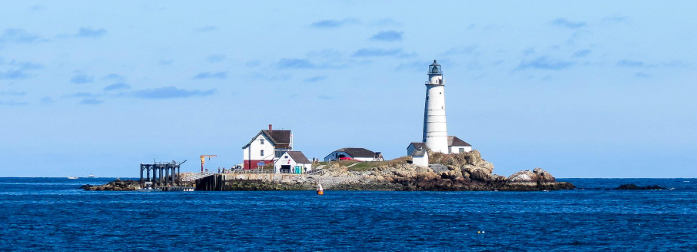
Rising from the waves like a sentinel of stone, Boon Island Light is New England’s tallest lighthouse—and one of its most haunting maritime landmarks. With a nod to my sister’s enduring love of lighthouses and a dash of wanderlust, I invite you to explore the story of this remote Maine beacon, where history, hardship, and the sea converge.


🌊 A Tower in the Sea: Introduction to Boon Island Light

Located 6.5 miles off the coast of York, Maine, Boon Island Light is the tallest lighthouse in New England, rising 133 feet from a barren outcrop in the Atlantic. Its isolated perch and storm-battered silhouette have made it a symbol of resilience and maritime vigilance.

🕰️ From Shipwrecks to Signals: A Storied Past

Drawing of the Nottingham Galley shipwreck

The island’s name may stem from early fishermen who left provisions for shipwrecked sailors—a “boon” in desperate times. But its most infamous tale is the 1710 wreck of the Nottingham Galley, whose crew resorted to cannibalism to survive. This tragedy sparked calls for a permanent warning beacon.

Builders erected the first lighthouse in 1811, but relentless storms repeatedly tore down those early structures. In 1855, they completed the current granite tower, outfitting it with a second-order Fresnel lens and a fog horn that still sounds every 10 seconds.

🛠️ Automation and Preservation

After a devastating blizzard in 1978 washed away all keeper dwellings, the station was automated in 1980. Today, Boon Island Light remains an active aid to navigation, owned by the U.S. Coast Guard and leased to the American Lighthouse Foundation, though it’s in need of major restoration.

🚫 Remote and Inaccessible—Yet Irresistible

Boon Island is not open to the public, and its rocky terrain makes landings treacherous. Still, its allure draws lighthouse enthusiasts and historians. Scenic boat tours occasionally pass by, offering distant glimpses of this stoic sentinel.

📚 Legacy in Literature and Lore

The lighthouse’s grim history inspired Kenneth Roberts’ novel “Boon Island”, and its stark beauty has been described as “an eternal exclamation mark” by 19th-century writer Samuel Adams Drake. It’s a place where nature, history, and human endurance collide.


Oh No! Where did the Summer Go?

Summer’s Last Gasp

Picnic table

It’s still summer. August is still summer and it’s only August 31. According to the weather folks tomorrow, September 1, is the first day of meteorological fall. Oh boo hoo! Fall in New England is nice but I miss summer already. Labor Day weekend is the last long weekend, our last chance for summer fun.

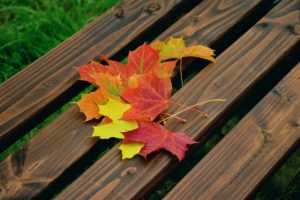
Fall leavesSigns of Fall are all around us

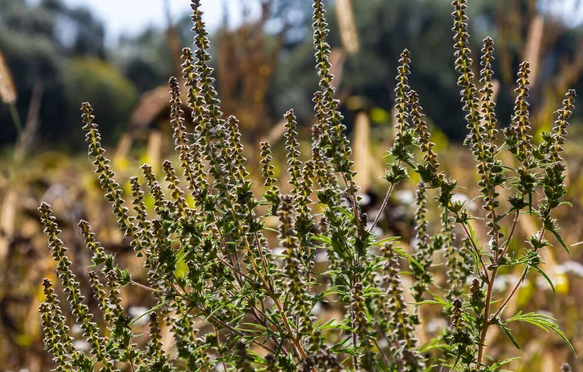
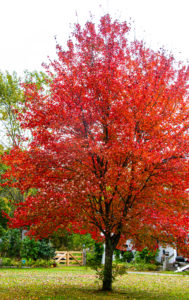
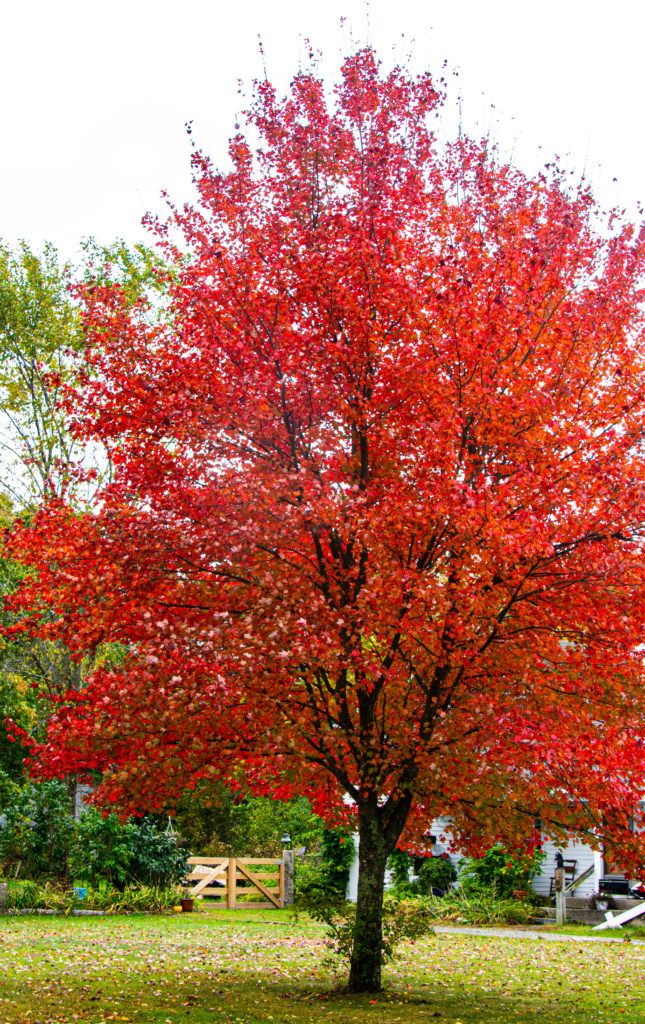
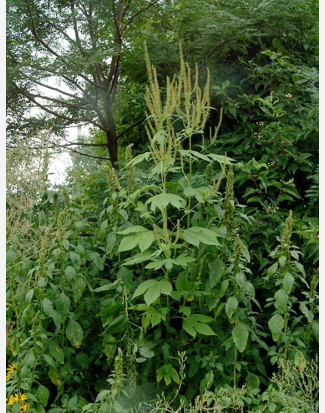
The seasons change and the signs are there. School has started. I got stuck behind a school bus on the way to work. The turkeys are getting restless. I saw two big turkeys by the side of the road on my way home tonight. A big maple tree on Route 140 has begun to turn colors! Already! The nights are cool and mornings have a crispness to the air. A sweater or jacket might be in order. I can open a window and turn off the air conditioner. Football is top of mind as the boys of summer fade away. Another fall sign that’s not so nice is the ragweed. Seems like we have a bumper crop this year. Excuse me while I sneeze.

Road trips are callingWaterfall

Along with the cooler nights will be the fall colors. Leaves will be changing. Our roads will be filled with leaf peepers but even I plan to be one of them. Maybe a trip down the Mohawk Trail or back to New Hampshire to visit a place called Diana’s Baths. They are a series of waterfalls and cascades. I have it on good authority that although they are lovely any time of year, fall is especially pretty.


Cranberry Harvest Festivals

In Massachusetts, home to Ocean Spray, fall means the cranberry harvest. From mid- September until late in the fall,  cranberries reach their peak of color and flavor. The landscape is dotted with the bright red cranberry bogs as they wait for the harvest. Cranberries can be harvested wet or dry. Interested in visiting a cranberry bog? We’ve got lots of farms for tours or products.

Down on the cape the cranberry harvest season begins around Labor Day and usually runs into the middle of November. The Cape Cod Cranberry Growers’ Association has created a cranberry harvest trail guide.

Cranberry bog

I love cranberries. Maybe fall’s not so bad after all!

Goodbye Summer Hello Fall

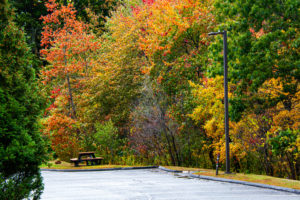
It’s here. The calendar reads: Autumn Begins

autumn

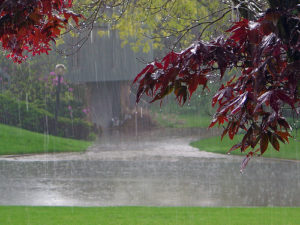
The nights are getting cooler even though the days are still warm and pleasant but the air has a different feel.  It’s raining buckets right now. A fitting start to a new season.

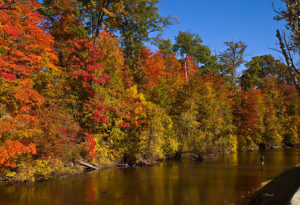
Leaf Peeping time is just about on us. Here in southeastern MA. it comes a little slower than in Maine, New Hampshire and Vermont but I spotted a little bit of color starting when I was outside yesterday.

I hope I get the chance to do some leaf peeping myself. Take the camera along for a work out. There are  quite a few harvest festivals that roll around in the fall but I always miss them. They hold them on the weekends and I work. The cranberry harvest should be underway soon and the Cranberry Festivals. The bogs will be deep red. It’s a beautiful time of year in New England.

fall 006a copy

To me this is the best weather all year. The heat and humidity of the summer is gone but there is still enough warmth that we don’t have to deal with bulky coats and boots. Driving is still pavement…no ice and snow, which if we could just look at would be pretty. Unfortunately most of us have to go out in it and drive in it and shovel and…well I’m making myself depressed thinking about all that white stuff. Lets just get back to the lovely colors of fall.

Apple-Picking

Apples are fresh and apple picking is a wonderful pass time. Massachusetts has a number of wineries and they are bringing in the last of the grape harvest and pressing the wines. There is just a different feel this time of year.

Yes, fall is a nice time of year, a fleeting time of year. And the wheel of time keeps turning.