International Day of the Owl

🩉 The Silent Hunters of the Night: A Deep Dive into Owls

August 4 is International Owl Awareness Day. Let’s explore what makes these nocturnal predators so extraordinary.
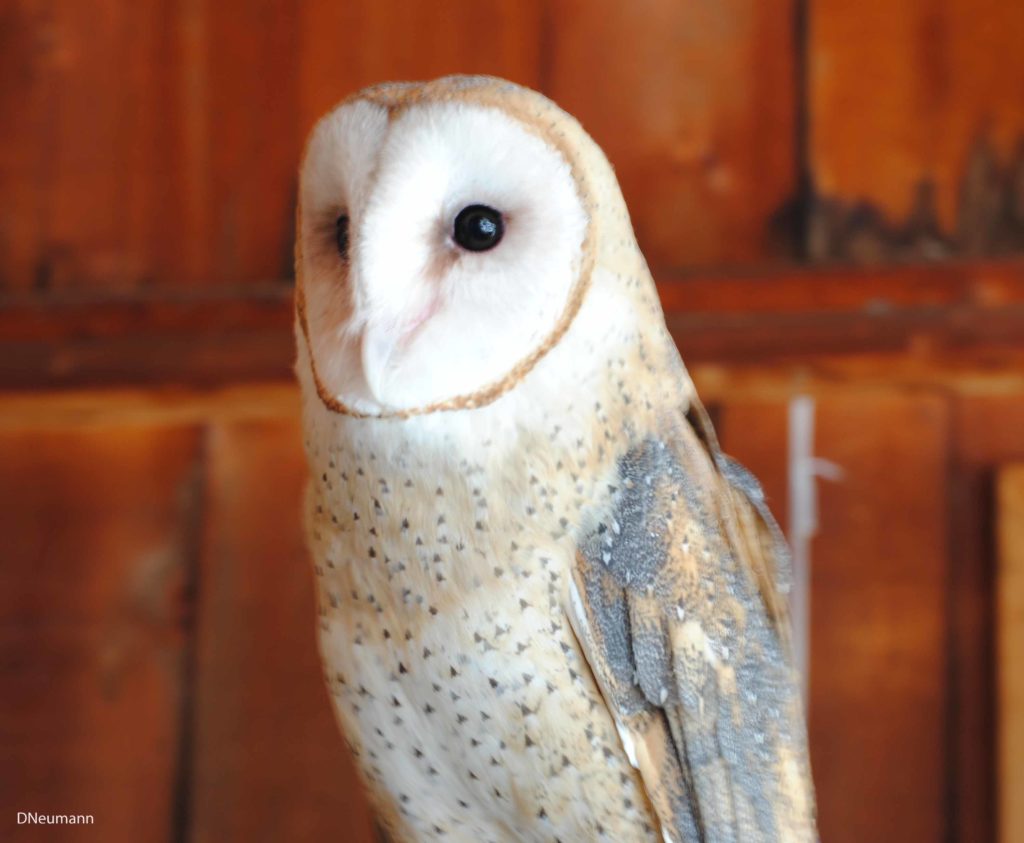
American Barn Owl -photo credit Deb Neumann

When the sun dips below the horizon and the world quiets down, a different kind of life awakens. Among the most iconic creatures of the night are owls—enigmatic, wide-eyed birds that have captivated human imagination for centuries. From ancient mythology to modern conservation efforts, owls are more than just mysterious silhouettes in moonlit forests. Let’s explore what makes these nocturnal predators so extraordinary.

🌌 Masters of the Night

Owls belong to the order Strigiformes, which includes over 200 species found across every continent except Antarctica. Their nocturnal lifestyle is supported by a suite of remarkable adaptations:

  • Exceptional Vision: Owls have large, forward-facing eyes that provide binocular vision and depth perception. Their eyes are so well-adapted to low light that they can see in near-total darkness.
  • Silent Flight: Specialized feathers with fringed edges reduce turbulence, allowing owls to fly almost silently. This stealth gives them a deadly advantage when hunting.
  • Rotatable Heads: Owls can rotate their heads up to 270 degrees thanks to extra neck vertebrae. This compensates for their immobile eyes and helps them scan their surroundings.
  • Acute Hearing: Many owls have asymmetrical ear placement, which allows them to pinpoint the exact location of sounds—even under snow or foliage.
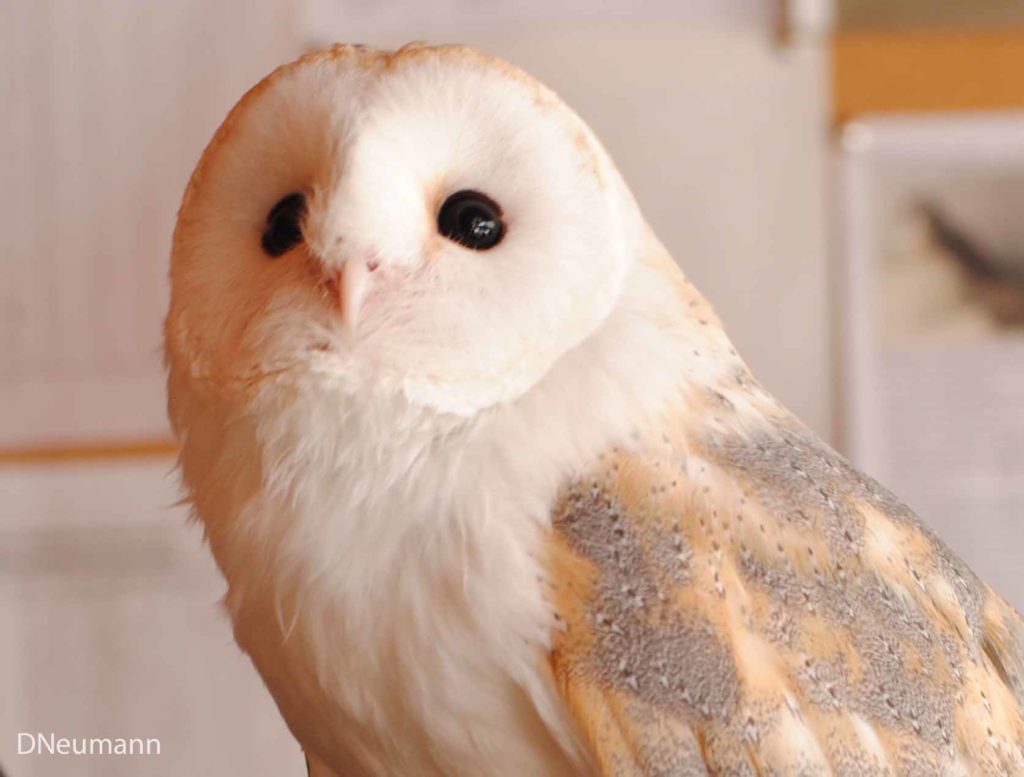
    European Barn Owl = photo credit Deb Neumann


🐭 Predators with Precision

Owls are carnivorous and feed primarily on small mammals, insects, and other birds. Their hunting strategy is a blend of patience, stealth, and precision:

  • Talons and Beak: Once prey is located, owls swoop down with powerful talons and a hooked beak to deliver a swift kill.
  • Pellets: Owls regurgitate indigestible parts of their prey, like bones and fur, in compact pellets. These are often studied by scientists to understand owl diets and local ecosystems.
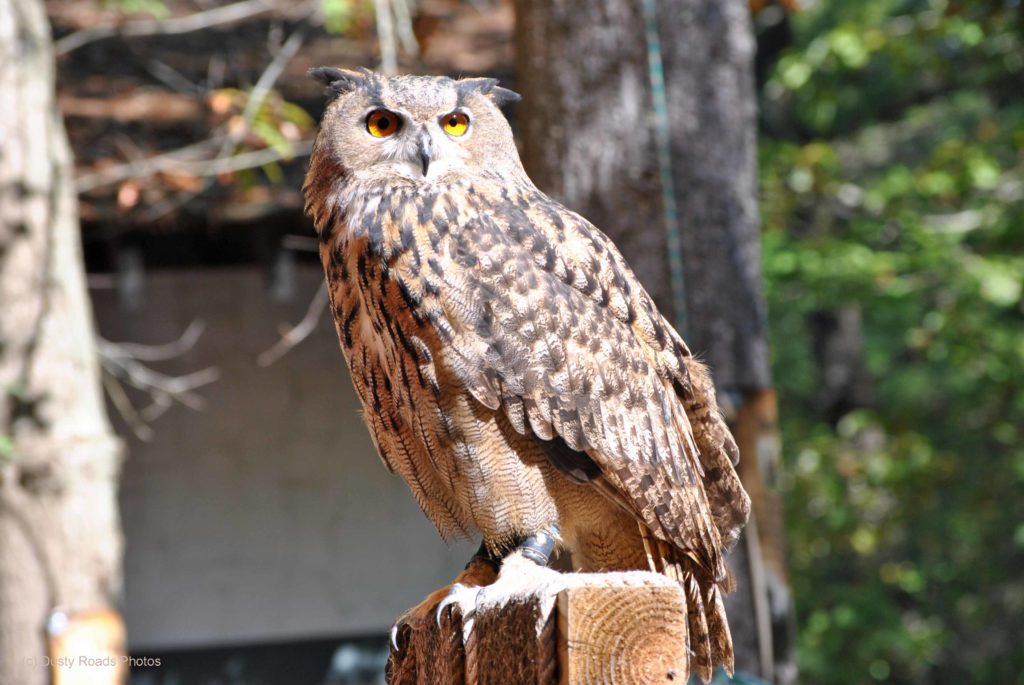
Great Horned owl – photo credit Deb Neumann

đŸ›ïž Owls in Myth and Culture

Owls have long held symbolic significance across cultures:

  • Wisdom and Knowledge: In ancient Greece, the owl was associated with Athena, the goddess of wisdom.
  • Omens and Mystery: In many Native American and African traditions, owls are seen as messengers or omens—sometimes of death, sometimes of insight.
  • Pop Culture Icons: From Hedwig in Harry Potter to the eerie hoots in horror films, owls continue to inspire awe and intrigue.
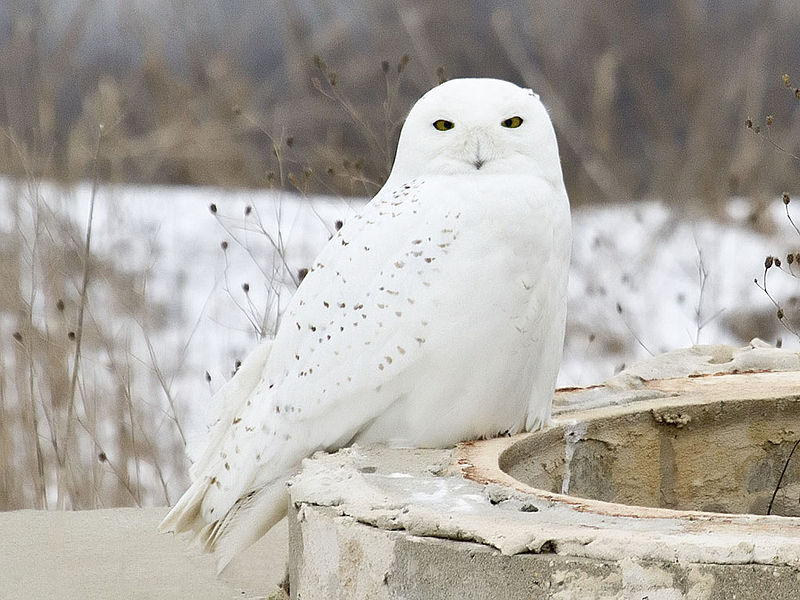
Snowy Owl – photo internet

đŸŒ± Conservation and Challenges

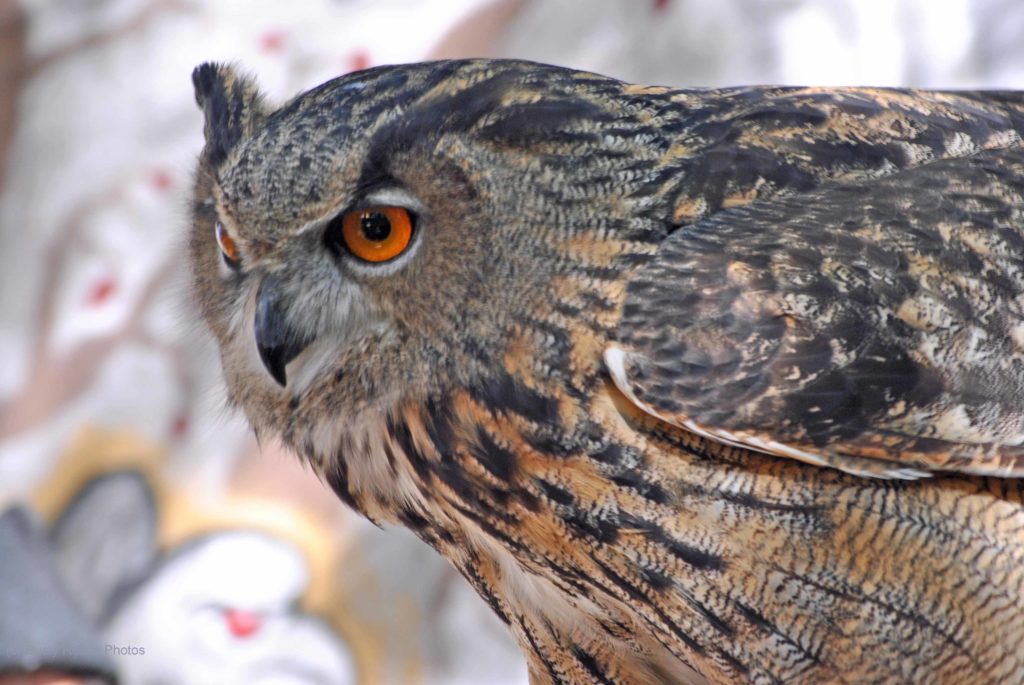
Great Horned Owl- photo credit Deb Neumann

Despite their mystique, many owl species face threats due to habitat loss, climate change, and human activity:

  • Barn Owls are declining in some regions due to pesticide use and loss of nesting sites.
  • Spotted Owls in North America are endangered due to deforestation and competition from invasive species like the Barred Owl.
  • Snowy Owls are wintering at Boston’s Logan airport. They are endangered by air traffic and endanger planes as they take off and land.
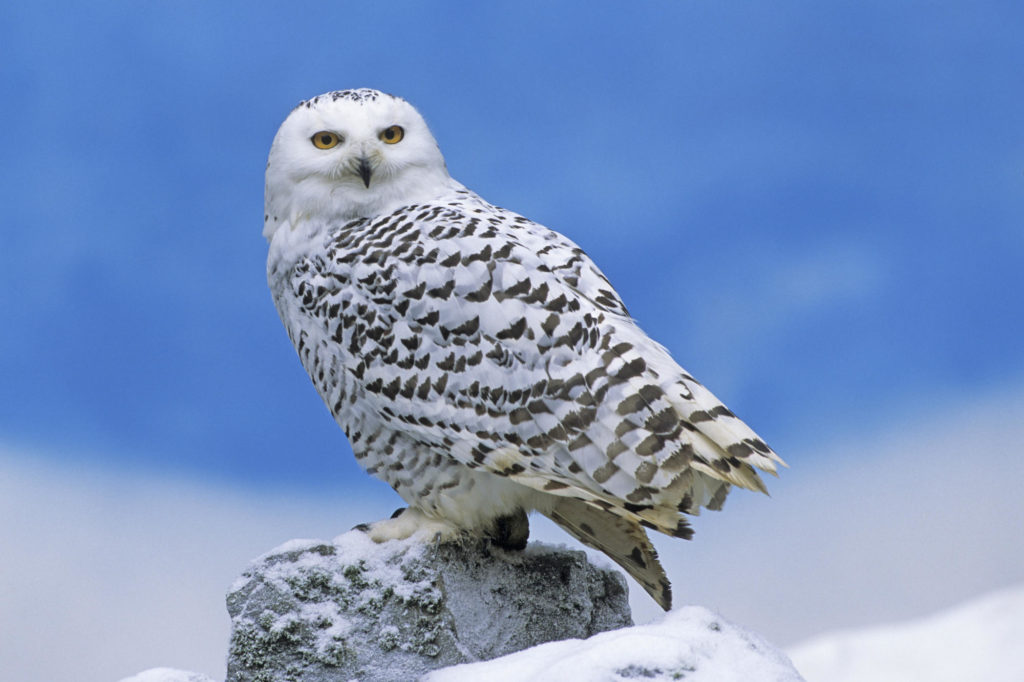
Snowy Owl- Photo internet

Conservation efforts include habitat protection, nest box programs, and public education to ensure these majestic birds continue to thrive.

đŸ’« Final Thoughts

Owls are more than just symbols of the night—they’re vital players in ecosystems, cultural touchstones, and marvels of evolution. Whether you hear a haunting hoot in the woods or spot one perched silently in a tree, take a moment to appreciate the quiet power and mystery of these incredible birds.

5+ Thousand Barn Owl Flight Royalty-Free Images, Stock Photos & Pictures |  Shutterstock

Owl in flight- photo from internet

Day Trip to Connecticut

Unknown Duck on the Housatonic River

Somewhere along the line I heard that there were a large number of Bald Eagles wintering in Connecticut. I searched online and there were 4 options for eagle viewing. All were endorsed to some extent by the Connecticut Audubon Society.


Housatonic River

One option was the Eagle Flyer in Essex Ct. This is the Essex Steam Train and it only makes it’s Eagle Flyer run on 1 weekend. This year it is Feb 19th and 20th It sounds like fun but I can’t take the time from work to go this year. I’ll try out the train ride over the summer and maybe go on the eagle run next year.

The 2nd option is Eagle Boat Cruises sponsored by The Audubon Society. The cruises are operated by River Quest/Connecticut River Expeditions. They run on Thursday, Saturday or Sunday, this year from Feb 5- March 13. The cost is reasonable, only $40.00 and is still a possibility if I can get a day off from work.

The 3rd option I found is a land -based guided tour known as Eagle watches on the Connecticut River. The tours are $20.00/per person and includes lunch. The tours are 8:30-1:30 followed by the lunch. The problem with this option is that 8:30 am is tough since I am about a 3 hour drive away. The second problem was that all the dates available were on the weekend 
once again, I am working.

The last choice wasn’t on the Connecticut River but I didn’t realize it when I booked the reservation. This last option is the Shepaug Dam Bald Eagle Observation Area. They are open from 9am -1pm on Wednesday, Saturday and Sunday. You must have a reservation to be allowed in. Their season this year is Dec 26,2010 – March 16, 2011.

Shepaug Dam

You make a reservation and go in anytime between 9AM – 1PM. I liked this flexibility because I had such a long drive and wouldn’t need to worry about missing the tour. The other good thing is they are open on Wednesday which is one of my days off so I don’t have to make any arrangements at work for time off.

I made my reservation for Wednesday Feb 2 but we got stormed out with snow, sleet and freezing rain. I called again and we moved my reservation a week to Wednesday Feb 10. The forecast was for clear and sunny but cold. I received my reservation by email and printed it out. It had all the rules and directions. I ran it on mapquest.com and it said it would take 2 hours and 25 minutes. It actually took closer to 4 hours. I hadn’t figured on rush hour traffic.

I hit stop and go traffic on RT 495 and again in Hartford Ct. Eventually I found the exit off RT 84. The directions were great and I found the facility with no problem. A nice man was sitting in his car at the entrance. He had the list to check reservations.

Building used as a Blind for watching the eagles

It became clear why they had security to watch birds. The observation area is located at the Connecticut power station on the Housatonic River. Eagles are fish eaters and the water near the dam for the hydro electric plant never freezes and the water currents force the fish near the surface so the eagles can snag the fish easily.

There were quite a few people there when I arrived in spite of the bitter cold and it was really cold, especially when the wind blew. There is some protection from the elements, however. There is a building set up as a blind but the windows are open so there ‘s no heat. They had a wood stove going in the corner but it wasn’t much help.

Milton, European Barn Owl Ambassadore


Based on the conversation in the room it soon became clear that everyone there was a dedicated “birder”, which I am not. But it didn’t matter . Everyone was really friendly. One fellow in “camo” had a huge telephoto lens on his camera and he said the eagles were out of range for him. So much for getting any eagle pictures!

They were getting some activity when I arrived so I took out the binoculars instead. There were 2 juvenile eagles flying and diving above the ridge line on the opposite side of the river. You could tell they were only around 2 years old because their plumage was brown and white and they hadn’t developed the trade-mark white head. That comes in at around 5 years of age. We all watched them for awhile then the Audubon rep asked if we wanted to see the birds she had with her. Pictures were allowed. J

Of course everyone said yes so we met Milton & Millie and a rescued hawk. None of these birds will ever be able to be returned to the wild. Milton & Millie are owls and both were bred in captivity and have imprinted on humans. Neither would know how to hunt for themselves in the wild.

Millie, American Barn Owl Ambassador

The hawk had been hit by a car and although is healing nicely will never have a full recovery. He would not be able to survive in the wild so he is now a “bird ambassador” for the Audubon Society.

Raptor Survivor and Ambasador

By this time it was almost noon and the eagles seemed to have settled down for the day. I was frozen so decided to call it a day. I stopped for gas ($3.55/ gal here) and picked up a map. I felt there had to be an easier way back.

I took RT 84 but picked up RT 6 to Providence before I reached Hartford. This turned out to be a great way to go. Most of RT 6 was highway but not the “super” highway like RT 84. Still the road was in good condition and the speed limit was 50mph most of the way. It was far more scenic than the “Fast route of RT 84 to RT 90 to RT 495. I stopped for lunch at a Friendly’s and was still at the Rhode Island line by 3:15pm. I did hit some traffic in Providence because I got there just before 4pm so rush hour was starting but even so I was home by 4:30 pm. With my stop for lunch and some other puttering around, I figure RT 6 shaved at least an hour off the time from the morning.

This slideshow requires JavaScript.

So
Bottom line…mixed reviews. The eagles were too far away for pictures or a clear view without binoculars but the birds the Audubon rep showed us were awesome and I got some great pictures of them. I wish it had been warmer and it would be nice if it wasn’t such a long drive but I’m glad I went. I can’t say enough about the folks that were there. From the attendant at the entrance to the parking lot guy and the Audubon lady everyone was wonderful, helpful and friendly.