Small Changes, Big Impact
Life is full of little changes, and sometimes those small shifts add up in surprising ways. Take water, for example. I’ve been buying bottled water for years — Poland Springs was my go‑to. Taunton’s water is fine, but after growing up with well water, I never fully embraced drinking from the tap.
One day, my upstairs neighbor watched me lug in yet another case of bottles and casually asked why I didn’t just get a water filter. At the time, I brushed it off. But when I was laid off, his suggestion came back to me. Bottled water is expensive, and suddenly I was looking for ways to cut costs.
 The Switch to Brita
I asked my AI partner which filter tasted closest to Poland Springs. The answer: Brita. Since I drink a lot of water, I skipped the pitcher and went straight for the 27‑cup Brita dispenser. It fits perfectly in my fridge — about the same space those ten bottles used to take up.
I bought it on April Fool’s Day, and that was the last time I bought bottled water. It works, it tastes great, and it paid for itself in the first 30 days. So when I started having trouble finding fresh romaine for my salads, I wondered if I could make a similar switch with lettuce.
Enter the AeroGarden Sprout
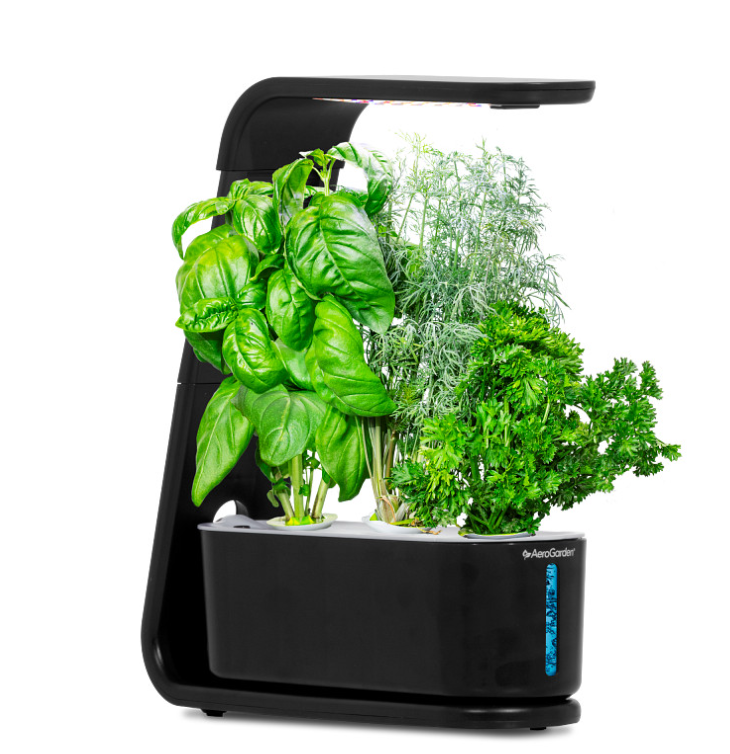
I ordered the smallest AeroGarden — the Sprout — because I didn’t want to spend a fortune or bring more clutter into my newly decluttered condo. It’s a compact hydroponic garden with a built‑in grow light. And yes, that light is bright.
I mentioned setting it up in my 5/23 post, The Midnight Gremlins Have Arrived. At first, I thought the glow might be messing with the cats’ sleep cycle. They’ve adjusted… mostly.
Planting the First Pods
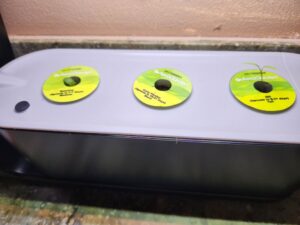
The Sprout holds three pods, so I started with:
- 1 Romaine
- 1 Parsley
- 1 Dill
Setup is simple: drop the pods into the holes, add water and the plant food, plug it in, and wait.
Three weeks later, the romaine has reached the baby‑lettuce stage. I can snip a little for a sandwich, but it needs another week before it’s salad‑ready. The dill was supposed to be a placeholder, but it’s grown into a plucky little feather‑palm of a plant. The parsley is still shy and hiding.
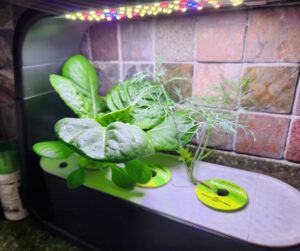
To keep a steady supply of romaine, I should really pull the dill and start a second romaine pod. Then, once parsley finally shows up, replace that with another romaine too. Two romaine plants on staggered schedules should keep me in fresh salad indefinitely — no more soggy brown leaves at the bottom of a bag.
And honestly? It’s nice having a bit of greenery.
The Cats, Of Course
 There was one small problem: both cats were fascinated with the romaine once it sprouted. I ended up moving the Sprout from the dining room counter to a corner of the kitchen. In its old spot, I set up a little cat‑grass garden.
Banner lost interest quickly.
Balboa, however, has claimed it as his personal farm.
Growing More Than Lettuce
I admit I wasn’t sure this tiny indoor garden could produce enough romaine for a real salad, but it’s well on its way. It’s funny how one small change — like switching from bottled water to a Brita — can lead to another.
Who knows what I’ll try next?
Maybe tomatoes.
Maybe strawberries.
Maybe both.