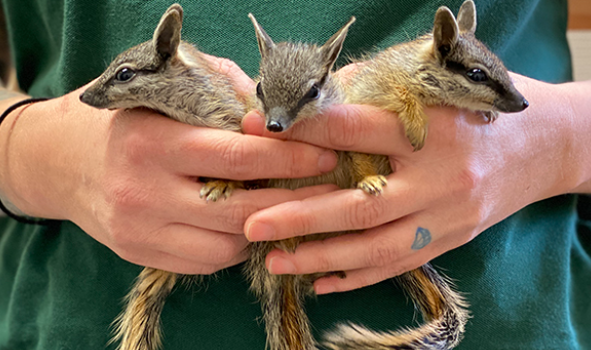
Pack your curiosity! Let’s return to the land down under for a close-up look at one of its tiniest treasures—the numbat.
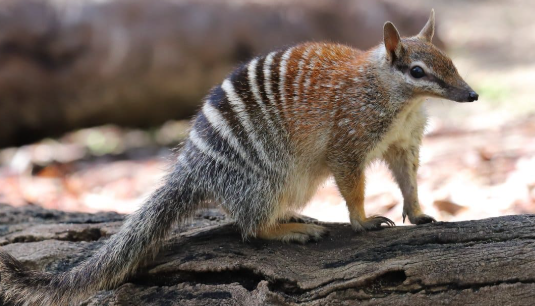
Meet the Numbat: Australia’s Striped Marvel
The numbat (Myrmecobius fasciatus), also known as the walpurti or banded anteater, is a small marsupial native to Australia. Once widespread across southern regions, their numbers have dwindled dramatically since the 1970s. Today, fewer than 1,000 numbats remain in the wild, mostly in isolated pockets of Western Australia and a few reintroduced populations in New South Wales and South Australia.
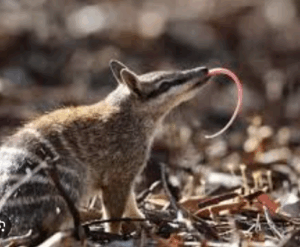
These creatures are daytime foragers, using their keen sense of smell and impressive tongues to hunt termites. Their bodies measure around 11 inches long, not including their bushy tails, and they rely on hollow logs for shelter—making habitat preservation critical.
World Numbat Day: A Global Call to Action
Since 2015, World Numbat Day has rallied conservationists and animal lovers alike to celebrate and protect this endangered species. Spearheaded by Project Numbat Inc., the day highlights the importance of community involvement, responsible pet ownership, and habitat conservation.
Even if you’re not in Australia, you can support numbats by sharing their story, donating to conservation efforts, and spreading awareness. Removing hollow logs from the bush may seem harmless, but for numbats, it’s a matter of survival.
Why Numbats Matter
Numbats aren’t just cute—they’re ecological indicators and cultural icons. Their survival depends on our choices, from predator control to habitat protection. Organizations like Project Numbat Inc., Perth Zoo, and the Australian Wildlife Conservancy are working tirelessly to ensure these tiny termite hunters don’t vanish from the landscape.
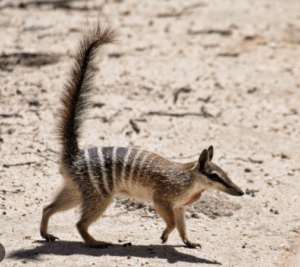
So next time you see a numbat photo, let it inspire action—not adoption. Celebrate their wildness, support their conservation, and let their story remind us that even the smallest creatures deserve a place in our world.
Can You Keep a Numbat as a Pet?
If you’ve ever stumbled across a photo of a numbat and thought, “I want one,” you’re not alone. With their striped coats, pointy noses, and squirrel-like charm, numbats look like they leapt out of a storybook. Technically, in Australia, it’s possible to keep a numbat as a pet—with the right permits and licenses. But before you start dreaming of a backyard banded anteater, there’s more to consider.
Numbats are wild marsupials with very specific needs. Their diet consists almost entirely of termites, and they use their long, sticky tongues—nearly four inches in length—to scoop them up. They’re solitary by nature and thrive in quiet, undisturbed environments. Trying to replicate their habitat in a home setting is not only difficult—it can be detrimental to their well-being. Admiring them from afar is the kindest choice.