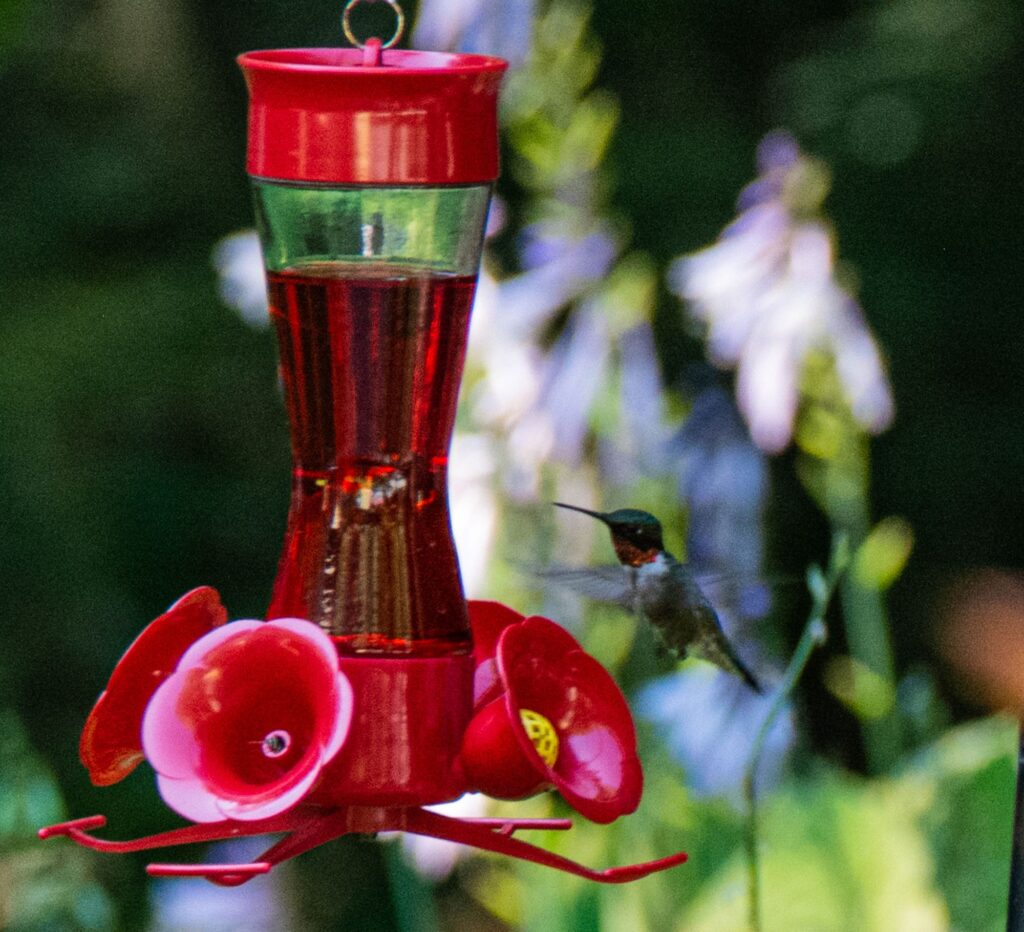
✨April Slips Away… and the Hummers Arrive
April is winding down and we’re looking May right in the eye. That means one thing for Massachusetts nature lovers: the hummingbird migration has officially begun. The earliest sighting this year popped up during the week of April 20 — a tiny flash of iridescence announcing spring’s true arrival.
These remarkable birds spent the winter basking in Central America or Mexico. Olé indeed.
 Daylight Flyers With a Need for Nectar
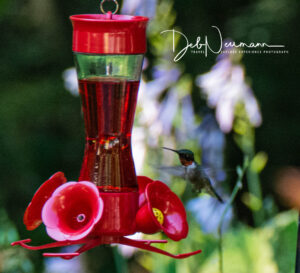
Hummingbirds migrate during the day, which means you can spot them flitting among early‑blooming flowers in search of energy‑rich nectar. And speaking of energy, these little dynamos are astonishing.
- They can travel up to 23 miles in a single day
- During their Gulf crossing, they may cover up to 500 miles at once
- Their average flight speed is 20–30 mph, and during courtship dives they can triple that
The Physics-Defying Hummingbird Body
To pull off these long‑distance feats, a hummingbird’s body runs like a high‑performance engine:
- Heart rate: up to 1,260 beats per minute
- Wingbeats: 15 to 80 flaps per second
- Breathing: about 150 breaths per minute
Tiny birds, enormous stats.
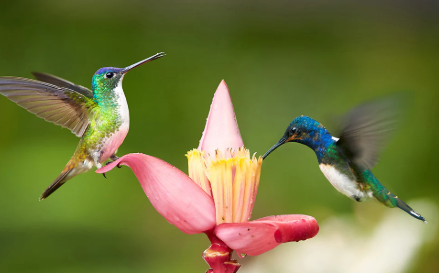
Fun Facts About Our Feathered Friends
A few more delightful tidbits to impress your fellow bird‑watchers:
- They remember every feeder they’ve ever visited
- “Hummer” is both a giant SUV and a birder’s nickname for hummingbirds
- They’re awake during the day and sleep at night
- There are 350+ species of hummingbirds
- All hummingbirds are native to North or South America
- They love sugar (relatable)
- Natural nectar is clear — no need for red dye
- Make your own nectar: 4 parts water + 1 part white sugar, boiled and cooled
- They’re attracted to the color red
- They eat insects
- They visit 1,000 flowers a day
- Their wings beat thousands of times per minute
- They can’t walk or hop — their feet are for perching only
- They take about 150 breaths per minute
- A group of hummers is called a “charm”
- You can ID them with the free Audubon Bird Guide app
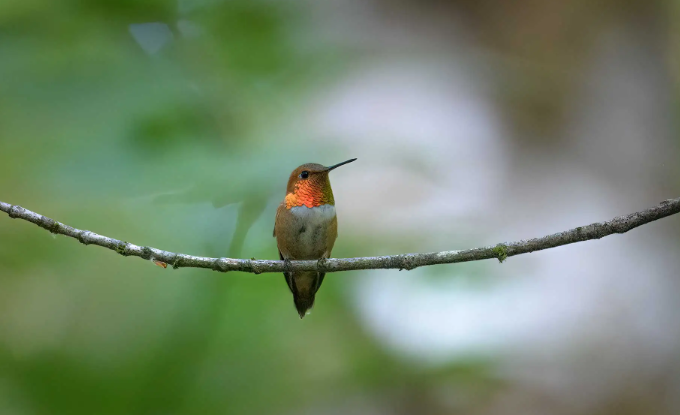
Get Your Yard Hummer‑Ready
So — are you ready for your feathered friends? Clean out that feeder, plant those nectar‑rich flowers, and roll out the red carpet. The tiny hummers are on their way, ready to grace your garden with their zip, sparkle, and charm. The first sighting in Plymouth, right down the raod, was April 22!
They really are happy little jewels flitting through the yard.
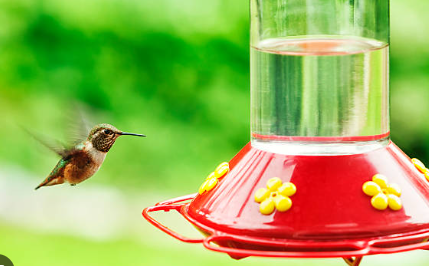
Welocme back little Hummers