Echoes of Samhain


Echoes of Samhain: Ireland’s Ancient Festival and the Spirit of Halloween
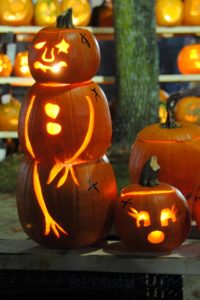
As October winds whisper through Taunton’s trees and jack-o’-lanterns flicker on porches, it’s easy to forget that Halloween’s roots stretch far beyond candy and costumes. This beloved holiday traces its lineage to Samhain (pronounced “SOW-in”), a mystical Celtic festival celebrated in Ireland over 2,000 years ago. At Around Dusty Roads, we love digging into the folklore behind modern traditions—and Samhain is a treasure trove of eerie enchantment.
Samhain: A Portal Between Worlds

For the ancient Celts, Samhain marked the end of the harvest and the beginning of winter. The Celts celebrated Samhain on October 31st, marking it as their New Year—a mystical time when the veil between the living and the dead thinned. They believed spirits roamed freely that night, so villagers took precautions to protect themselves. Animal-skin costumes and bone masks helped disguise the living from the dead, while bonfires blazed to ward off malevolent forces. Offerings of food were left out to appease wandering souls.

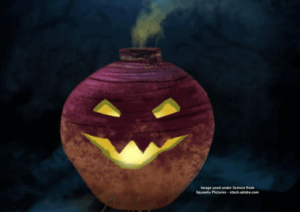
One of the most haunting traditions? Carving turnips into lanterns. These ghostly gourds, lit from within by embers, were placed in windows to scare away evil spirits. They were the original jack-o’-lanterns—long before pumpkins took center stage.
 

From Pagan Rituals to Pumpkin Patches
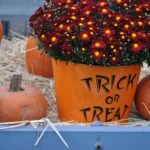
As Christianity spread through Ireland, Samhain’s customs blended with All Saints’ Day, giving rise to All Hallows’ Eve. In the 19th century, Irish immigrants carried these traditions to America, where they evolved in new ways. Pumpkins—larger and easier to carve than turnips—became the lantern of choice. Trick-or-treating emerged as a playful twist on ancient offerings, and Halloween transformed into the festive celebration we know today.

Halloween in Modern Ireland

Back in Ireland, Halloween remains a spirited affair. The last Monday in October is a public holiday, and many communities still honor age-old customs. Turnip lanterns, holy water rituals, and fortune-telling games with apples and barmbracks (a fruit-studded bread) echo the past. Families also use the night to remember loved ones, leaving out food and firewood as gestures of welcome.


🛠️ Affiliate Disclosure: This post may contain affiliate links for turnip and pumpkin carving kits. If you purchase through these links, Around Dusty Roads may earn a small commission—at no extra cost to you. Every recommendation is chosen with care to match our nature-loving, storytelling spirit.

Order your carving kit here

Happy Halloween

History of Halloween

Halloween is a holiday celebrated on the night of October 31.  The word Halloween is a shortening of All Hallows’ Evening also known as Hallowe’en or All Hallows’ Eve.
Traditional activities include trick-or-treating, bonfires, costume parties, visiting “haunted houses” and carving jack-o-lanterns. Irish and Scottish immigrants carried versions of the tradition to North America in the nineteenth century. Other western countries embraced the holiday in the late twentieth century including Ireland, the United States, Canada, Puerto Rico and the United Kingdom as well as of Australia and New Zealand.

halloween2013 002a

Halloween has its origins in the ancient Celtic festival known as Samhain (pronounced “sah-win”). The festival of Samhain is a celebration of the end of the harvest season in Gaelic culture. Samhain was a time used by the ancient pagans to take stock of supplies and prepare for winter. The ancient Gaels believed that on October 31, the boundaries between the worlds of the living and the dead overlapped and the deceased would come back to life and cause havoc such as sickness or damaged crops.

Vanetta13 copy

The festival would frequently involve bonfires. It is believed that the fires attracted insects to the area which attracted bats to the area. These are additional attributes of the history of Halloween.

Rocky eyes copy

Masks and costumes were worn in an attempt to mimic the evil spirits or appease them.

Trick-or-treating, is an activity for children on or around Halloween in which they proceed from house to house in costumes, asking for treats such as confectionery with the question, “Trick or treat?” The “trick” part of “trick or treat” is a threat to play a trick on the homeowner or his property if no treat is given. Trick-or-treating is one of the main traditions of Halloween. It has become socially expected that if one lives in a neighborhood with children one should purchase treats in preparation for trick-or-treaters.

The history of Halloween has evolved.  The activity is popular in the United States, the United Kingdom, Ireland, Canada, and due to increased American cultural influence in recent years, imported through exposure to US television and other media, trick-or-treating has started to occur among children in many parts of Europe, and in the Saudi Aramco camps of Dhahran, Akaria compounds and Ras Tanura in Saudi Arabia. The most significant growth and resistance is in the United Kingdom, where the police have threatened to prosecute parents who allow their children to carry out the “trick” element. In continental Europe, where the commerce-driven importation of Halloween is seen with more skepticism, numerous destructive or illegal “tricks” and police warnings have further raised suspicion about this game and Halloween in general.

reprinted from HalloweenHistory.org

black

Now that you know a little of the history, remember that there are those people or individuals who take Halloween to a more sinister level. They use the pagan roots of the holiday as an excuse to torture and maim small animals, commonly black cats but also dogs, birds, rabbits and any other household pets. Please, to keep your pets safe, keep them indoors tonight, especially your black cats. Be a responsible pet owner and provide the safe haven they need.