Let’s Call a Spade a Spade

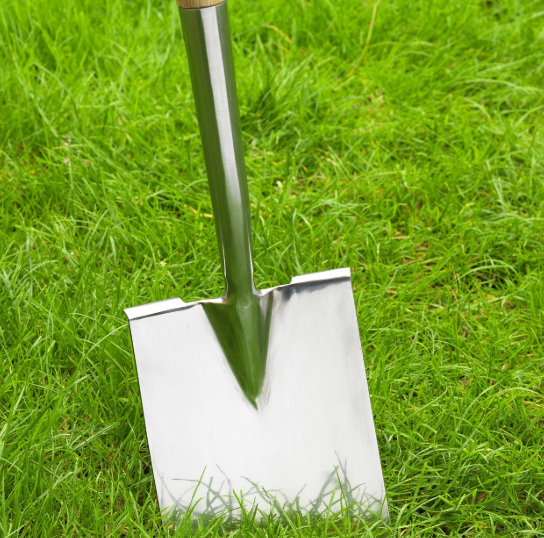
“A shiny metal spade with a wooden handle standing upright on bright green grass, its flat blade reflecting light.”

Sometimes my best source of inspiration comes from you — my loyal readers and followers. Believe me when I say I read every comment and appreciate the time and thought you put into them. So when Grooves or Grammar commented on my post Say What? A Stroll Through American Slang, I paid attention.

Grooves wrote:

“I sometimes wonder about ‘let’s call a spade a spade’. I think the meaning is clear, but why a spade, rather than anything else? The phrase would have been just as clear with pretty much any other item. Very useful phrase, though, especially when I’m having conversations with students who are trying to come up with increasingly unlikely excuses for homework not being done…”

And I thought, Wow — that’s a great expression and I’d totally forgotten it. So I did a little digging (pun intended), and here’s what I discovered.

This may sound as American as apple pie these days, but it actually goes all the way back to ancient Greece. The earliest version appears in classical Greek writings. Plutarch used a phrase meaning “call a fig a fig and a trough a trough,” which was all about speaking plainly.

Centuries later, the scholar Erasmus translated that Greek phrase into Latin — but he made a mistake. He swapped the Greek word for “trough” with a similar‑sounding word meaning “spade.” That mistranslation stuck.

Then in 1542, Nicholas Udall, an English (not American!) playwright, schoolmaster, and scholar, translated Erasmus’s Latin into English — and that’s how the phrase entered English exactly as we know it today. It could’ve been almost any object, but thanks to a translation quirk, we all ended up with spades that have nothing to do with gardening.

So Keep those cards and letters coming (Dean Martin)

Keep those comments coming (or as the old saying goes, those “cards and letters”). I love when they make me think — or make me “dig” for answers.
 

Say What? A Stroll Through American Slang

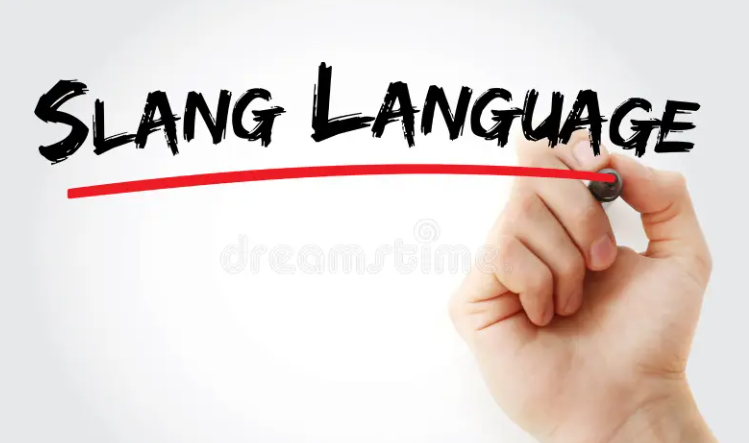
A hand holding a marker writes the words “SLANG LANGUAGE” in bold black letters, with a red line drawn underneath on a plain white background.

Finding Fresh Ways to Say It

As someone who writes daily, I’m always looking for ways to say things that don’t sound like the same old, same old. Which brings me to today’s topic — American slang. It’s a huge pool, and we’ll only scratch the surface, but let’s dive in and explore a few of our most familiar expressions.

OK — The Universal Word

Don’t tell me you don’t use it. Everybody says “OK.” The funny thing is, nobody really knows how it started. Most linguists believe “OK” came into use in the 1830s after it appeared as an abbreviation in a Boston newspaper. Then Martin Van Buren used it as a key part of his presidential campaign — and as they say, the rest is history. Honestly, I can’t imagine a world without “OK.”

Cool — Or Wicked, If You’re From Boston

This one slides in and out of favor but never disappears. “Cool” started with the jazz culture of the early 20th century. Those black‑shirted, beret‑wearing hipsters used it to describe anything the opposite of flashy or hot. Now it’s just part of everyday vocabulary. Of course, if you’re from Boston, you probably say “wicked.” Same vibe, different accent. (How about “Wicked Cool?”)

The Whole Nine Yards

Truth is, no one knows where this one began. Explanations range from ammunition belts to fabric yardage. Whatever its origin, we all know what it means — going all in. (Or if you prefer, the whole enchilada.)

Hands Down

If someone wins “hands down,” they win easily, without real competition. The phrase comes from horse racing, where a jockey comfortably ahead could relax, lower the reins, and coast across the finish line. So if you won that round fair and square — hands down — you’ve earned bragging rights.

Cops — Not Just Constables on Patrol

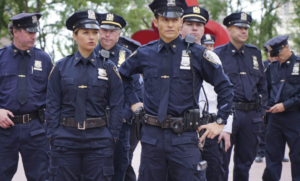
Ever wonder why we call those men and women in blue “cops”? Despite the popular myth that it stands for “constable on patrol,” that’s a modern backronym. The real origin likely traces back to the verb cop, meaning “to catch or seize,” which dates to 17th‑century English slang.

Barking Up the Wrong Tree

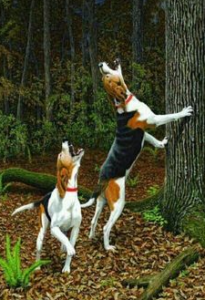
If you say someone is “barking up the wrong tree,” you’re telling them they’re misinformed or chasing the wrong idea. The phrase comes from hunting dogs — coon hounds that, after chasing a raccoon, would bark furiously at the base of the wrong tree. Oops.

Food for Thought

American slang is colorful, creative, and constantly evolving. It’s part of what makes our language so lively.

I wrote this with my ESL teacher friend in mind — because if slang confuses native speakers, imagine trying to explain it to someone learning English from scratch. No wonder her students look at her like she’s speaking Martian. This one’s for you, Nancy.

Let me know what your favorite slang expressions are. I’d love to hear the ones that make your conversations cool, wicked, or just plain OK.


I Sound Like My Grandparents… and I’m Okay With It

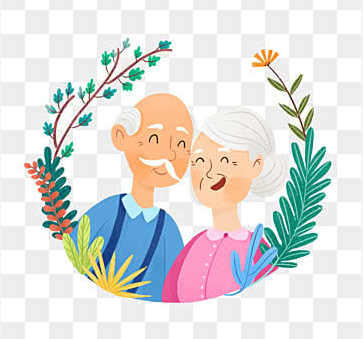
Whimsical drawing of an elderly couple surrounded by decorative leaves, perfect for a blog post about old‑fashioned sayings and grandparent phrases.

Your Grandparents Said What?

Oh no. According to an article I read, I apparently sound like my grandparents. I found this little gem on Bing — I love checking out their shorts. They’re perfect bite‑sized sparks when I’m stuck for ideas, and honestly, even when I’m not stuck, they serve up all kinds of interesting things.

So today I was reading 17 phrases your grandparents said that nobody says anymore… except I use a lot of them. As I put this list together, I had to laugh — I still use so many of these. My grandparents would be proud… or concerned. But don’t worry, we’re not going through all 17. I’ll just touch on the ones I still use today.

“Happy as a clam.”

Are you enjoying life? Are you content? I can tell you that Banner, curled up in his sink, is happy as a clam. Living in Massachusetts, where clamming is practically a sport, it’s no surprise this expression stuck around — dated or not.

“Close the door — were you born in a barn?”

Ouch. I don’t use this one myself (no kids to yell at), but I can still hear my mother shouting it, and wow did it sting. None of that “sticks and stones” stuff for me — words absolutely can hurt.

“Keep your shirt on.”

Did you know this probably goes back to the early 1900s, when men would take off their shirts before a fight? Apparently they were more afraid of coming home with a torn shirt and facing their wife than they were of getting a bloody nose.

“I’ll be there with bells on.”

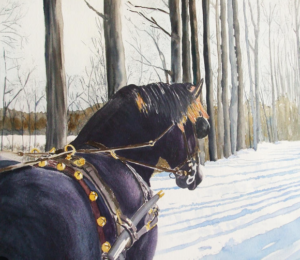
I use this one all the time. If someone invites me over, I might very well say it without thinking. Turns out it comes from the bells used to decorate a horse’s bridle or sleigh. Who knew? But I still say it today.

There are so many more. Don’t take any wooden nickels. Go pound sand. You got your ears lowered. I’ll be a monkey’s uncle. The list goes on, but we’re out of time. And honestly, I don’t like to think I’m outdated. After all, I still use wicked to be cool.

How about you — do any of your grandparents’ sayings still sneak into your vocabulary? Drop yours in the comments — I’d love to see which ones you grew up with.