🦉 The Silent Hunters of the Night: A Deep Dive into Owls
August 4 is International Owl Awareness Day. Let’s explore what makes these nocturnal predators so extraordinary.
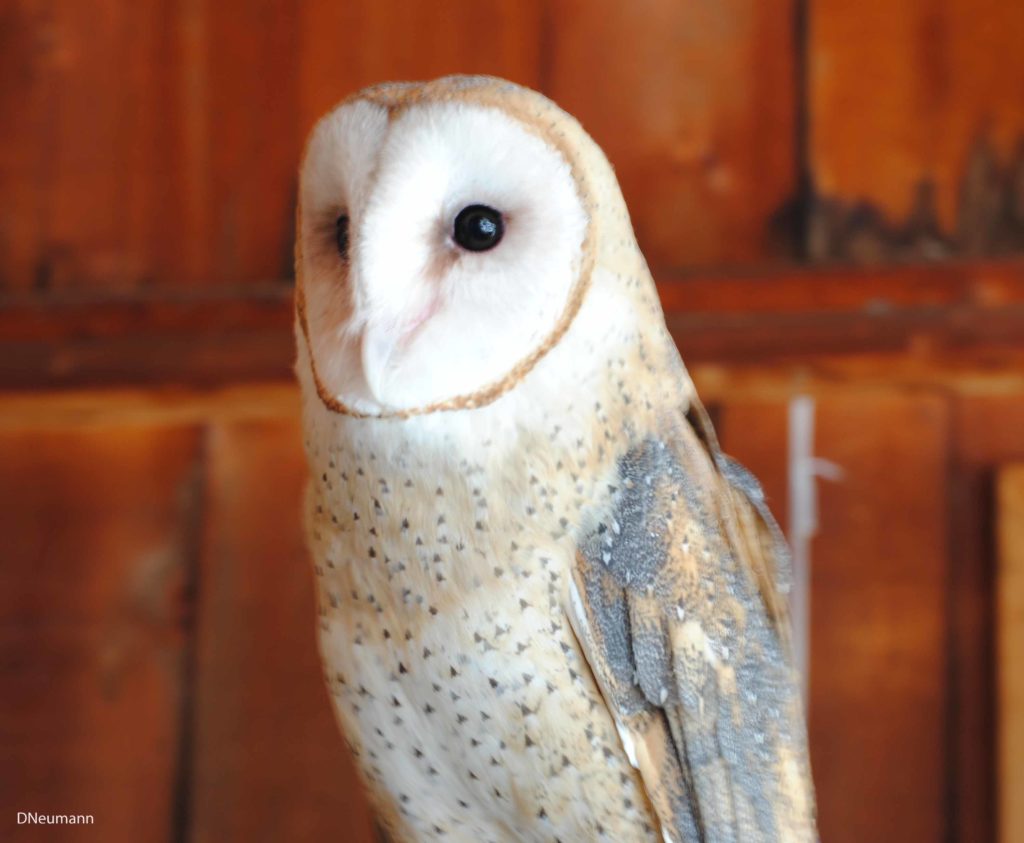
American Barn Owl -photo credit Deb Neumann
When the sun dips below the horizon and the world quiets down, a different kind of life awakens. Among the most iconic creatures of the night are owls—enigmatic, wide-eyed birds that have captivated human imagination for centuries. From ancient mythology to modern conservation efforts, owls are more than just mysterious silhouettes in moonlit forests. Let’s explore what makes these nocturnal predators so extraordinary.
🌌 Masters of the Night
Owls belong to the order Strigiformes, which includes over 200 species found across every continent except Antarctica. Their nocturnal lifestyle is supported by a suite of remarkable adaptations:
- Exceptional Vision: Owls have large, forward-facing eyes that provide binocular vision and depth perception. Their eyes are so well-adapted to low light that they can see in near-total darkness.
- Silent Flight: Specialized feathers with fringed edges reduce turbulence, allowing owls to fly almost silently. This stealth gives them a deadly advantage when hunting.
- Rotatable Heads: Owls can rotate their heads up to 270 degrees thanks to extra neck vertebrae. This compensates for their immobile eyes and helps them scan their surroundings.
- Acute Hearing: Many owls have asymmetrical ear placement, which allows them to pinpoint the exact location of sounds—even under snow or foliage.
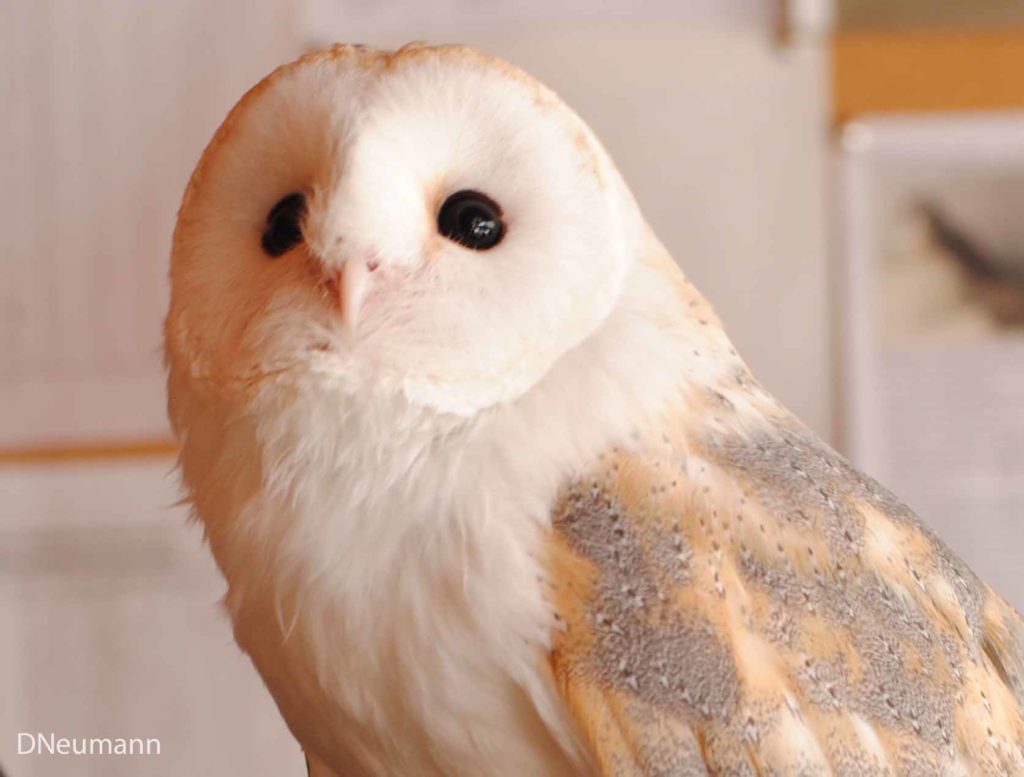
European Barn Owl = photo credit Deb Neumann
🐭 Predators with Precision
Owls are carnivorous and feed primarily on small mammals, insects, and other birds. Their hunting strategy is a blend of patience, stealth, and precision:
- Talons and Beak: Once prey is located, owls swoop down with powerful talons and a hooked beak to deliver a swift kill.
- Pellets: Owls regurgitate indigestible parts of their prey, like bones and fur, in compact pellets. These are often studied by scientists to understand owl diets and local ecosystems.
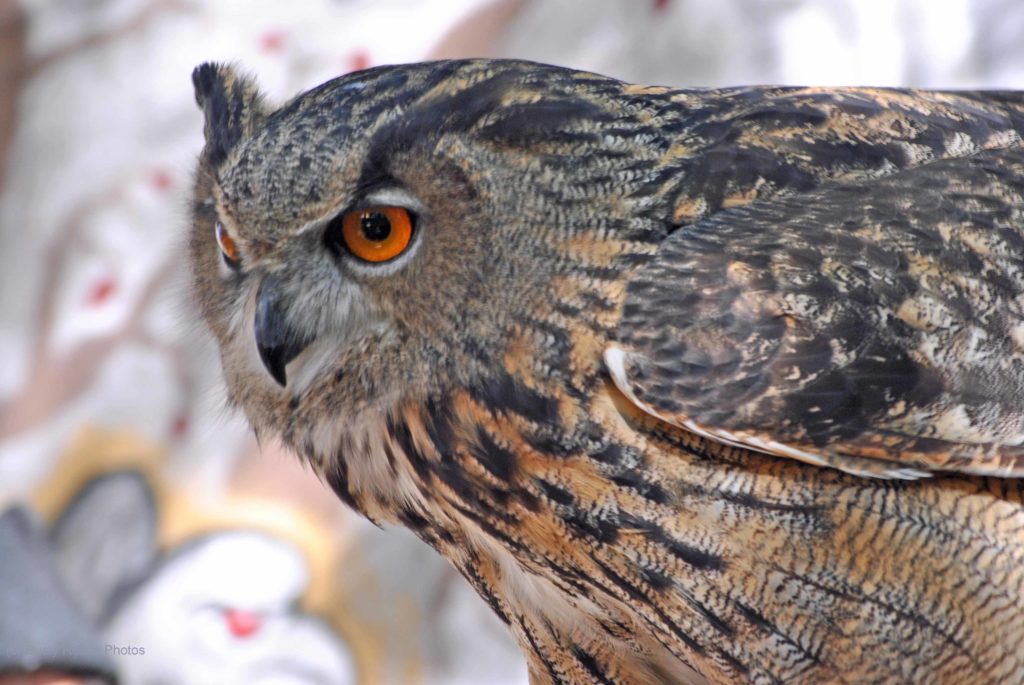
Great Horned owl – photo credit Deb Neumann
🏛️ Owls in Myth and Culture
Owls have long held symbolic significance across cultures:
- Wisdom and Knowledge: In ancient Greece, the owl was associated with Athena, the goddess of wisdom.
- Omens and Mystery: In many Native American and African traditions, owls are seen as messengers or omens—sometimes of death, sometimes of insight.
- Pop Culture Icons: From Hedwig in Harry Potter to the eerie hoots in horror films, owls continue to inspire awe and intrigue.
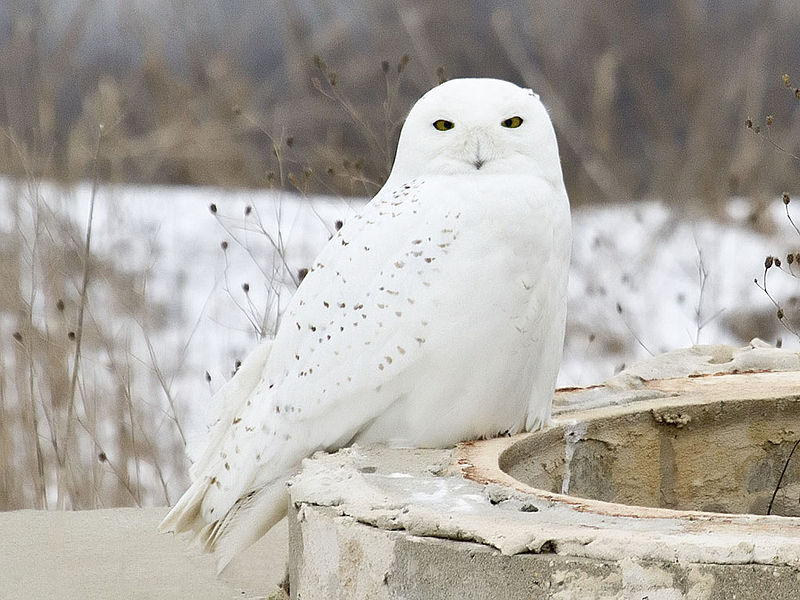
Snowy Owl – photo internet
🌱 Conservation and Challenges
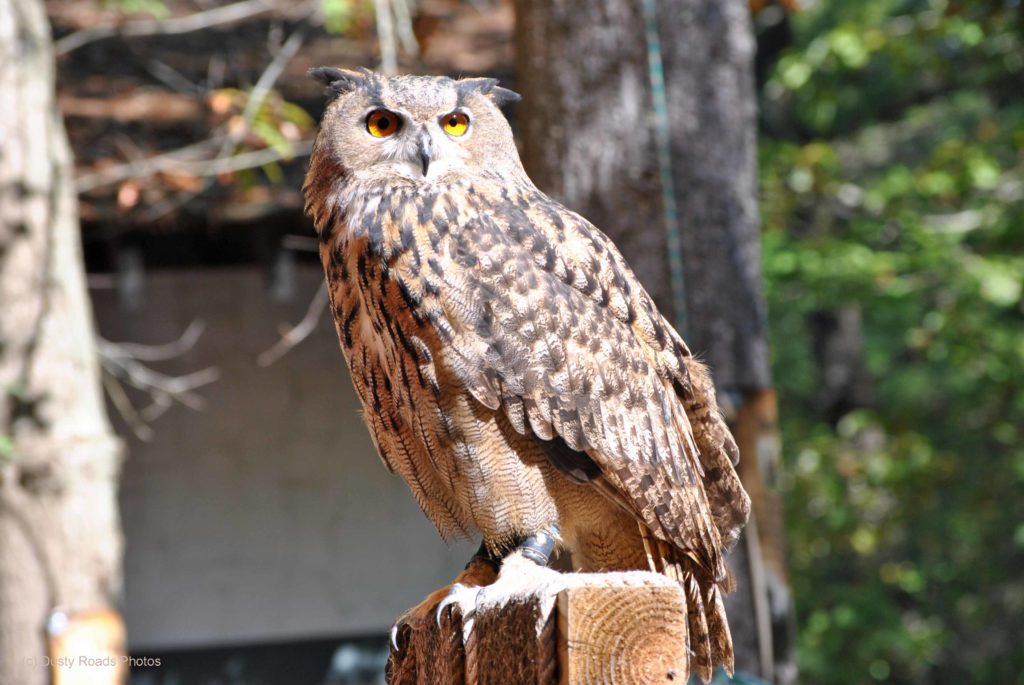
Great Horned Owl- photo credit Deb Neumann
Despite their mystique, many owl species face threats due to habitat loss, climate change, and human activity:
- Barn Owls are declining in some regions due to pesticide use and loss of nesting sites.
- Spotted Owls in North America are endangered due to deforestation and competition from invasive species like the Barred Owl.
- Snowy Owls are wintering at Boston’s Logan airport. They are endangered by air traffic and endanger planes as they take off and land.
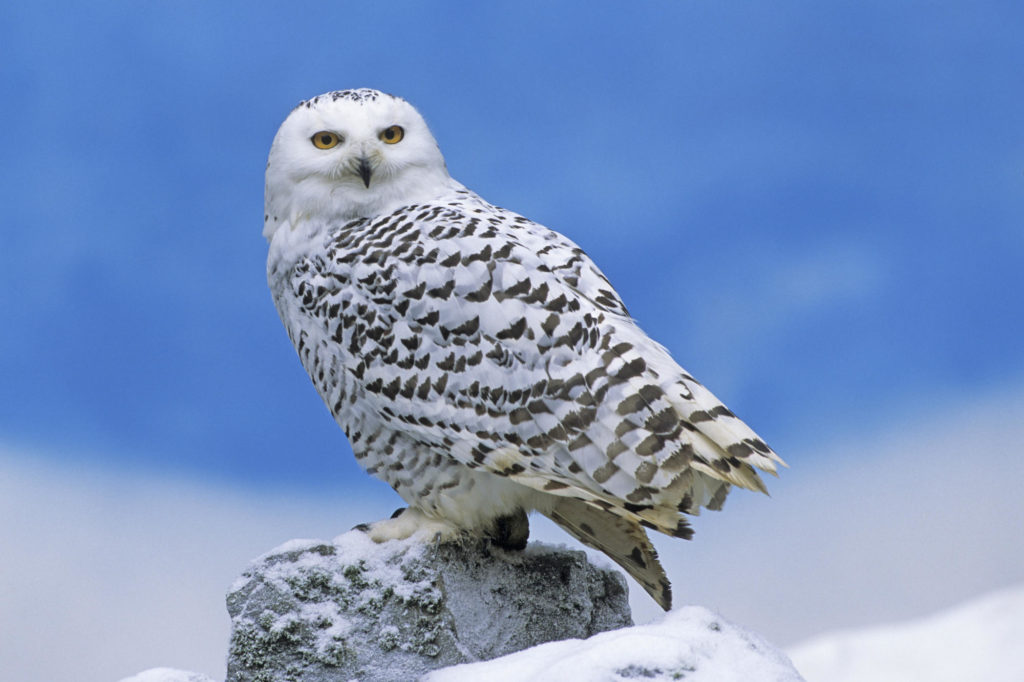
Snowy Owl- Photo internet
Conservation efforts include habitat protection, nest box programs, and public education to ensure these majestic birds continue to thrive.
💫 Final Thoughts
Owls are more than just symbols of the night—they’re vital players in ecosystems, cultural touchstones, and marvels of evolution. Whether you hear a haunting hoot in the woods or spot one perched silently in a tree, take a moment to appreciate the quiet power and mystery of these incredible birds.

Owl in flight- photo from internet


