Daylight Saving Time: The Time Change We Just Can’t Shake

It’s early March, which means two things in New England:

  1. We’re all pretending it’s spring even though the wind still bites.
  2. The annual Daylight Saving Time debate is warming up faster than the weather.

And because I can’t resist a good trivia rabbit hole, I stumbled across a Jeopardy clue that sums up our relationship with DST better than anything else:

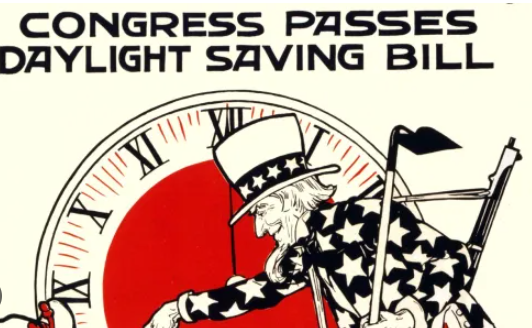
Clue: To combat fuel shortages, Congress enacted this for almost 10 months in 1974, from January to October.
Category: “D” in American History
Value: $600

Yes — the answer is Daylight Saving Time.
We didn’t just “spring forward” that year. We practically launched ourselves into permanent daylight.

We Tried a Long-Term Relationship… It Didn’t Go Well
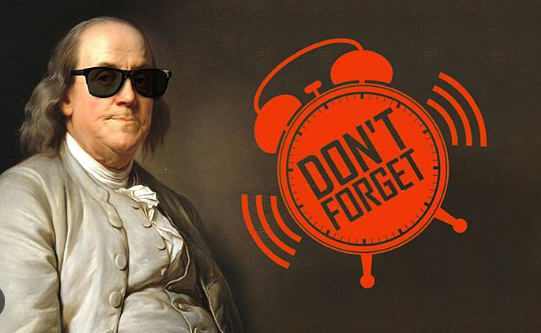
The idea wasn’t new. Allegedly, Benjamin Franklin pitched something similar to save candles. Germany used it during World War I to conserve fuel. And in 1974, during the energy crisis, Congress said, “Let’s try this full-time.”

Ten months later, after dark winter mornings and a nation full of cranky schoolkids, the experiment quietly ended. But the twice‑a‑year clock shuffle? That stuck around like a houseguest who never got the hint.


Every Year We Swear We’re Done With It

By now, the pattern is predictable.
Early March rolls in, and suddenly:

  • Congress floats a bill
  • Someone suggests permanent DST
  • Someone else suggests permanent Standard Time
  • Committees form
  • Studies are commissioned
  • We all complain
  • And nothing changes

It’s the legislative equivalent of “We should really get together sometime” — said with no intention of actually scheduling anything.


And Yet… Here We Are Again

Daylight Saving Time officially ends on the first Sunday in November, but the real cycle ends when we stop grumbling about it — which, let’s be honest, is never.

We tell ourselves it saves energy.
We tell ourselves it gives us more daylight.
We tell ourselves it’s tradition.

Mostly, we tell ourselves whatever gets us through that groggy Monday morning after the switch.


Countdown to the Clock Shuffle

So here we are, early March, inching toward the big weekend.
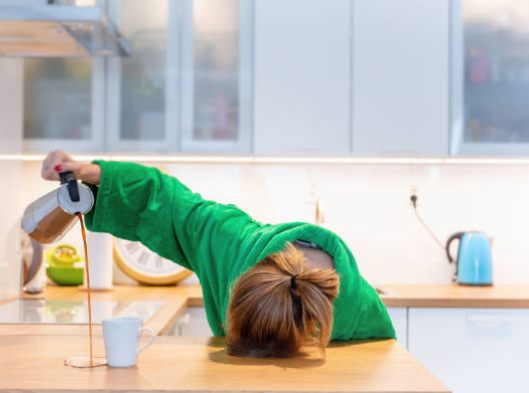
Coffee makers are bracing themselves.
Humans are sighing.
And the cats? Well…

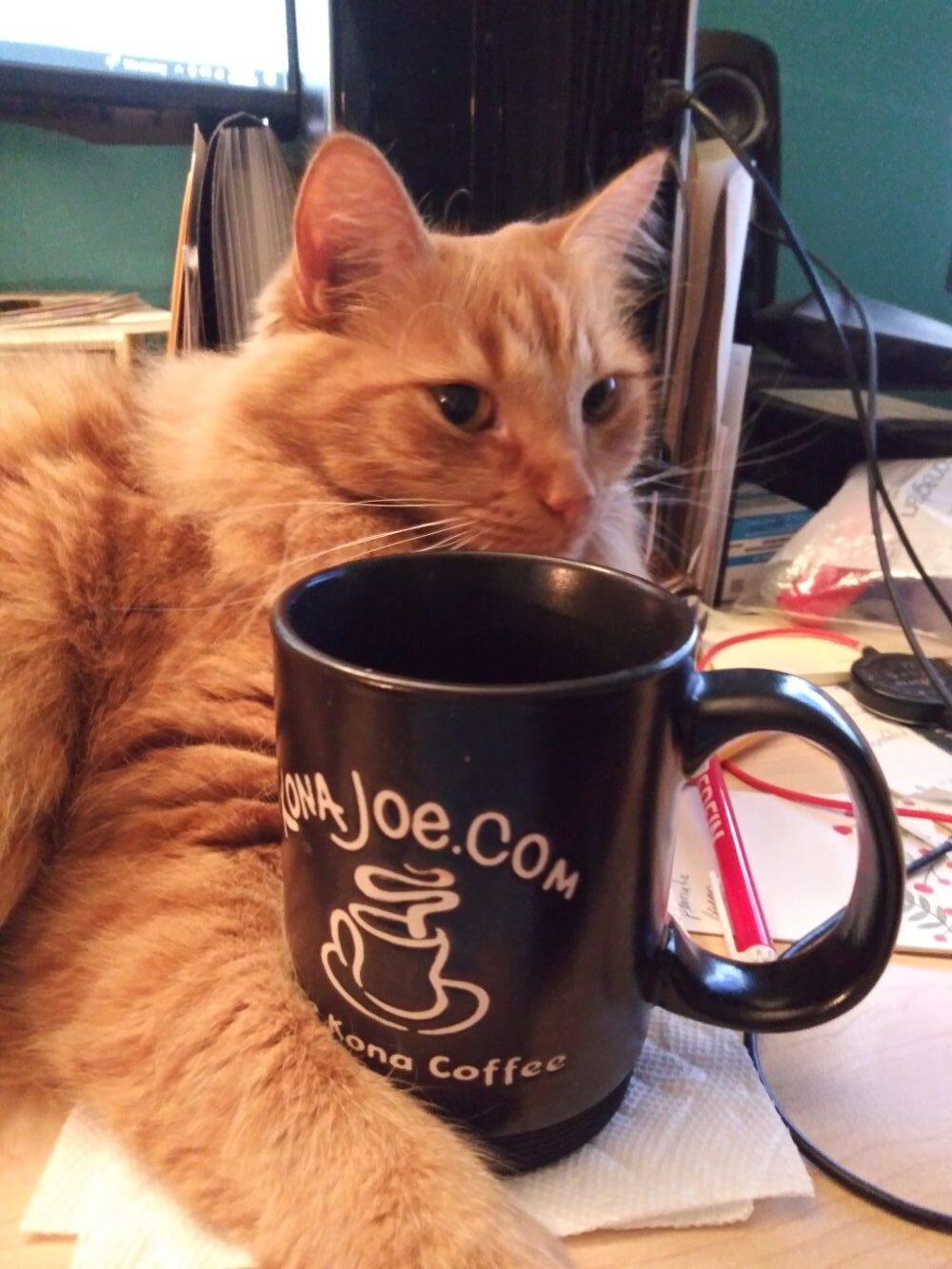
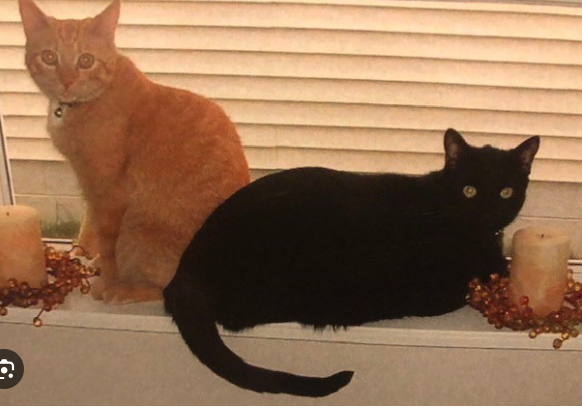
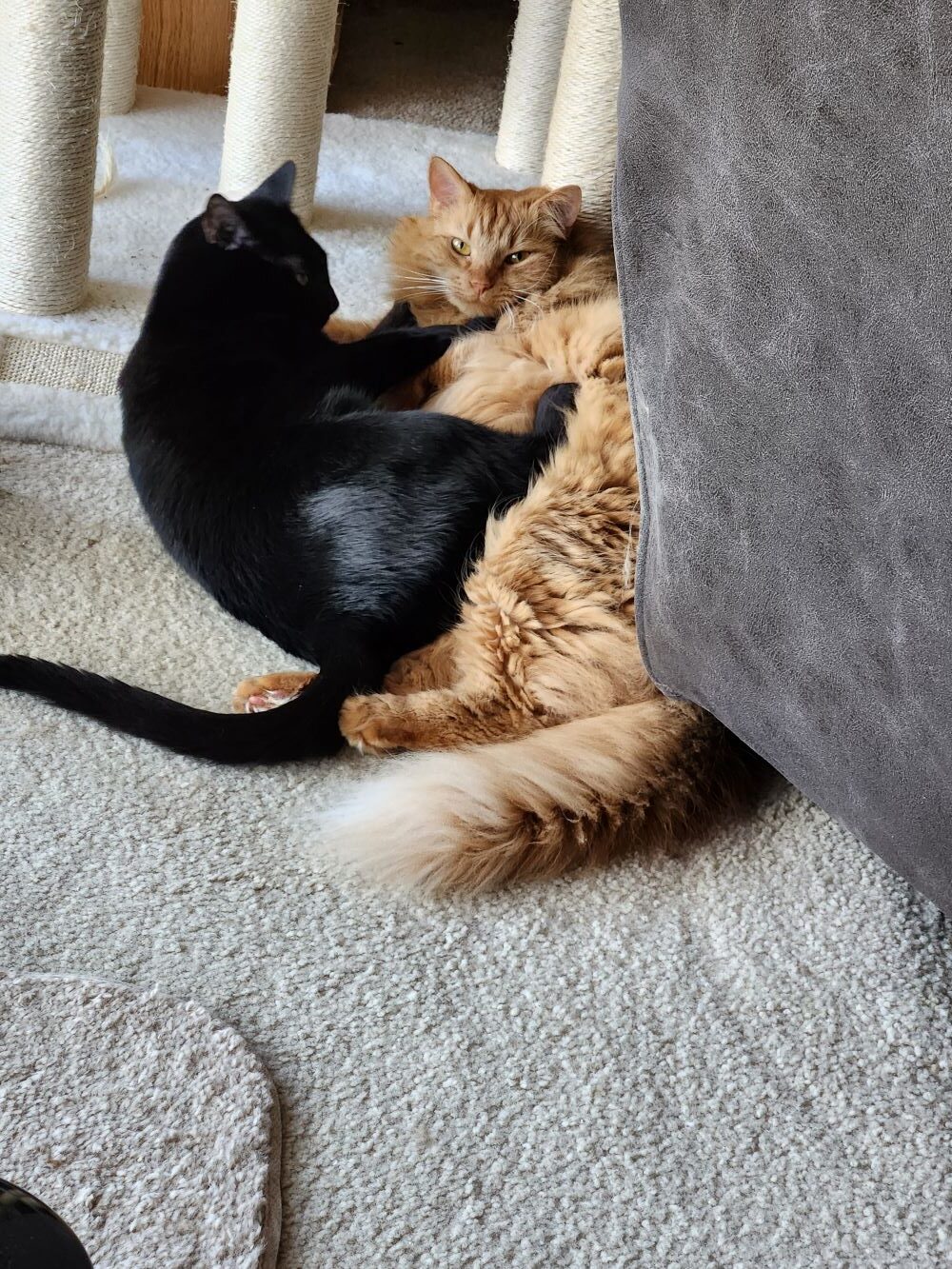
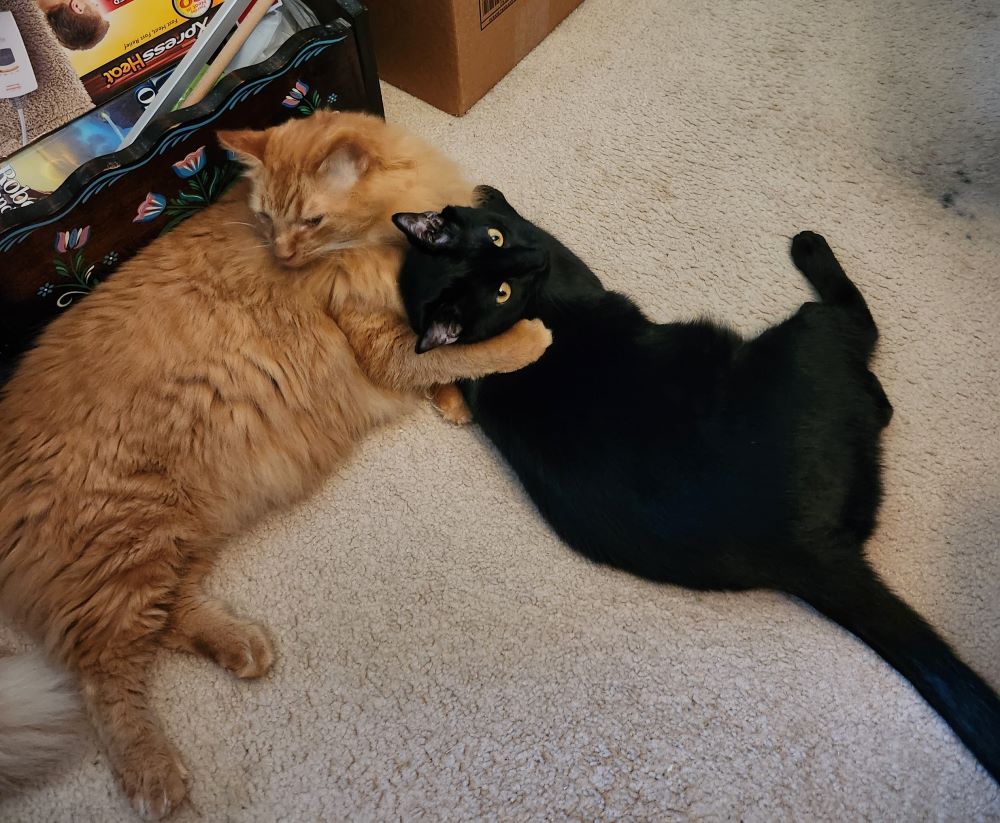
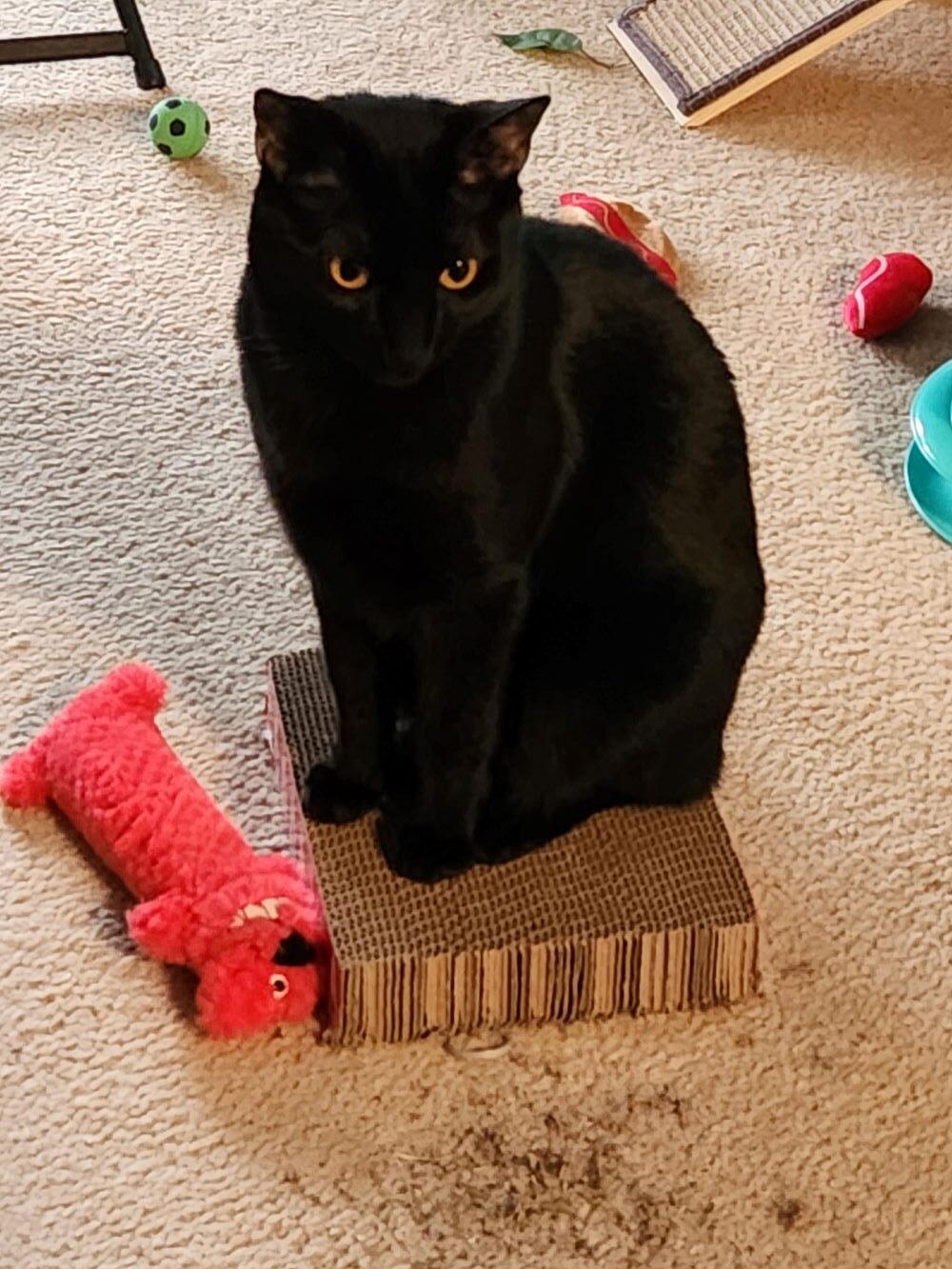
Banner and Balboa are thrilled.

In their world, Daylight Saving Time is the greatest invention since the treat bag.
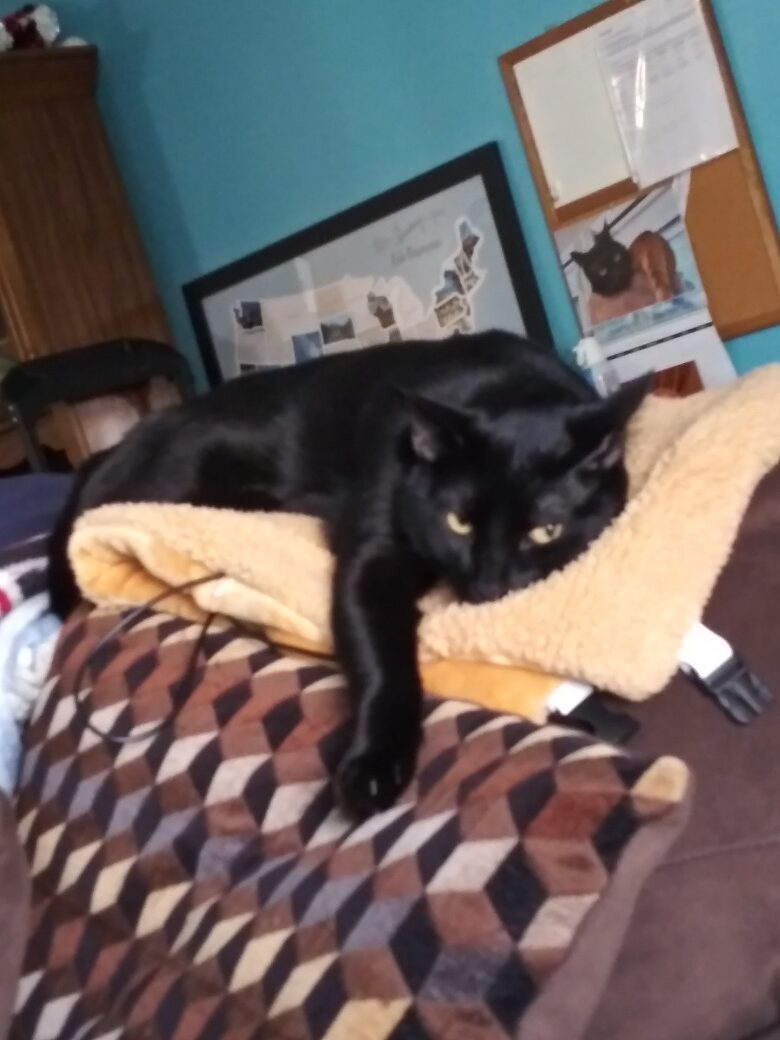
Breakfast arrives a whole hour earlier — a development they fully support and believe should be made permanent immediately.

If Congress ever needs motivation to finally pick a time and stick with it, they

should consult the feline lobby. Banner and Balboa have notes.


What About You?

Do you love the extra evening light, dread the clock change, or simply follow your pets’ lead and accept breakfast whenever it arrives?
 

Spring Forward… Again?


 The Semi-Annual Time-Change Shuffle (According to Humans and Cats)

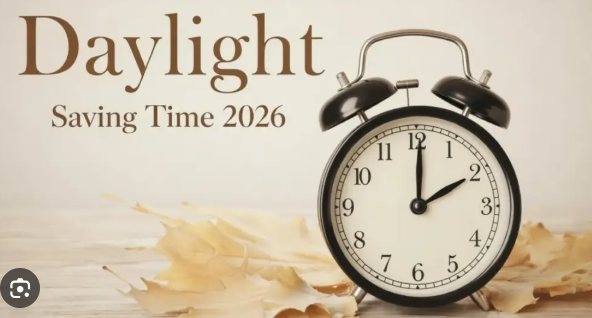
It’s not even the end of February, but everyone is already buzzing about the time change. Daylight Saving Time is early this year, and on March 8 we’ll be springing forward whether we’re ready or not. Humans groan, reach for extra coffee, and complain about losing an hour of sleep.

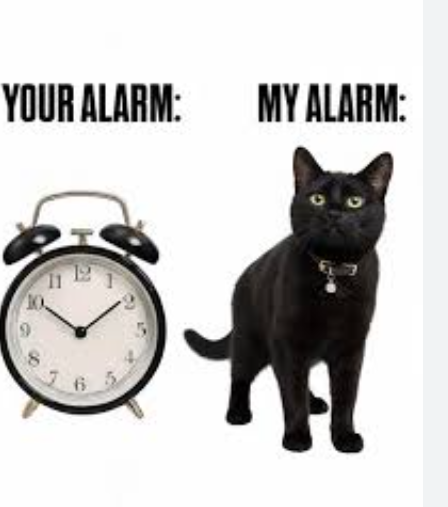
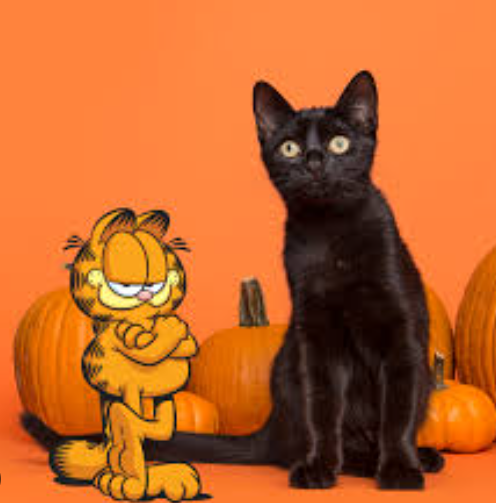
Meanwhile, the cats? They’re thrilled. As far as Banner and Balboa are concerned, this is the one magical day when breakfast arrives an hour early. A holiday, really.


Why We Change the Clocks (From a Human Perspective)

Daylight Saving Time (DST) started as an energy-saving idea — shift daylight into the evening, use less electricity, and keep society humming along. It became standardized in the 1960s and has stuck around ever since, even though modern research shows the energy savings are… questionable at best.

But tradition is tradition, and twice a year we all pretend we understand what time it is.


Who Opts Out? (And What Cats Think About That)

A few places have decided they’ve had enough of the clock shuffle. Hawaii and most of Arizona skip DST entirely, along with several U.S. territories.

If you ask the cats, these places are clearly run by geniuses. No lost hour. No confused feeding schedule. No humans stumbling around muttering about circadian rhythms.


Is It Healthy? (Spoiler: Not Really)

Humans don’t handle the spring time change well. Studies show it disrupts sleep, metabolism, and mood. And yes — it gets harder to adjust as we age. Our internal clocks become less flexible, and losing an hour hits like jet lag without the beach vacation.

Cats, on the other hand, adjust instantly. They simply declare it breakfast time and stare at you until you comply.


Accidents, Odd Traditions, and Feline Commentary

Research shows an uptick in car accidents and workplace injuries the Monday after the time change. Humans are groggy, cranky, and not at their sharpest.

Cats observe this from the safety of the couch and conclude that humans are fragile creatures who should probably nap more.

Some people use the time change as a reminder to check smoke detectors or flip mattresses. Cats use it as a reminder to sprint through the house at 3 a.m. because “the schedule is already messed up, so why not.”


Will We Ever Stop Changing the Clocks?

Many states have tried to adopt permanent DST or permanent standard time, but federal law keeps everything stuck in limbo. Until Congress decides what time it is — literally — we’ll keep springing and falling.

Cats, of course, believe time is a social construct and meals should be served whenever they say so.

Bottom Line

Come March 8, I’ll move my clocks ahead and spend the next week adjusting. Banner and Balboa will celebrate their early breakfast like it’s a national holiday.

If nothing else, the time change gives us something to grumble about — and gives the cats one glorious morning of “See? We told you it was time to eat.”