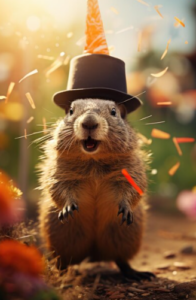
Groundhog Day, The Legend Continues


Groundhog Day: Shadows, Legends, and One Very Busy Groundhog
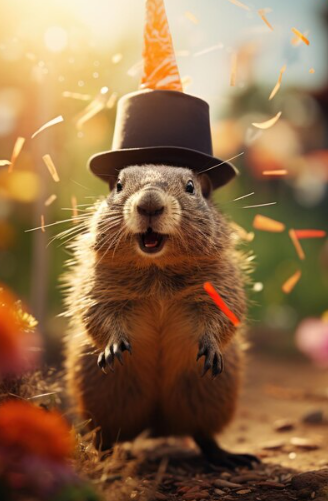
If you woke up this morning and thought, Wait… is it Groundhog Day already? — you’re in good company. February sneaks up on all of us, but Punxsutawney Phil never misses his cue. Today is the day we turn our eyes to Gobbler’s Knob and wait for the world’s most famous meteorological rodent to decide our seasonal fate.

A Legend Born in the Shadows

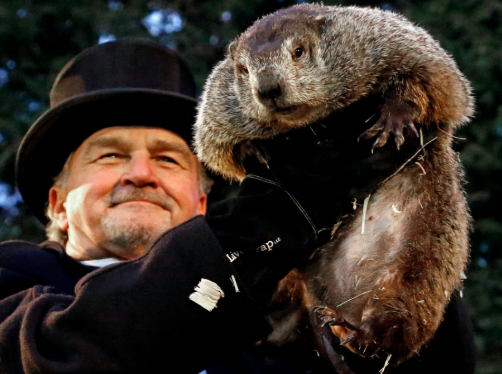
Punxsutawney Phil has been predicting the arrival of spring since 1887 — or so the legend goes. According to the Punxsutawney Groundhog Club, Phil is not just a groundhog but the groundhog, the same one for nearly 140 years thanks to a magical “elixir of life” lovingly administered each summer. Reality tells us groundhogs live about 14 years in captivity, but the story? The story insists Phil is eternal.

And yes — officially, there has only ever been one Phil. Unofficially? Let’s just say the Inner Circle keeps those details tucked tighter than their tuxedo collars.

From Candlemas to Gobbler’s Knob

Groundhog Day’s roots stretch back to Candlemas, when Christians brought candles to be blessed for good fortune through the rest of winter. German settlers later added an animal to the tradition — originally a hedgehog.

When they arrived in America and found no hedgehogs in sight, they turned to a plump, hibernating stand‑in: the groundhog.
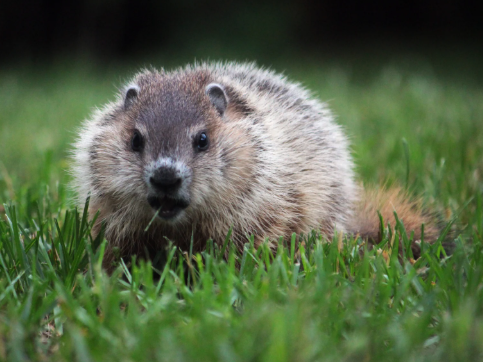
Cue Punxsutawney Phil, stage left.

How Phil Makes the Call
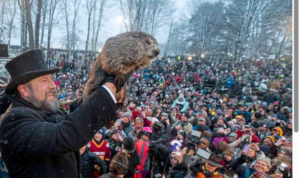
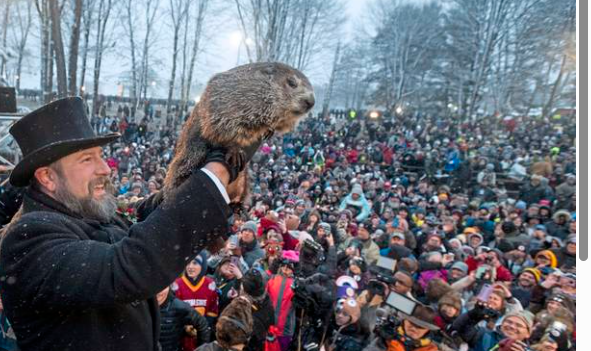
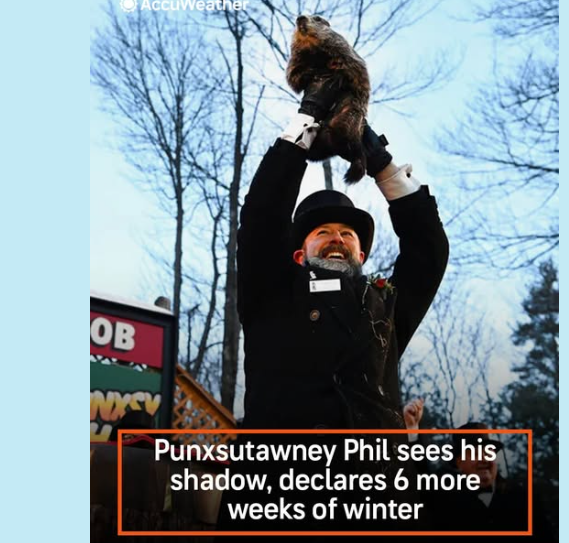
Each February 2nd, Phil emerges from his burrow after a long winter’s nap:

  • Shadow spotted: six more weeks of winter
  • No shadow: early spring on the way

The ceremony draws thousands before dawn — fireworks, music, banquets, and a crowd that treats Phil like the furry celebrity he is.


Phil’s Family & Fun Facts

Phil isn’t alone in his weather‑predicting empire. He lives with his wife, Phyllis, and in 2024 they welcomed twins, Sunny and Shadow. He’s also met presidents, appeared on Oprah, and once wore a yellow ribbon in honor of American hostages.

Why We Keep Watching

Maybe Phil’s accuracy isn’t perfect (NOAA gently reminds us of that), but Groundhog Day isn’t really about meteorology. It’s about tradition, whimsy, and the joy of believing — even for a moment — that a small creature in Pennsylvania holds the keys to spring.

Honestly? On a cold February morning in New England, that’s exactly the kind of magic we need and if Phil wants six more weeks of winter, he can come shovel my walkway and explain himself.


UPDATE
Looking Back at the Rich History of the Presidential Turkey Pardon

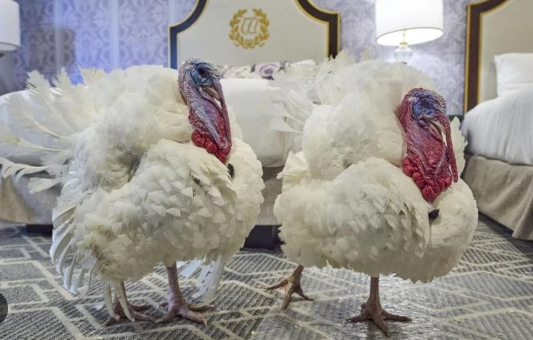
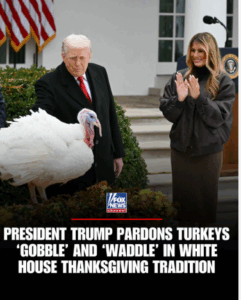
Yes,, I know Thanksgiving was last week but Gobble and Waddle are still giving thanks if they have any idea of the fate they escaped.

A Lighthearted Tradition Amid Serious Times
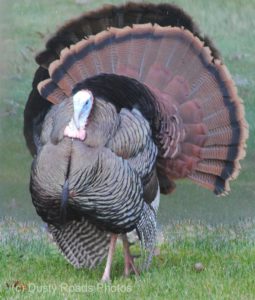
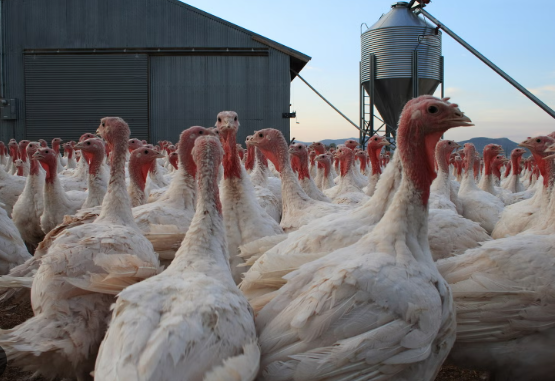
Every November, the White House sets aside politics for a moment of levity: the presidential turkey pardon. This year, President Donald Trump granted clemency to Gobble and Waddle, continuing a tradition that has become as quintessentially American as pumpkin pie. The ceremony, now in its 78th year, offers humor, gratitude, and a touch of whimsy against the backdrop of Washington’s otherwise weighty affairs.

Lincoln’s First Act of Mercy

The roots of the turkey pardon stretch back to 1863, when President Abraham Lincoln spared a bird at the request of his young son, Tad. The turkey, affectionately named Jack, was destined for the family’s Christmas table until Tad intervened. Lincoln’s compassion set the stage for what would later evolve into a national ritual.

Truman’s Myth and Kennedy’s Gesturetom turkey

Though often credited with beginning the tradition, Harry Truman never officially pardoned a turkey. The Truman Library confirms that the birds presented to him in the late 1940s were likely eaten. The first modern gesture of mercy came from John F. Kennedy in 1963, when he famously said, “Let’s keep him going,” sparing a 55-pound bird just days before his assassination.

Reagan, Bush, and the Formalization of the Pardon

In the 1980s, Ronald Reagan began sending turkeys to farms rather than the dinner table, joking about “pardons” during the Iran-Contra scandal. But it was George H.W. Bush in 1989 who officially declared a presidential pardon, ensuring the bird’s survival. Since then, every president has upheld the tradition, with Barack Obama pardoning the most—16 turkeys during his two terms.

Life After the White House

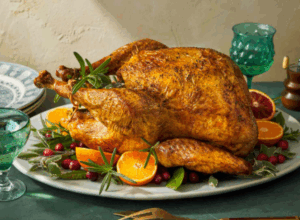
Pardoned turkeys don’t simply fade into obscurity. Many retire to farms, universities, or agricultural centers, serving as quirky ambassadors for American farming. Gobble and Waddle, this year’s stars, will enjoy retirement at North Carolina State University’s Prestage Department of Poultry Science. Meanwhile, millions of other turkeys—about 46 million each Thanksgiving—still meet a far less fortunate fate.

A Tradition of Humor and Humanity

From Lincoln’s compassion to Bush’s formal proclamation, the turkey pardon reflects both the lighter side of presidential power and the enduring appeal of Thanksgiving. It’s a reminder that even in the halls of government, there’s room for humor, kindness, and a nod to the nation’s agricultural roots.


Sources: TIME, CBS News, Yahoo News, USA Today, History.com, Wikipedia


Will He or Won’t He?

It’s February 2nd and the question on everyone’s mind is…will he or won’t he…see his shadow that is.

According to tradition if it’s cloudy when the ground hog pokes his nose out of his burrow today, he’ll be pleased and go about his business BUT…if he peeks out and it’s sunny, he’ll see his shadow and it will scare him back into his den and with his retreat winter will again close her icy arms around the land for another 6 weeks.

That’s a lot of pressure on a rodent. Let’s face it, no matter what they say in Gobbler’s Notch , PA  Punxsutawney Phil is no Mickey Mouse.

If you want to join in the fun remember, statistically the ground hog has only been right 37% of the time. On the other hand, how often are the meteorologists right?

Happy Ground Hog Day. 🙂

happy-groundhog-day

So how ’bout that Superbowl?