🦃 Why Are Domestic Turkeys White?
A Totally Serious Interview with Two Turkeys
Reporter: Welcome to Turkey Talk Live! Today we’re asking the burning question: why are domestic turkeys white while wild turkeys strut around in earthy browns and blacks? Let’s hear it straight from the birds themselves.
Domestic Turkey (fluffing feathers):
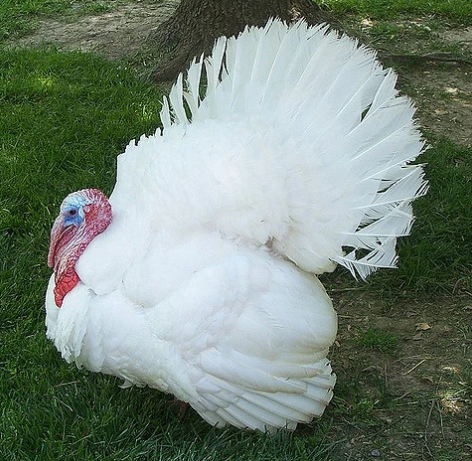
“Listen, I didn’t choose this look. Humans bred me this way. Apparently, white feathers make me look ‘cleaner’ once I’m… you know… processed. Dark pinfeathers are like having spinach stuck in your teeth—nobody wants to see that on the holiday table. So voilà, I’m the snow‑white centerpiece. Fashion? Nah. It’s all about marketing.”
Wild Turkey (adjusting camo plumage):
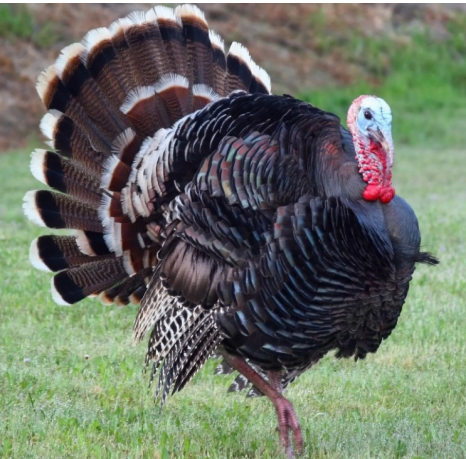
“Meanwhile, I’m rocking these rich browns and blacks because I actually need to survive. Ever tried hiding from coyotes in a white feather coat? Forget it. My colors help me blend into the forest floor. I’m basically the ninja of the turkey world. Domestic cousin here couldn’t camouflage in a mud puddle if it tried.”
Domestic Turkey (sighing):
“True. I can’t fly well, I’ve lost most of my wild instincts, and honestly, if you dropped me in the woods, I’d probably ask for Wi‑Fi. But hey, I’m great at sitting still and looking plump, basically the couch potato of the poultry world. Humans love that.”
Wild Turkey (smirking):
“And I love not being dinner. So while you’re busy auditioning for the Thanksgiving table, I’ll be over here blending in with the leaves.”
Reporter’s Wrap‑Up
Domestic turkeys are white because humans bred them for a cleaner, more marketable look. Wild turkeys are dark because nature bred them for survival. One is hiding from predators, the other is hiding from gravy. It’s just the result of centuries of humans saying, “Hmm, this bird would look better if it matched the tablecloth.”