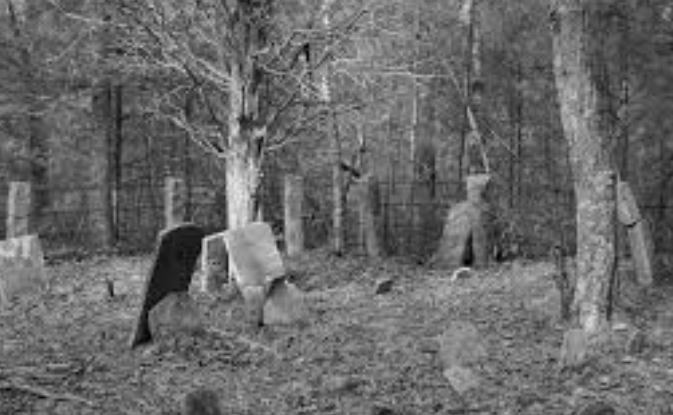
A Quiet Rhode Island Cemetery With a Loud History
October sharpens the edges of New England. The mornings feel older, the woods feel closer, and even the quiet backroads seem to remember things they don’t talk about the rest of the year. Down in Exeter, tucked behind fields and stone walls, there’s a small cemetery that carries one of Rhode Island’s strangest stories — the Tillinghast Lot.
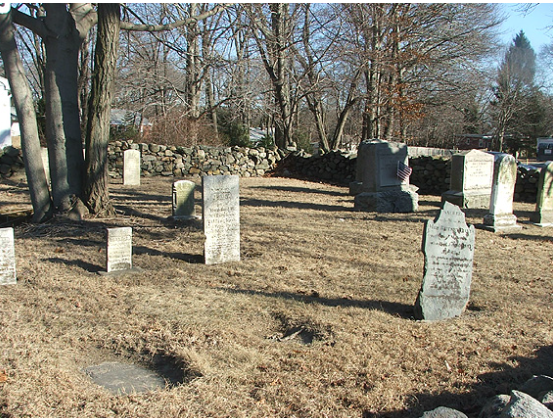
It doesn’t look like much at first. A handful of old stones, a clearing in the trees, the kind of place you’d miss if you weren’t looking for it. But in the late 1800s, this quiet patch of ground became part of a larger fear that swept through rural Rhode Island — a fear that the dead weren’t staying where they were buried.
Why Exeter Was Already on Edge
To understand why the Tillinghast deaths caused such alarm, you have to look at what was happening in Exeter at the time. Tuberculosis was ravaging families, but no one knew what it was. People wasted away slowly — pale, weak, coughing, losing weight — and when multiple members of the same family died, neighbors whispered that something supernatural was draining the life from the living.
 The Mercy Brown Vampire Panic
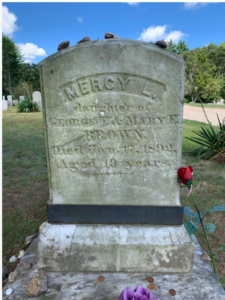
The most famous example was the Mercy Brown case, just a few miles from the Tillinghast Lot. After several members of the Brown family died, locals became convinced that one of the dead was “feeding” on the surviving son, Edwin.
In 1892, they exhumed Mercy Brown’s body. Because she had been stored in a cold crypt during winter, she hadn’t decomposed normally. Her heart still held blood. Terrified, the townspeople burned her heart and liver, mixed the ashes into a tonic, and gave it to Edwin to “break the curse.”
It became the most famous vampire panic in American history — and it happened right here in Exeter.
So when members of the Tillinghast family began dying around the same era, people didn’t see illness. They saw a pattern. They believed it could happen again.
Strange Reports From the Tillinghast Lot
Visitors to the Lot claimed the air turned cold even on warm days. Shadows moved between the stones. Footsteps followed them when no one else was there. Small, unsettling details that linger long after you’ve left.
Standing there today, you can see why the stories stuck. The ground dips in strange places. The trees crowd close, as if they’ve been listening for a long time. The stones are worn down to soft shapes, names fading into lichen and time. It’s peaceful, but not entirely. There’s a heaviness to the place — not threatening, just watchful.
A Place That Remembers More Than It Should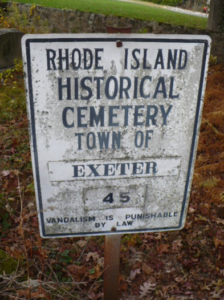
I’ve driven through Exeter more times than I can count, and there’s something about that part of Rhode Island that feels older than the map suggests. The roads curve in ways that make you slow down. The woods feel deeper. And cemeteries like the Tillinghast Lot remind you that history doesn’t always stay quiet.
If you ever find yourself near Exeter, take a moment to stop by. Walk the edge of the clearing. Read the stones. Listen to the wind moving through the trees. Just don’t go alone. Some places remember more than they should — especially in October.
Share this:
- Share on Tumblr (Opens in new window) Tumblr
- Print (Opens in new window) Print
- Share on X (Opens in new window) X
- Share on Facebook (Opens in new window) Facebook
- Share on Pinterest (Opens in new window) Pinterest
- Share on Reddit (Opens in new window) Reddit
- Share on LinkedIn (Opens in new window) LinkedIn