What Are the Ides of March, Anyway?
Every year when March 15th rolls around, a little whisper from Shakespeare seems to drift through the air: “Beware the Ides of March!” It’s dramatic, it’s ominous, and it’s one of those lines everyone knows—even if they’re not entirely sure what it means.
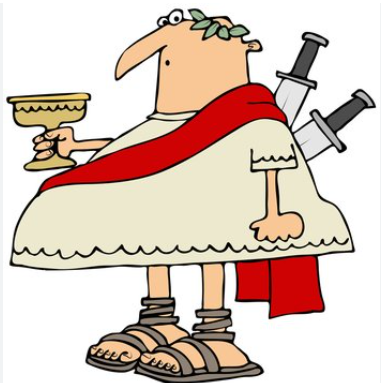 In ancient Rome, the Ides were simply the midpoint of the month. Nothing spooky, nothing sinister. Just a calendar marker. But in 44 BCE, Julius Caesar had a very unfortunate appointment with a group of senators who were feeling… let’s say, ambitious. That single event transformed an ordinary date into a cultural warning label.
Shakespeare later took the whole episode and turned it into high drama—soothsayers, tension, betrayal, and enough theatrical flair to make even modern political thrillers look tame. Thanks to him, the Ides of March became a symbol of caution, intrigue, and the occasional reminder to watch your back.
Why the Ides Still Capture Our Imagination
There’s something irresistible about a date with a built‑in sense of foreboding. The Ides of March has survived for more than two thousand years because it blends history, literature, and a touch of superstition. It’s a moment when we collectively pause, remember a dramatic turning point, and maybe give a little side‑eye to anyone acting overly dramatic.
Of course, today’s March 15th is far less dangerous than Caesar’s. No daggers, no conspiracies—just another day in early spring when New England is trying to decide whether it wants to be winter or mud season. The only thing most of us need to beware of is slipping on leftover ice in the driveway.
A Lighthearted Look at a Heavy Historical Moment
So as the Ides of March arrive, take a moment to enjoy the history, the Shakespearean flair, and the fun of a date that has lived rent‑free in our collective imagination for centuries. No need to beware—just appreciate the drama from a safe distance.
And tomorrow? We’ll leave ancient Rome behind and head back to Massachusetts, where Plymouth Rock is waiting to take its turn in the spotlight.