
Say What? A Stroll Through American Slang

A hand holding a marker writes the words “SLANG LANGUAGE” in bold black letters, with a red line drawn underneath on a plain white background.

Finding Fresh Ways to Say It

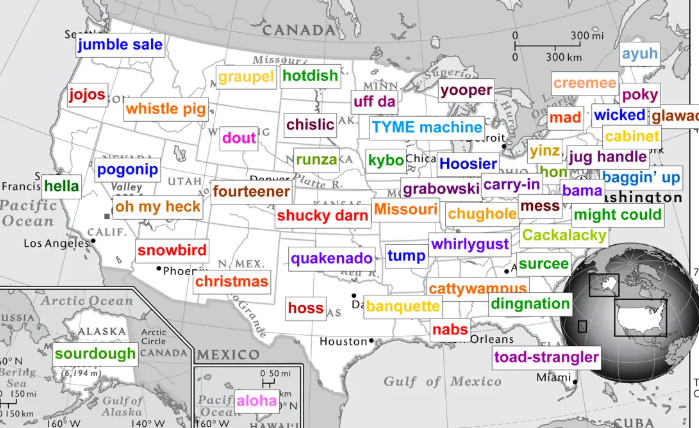
As someone who writes daily, I’m always looking for ways to say things that don’t sound like the same old, same old. Which brings me to today’s topic — American slang. It’s a huge pool, and we’ll only scratch the surface, but let’s dive in and explore a few of our most familiar expressions.

OK — The Universal Word

Don’t tell me you don’t use it. Everybody says “OK.” The funny thing is, nobody really knows how it started. Most linguists believe “OK” came into use in the 1830s after it appeared as an abbreviation in a Boston newspaper. Then Martin Van Buren used it as a key part of his presidential campaign — and as they say, the rest is history. Honestly, I can’t imagine a world without “OK.”

Cool — Or Wicked, If You’re From Boston

This one slides in and out of favor but never disappears. “Cool” started with the jazz culture of the early 20th century. Those black‑shirted, beret‑wearing hipsters used it to describe anything the opposite of flashy or hot. Now it’s just part of everyday vocabulary. Of course, if you’re from Boston, you probably say “wicked.” Same vibe, different accent. (How about “Wicked Cool?”)

The Whole Nine Yards
Truth is, no one knows where this one began. Explanations range from ammunition belts to fabric yardage. Whatever its origin, we all know what it means — going all in. (Or if you prefer, the whole enchilada.)

Hands Down

If someone wins “hands down,” they win easily, without real competition. The phrase comes from horse racing, where a jockey comfortably ahead could relax, lower the reins, and coast across the finish line. So if you won that round fair and square — hands down — you’ve earned bragging rights.

Cops — Not Just Constables on Patrol

Ever wonder why we call those men and women in blue “cops”? Despite the popular myth that it stands for “constable on patrol,” that’s a modern backronym. The real origin likely traces back to the verb cop, meaning “to catch or seize,” which dates to 17th‑century English slang.

Barking Up the Wrong Tree

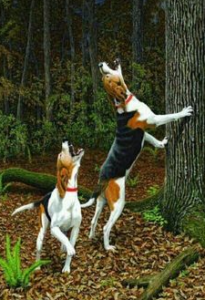
If you say someone is “barking up the wrong tree,” you’re telling them they’re misinformed or chasing the wrong idea. The phrase comes from hunting dogs — coon hounds that, after chasing a raccoon, would bark furiously at the base of the wrong tree. Oops.

Food for Thought

American slang is colorful, creative, and constantly evolving. It’s part of what makes our language so lively.

I wrote this with my ESL teacher friend in mind — because if slang confuses native speakers, imagine trying to explain it to someone learning English from scratch. No wonder her students look at her like she’s speaking Martian. This one’s for you, Nancy.

Let me know what your favorite slang expressions are. I’d love to hear the ones that make your conversations cool, wicked, or just plain OK.


I Sound Like My Grandparents… and I’m Okay With It

Whimsical drawing of an elderly couple surrounded by decorative leaves, perfect for a blog post about old‑fashioned sayings and grandparent phrases.

Your Grandparents Said What?

Oh no. According to an article I read, I apparently sound like my grandparents. I found this little gem on Bing — I love checking out their shorts. They’re perfect bite‑sized sparks when I’m stuck for ideas, and honestly, even when I’m not stuck, they serve up all kinds of interesting things.

So today I was reading 17 phrases your grandparents said that nobody says anymore… except I use a lot of them. As I put this list together, I had to laugh — I still use so many of these. My grandparents would be proud… or concerned. But don’t worry, we’re not going through all 17. I’ll just touch on the ones I still use today.

“Happy as a clam.”

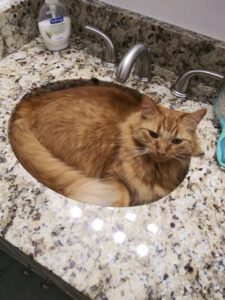
Are you enjoying life? Are you content? I can tell you that Banner, curled up in his sink, is happy as a clam. Living in Massachusetts, where clamming is practically a sport, it’s no surprise this expression stuck around — dated or not.

“Close the door — were you born in a barn?”

Ouch. I don’t use this one myself (no kids to yell at), but I can still hear my mother shouting it, and wow did it sting. None of that “sticks and stones” stuff for me — words absolutely can hurt.

“Keep your shirt on.”

Did you know this probably goes back to the early 1900s, when men would take off their shirts before a fight? Apparently they were more afraid of coming home with a torn shirt and facing their wife than they were of getting a bloody nose.

“I’ll be there with bells on.”

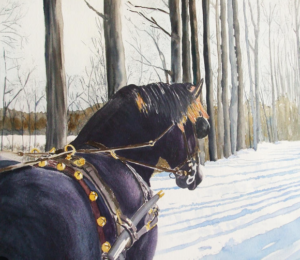
I use this one all the time. If someone invites me over, I might very well say it without thinking. Turns out it comes from the bells used to decorate a horse’s bridle or sleigh. Who knew? But I still say it today.

There are so many more. Don’t take any wooden nickels. Go pound sand. You got your ears lowered. I’ll be a monkey’s uncle. The list goes on, but we’re out of time. And honestly, I don’t like to think I’m outdated. After all, I still use wicked to be cool.

How about you — do any of your grandparents’ sayings still sneak into your vocabulary? Drop yours in the comments — I’d love to see which ones you grew up with.


Join me In my Southern Neighborhood of phrases and Slang

A colorful, storybook-style neighborhood with bright houses, winding roads, green lawns, and distant snow‑capped mountains under a blue sky — a cheerful little town where our linguistic adventure begins.


Join me and my neighbors from the Hundred Acre Wood as we wander into the land of Southern country wisdom.

Good Morning, Neighbors

You all know I love regional phrases and slang. You’ve probably seen my earlier post, New England vs. The World – A Linguistic Nightmare. And with relatives scattered from Virginia to Florida, I’ve heard my fair share of Southern sayings. My very funny sister‑in‑law from Charleston, SC has more slang expressions than a monkey has uncles. Visiting with her is guaranteed laughter.


So today, I thought I’d take a little colloquial road trip. Even if I can’t get there in person, I can still travel with my ears open. Let’s see what we can find — and how different things might be from north to south.

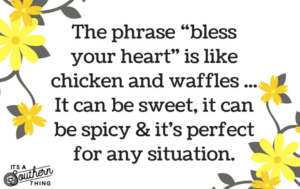
Bless Your Heart

As a Northerner, I’ve never used this one — mostly because I don’t have the patience to insult someone politely. But Southerners? Oh, they’ve perfected it. “Bless your heart” is the Swiss Army knife of phrases: it can mean “you poor thing,” “you absolute fool,” or “I’m about to talk about you behind your back but in a Christian way.” Tone does all the heavy lifting.

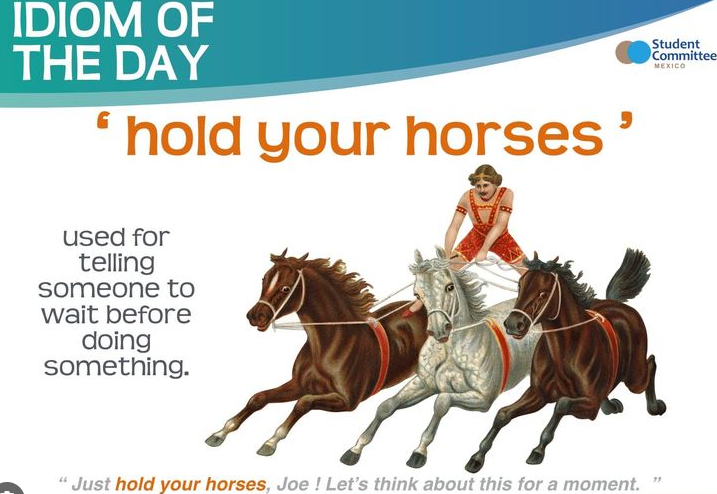
Hold Your Horses

Now this one I’ve used. Loudly. Repeatedly. Usually while trying to get someone to stop doing something ill‑advised, like reaching for a hot pan or making a major life decision before coffee. No horses required — just a firm reminder that patience is a virtue and impulsiveness is… well, not.

Pretty as a Peach

A sweet little compliment that sounds like it should come with a glass of sweet tea and a porch swing. In the south it is truly  high praise, If someone calls you pretty as a peach, don’t ask questions. Just accept it gracefully and move on before they follow it with something less flattering.


Reckon

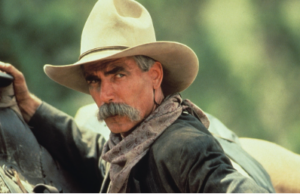
I reckon Sam knows what we mean

I’ve always thought of this as cowboy talk, but Southerners use it like punctuation. “I reckon” can mean I think, I guess, I’m not committing to this but I’ll say it anyway, or I’m about to lie politely. It’s flexible. It’s charming. It’s basically the duct tape of verbs.

Aren’t You Precious

This one is a trap wrapped in a smile. It sounds sweet enough to frost a cupcake, but most of the time it’s pure sarcasm delivered with perfect Southern politeness. Southerners pride themselves on hospitality, so they’d never be outright rude. But that little boy tormenting his sister? Oh, isn’t he just precious. Translation: stop acting like a little gremlin before I lose my religion.

’Til the Cows Come Home

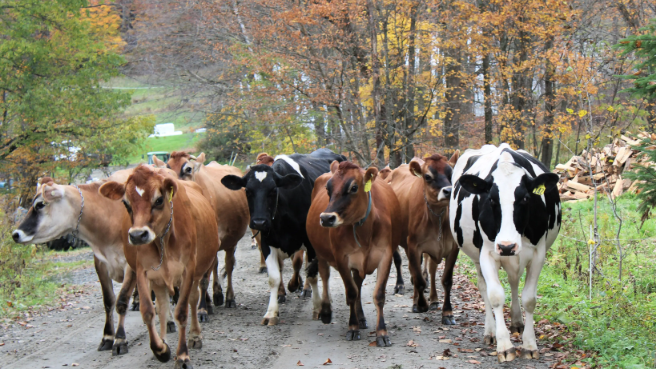
This simply means “forever.” You’ll be waiting ’til the cows come home, and knowing cows, they’re in no hurry. They’ll wander back when they feel like it — which is exactly how long your patience will last.

Too Big for Your Britches

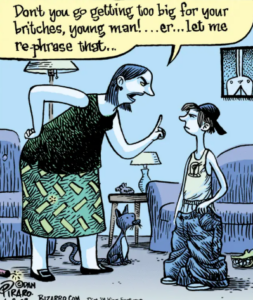
A classic from my childhood. And no, it never meant weight. It meant attitude. If Mom said you were getting too big for your britches, you were about two seconds away from being reminded who actually ran the house.

Happy as a Pig in Mud

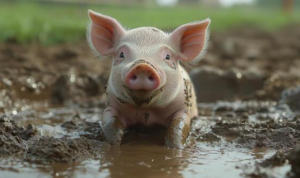
Or, as my father preferred, the more colorful version. Either way, if someone says this about you, it means you’re having the time of your life — probably doing something incredibly messy, questionable, or both.

If the Creek Don’t Rise

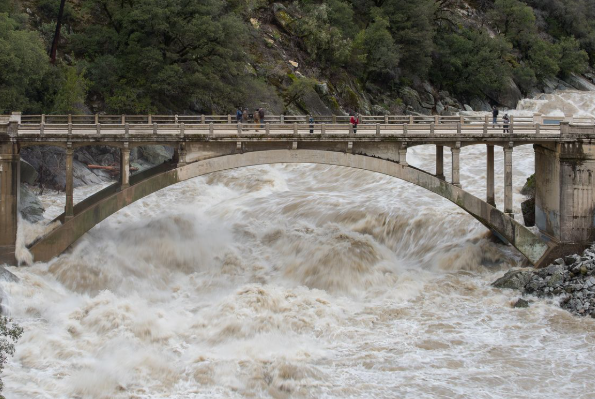
My personal favorite. When I moved to Massachusetts and used this phrase, people looked at me like I’d just spoken in tongues. Even after Hurricane Irene turned Vermont into a water park, the phrase still didn’t click. But it’s perfect: “God willing and the creek don’t rise, I’ll be there.” It’s hope, humor, and realism all in one line.

Closing Thoughts

Regional sayings are little postcards from the places they come from — tiny pieces of culture tucked into everyday speech. Whether you’re from New England, the Deep South, or somewhere in between, these phrases carry humor, history, and a whole lot of personality. And even if we don’t all use the same expressions, we can still appreciate the charm behind them. After all, language is one of the best road trips we can take without ever leaving home.