Setting Out With a Sense of Possibility
Every now and then, I feel that familiar tug — the one that whispers it might be time to wander again. Not in a rushed, suitcase‑bursting, itinerary‑packed way, but in the soft, dreamy style of a wish‑list adventure. The kind where you point the car toward the horizon and let the landscape decide the pace.
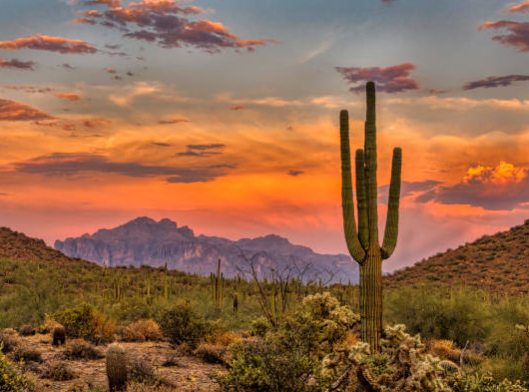
If I were heading out today, I know exactly where I’d go: southwest toward Colorado and Utah, where steam trains still echo through mountain canyons, ancient cliff dwellings cling to stone walls, and red‑rock cathedrals glow under endless skies.
This isn’t a trip I’ve booked. It’s one I’m savoring in my imagination — and sometimes those are the sweetest journeys of all.
Durango: Where the Journey Begins
Two nights
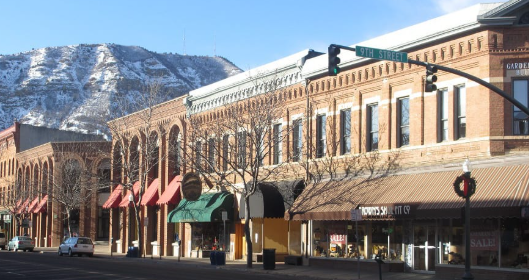
I’d start in Durango, settling into one of its historic hotels — the kind with wooden staircases polished by a century of footsteps and a lobby that feels like a warm handshake. From here, I’d wander out for dinner, camera in hand, letting the town’s old‑west charm set the tone.
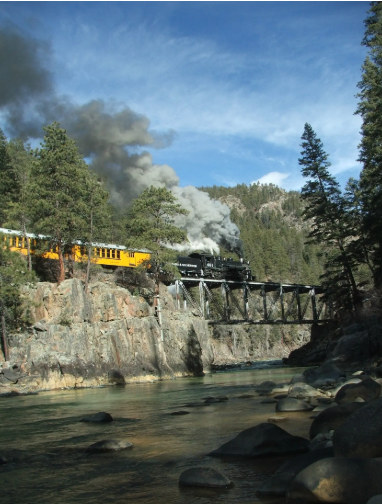
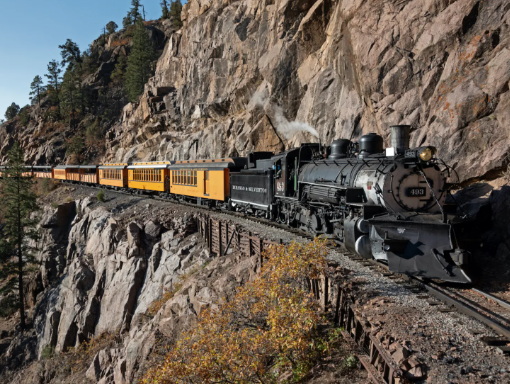
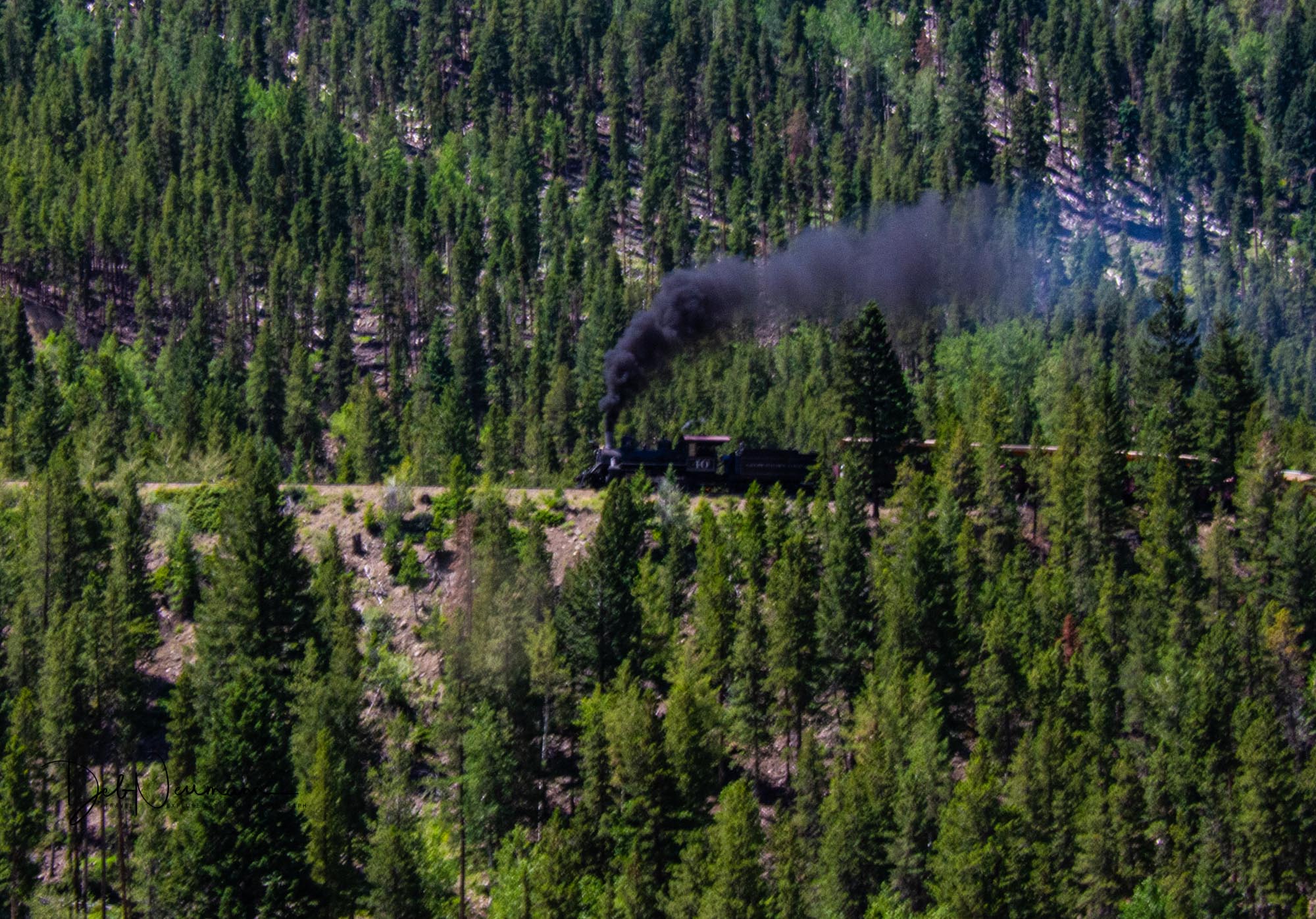
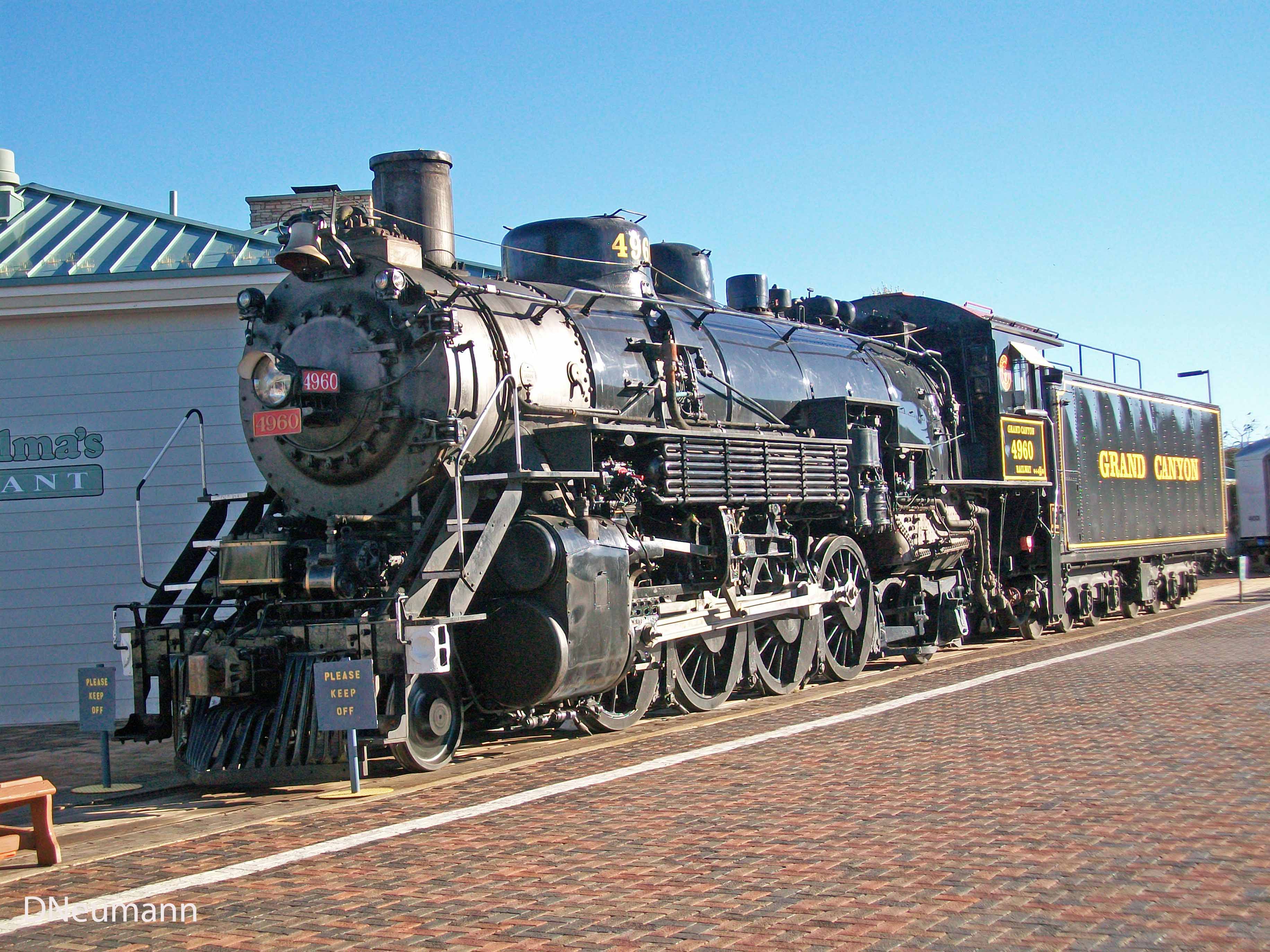
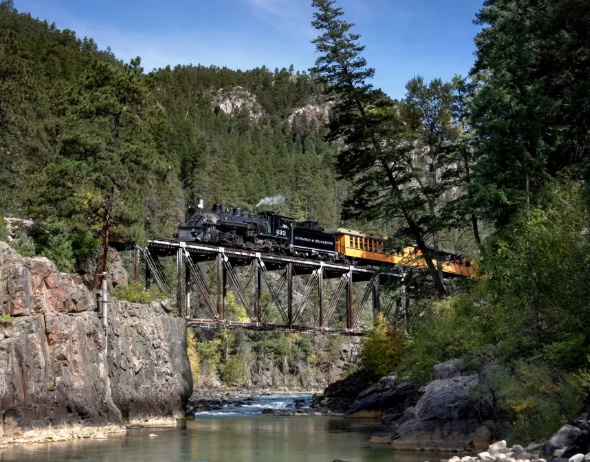
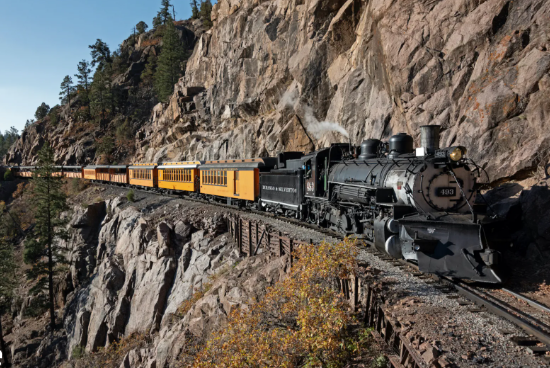
The next morning, I’d board the Durango & Silverton Narrow Gauge Railroad, a living piece of history that still breathes steam and nostalgia. As the train chugs along the Animas River, the canyon walls rise like guardians on either side. It’s a ride made for photography and quiet awe — no hiking boots required, just open eyes and a willingness to be carried through time.
Mesa Verde: Echoes of an Ancient World
One night in Cortez or Mancos
After the train, I’d drift west to Mesa Verde National Park, spending the night in Cortez or Mancos — simple, comfortable towns where the mesas glow gold at sunset.
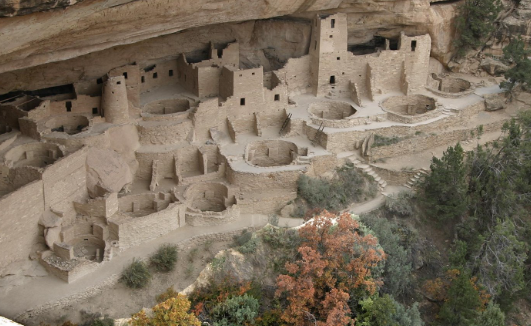
Mesa Verde is a place that humbles you. Even without climbing ladders or squeezing through cliff dwellings, the overlooks alone tell a powerful story. Standing at Cliff Palace Overlook, I’d imagine fires flickering in the alcoves, families moving through the stone rooms, voices echoing across the canyon. The air feels ancient here, as if it remembers everything.
Moab: Gateway to Red‑Rock Wonder
Three nights
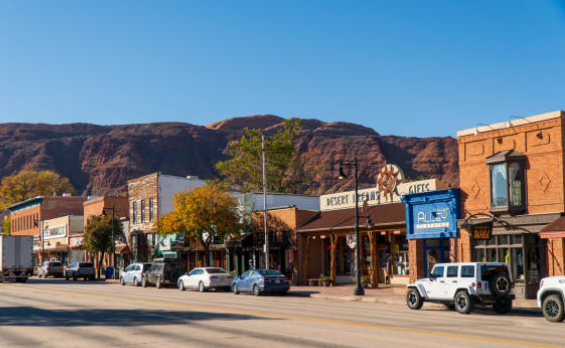
From Mesa Verde, the road would pull me into Utah and into Moab, a town that feels like the doorstep to another planet. I’d choose a place with a balcony or a big window — somewhere I could watch the cliffs catch the morning light.
Arches National Park
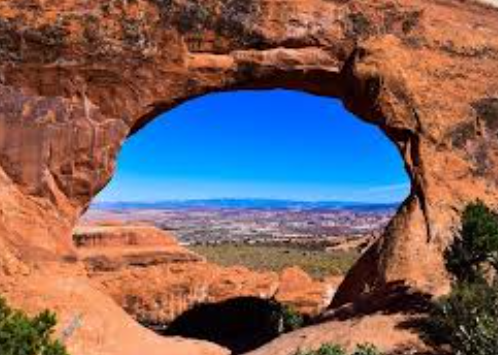
Arches is a photographer’s playground, even for those of us who prefer minimal walking. Balanced Rock, the Windows, Double Arch — each one a masterpiece carved by wind and time. You can see so much right from the overlooks.
Canyonlands: Island in the Sky
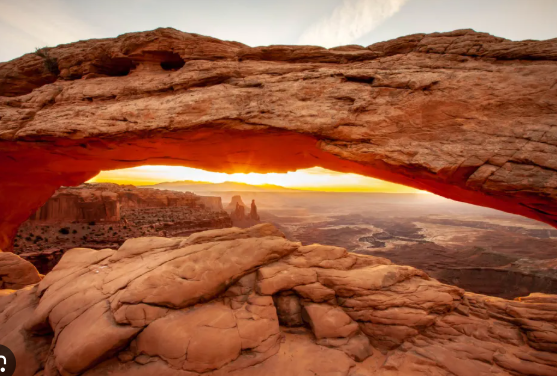
Canyonlands is all about vastness. I’d drive the rim, stopping at overlooks that make you feel like you’re standing at the edge of creation. Mesa Arch at sunrise would be the dream shot — that golden glow lighting up the canyon like a stage.
Torrey & Capitol Reef: A Quiet Pause
One night
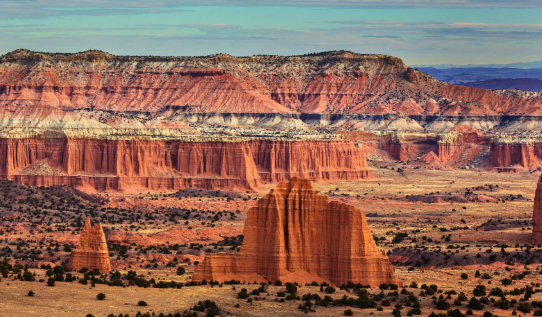
From Moab, I’d follow Scenic Byway 24 — one of Utah’s most photogenic roads — into Torrey, a tiny town tucked against red cliffs. It’s the kind of place where the sky feels bigger and the evenings quieter.
Capitol Reef is gentle and generous. The orchards of Fruita, the historic barns, the petroglyphs, the sweeping overlooks — all easy to reach, all deeply photogenic. I’d savor a slice of pie from the Gifford House and let the day unfold slowly.
Bryce Canyon: A Forest of Stone
 Two nights
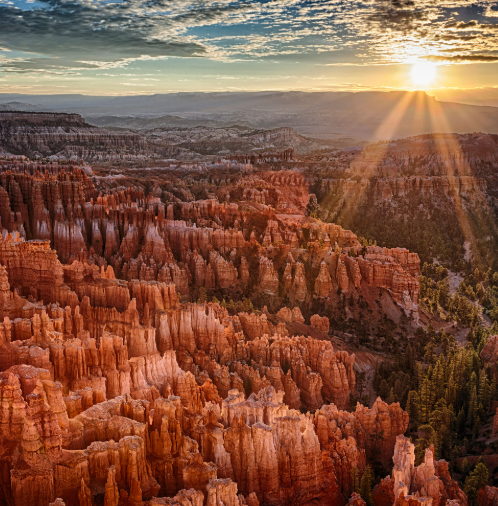
Next, I’d move on to Bryce Canyon, where the hoodoos rise like a frozen forest of flame. Sunrise Point, Sunset Point, Inspiration Point — each overlook offers a different angle on the amphitheater below, and none require more than a gentle stroll.
In the soft light of morning or evening, the stone spires glow pink, orange, and gold. It’s impossible not to take too many photos.
Springdale & Zion: A Canyon of Giants
Two nights
My final stop would be Springdale, the gateway to Zion National Park, where the canyon walls rise like cathedral pillars right behind the buildings. Even from the shuttle or the roadside pullouts, Zion overwhelms in the best way.
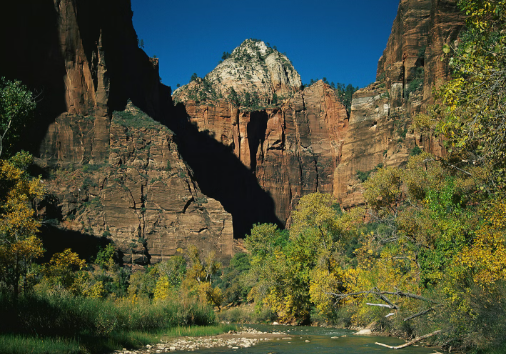
I’d stroll the flat Pa’rus Trail, sit by the river, and watch the cliffs shift color as the sun moves across the sky. No strenuous trails needed — the beauty comes to you.
Returning Home With a Full Heart
And then, as all journeys do — even the imaginary ones — the road would lead me home again. My camera would be full, my mind even fuller. That’s the magic of a wish‑list trip: it reminds me that adventure doesn’t always require a packed suitcase. Sometimes it just needs a spark of curiosity and the willingness to follow where the road might lead.
If I ever do take this trip, I already know it will feel familiar — because I’ve traveled it once already, right here in my imagination.
If You Go: Gentle Tips for a Southwest Dream Trip
Even though this journey lives mostly in the realm of imagination, it’s always nice to tuck a few practical notes into your back pocket — just in case the road starts calling a little louder.
Best Time to Travel
- Spring and fall offer the most comfortable temperatures.
- Summer can be hot, but mornings and evenings are still beautiful for photography.
Pacing for Minimal Walking
- All the parks mentioned have drive‑up viewpoints perfect for travelers who prefer gentle movement.
- Shuttle systems in Zion and Bryce make sightseeing easy.
- The Durango & Silverton train and Mesa Verde’s overlooks offer rich experiences without strenuous activity.
Lodging Overview
- Durango: Stay downtown for easy access to the train.
- Cortez or Mancos: Quiet bases for Mesa Verde.
- Moab: Ideal for Arches, Canyonlands, and Dead Horse Point.
- Torrey: A peaceful overnight stop for Capitol Reef.
- Bryce Canyon area: Close to sunrise and sunset viewpoints.
- Springdale: Perfect for Zion, with canyon walls rising behind the hotels.
Driving Notes
- Roads are well‑maintained and incredibly scenic.
- Distances are long but relaxing — perfect for a slow, photography‑friendly pace.
- Gas stations can be far apart in Utah, so topping off the tank is wise.
Photography Tips
- Golden hour is your best friend in the Southwest.
- Bring extra memory cards — the landscapes are irresistible.
- Many overlooks have railings or flat paths, making them easy to access.
Accessibility
- National parks offer accessible viewpoints, shuttles, and level paths.
- Each park’s accessibility page provides helpful details.
Mindset to Pack
- Curiosity
- Flexibility
- A sense of wonder
- And a camera ready for magic