Colorado: Chasing Trains, Mountains, and Maybe Bigfoot (Part 2)

Why I Missed the Durango & Silverton Railroad

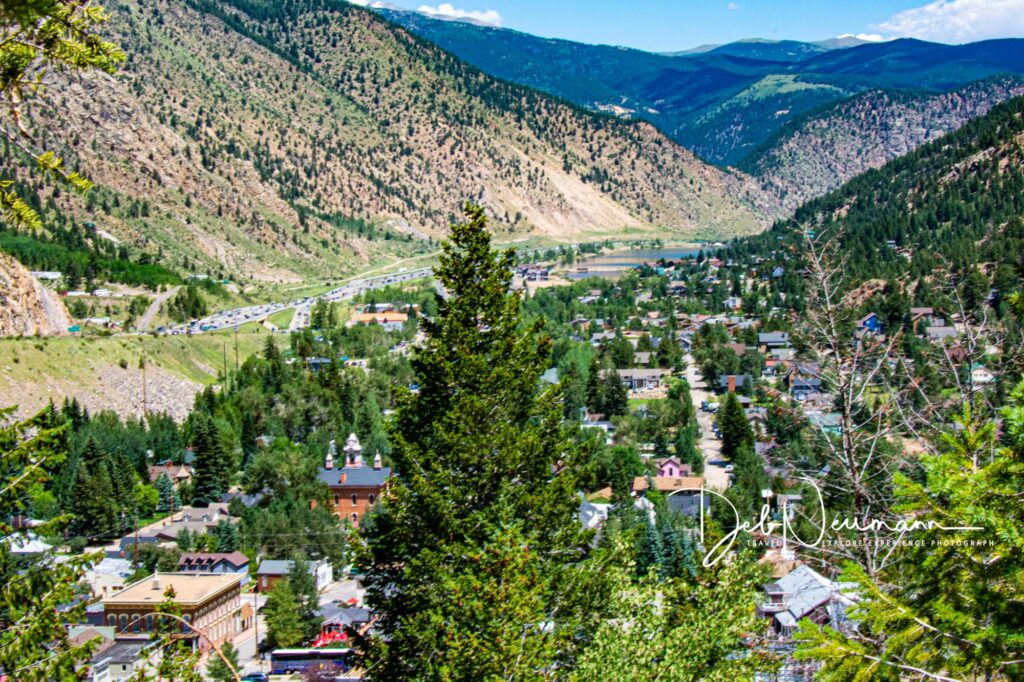
Yesterday I mentioned that I wasn’t able to ride the Durango & Silverton Narrow Gauge Railroad during my Colorado trip. I was staying in Breckenridge at the time, and thanks to the pandemic, many of the time‑share resorts I normally used were either closed or operating with limited availability. When my vacation week rolled around, Breckenridge was the only place I could find a room—so that’s where I landed.
Breckenridge sits in central Colorado, not far from Denver and within reach of places like Pikes Peak. Ironically, I managed to miss that too. Meanwhile, the Durango & Silverton is located in the far southwestern corner of the state. From Breckenridge, it would have been a four‑to‑five‑hour drive just to reach the station. Even if I made it in time for a late departure, I’d have no way to return the same day without losing another full day to the commute. In the end, I decided it was better to save the experience for a dedicated trip to that part of Colorado.

A Bigfoot Twist I Didn’t Expect

Of course, now I have even more reason to go back. Do you believe in Bigfoot? As the old X‑Files tagline says, I want to believe. I grew up in Upstate New York, not far from Whitehall—one of the most famous Bigfoot hotspots in the country. Sightings there go back centuries, and a major 1976 encounter involving law enforcement helped cement Whitehall’s reputation among cryptozoology fans. I somehow missed all of this growing up, but the lore fascinates me now.

So when I heard about a possible Bigfoot sighting in southwestern Colorado, right near the Durango & Silverton line, that train ride shot straight back onto my bucket list.

My Love for Vintage Trains
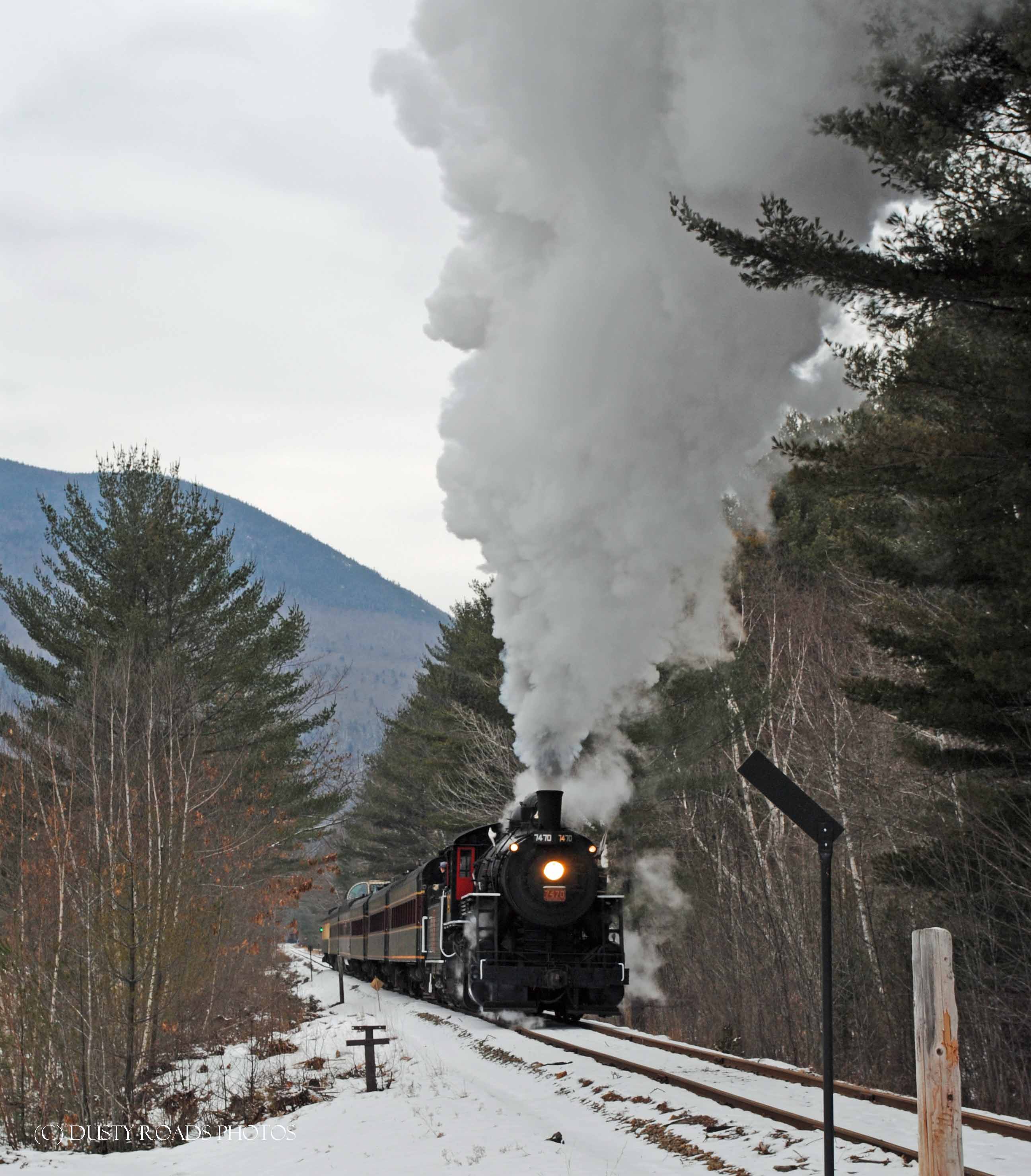
Steam In The Snow, Conway NH

There’s something magical about riding a vintage steam train. It feels like stepping back in time. I’ve taken the North Conway “Steam in the Snow” excursion and ridden the 1880 Train in South Dakota, where our guide kept us laughing as he pointed out scenery—and the “summer cows,” some white, some black.
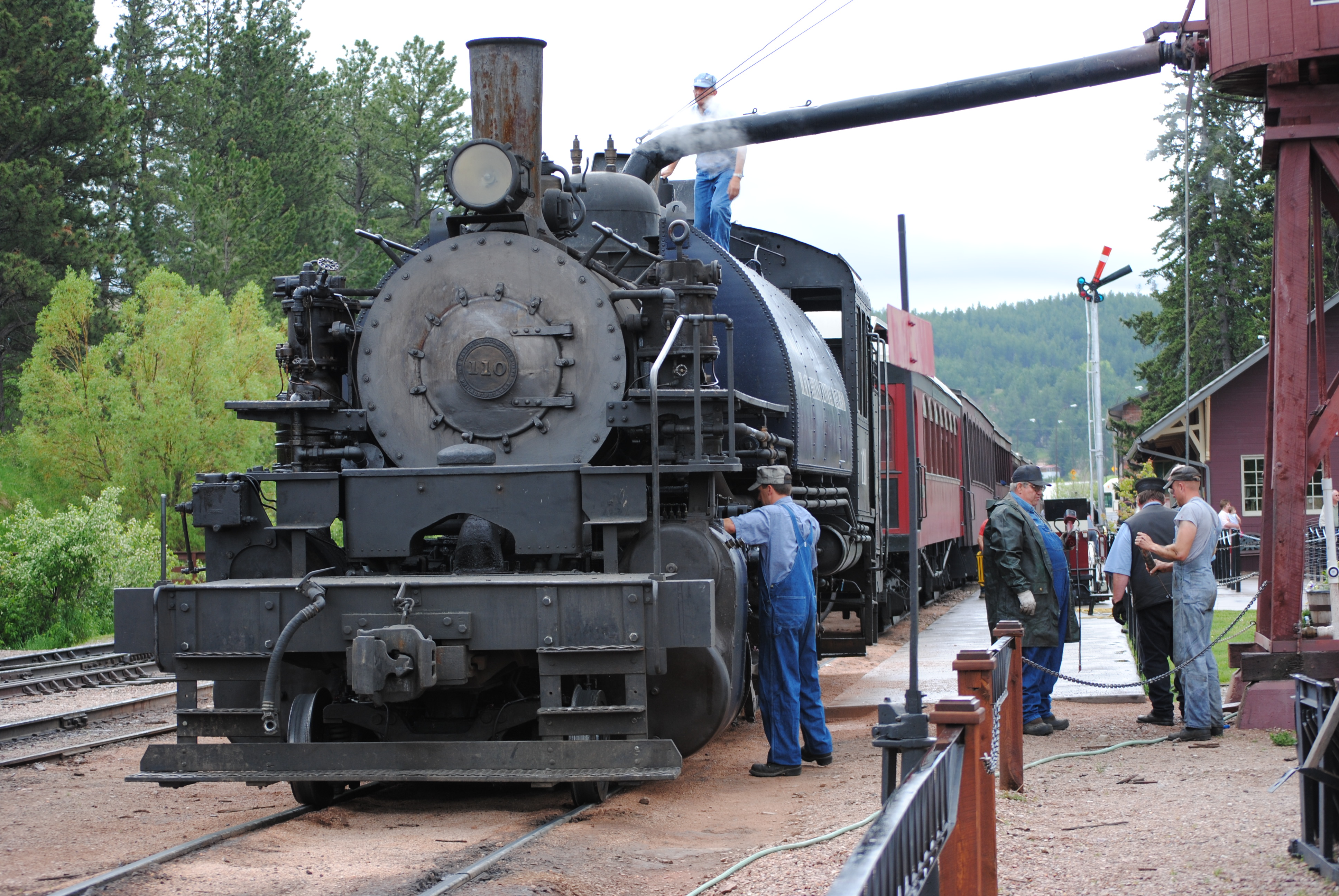
Filling up with water for steam- 1880 Train SD

I’ve also experienced the Grand Canyon Railway and several modern sightseeing trains, each with its own charm.
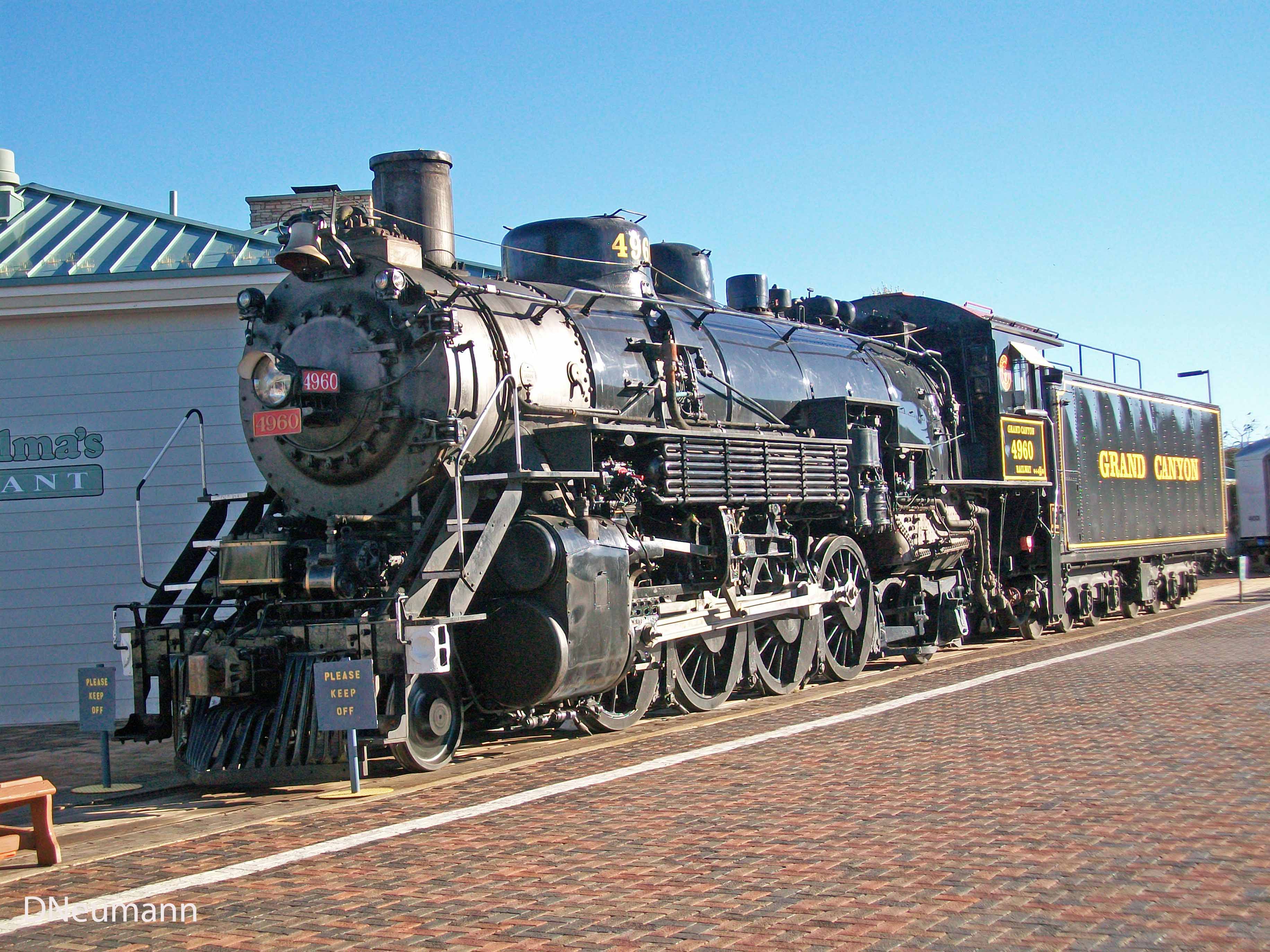
Grand Canyon R R

Why the Durango & Silverton Is Still Calling My Name
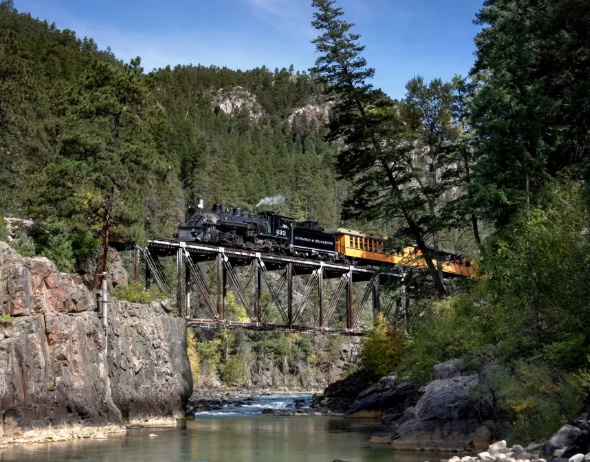
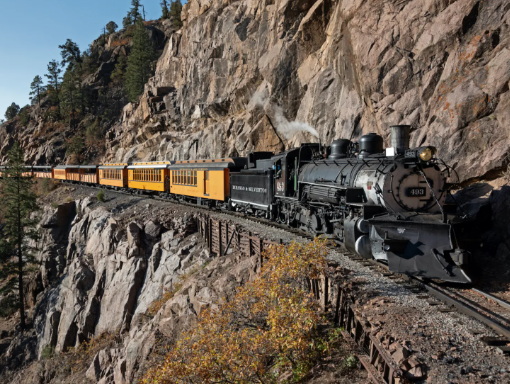
But the Durango & Silverton is in a league of its own. Durango was founded by the Denver & Rio Grande Railway in 1880, and the line to Silverton was completed just two years later. Originally built to haul silver and gold ore from the San Juan Mountains, the route quickly became beloved for something even more valuable: the views.

This historic steam train winds through rugged canyons, along cliff edges, and past forests where wildlife still thrives. Elk, mule deer, black bears, and bighorn sheep are all possibilities. And if the legends are true—maybe even something a little more mysterious.

Either way, the Durango & Silverton promises a scenic adventure worth waiting for. And next time, I won’t be five hours away.

Looking Ahead to the Next Adventure

Colorado didn’t unfold the way I expected, but sometimes the trips we don’t take end up shaping the ones we will. Missing the Durango & Silverton, battling altitude sickness, and stumbling into a possible Bigfoot mystery have all given me new reasons to return—this time with a clearer plan and a sense of curiosity leading the way. Whether I go for the history, the scenery, the wildlife, or the chance to glimpse something unexplained, I know the next journey will be worth the wait. Until then, I’ll keep dreaming, researching, and adding new pins to the map, because the adventure isn’t over. It’s just on pause.

Colorado: The Trip I Didn’t Expect (Part 1)


Reevaluating Travel After Retirement

I used to joke that I worked so I could travel. Then I got laid off, which quietly turned into retirement, and suddenly that old expression felt very real. These days my “trips” are mostly to the local grocery store.

But that hasn’t stopped me from dreaming. I still read, plan, and binge travel videos while I explore side hustles to support my travel habit.

Why Colorado Became My Last Big Trip

Colorado was the last real adventure I took as COVID wound down and life began to feel normal again. I’ll admit—it wasn’t one of my favorite trips. Even before I left, I struggled to choose which part of the state to visit. Colorado is huge, and the list of iconic destinations is overwhelming.

Colorado’s Endless List of Must‑See Attractions

From sweeping landscapes to historic sites, Colorado is packed with bucket‑list stops:

  • Rocky Mountain National Park
  • Pikes Peak
  • Garden of the Gods
  • Great Sand Dunes National Park
  • Royal Gorge Bridge, the world’s highest suspension bridge
  • Four Corners Monument, where Colorado, Utah, Arizona, and New Mexico meet
  • Mesa Verde National Park, high on my personal list

I even watched Josh Gates explore the Telluride region and retrace the steps of Butch Cassidy, which only added more destinations to my already long list.

Why I Ended Up in Breckenridge

Despite all those options, I landed in Breckenridge. And instead of hiking and exploring, I spent more time lying down than standing up. Altitude sickness hit me harder than expected and slowed me to a crawl.

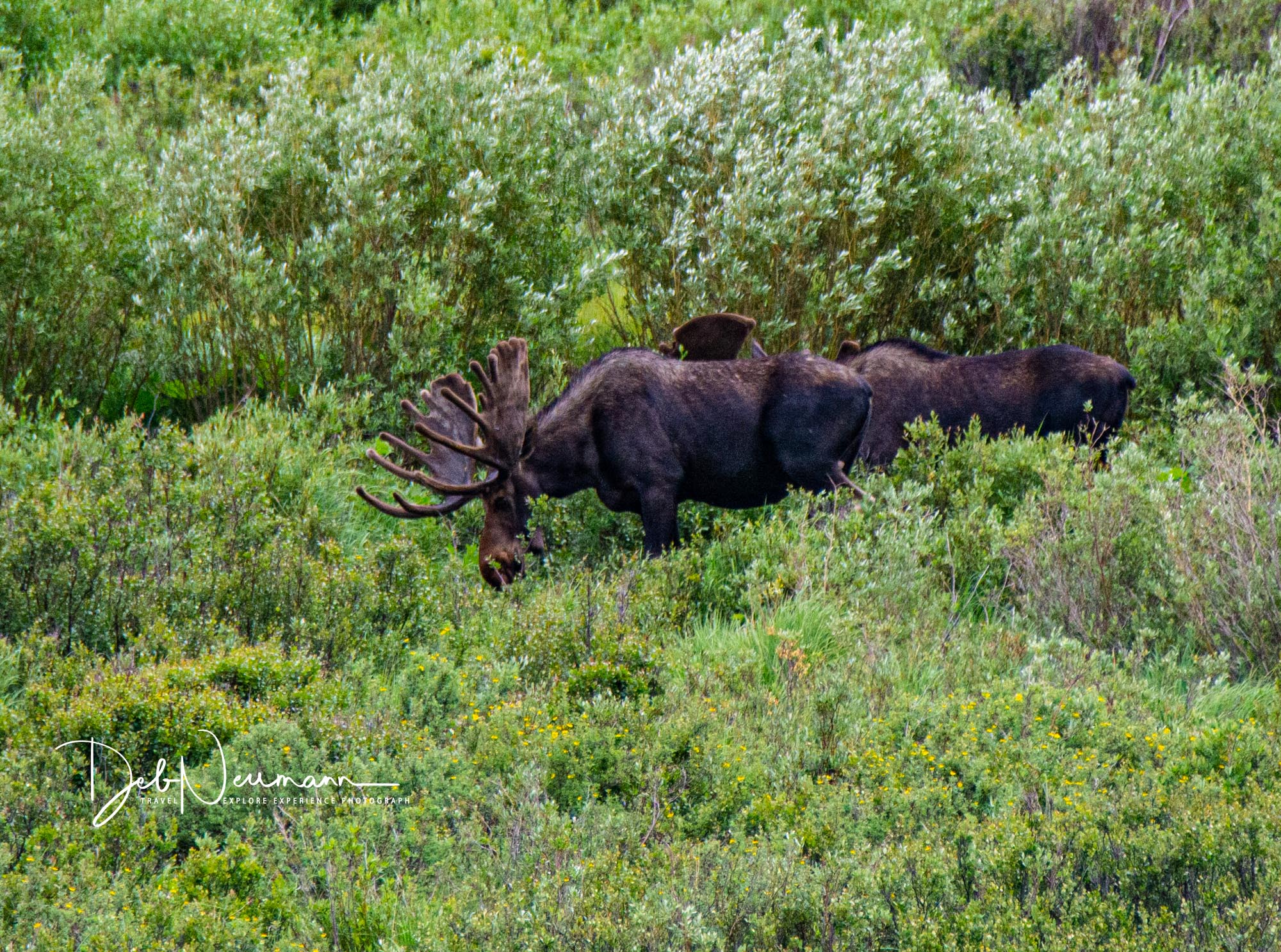
I searched for bighorn sheep with no luck, but I did spot a couple of moose—small victories count.

The Train Ride I Missed

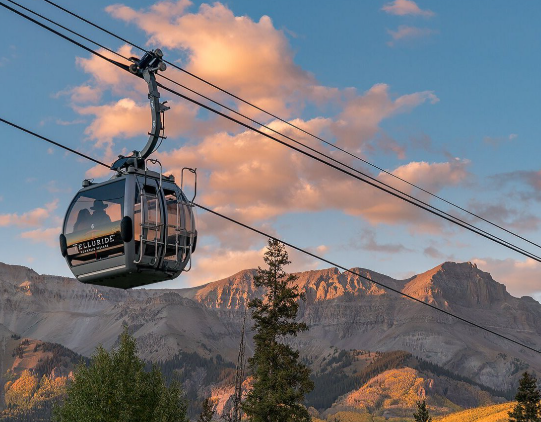
I managed to squeeze in a train ride, but not the one I really wanted: the iconic Durango & Silverton Narrow Gauge Railroad. That one is still on my list, and it’s going to play a big role in Part 2 of this story.

A Curious Colorado Mystery

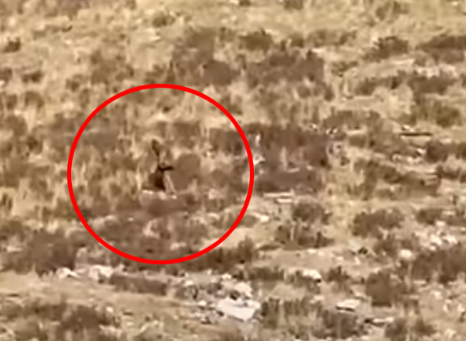
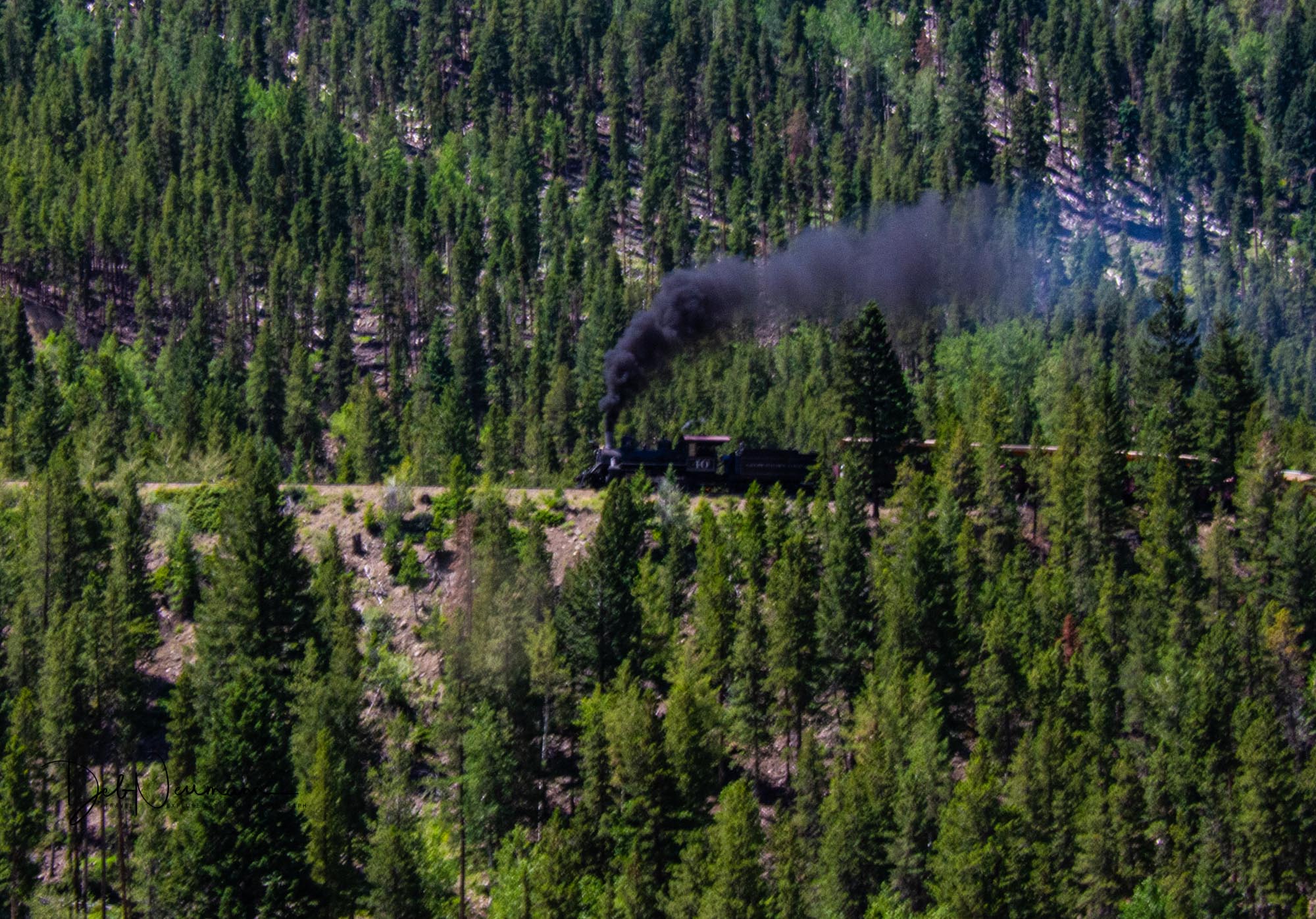
That train came back to mind recently when I saw a video clip making the rounds online. It appeared to show a huge, hairy figure striding across a hillside near the tracks. Whether it was a prank, a shadow, or something more mysterious… well, that’s a tale for the next post.


Colorado’s Big, Bold, and Slightly Baked Idea


A Wildlife Overpass for the Ages

A Mile‑High Solution to a Down‑to‑Earth Problem

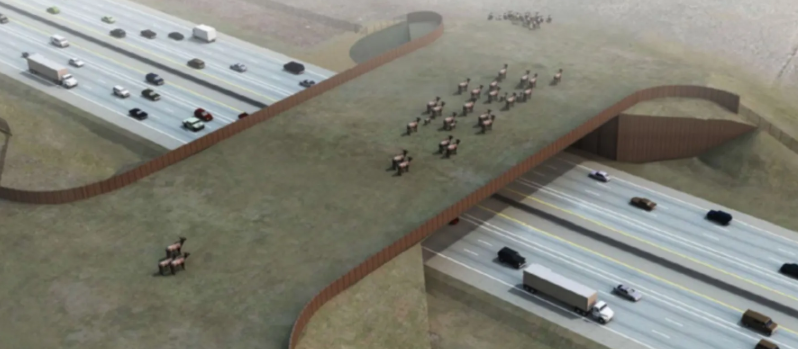
Yo, wildlife lovers—gather ‘round. Did you know that Colorado, the state where the air is thin, the mountains are tall, and the recreational marijuana is… well, very recreational, is building one of the world’s largest wildlife overpasses? Yes indeed. Leave it to Colorado to say, “Hey, what if we just let the elk do their thing—safely—and vibe their way across the interstate?”

Mama and Cubs

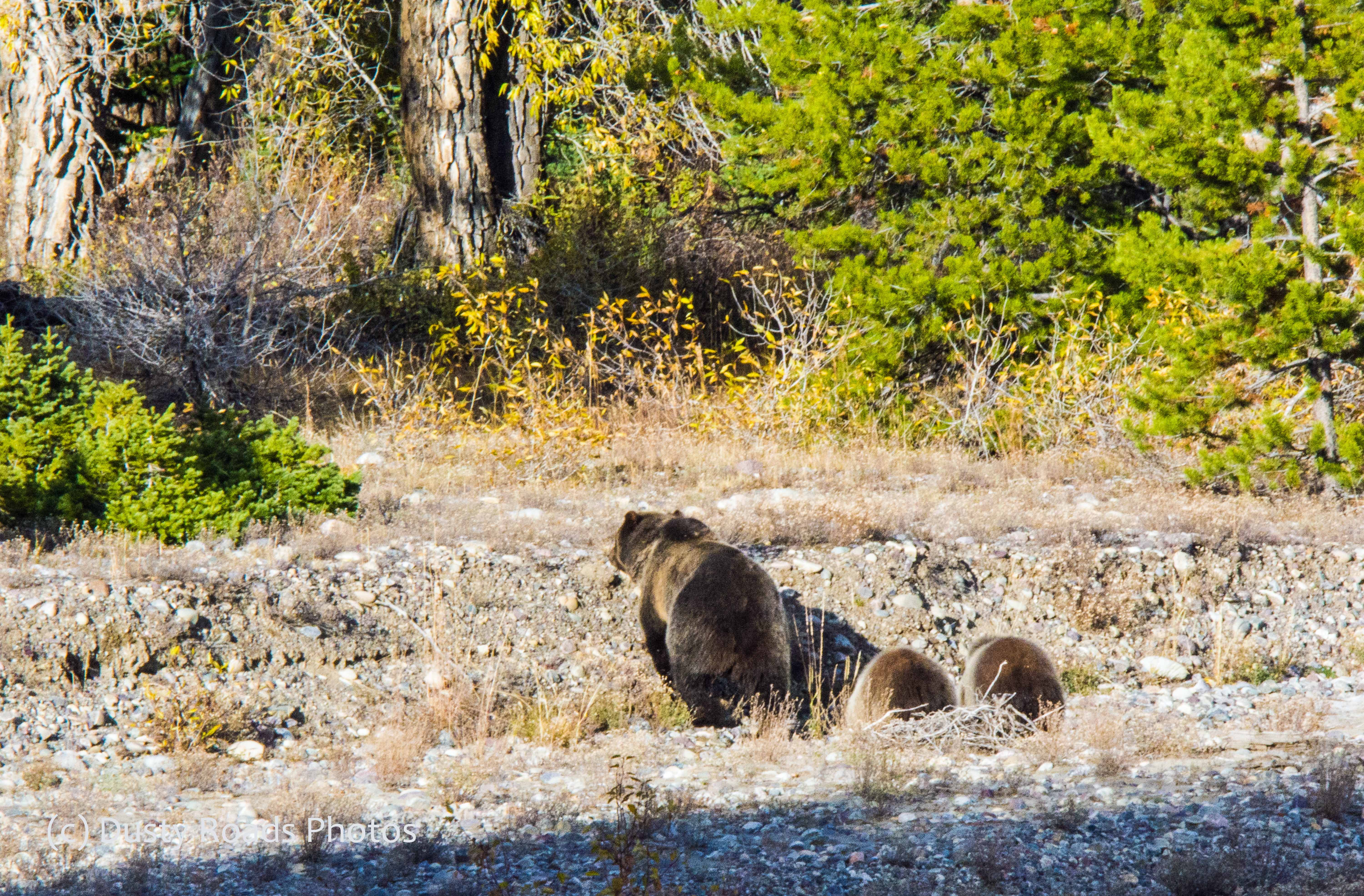
Grizzly 399 and cubs -Wyoming Photo Credit Deb Neumann

I first heard about wildlife crossings in Canada, where they’ve been quietly helping critters avoid becoming roadkill for years. Sometimes it’s a tunnel under a highway; sometimes it’s a lush, green overpass that looks like a national park decided to take a nap on top of a bridge. Either way, the goal is simple: stop the heartbreaking (and frankly messy) carnage we see on roads every year. From squashed squirrels to majestic elk and even bears—vehicle collisions take a toll. Grizzly 399 in Wyoming, a beloved icon, was tragically killed by a vehicle accident. These crossings matter.

The Biggest, Boldest Overpass Yet

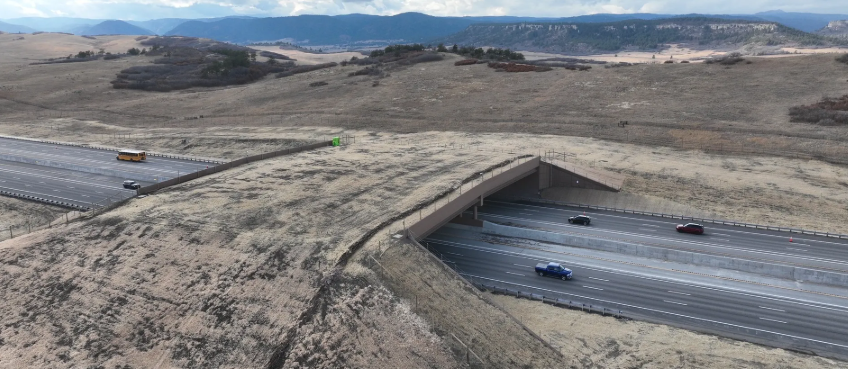
Colorado’s new wildlife overpass is being built across I‑25 near the Greenland interchange between Larkspur and Monument. And this isn’t just any overpass—this will be the world’s largest wildlife structure over a major roadway. Leave it to Colorado to go big or go home. Maybe it’s the altitude. Maybe it’s the edibles. Who’s to say.

This massive structure will span six full lanes of interstate traffic. Imagine elk strolling over rush hour like they’re on a scenic hiking trail while commuters below sip coffee and wonder why they didn’t choose a simpler life in the woods.

Why Overpasses Work (Especially for the Big Guys)

Before this system began construction, this stretch of I‑25 saw an average of one wildlife‑vehicle crash per day. One. Every. Day. The new crossing system—overpass plus underpasses—is expected to reduce those crashes by up to 90%.

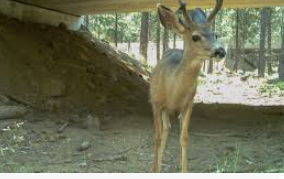
Smaller animals tend to use the tunnels, but elk and other large game? They’re not fans of enclosed spaces. Tunnels don’t accommodate their antlers, their line of sight, or their general “I need room to strut” energy. Overpasses, with open views and natural vegetation, are their preferred runway.

A Win for Wildlife and Drivers Alike

This project is a reminder that conservation doesn’t always require grand speeches or sweeping legislation. Sometimes it’s as simple—and brilliant—as giving animals a safe path home. Colorado’s leading the way, and honestly, I hope more states follow suit.

After all, if we can build bridges for people, why not build them for the creatures who were here long before the interstates arrived?


A Mustang Like No Other

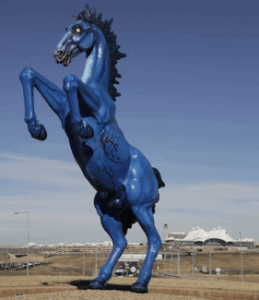
Returning to Arounddustyroads roots of travel stories and the approach of Halloween seems a good time to touch on the mysterious Blue Mustang of Denver International Airport. “Blue Mustang”—a towering sculpture steeped in tragedy, controversy, and conspiracy—has become one of the most iconic and unsettling landmarks in Colorado.


The Beast at the Gate: A Mustang Like No Other

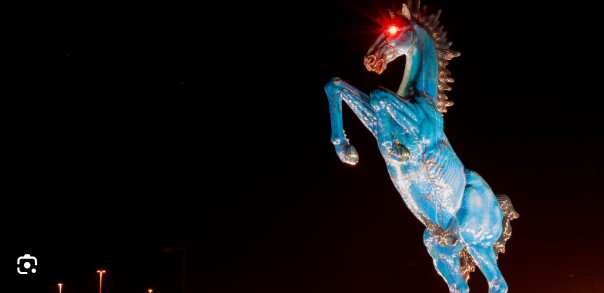
Standing 32 feet tall and weighing approximately 9,000 pounds, the cast-fiberglass sculpture known as Blue Mustang greets travelers along Peña Boulevard leading to Denver International Airport (DIA). Its electric-blue body and glowing red eyes have earned it the ominous nickname Blucifer, a moniker that reflects both its dramatic appearance and the dark tale behind its creation.

A Vision Cut Short: Luis Jiménez’s Final Work

Commissioned in 1992 as part of Denver’s public art initiative, artist Luis Jiménez envisioned the mustang as a tribute to the spirit of the American West. Drawing inspiration from his own Appaloosa stallion, Blackjack, Jiménez poured years of effort into the sculpture. Tragically, in 2006, a section of the statue broke loose during studio work and fatally severed an artery in his leg. After his death, the piece was completed by his family and fellow artists, including Camillo Nuñez and Richard LaVato, and finally installed in 2008.

Blucifer’s Glow and the Public’s Unease


The sculpture’s glowing red eyes—an homage to the neon signs crafted by Jiménez’s father—have fueled eerie interpretations. Some locals view the mustang as demonic or cursed, while others admire its bold presence and artistic merit. Despite initial backlash and calls for its removal, Blucifer has become a permanent fixture and a symbol of Denver’s unconventional approach to public art.

DIA: A Hotbed of Conspiracy

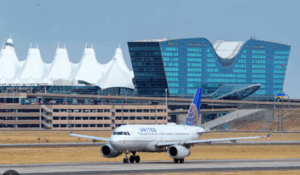
Denver International Airport itself is no stranger to mystery. Since its opening in 1995, DIA has been the subject of countless conspiracy theories. From alleged underground bunkers and secret societies to murals with supposed subliminal messages, the airport has inspired speculation about hidden agendas and paranormal activity. The mustang’s deadly backstory only adds fuel to the fire, with some theorists claiming it’s part of a larger narrative involving alien coordinates and apocalyptic symbolism.

A Legacy of Awe and Intrigue

Though born of tragedy and surrounded by controversy, Blue Mustang endures as a striking piece of public art. It stands not just as a gateway to Denver, but as a testament to Jiménez’s vision and the airport’s embrace of the bizarre. Whether seen as a protector of travelers or a harbinger of mystery, Blucifer continues to captivate and unsettle in equal measure.


Natural Wonders of the USA Part 12

Natural Wonders of the USA


So sorry I missed a couple of posts this week. We’ll get back on track with more Natural Wonders from the list today. Wednesday was my birthday. How old am I? Never ask a lady her age! Then the last docs for my taxes came in so I spent the rest of the time getting everything together for my tax guy. He’ll have fun this year…there was a severance payout, unemployment, and a cash out of my 401K all because of the layoff. He’ll earn his fee this year. 

But lets get back to the fun things. We are winding down on the Natural Wonders of the USA. In my last post we reached #41 that was South Carolina and  Congaree National Park.  9 more to go to make our 50 Wonders. So what’s next?

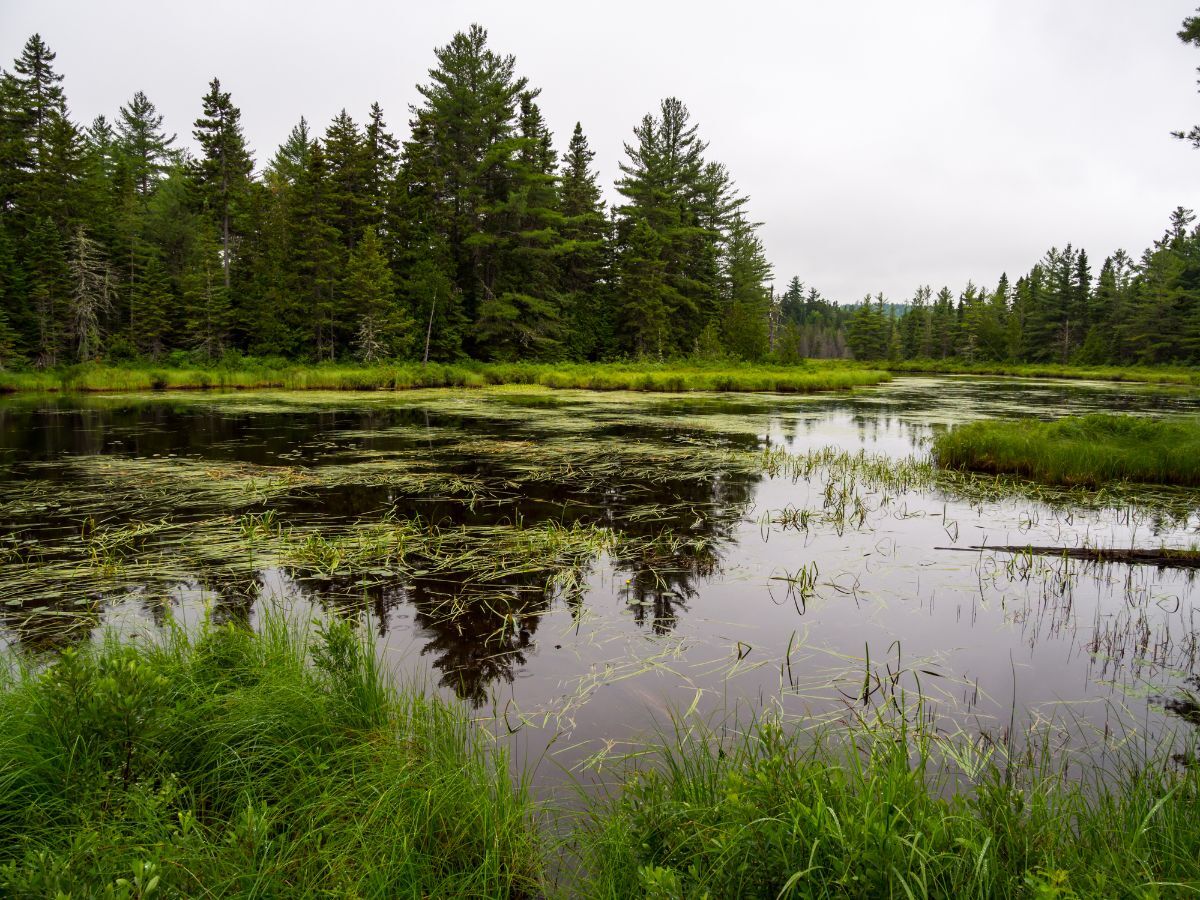
 #42 Minnesota – Big Bog State Recreation Area

That sounds real inviting.  What do you want to do for vacation? Lets go visit a big swamp but not the Everglades. Lets go north to the Big Bog! Big Bog has only been a designated area since 2002 so it’s kind of young. The area is comprised of wetlands with jackpine forests, nearby lakes and of course a big bog. The bog is about 500 square miles. There are approximately 300 species of birds, white-tailed deer, black bears, gray wolves and other animals. They don’t mention mosquitos but saying bog brings stinging insects to mind. Big Bog State Recreation Area has been called Minnesota’s last true wilderness.

The mystery of Big Bog | Columnists | ellsworthamerican.com

Photo Credit- Internet

#43 Colorado – Rocky Mountains

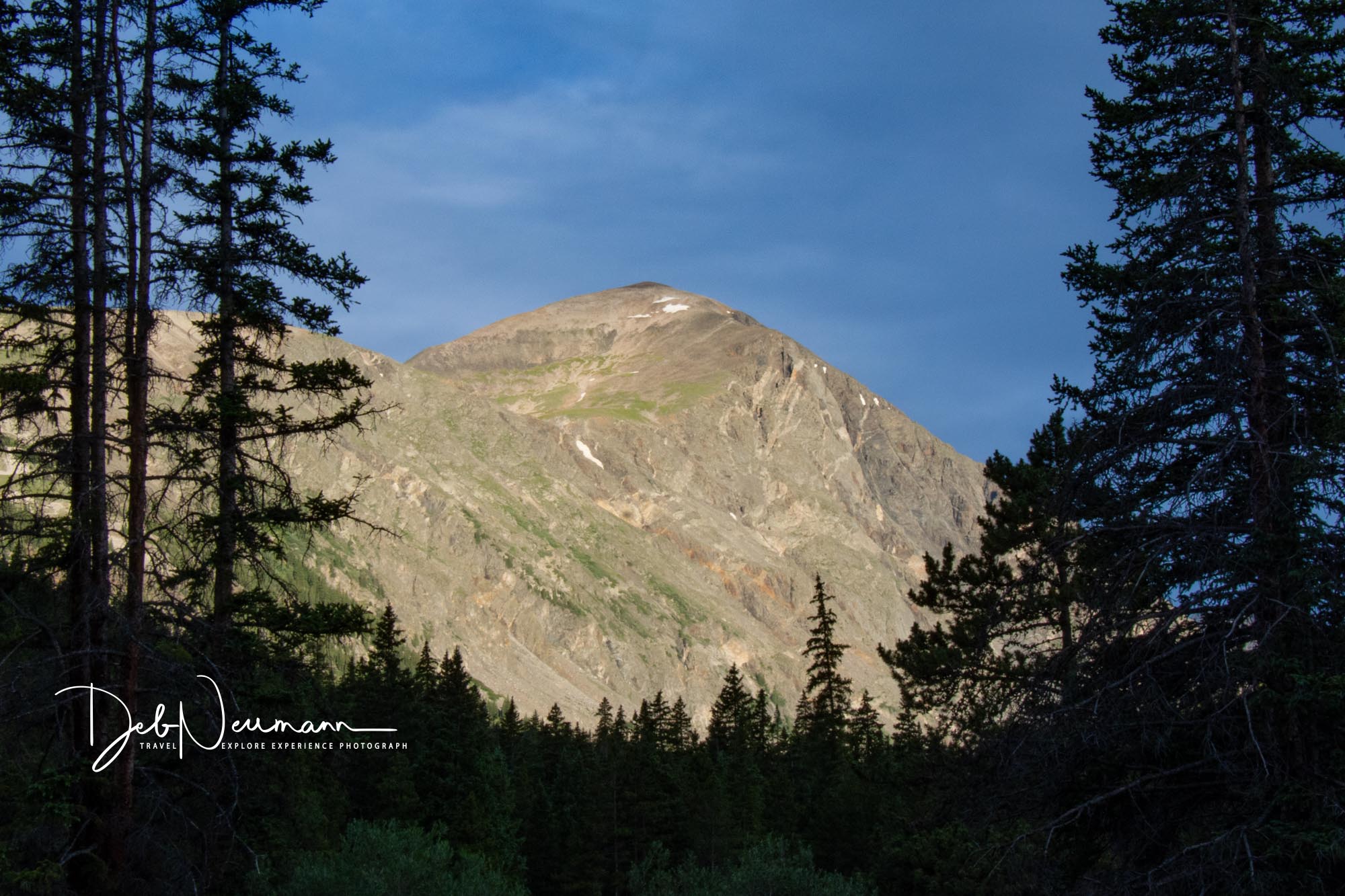
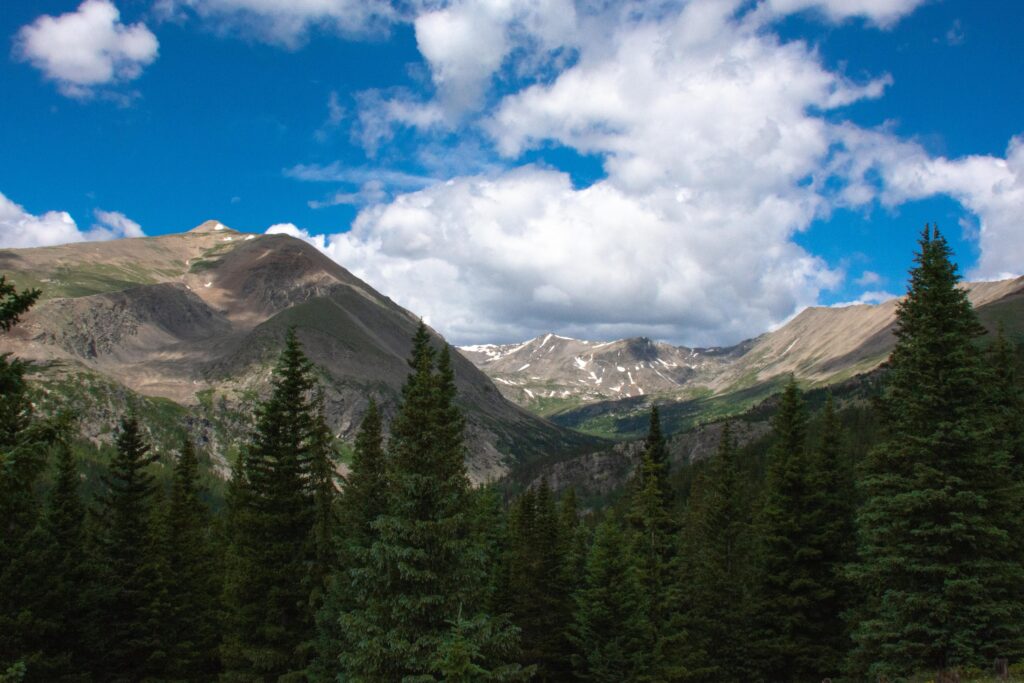
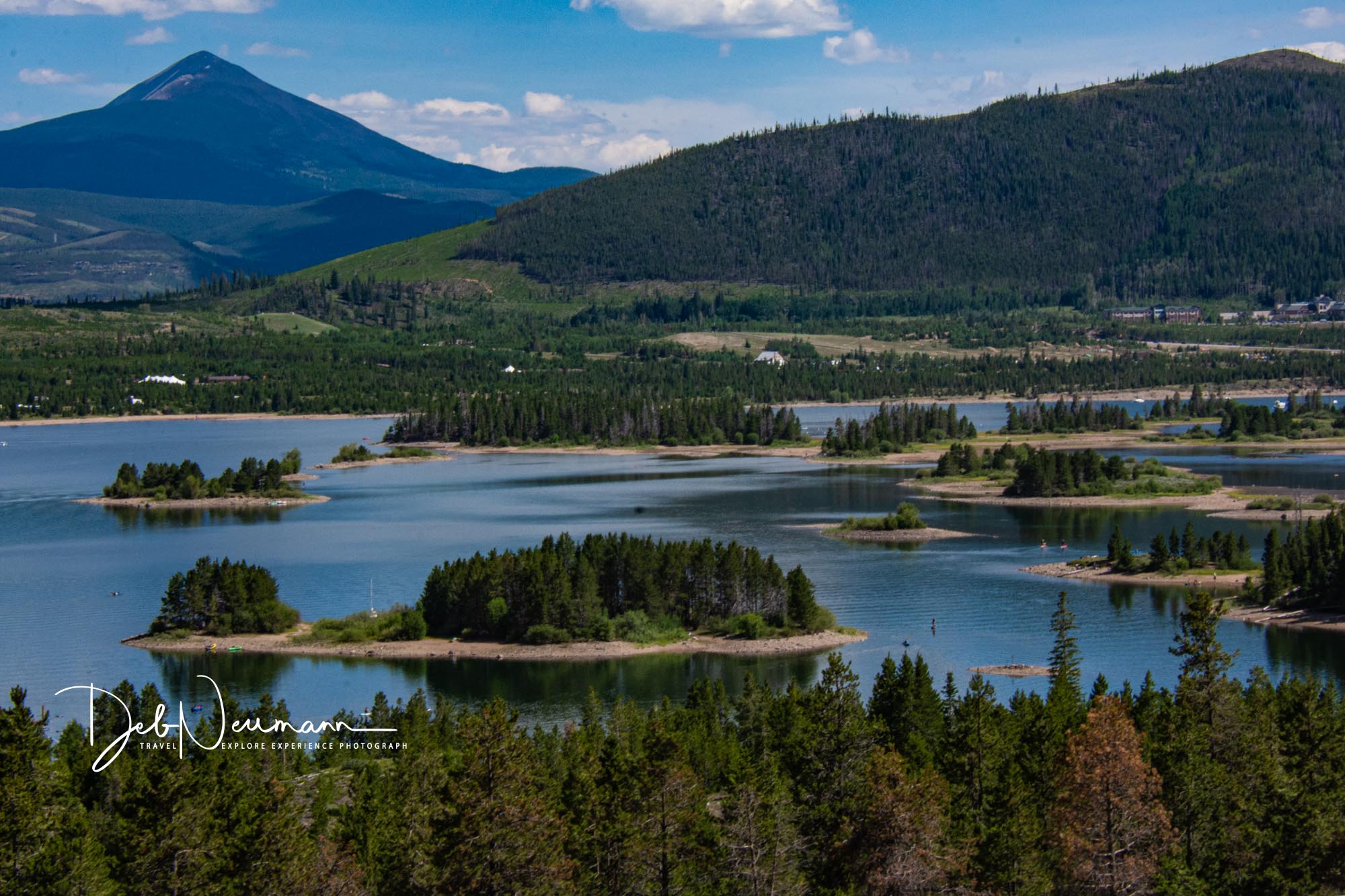
Oh my, The Rocky Mountains – Colorado. Been there. I stayed in the heart of the mountains in Breckenridge but I never got into the National Park. Admission to the park is by reservation and has to be booked in advance online. I tried everyday to get a reservation and was never able to get one. I asked locals about it and they said the reservation system never worked right. It was very disappointing. But this is what I know about the Rocky Mountains. John Denver sang wonderful songs about them. They take your breath away- literally- Beware of altitude sickness! The are beautiful and majestic. The Rocky Mountains are the biggest mountain range in the western United States. They stretch approximately 3,000 miles from northern part of British Columbia, all the way to New Mexico. 

Colorado 2022 – Photo Credit Deb Neumann

Rocky Mountains 2022- Photo Credit Deb Neumann


#44 – Wisconsin – Cave of the Mounds

I’ve been to Wisconsin but I was there for my brother’s retirement from the Navy. The ceremony was in Kenosha. It was a quick trip and I don’t remember much about the state. I definitely didn’t see the Cave of the Mounds. How many cave systems have we seen so far under Natural Wonders? What’s one more? This looks really pretty. This limestone cave is believed to have started forming around 488 million years ago when the earth was covered in shallow seas

Cave of the Mounds | Cave of the Mounds, Dane County, Wiscon… | Peter Gorman | Flickr

Photo credit- Peter Gorman/Flickr

Well folks, that’s it for this post. Only 6 more states to check out. Back soon!