The Rubber Ducks That Went Around the World

How a Lost Cargo Became a Scientific Treasure Map

Every so often, the ocean hands us a story so strange and delightful that it sounds like fiction. The Great Rubber Duck Spill of 1992 is one of those tales — a mix of accident, adventure, and unexpected scientific discovery.

A Storm, a Ship, and 28,800 Floating Toys

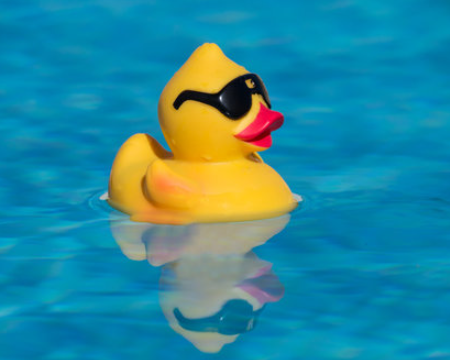
On January 10, 1992, the cargo ship Ever Laurel was crossing the North Pacific when it hit a powerful storm. Twelve containers went overboard, and one of them burst open, releasing 28,800 plastic bath toys into the sea. These weren’t just yellow ducks — the shipment included blue turtles, green frogs, and red beavers.
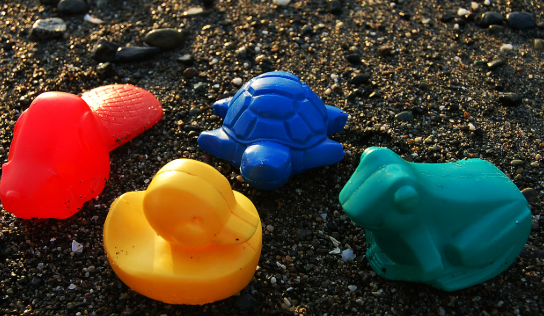
 

Because the toys had no holes, they didn’t sink. Instead, they bobbed along the surface, ready to drift wherever the currents carried them.

Why Scientists Paid Attention

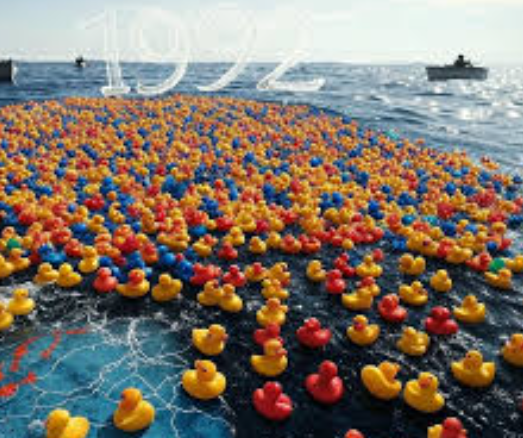
Oceanographers quickly realized this spill was more than a quirky headline. It was a rare, real‑world experiment: thousands of identical floating objects released at a single point in the ocean. By tracking where the toys washed ashore, scientists could trace the movement of surface currents with surprising accuracy.

The toys became bright, plastic breadcrumbs that revealed how water circulates across the globe — especially in the vast, looping systems known as gyres.
 

What Exactly Is a Gyre?

A gyre is a massive, slow‑moving swirl of ocean currents, often spanning thousands of miles. Picture a gentle, continent‑sized whirlpool created by wind, Earth’s rotation, and the shape of the ocean basins. The Pacific has several major gyres, and many of the toys became trapped in these loops, circling for years before escaping or freezing into Arctic ice.

A Legacy Still Washing Ashore

Over the decades, sun‑bleached ducks and their colorful companions have appeared in Alaska, Hawaii, Japan, New England, and even the shores of the UK. Each one is a tiny reminder of how connected our oceans truly are — and how far a little plastic traveler can roam.

If you ever spot a weathered duck on a distant beach, you might just be meeting one of the world’s most famous accidental explorers.

When Fiction Predicts Reality


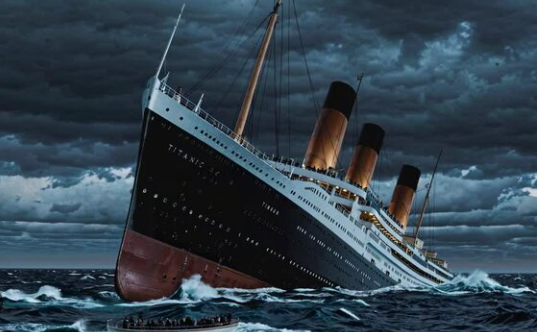
The Eerie Tale of the Titan and the Titanic

Every now and then, history hands us a story so uncanny, so goosebump‑worthy, that you have to stop and say, Wait… what? The strange parallels between a fictional ship called the Titan and the very real Titanic fall squarely into that category. This isn’t just a fun coincidence — it’s the kind of tale that makes you glance over your shoulder and wonder what else fiction has accidentally whispered into the future.

A Novel That Hit Too Close to Home

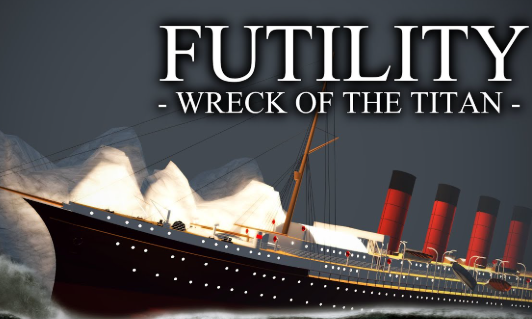
Back in 1898, long before the Titanic was even a blueprint, author Morgan Robertson wrote a novella titled Futility. His story centered around a massive luxury ocean liner named — you guessed it — the Titan. It was marketed as unsinkable, packed with wealthy passengers, and built with cutting‑edge engineering confidence.

Then Robertson sank it.

In his story, the Titan strikes an iceberg in the North Atlantic, lacks enough lifeboats, and goes down in a chilling maritime disaster.

Fast‑forward fourteen years, and reality delivered a nearly identical tragedy. The Titanic — also deemed unsinkable, also short on lifeboats, also colliding with an iceberg in the North Atlantic — met the same fate.

That’s the moment where most people pause and say, “Okay, that’s weird.”

Coincidence… or Something More?

Robertson wasn’t a shipbuilder. He wasn’t a psychic. He was a writer crafting a cautionary tale about human arrogance and the dangers of believing our own hype. Yet somehow, he captured details that would later unfold with eerie precision:

  • Similar size
  • Similar speed
  • Similar passenger capacity
  • Similar disaster
  • Similar cause

Some readers insist he tapped into a collective unconscious — that mysterious creative well where ideas bubble up before the world is ready for them. Others say he simply paid attention to the trends of his time and made an educated guess.

Either way, the result is one of literature’s most unsettling coincidences.

Why Stories Like This Stick With Us

Maybe it’s because we love a good mystery. Maybe it’s because we’re fascinated by the thin line between imagination and reality. Or maybe it’s because stories like this remind us that even our grandest creations — whether fictional or steel‑and‑riveted — are never as invincible as we want them to be.

Whatever the reason, the Titan and Titanic connection remains one of those “oh wow” moments in history that keeps us wondering… what else has fiction already predicted?


The Day Nixon Protected the Wild


How December 28 Changed Our Natural World

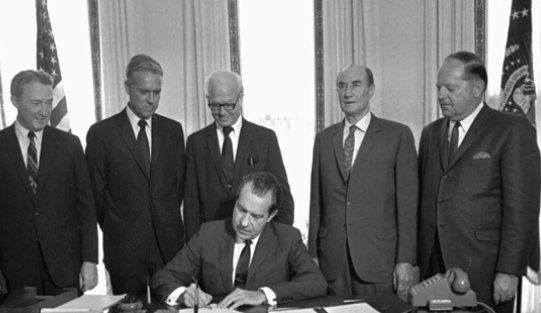
Every so often, history hands us a moment that reshapes the way we care for the planet. December 28, 1973, was one of those days. On that winter afternoon, President Richard Nixon signed the Endangered Species Act (ESA) into law—an act that would become one of the strongest environmental protections in the world. And yes, it came from a president whose legacy is… complicated.

A Notorious Presidency: Why Nixon’s Name Still Echoes

Richard Nixon remains one of the most talked‑about presidents in American history. His administration was marked by the Watergate scandal, a political crisis that led to investigations, resignations, and ultimately his own resignation from office. The phrase “I am not a crook,” which he famously said in response to allegations, became a cultural shorthand for political scandal and mistrust.

Yet even amid controversy, Nixon’s presidency produced a surprising wave of environmental action. Under his administration, the Environmental Protection Agency (EPA) was created, and several landmark environmental laws—including the ESA—were signed. History is rarely tidy, and Nixon’s environmental legacy is a reminder of that.

What Exactly Is the Endangered Species Act?

The Endangered Species Act was designed to protect plants and animals at risk of extinction. It does three major things:

  • Identifies species that are endangered or threatened
  • Protects their habitats, preventing destruction or harmful development
  • Creates recovery plans to help species rebound

It’s not just a list—it’s a commitment. The ESA requires federal agencies to consider the impact of their actions on vulnerable species, making it one of the most powerful conservation tools ever created.

How the ESA Shapes Our World Today

The effects of the ESA ripple far beyond the forests and oceans. It influences how we build, farm, fish, and even how we plan communities. More importantly, it has helped pull dozens of species back from the brink, including:

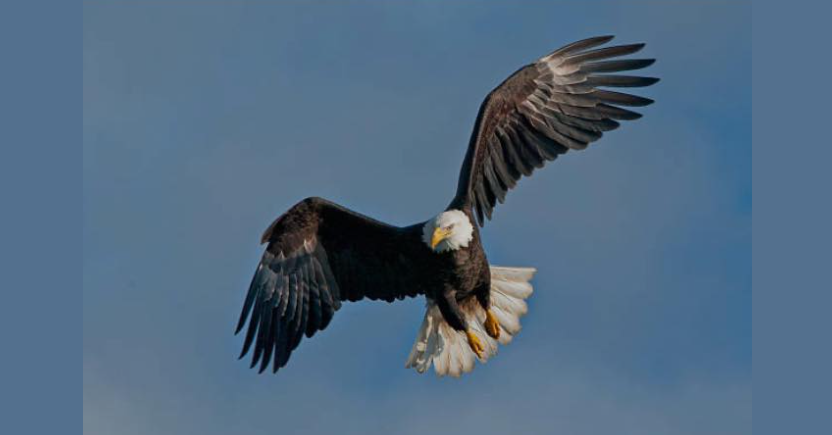
  • The bald eagle
  • The American alligator
  • The peregrine falcon
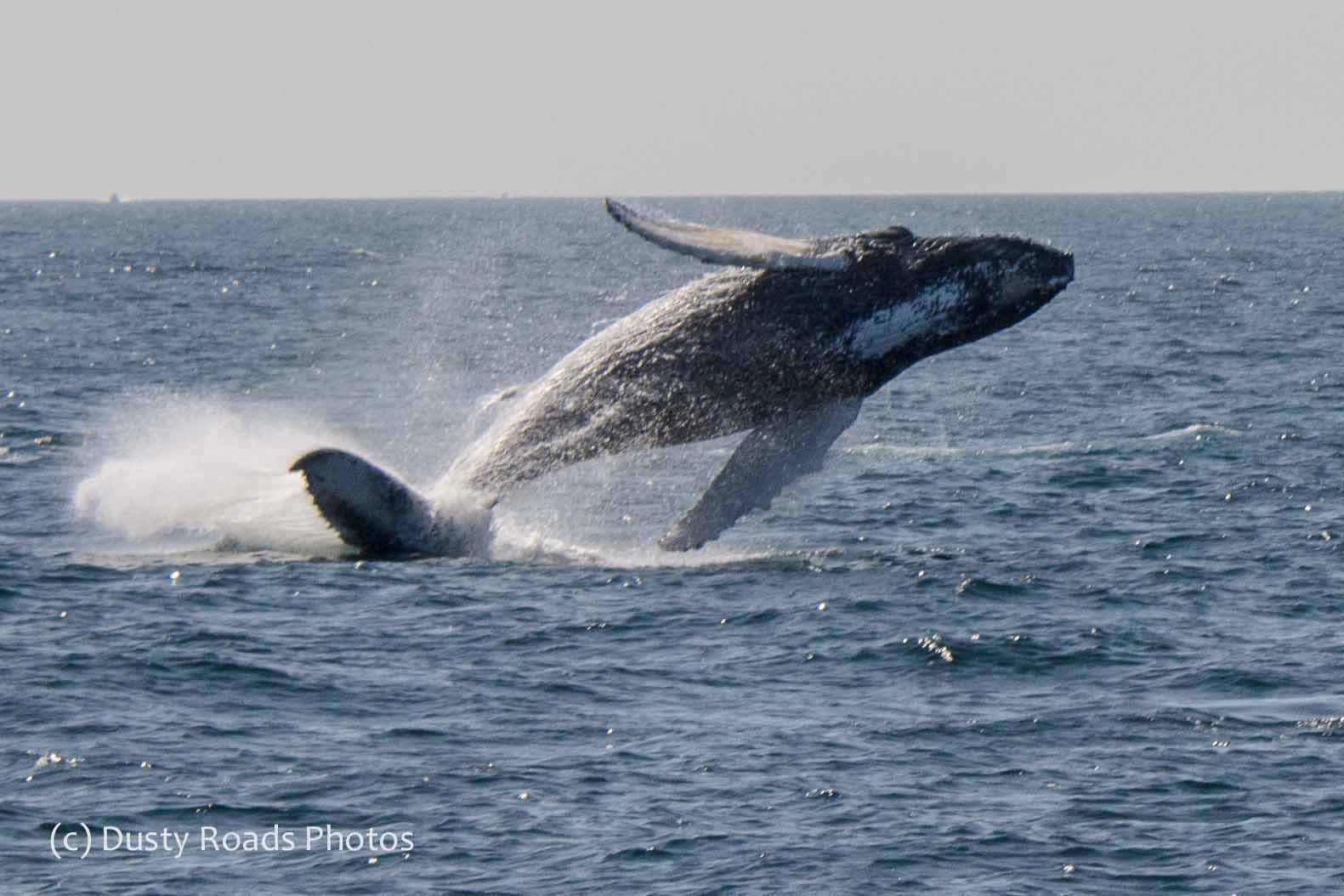
  • The humpback whale *

Breaching Whale

These aren’t just animals—they’re symbols of resilience.

For us, the ESA protects biodiversity, which in turn supports healthy ecosystems. Those ecosystems give us clean water, stable soil, pollinators for our crops, and the natural beauty that inspires so much of our storytelling here on Around Dusty Roads.

Why This Moment Still Matters

In a world where climate change and habitat loss continue to threaten wildlife, the ESA stands as a reminder that policy can be a force for good. Nixon’s signature on that December day helped safeguard the natural heritage we pass on to future generations.

It’s a story of contradiction, hope, and the unexpected ways history shapes our world. And it’s a reminder that even in turbulent times, meaningful progress can take root.

Closing Thoughts

Today, the Endangered Species Act still stands as one of the most powerful conservation tools we have—but it’s not without new challenges. The current administration has proposed regulatory changes that many scientists and environmental groups warn could weaken key protections the ESA has relied on for decades. As these debates unfold, the future of wildlife conservation hangs in the balance. In our next post, we’ll take a closer look at the specific efforts underway to revise or roll back parts of the ESA, and what those changes could mean for the species that depend on it.

PS*: We need More Success Stories Like this

“Think before you speak: 4 common phrases with surprisingly dark origins”?

🎄 A Word (or Phrase) of Caution

In this season of joy and celebration, it feels right to pause and think about the words we toss around. Language is powerful — sometimes more than we realize. A few everyday expressions carry histories that aren’t as harmless as they sound.

🥤 “Drink the Kool-Aid”

We’ve all heard it: “They really drank the Kool-Aid.” Today it’s shorthand for blind loyalty or swallowing rhetoric without question. But the phrase traces back to the Jonestown tragedy in 1978, when over 900 members of the Peoples Temple died after drinking cyanide-laced Kool-Aid. That’s a heartbreaking origin — not exactly the stuff of punchlines or pep-rally slogans.

🚤 “Sold Down the River”

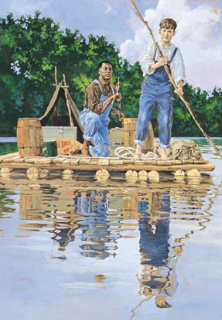
This one sounds almost adventurous, but its roots are devastating. The phrase comes from enslaved people being literally sold down the Mississippi River to harsher conditions on Southern plantations. What we now use to mean “betrayed” began with broken families and lives under slavery.

👴 “Grandfather Clause”

We often use this to mean a friendly exception — like when someone gets to keep an old perk after rules change. But in the late 1800s, “grandfather clauses” were legal tricks designed to block emancipated Black Americans from voting. What sounds casual today was once a tool of exclusion.

🥜 “Peanut Gallery”

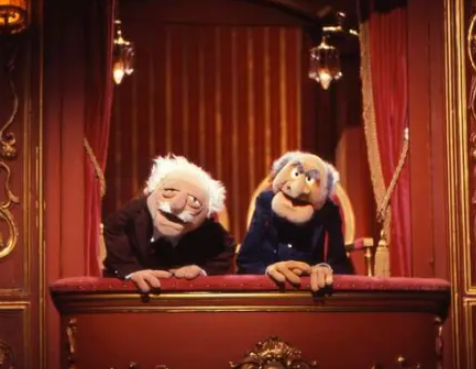
It sounds playful, right? But the “peanut gallery” was the cheap seats in theaters, where patrons threw peanuts at performers. Over time, it became shorthand for hecklers or unwanted commentary — and carried undertones of class and racial exclusion. (Sorry, Howdy Doody, but that catchphrase has baggage!)


✨ Wrapping It Up

Like me, you’ve probably used these phrases without thinking twice. That’s the point — we don’t always know the stories behind our words. But once we do, it’s worth pausing before we repeat them. Some sayings aren’t as harmless as they seem, and choosing better words is one small way to spread kindness.

I’d love to hear what you think: have you ever caught yourself using a phrase with a surprising backstory? Can you think of other expressions we toss around that might deserve a second look? Share your thoughts — let’s keep the conversation going.


Holiday Feasts of Yesteryear


🎄 When Peacock Was the Turkey

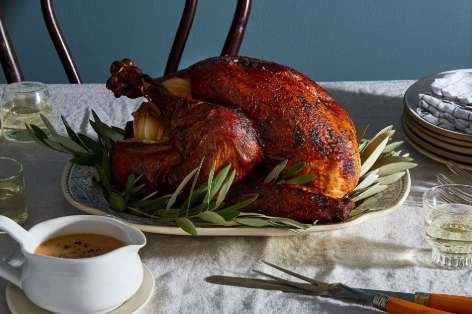
Ah, the holidays. Today we gather around golden turkeys, honey-glazed hams, and pumpkin pies. But if you think your great-aunt’s fruitcake is the strangest thing to hit the holiday table, history begs to differ. Let’s take a stroll down the dusty roads of festive feasts past—where the menu was equal parts impressive, bizarre, and slightly terrifying.

🦚 Turkey’s Flashy Cousin: The Roasted Peacock

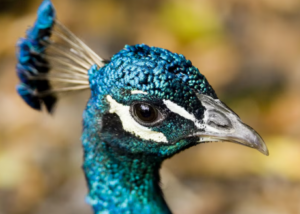
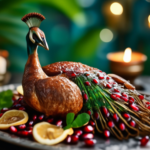
Forget the humble turkey. Medieval nobles wanted something with flair—literally. Enter the roasted peacock, served with its dazzling feathers reattached after cooking. Imagine carving into your holiday bird while it stares back at you in full technicolor glory. Talk about dinner with a side of intimidation.

🐑 Scandinavian Smalahove: Sheep’s Head Supper

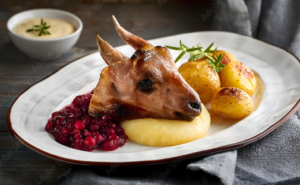
Meanwhile, in Norway, Christmas meant Smalahove—a sheep’s head, boiled or smoked, served with potatoes. Yes, the whole head. Cheeks were considered the delicacy, while the eyes were… well, let’s just say they were reserved for the bravest at the table. Forget “who gets the drumstick”—this was more like “who dares take the eyeball.”

🍲 Plum Broth: Sweet Meets Savory

If you thought mixing cranberry sauce with gravy was bold, meet plum broth, a 17th–18th century concoction. The recipe called for a leg of beef and a slice of mutton boiled together with prunes and spices. The result? A dish that was part soup, part dessert, and entirely confusing. Imagine sipping beefy prune juice by the fire while carolers sing outside.

🎁 What We Can Learn

Holiday feasts of the past remind us that tradition is always evolving. What seems normal today—turkey, stuffing, mashed potatoes—might look downright tame compared to roasted peacock or sheep’s head. And who knows? Maybe in 200 years, people will laugh at our obsession with pumpkin spice.

So this season, when you’re staring down a plate of fruitcake, remember: it could be worse. It could be prune-flavored beef broth.