From Dusty Roads to Sacred Waters: Remembering Pearl Harbor


Standing in Silence: My Visit to Pearl Harbor
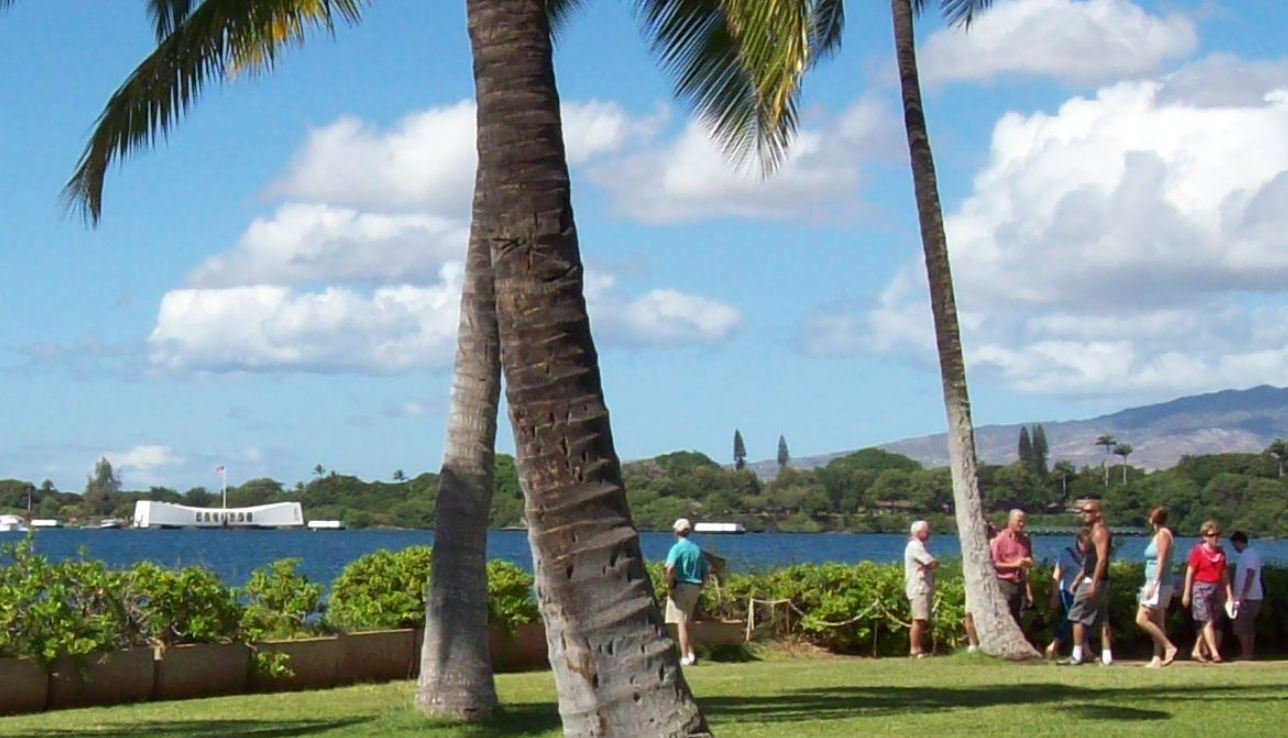
Photo Credit Deb Neumann

A Journey Beyond History

When I stepped onto the grounds of Pearl Harbor, I thought I knew the story. I had read the dates, the numbers, the accounts of December 7, 1941. But history on a page is different from standing in the place where it happened. The air felt heavy, as if it carried the echoes of that morning when the world changed forever.

The Arizona Memorial Experience

Visiting the USS Arizona Memorial was unlike anything I’ve ever felt. The structure itself is simple, white and graceful, resting above the sunken battleship. Yet the emotions it stirs are anything but simple. Looking down at the quiet waters, knowing that more than a thousand sailors still rest below, I felt a silence that spoke louder than words. It was not just sadness—it was reverence, a deep awareness that this place holds both grief and honor.
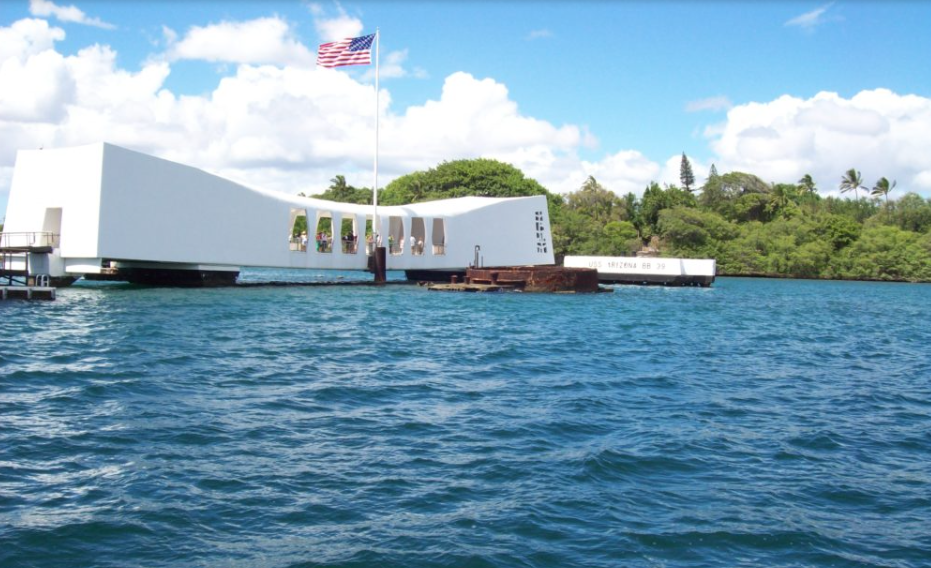
Photo credit Deb Neumann

AP photo Twin Towers, NYC

Memory Across Generations

As I stood there, I thought about how many in today’s generation don’t carry personal memories of Pearl Harbor. For them, it is history class, not lived experience. In that way, it reminded me of how 9/11 shaped my own generation—an event that defined us, just as Pearl Harbor defined those before us. Both moments remind us that tragedy can strike suddenly, but resilience rises just as quickly.

A Lasting Impression

I cannot fully explain what the memorial gave me, only that it will stay with me forever. It is a reminder that freedom is fragile, that sacrifice is real, and that remembrance is essential. Pearl Harbor is not just about the past—it is about carrying forward the lessons of unity and courage.

Passing It On

For those who have never been, I encourage you to visit if you can. Stand in that silence. Feel the weight of history. And then carry it with you, so the stories of Pearl Harbor are never forgotten.

Around Dusty Roads

Travel has a way of leaving footprints on our hearts. Some roads lead us to joy, others to reflection, and some—like the path to Pearl Harbor—remind us of the sacrifices that shaped the world we walk today. Around Dusty Roads is about more than destinations; it is about the meaning we find along the way. Pearl Harbor is one of those places where history and humanity meet, and where the journey becomes part of who we are.
 

Legendary Beasts


🐉 Whispers in the Wild:  Legendary Beasts That Might Have Been Real

Every legend starts with a whisper—something glimpsed in the shadows, heard in the distance, or passed down around a fire. As someone who finds magic in the rustle of leaves and the flick of a cat’s tail, I’ve always been drawn to the creatures that blur the line between myth and reality.

So when I stumbled across a story about 13 legendary beasts that might have been real, I was hooked. These aren’t just bedtime stories—they’re echoes of something deeper. Something wild. Something possible.

Let’s take a walk through the misty woods of folklore and science, where imagination meets evidence with 7 of the 13 legendary monsters.


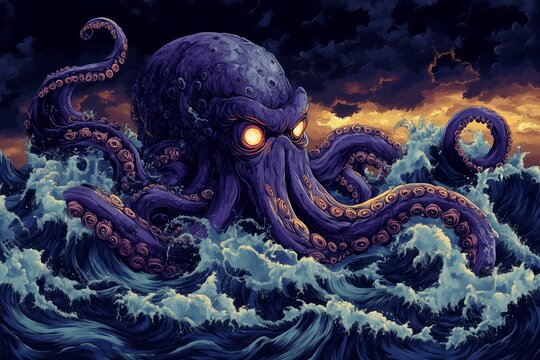
🦑 1. The Kraken

Sailors once spoke of a sea monster so massive it could drag entire ships beneath the waves. Today, we know of the giant squid—elusive, real, and up to 43 feet long. It’s easy to see how a rare encounter could birth a legend.

Kraken Sea Images – Browse 24,416 Stock Photos, Vectors, and ...

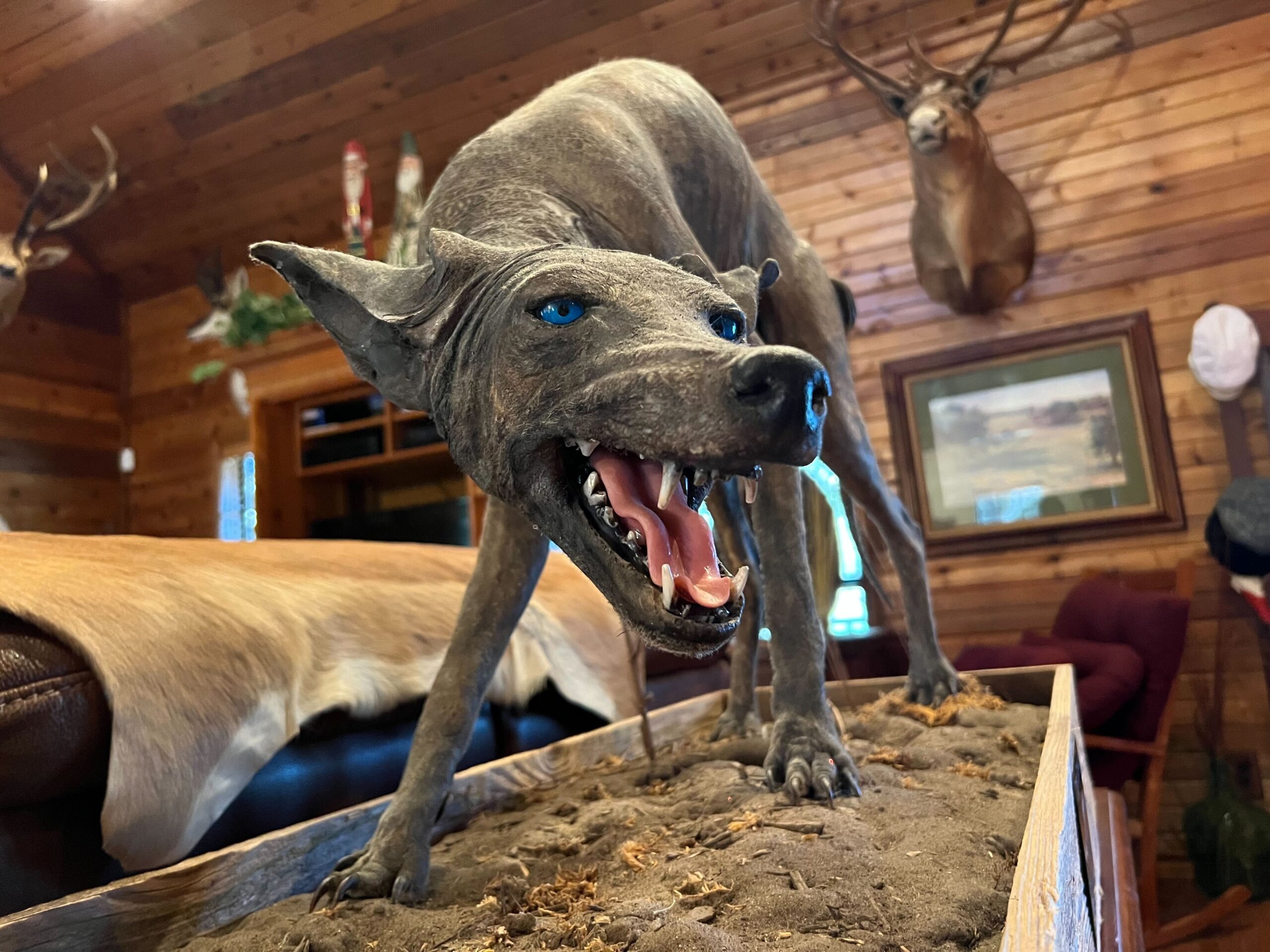
🐺 2. The Chupacabra

This blood-sucking creature of Latin American lore may actually be coyotes or dogs suffering from mange. Hairless, gaunt, and nocturnal, they’re eerie enough to spark stories of monsters in the moonlight.

🐾 3. Bigfoot

From the Pacific Northwest to the forests of Massachusetts, tales of a towering, ape-like creature persist. Whether it’s a misidentified bear or something more, the mystery keeps hikers glancing over their shoulders.

🐍 4. The Loch Ness Monster

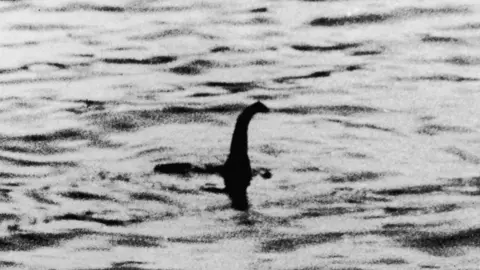
Nessie’s long neck and aquatic grace have been compared to ancient marine reptiles like plesiosaurs. While no fossil has surfaced in Loch Ness, sonar blips and blurry photos keep the legend alive.

Loch Ness Monster may be a giant eel, say scientists

🦋 5. Mothman

With glowing red eyes and wings like a cloak, the Mothman haunted Point Pleasant, West Virginia. Some say it was a sandhill crane out of place. Others believe it was a warning of disaster. Either way, it’s become a symbol of eerie intuition.

⚡ 6. Thunderbird

In Native American lore, the Thunderbird is a sky-spanning creature that brings storms. Could it have been inspired by sightings of massive birds like the extinct teratorn? Or is it something more spiritual—an embodiment of nature’s power?

The Giant Thunderbird Returns

🐾 7. The Yeti

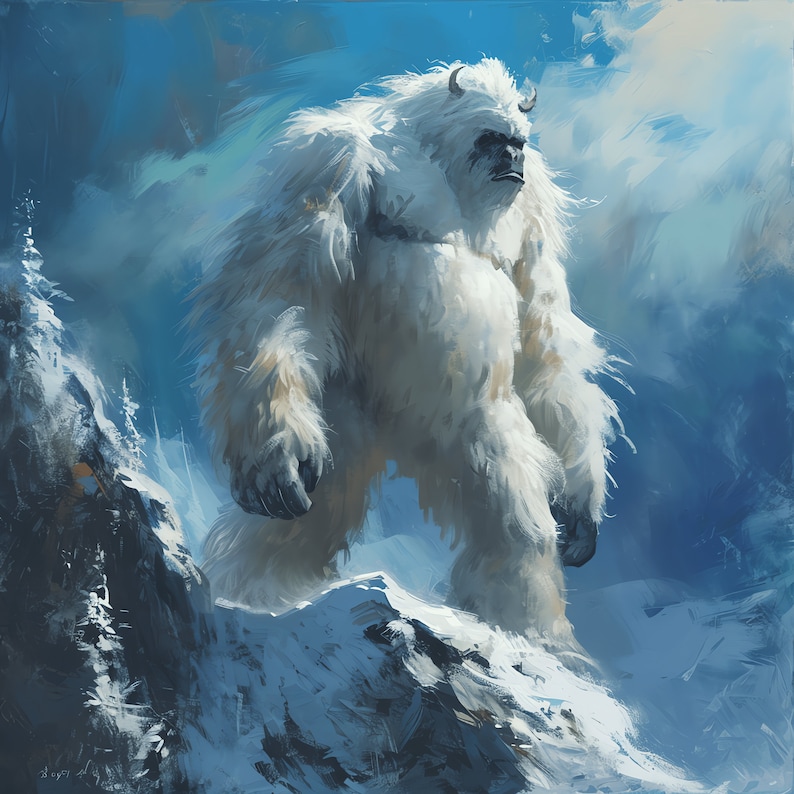
High in the Himalayas, the Yeti—also known as the Abominable Snowman—has left behind footprints and fear. Some scientists suggest it’s a bear. Others aren’t so sure.

Abominable Snowman PNG Clipart Bundle - 44 High Quality PNG - Instant Download - Calendar Card Mug Tumbler Sublimation Design PNG


🌲 Why These Stories Matter

Whether rooted in biology, misidentification, or pure imagination, these creatures, in the end, remind us of something essential: the world is still full of wonder. Even in our age of satellite maps and DNA tests, there are mysteries that resist explanation.

And maybe that’s the point.

I sit in my cozy corner in Taunton, my cats curled nearby, listening to the wind rustle the trees. Nature keeps her secrets close, and I feel her quiet magic. Sometimes, she invites us to believe.


🧭 Explore the Wild Side

If you’re as enchanted by these tales as I am, consider adding a few mythical touches to your home or adventures:

Affiliate links support Around Dusty Roads and Welcoming Haven—thank you for keeping the legends alive!


Bridgewater Triangle Revisited


🎃  A Halloween Haunting 👻

Happy Halloween, dear readers! Since today marks the spookiest day of the year, it felt like the perfect time to revisit one of the eeriest corners of Massachusetts—the infamous Bridgewater Triangle.
I first wrote about this mysterious region back in 2017 in a post aptly titled Bridgewater Triangle. At the time, it was still gaining traction in paranormal circles, having been introduced in the 1970s by cryptozoologist Loren Coleman in his book Mysterious America. Since then, the legend has only grown.

📍 What Is the Bridgewater Triangle?

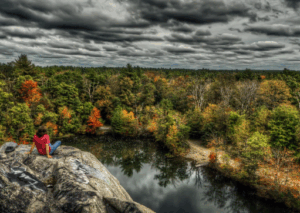
The Bridgewater Triangle spans roughly 200 square miles in Southeastern Massachusetts. Its three points are Abington, Rehoboth, and Freetown, but the interior includes a whole host of towns: Brockton, Whitman, West Bridgewater, East Bridgewater, Bridgewater, Middleboro, Dighton, Berkley, Raynham, Norton, Easton, Lakeville, Seekonk—and yes, Taunton. That means I’m right in the middle of it!


🧭 Why Now?

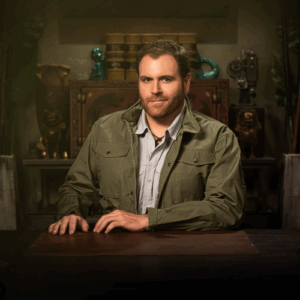
The Triangle recently resurfaced in pop culture thanks to an episode of Expedition X, one of Josh Gates’ paranormal adventure series. If you’ve followed Josh since Destination Truth launched in 2007, you’ve likely joined him on virtual journeys through Expedition Unknown, Legendary Locations, Expedition Files, and now Expedition X.

👽 Massachusetts’ Paranormal Hotspot

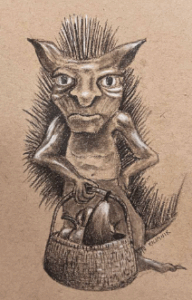
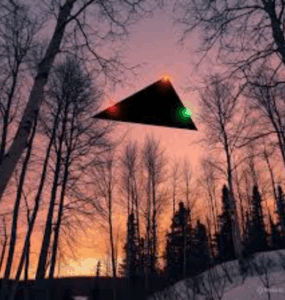
The Bridgewater Triangle is a magnet for the unexplained. Reports include UFO sightings, Bigfoot encounters, giant Thunderbirds, and the elusive Pukwudgie—small, human-like creatures from Wampanoag folklore. Their name translates to “little wild man of the woods that vanishes,” which feels especially fitting this time of year.
🕸️  Halloween Hotspots in the Triangle

If you’re feeling brave and want to explore the Triangle this Halloween, here are some of its most legendary—and spine-tingling—locations:

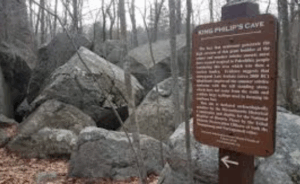
  • King Philip’s Cave (Norton, MA)
    Said to be the hiding place of Wampanoag Chief Metacomet (King Philip) during the final days of King Philip’s War (1675–1676).
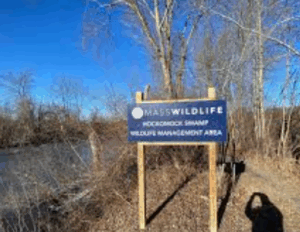
  • Lake Nippenicket & Hockomock Swamp
    Often called the “Heart of the Triangle,” this area is steeped in local legend. It’s still on my must-visit list!
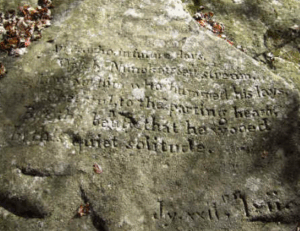
  • Solitude Stone (West Bridgewater)
    Tucked off Forest Street near the bridge, this mysterious stone bears an inscription that has puzzled visitors for decades.
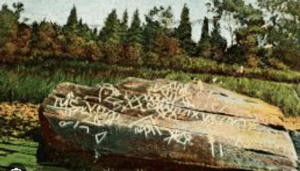
  • Dighton Rock (Berkley, MA)
    A 40-ton boulder etched with ancient petroglyphs of unknown origin. Theories range from Native American carvings to Norse explorers.
  • Freetown-Fall River State Forest
    This forest has a dark reputation, with reports of cult activity, animal sacrifices, ritualistic murders, gang violence, and suicides. Not for the faint of heart.

There are more haunted spots—including several buildings at Bridgewater State University—but we’ll save those for another year.

🕷️ Until Then…


Wishing you a Spooktacular Halloween filled with mystery, magic, and maybe a few goosebumps. If you dare to explore the Triangle, let me know what you find… or what finds you.


Goodbye Columbus, You Were Not the First


🌊 A Viking Footprint in the New World

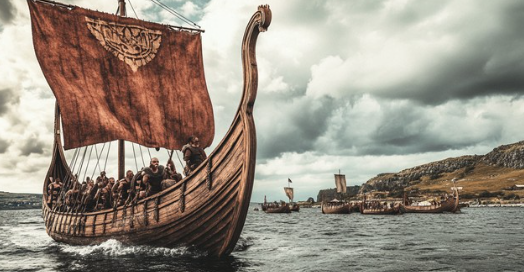
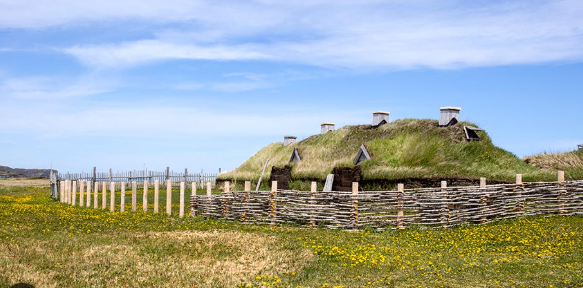
Long before Columbus set sail in 1492, a different kind of explorer had already touched the shores of North America. The year was 1021—nearly five centuries earlier—and the voyagers were Vikings. Not the horn-helmeted caricatures of pop culture, but skilled seafarers who braved the icy Atlantic to reach what is now Newfoundland, Canada.

stock


🛖 The Settlement at L’Anse aux Meadows

For decades, archaeologists have studied the site of L’Anse aux Meadows, a windswept coastal settlement on Newfoundland’s northern tip. Turf buildings, iron nails, and wooden artifacts shaped by metal tools hinted at Viking presence. But while the site confirmed Norse activity, the exact timing of their arrival remained a mystery.

stock photo

🌞 Tree Rings and a Solar Storm

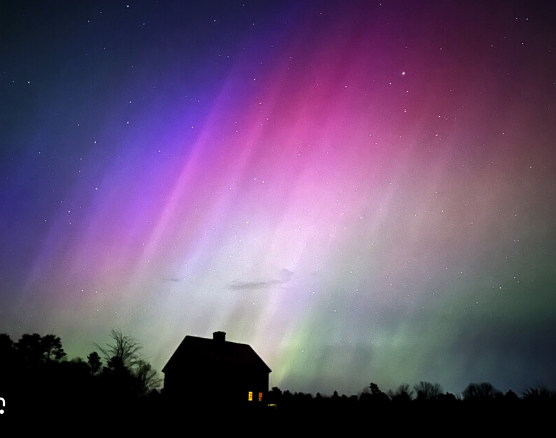
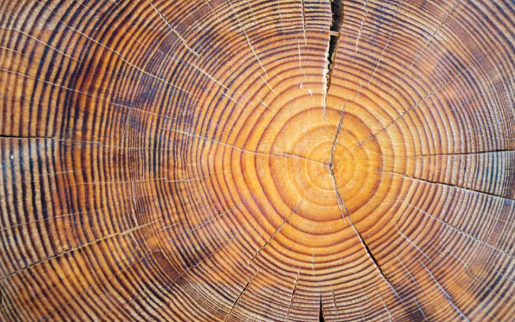
That mystery was cracked open by an extraordinary blend of science and nature. Researchers analyzed wood from the site—specifically, pieces cut with metal blades, a clear sign of Viking craftsmanship. Within the tree rings, they discovered a cosmic clue: a solar storm that occurred in 1021 left a unique radioactive signature, etched into the wood like a celestial timestamp.

northern lights from a solar storm- stock photo

📅 Pinpointing the Year: 1021 CE

Thanks to this solar storm’s fingerprint, scientists were able to date the wood with remarkable precision. The result? A confirmed Viking presence in Newfoundland in the year 1021 CE—exactly 471 years before Columbus’s famous voyage. It’s the first time researchers have been able to assign a specific year to European activity in the Americas before Columbus.

stock photo

🌲 History Written in Wood

This discovery doesn’t just rewrite timelines—it invites us to reimagine the texture of history. Picture it: the creak of wooden ships against rocky shores, the scent of salt and pine, the clang of iron tools shaping timber in a land both wild and wondrous. The Vikings weren’t just passing through—they were building, exploring, and leaving behind echoes that would wait a thousand years to be heard.

✨ A New Chapter in the Story of Exploration

So next time you walk through a forest or trace your fingers along the grain of old wood, remember: the past is written in more than books. Sometimes, it’s carved into the very bones of the earth, waiting for the right eyes—and the right questions—to bring it to light.


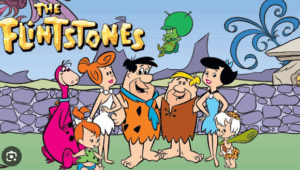
Yabba Dabba Doo- The Flintstones turn 65

Yabba Dabba Doo! The Flintstones Turn 65

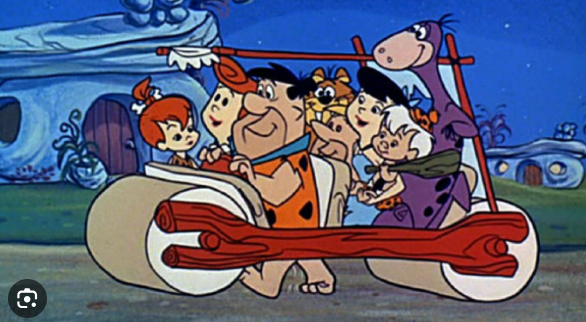
On September 30, 1960, television audiences met Fred and Wilma Flintstone, Barney and Betty Rubble—and TV was changed forever. If you grew up in the ’60s, chances are you grew up with that modern Stone Age family. You watched their lives unfold, their families grow, and welcomed Pebbles and Bamm-Bamm into your living room.

I can still hear the theme song playing in my head as if it were yesterday. Yabba Dabba Doo!

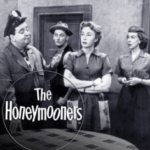
Inspired by The Honeymooners

The Flintstones drew inspiration from The Honeymooners, the beloved sitcom starring Jackie Gleason as Ralph Kramden. Fred Flintstone echoed Ralph’s bluster and charm, while Barney Rubble was modeled after Ed Norton, Ralph’s quirky sidekick. The formula worked—The Flintstones ran for six seasons, from 1960 to 1966.

Prime Time Trailblazers

This wasn’t just a Saturday morning cartoon. The Flintstones was the first animated sitcom to air in prime time on a major network (ABC), and it was originally aimed at adult audiences. That didn’t last long—kids quickly took over. The show’s popularity soared, outlasting many of its live-action peers and paving the way for future animated hits.

From Bedrock to the Big Screen

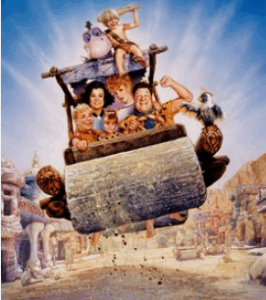
The Flintstones didn’t stop at television. In 1966, they hit theaters with The Man Called Flintstone, an animated spy spoof. Then came the live-action era: The Flintstones (1994) and Viva Rock Vegas (2000). And now, in December 2025, they return to their animated roots with Meet the Flintstones—a fresh take for a new generation.

It’s safe to say that another wave of kids will soon be shouting “Yabba Dabba Doo!” And of course, we’ll always have their vitamins.