My Brain Saw a Dance Troupe. What do you see?


The Water Lily Harvest of the Mekong Delta

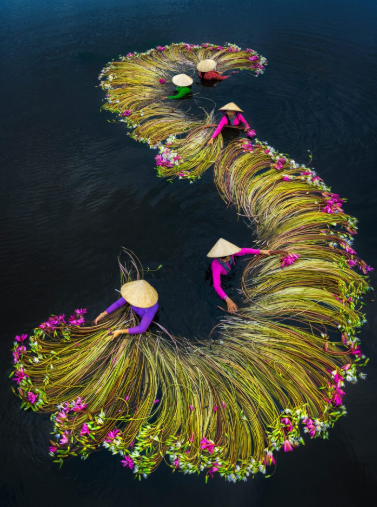
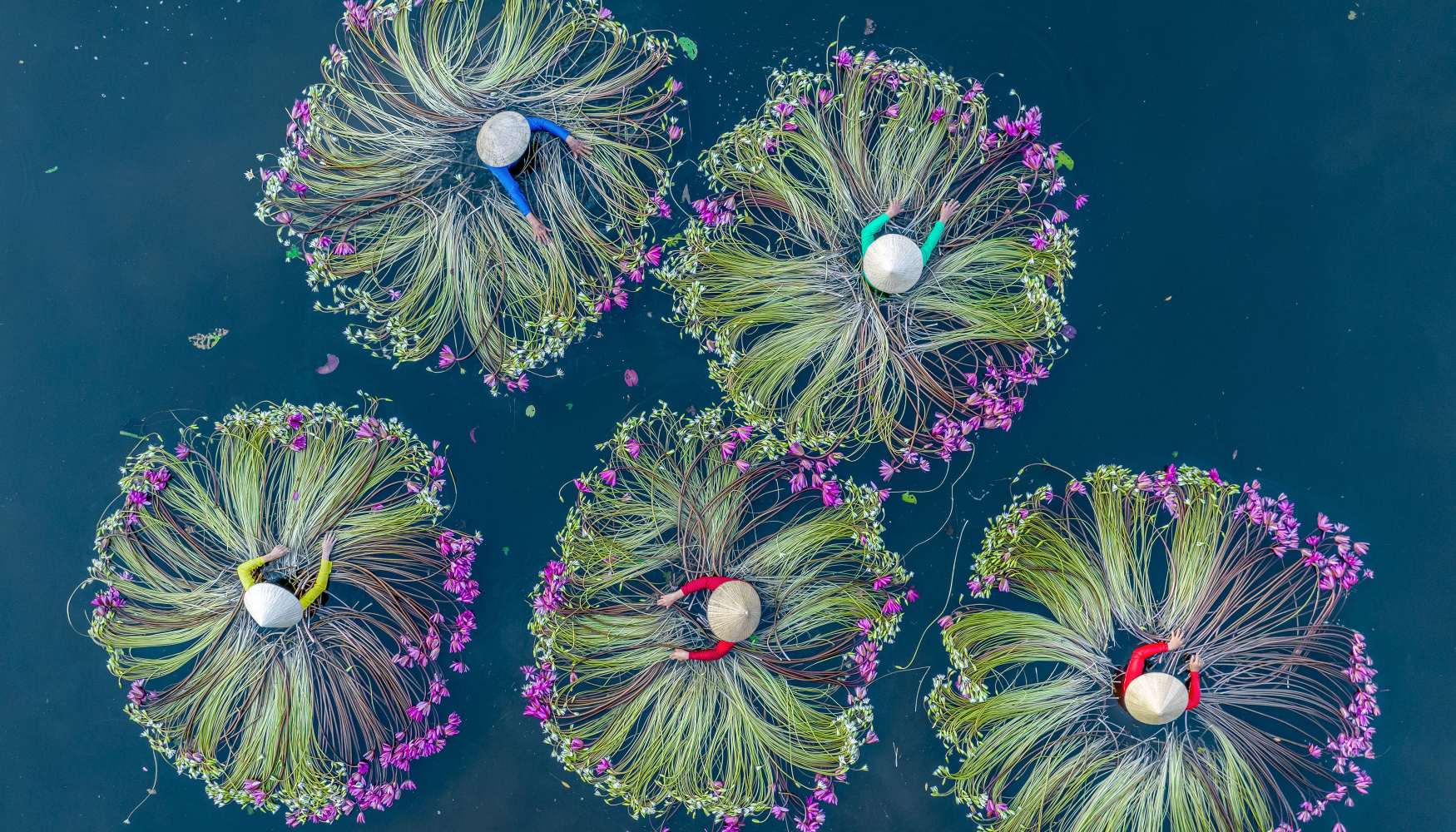
When I first looked at this picture, my brain took a hard left turn. I thought I was seeing dancers in swirling grass skirts, caught mid‑spin in some kind of joyful festival. I wasn’t even close. Now that I know what’s actually happening, I can kind of see it — but if you’d left me to guess, I’d still be insisting it was a troupe of performers twirling in unison. I did manage to get two things right: they are dancers of a sort, and it is an aerial view. Everything else? Not so much.

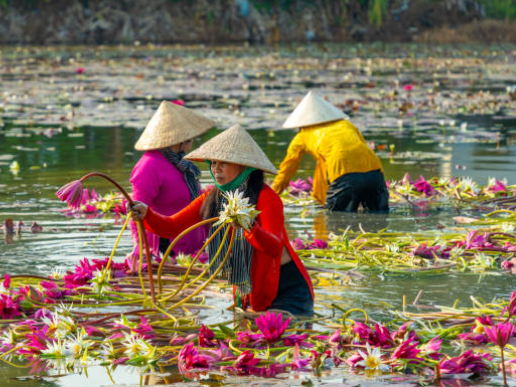
What you’re really looking at is the annual water lily harvest in Vietnam’s Mekong Delta — a tradition as beautiful as it is practical.
A Seasonal Ritual in the Delta

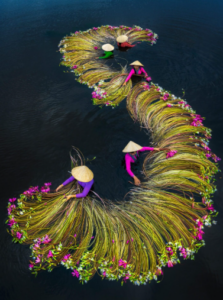
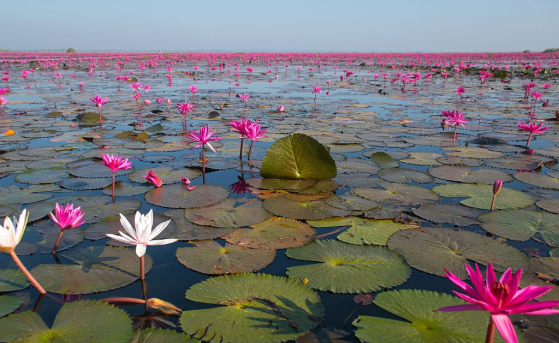
Each year, when the southern Vietnamese rice fields flood between August and November, the waterways transform into vast gardens of long‑stemmed water lilies. These blooms — usually pink or white — rise to the surface in spectacular numbers, turning the flooded landscape into something that looks almost otherworldly. For generations, families in the region have relied on this seasonal abundance. The harvest isn’t just a job; it’s a cultural rhythm woven into the life of the Delta.

How the Harvest Works

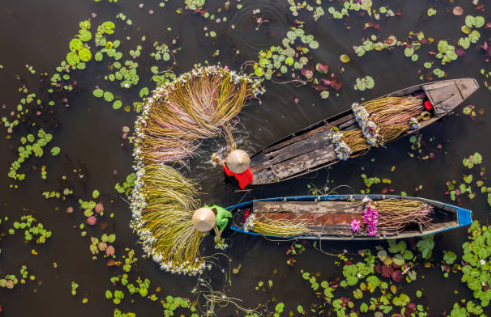
At first glance, the workers look like they’re performing a choreographed dance, and honestly, the comparison isn’t far off. Wearing traditional conical hats, they wade waist‑deep through the water, gently pulling lilies from the shallows. The long stems are gathered into spiraling bundles — the “skirts” you see in the photo — and floated beside small wooden boats. The process is slow, careful, and surprisingly graceful. Every movement is deliberate, shaped by generations of practice and an intimate understanding of the waterways.
More Than Just a Pretty Flower

Water lilies hold a special place in Vietnamese culture. They’re used for decoration, of course, but they also show up in the kitchen. The stems add a crisp, slightly tangy note to local dishes, especially the region’s beloved sour soup. Nothing goes to waste. The harvest season also brings communities together. It’s a time when traditions are passed down, families work side by side, and the Delta’s way of life is celebrated. In recent years, the sight of the harvest — with its vivid colors and mesmerizing patterns — has drawn photographers and travelers from around the world.
Supporting Local Livelihoods

Beyond the beauty, the water lily harvest is an important source of income. The flowers and stems are sold in markets throughout the region, helping sustain families who depend on seasonal work. Tourism has added another layer of economic support, as visitors come to witness the harvest and explore the Delta’s unique landscape.

A Living Portrait of the Mekong Delta

The water lily harvest is one of those rare traditions that blends necessity, artistry, and cultural heritage. It’s a reminder of how closely the people of the Mekong Delta live with the rhythms of nature — and how something as simple as a flower can shape a community’s identity. If you ever find yourself in southern Vietnam during the early morning hours of harvest season, you’ll see the lilies at their most vibrant. And who knows — you might even catch yourself mistaking the workers for dancers too.

 

Photographing the Blizzard of 26


Snowstorm Photography & the Bag That Saved My Sanity

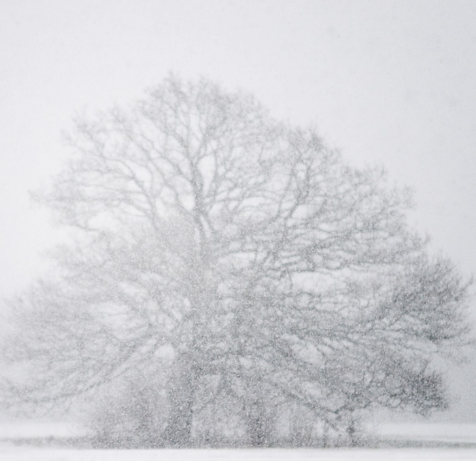
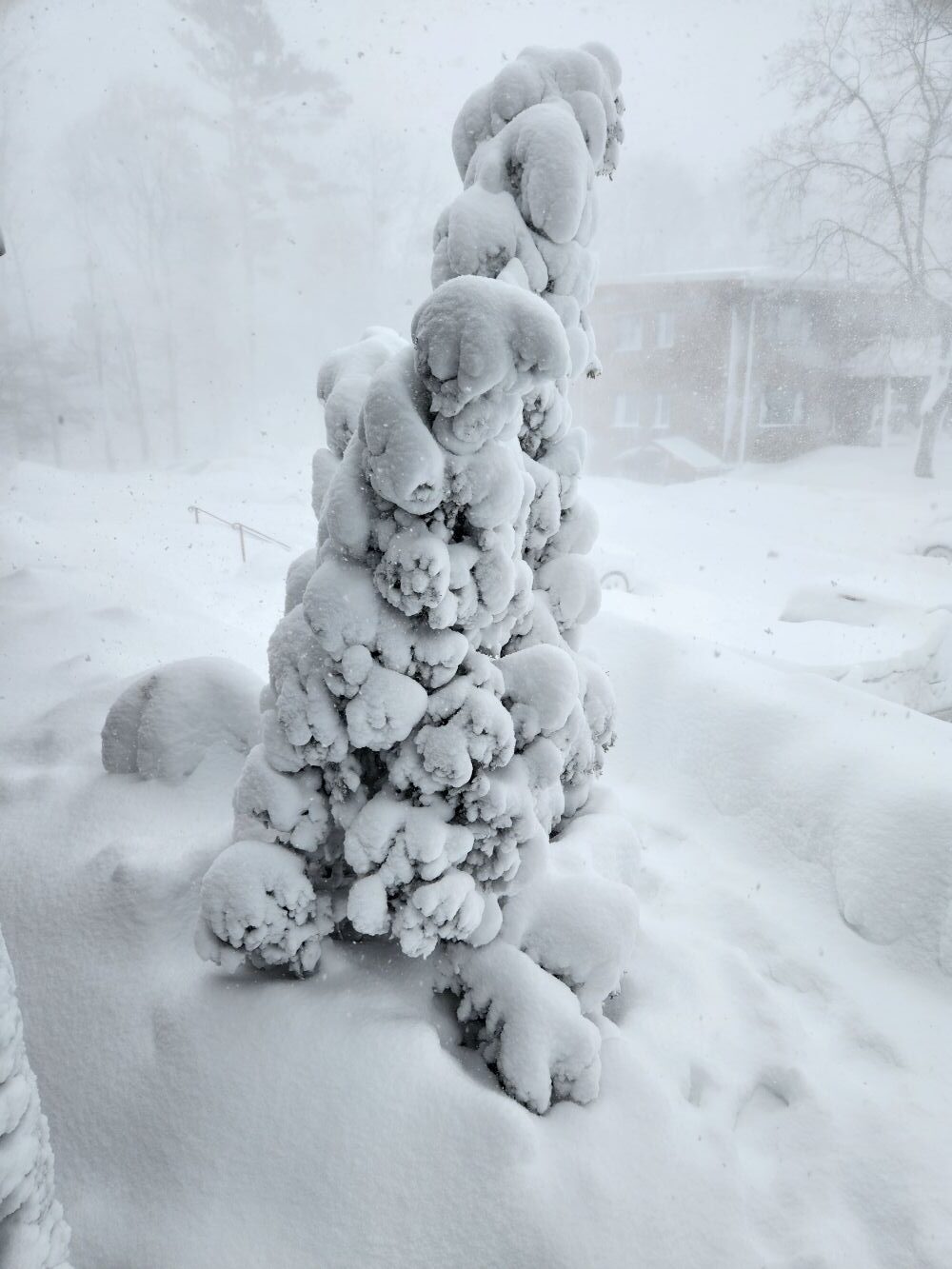
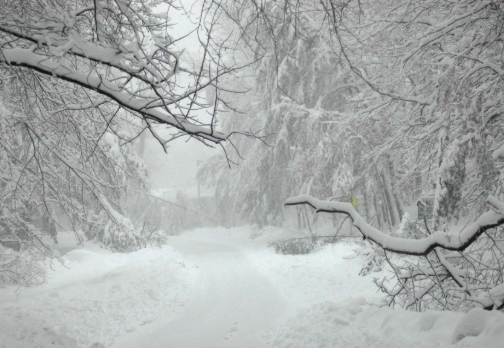
February gave us one last New England tantrum — a heavy, wet snowstorm that turned my street into a postcard. The world went quiet. The trees looked like they’d been dipped in powdered sugar. I grabbed my camera because I had to capture it before it melted.

Out I went, bundled up like the Michelin Woman and determined to get a few good shots before the plows arrived. This is where my VSGO Black Snipe Pro Camera Backpack proved its worth.

I’ve carried camera gear in everything over the years — tote bags, purses, and backpacks that were never meant for cameras. I always ended up digging around like I was searching for buried treasure. Not this time.

The snow was coming down sideways, and it was a relief to have everything in one place. Every lens, battery, SD card, and cleaning cloth had its own compartment. Everything stayed dry and easy to reach. I didn’t have to unzip five pockets or juggle gear in the cold. I could focus on the moment — the hush of the snowfall, the weight of the branches, and that soft storm‑light you only get in winter.

And yes, I got some beautiful shots. But the real star of the outing was the bag that kept me organized and sane.

If you’re a photographer — or even a “grab‑the‑camera‑and‑run” type like me — this bag is worth a look. It’s lightweight, durable, and built for people who want to enjoy the experience instead of wrestling with their gear.

👉 Here’s the link to the VSGO Black Snipe Pro Camera Backpack:
Camera Gear

I’ll add my snowstorm photos below so you can see what I captured before everything thawed. Days like this remind me why I love photography — and why having the right gear makes all the difference.


Razorbills of Bolungarvík, Iceland


A Morning Surprise: The Razorbill Pair

I absolutely love this picture. Yesterday I mentioned how I’ve been very visual lately, and here’s another example of what I mean. Each morning when I log onto my computer, I never know what visual treat might be waiting for me. My wallpaper rotates every couple of days—sometimes it’s a misty bridge, other times a fierce tiger mid-prowl. The photography is always stunning. I envy the talent behind these shots. It’s the kind of artistry I once dreamed of mastering.

But today, I want to spotlight one image in particular: a pair of razorbills standing close together on a rocky ledge by the sea.

Texture, Contrast, and Connection

It’s not that razorbills are the most elegant birds. Their plumage is simple—dark brown above, white below—but this photo captures something extraordinary. The contrast is brilliant. The clarity is so sharp I can almost feel the downy softness of their feathers and trace the texture of their chocolate-brown heads. The white bellies pop against the deep blue of the ocean, and the whole composition feels like a masterclass in natural lighting and framing.

A Quiet Moment of Devotion

What really gets me, though, is the sentiment. These birds aren’t just standing side by side—they’re touching heads, mirroring each other in a way that feels tender and intentional. There’s a quiet devotion in their posture, a kind of avian intimacy that’s rare to catch on camera. It’s a reminder that beauty isn’t always loud or flashy. Sometimes it’s found in the stillness, in the connection, in the way two creatures simply exist together.

This picture has it all—texture, color, emotion. And I’m so glad it found its way to my screen.


Echoes Over Water: The Enchanting World of the Common Loon

A Song That Haunts the Lakes

If you’ve ever spent a quiet evening near a northern lake, chances are you’ve heard it—that eerie, tremolo call drifting across the water like a ghost of the wilderness. The common loon (Gavia immer) is more than just a bird; it’s a symbol of solitude, wildness, and the deep stillness of nature. Their calls range from mournful wails to yodels that echo across the surface, each one a language of territory, courtship, and connection.

They Wear Drama Like a Cloak

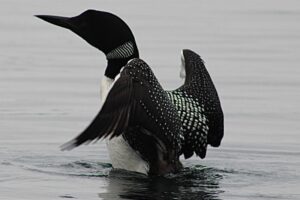
In summer, loons dazzle with black heads, dagger-like bills, and checkerboard backs that shimmer under sunlight. Their red eyes pierce the water as they dive for fish. Built for swimming, loons push through lakes with powerful strokes, thanks to legs set far back on their bodies. On land, they waddle awkwardly—but in water, they reign. You’ll rarely see a loon on land unless it’s nesting.

Photo Credit Jim Neumann

Parenting on the Water

Loons nest close to shore, often on small islands or floating vegetation. Both parents share the duties, and once the chicks hatch, they ride on their parents’ backs to stay warm and safe. It’s one of nature’s most endearing sights—tiny fluffballs hitching a ride across the lake.

Photo credit Jim Neumann

A Shout-Out to My Brother

This post wouldn’t be complete without a huge shout-out to my brother, Jim, whose loon photography captures their mystique with breathtaking clarity. His lens finds the soul of these birds—the shimmer of water, the intensity of their gaze, the quiet power of their presence. His photos remind us that loons aren’t just birds; they’re storytellers of the wild.

Photo Credit Jim Neumann

Where to Spot Them

In Massachusetts, loons are more common in the Berkshires and northern lakes. They have been spotted in places like Quabbin Reservoir.  During migration you might even find them near coastal waters. Keep your ears open and your binoculars ready—these birds are worth the wait.

Photo credit Jim Neumann

My brother’s Photos were taken on Lake George, NY


Where Were You That Morning? A Tribute to September 11

🕊️ A Morning Like No Other

Do you remember where you were on the morning of September 11, 2001?

📺 “Is This a Movie?

I remember it vividly—not in the way you recall a birthday or a vacation, but in the way your body remembers shock. I turned on the news, expecting the usual hum of morning chatter. Instead, I saw flames, smoke, and chaos. For a moment, I thought it was a movie trailer. Something surreal. Something scripted. But it wasn’t.

http://t1.gstatic.com/licensed-image?q=tbn:ANd9GcRySpddvMmJFPuEyCE2SFMWlzGpdI9kqGiJW_aYUNf5XSyKYZOcZc-GIsfX10aaraG0

Internet

🧊 Numbness and Silence

It was horrifying.

I remember how I felt. Numb. Just stunned. My mind couldn’t catch up to what my eyes were seeing. The towers—those iconic pillars of the New York skyline—were collapsing. Lives were being lost in real time. And across the country, hearts were breaking in unison.

🤝 A Nation United in Grief

In the days that followed, grief settled over us like a heavy fog. But so did something else: unity. Strangers became neighbors. Flags waved from porches and overpasses. First responders ran toward danger with a courage that defied comprehension. And in the quiet moments, we lit candles, whispered prayers, and held each other close.

Twenty-four years later, the pain hasn’t vanished. But neither has the resilience. Every September 11, the Tribute in Light rises over Manhattan—twin beams piercing the night sky, echoing the towers that once stood tall. It’s a symbol of remembrance, of hope, of the promise to never forget.

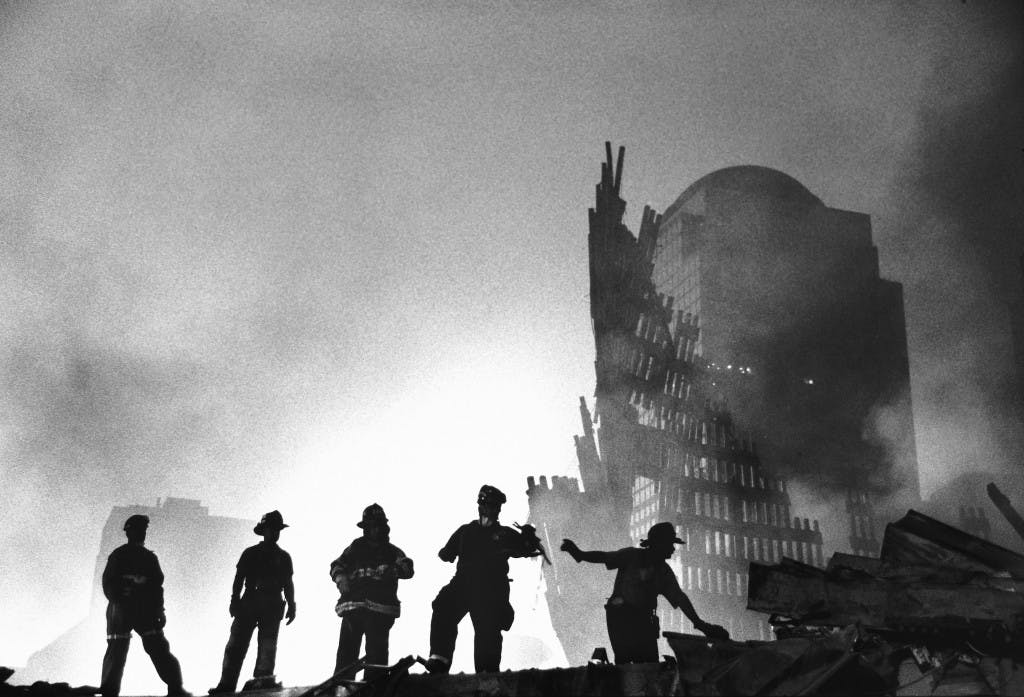
🚒 Heroes in the Ashes

To the families who lost loved ones, to the heroes who gave everything, and to the millions who carry the memory of that day in their hearts—you are not forgotten. Your stories live on in our reflections, our ceremonies, and our quiet moments of pause.

Fred George, Ash Wednesday, Dusk, 9/12/01, New-York Historical Society, Gift of Here is New York

Today, I remember. And I honor.


Raising the Flag at Ground Zero - Wikipedia

Raising the Flag at Ground Zero- Wikipedia