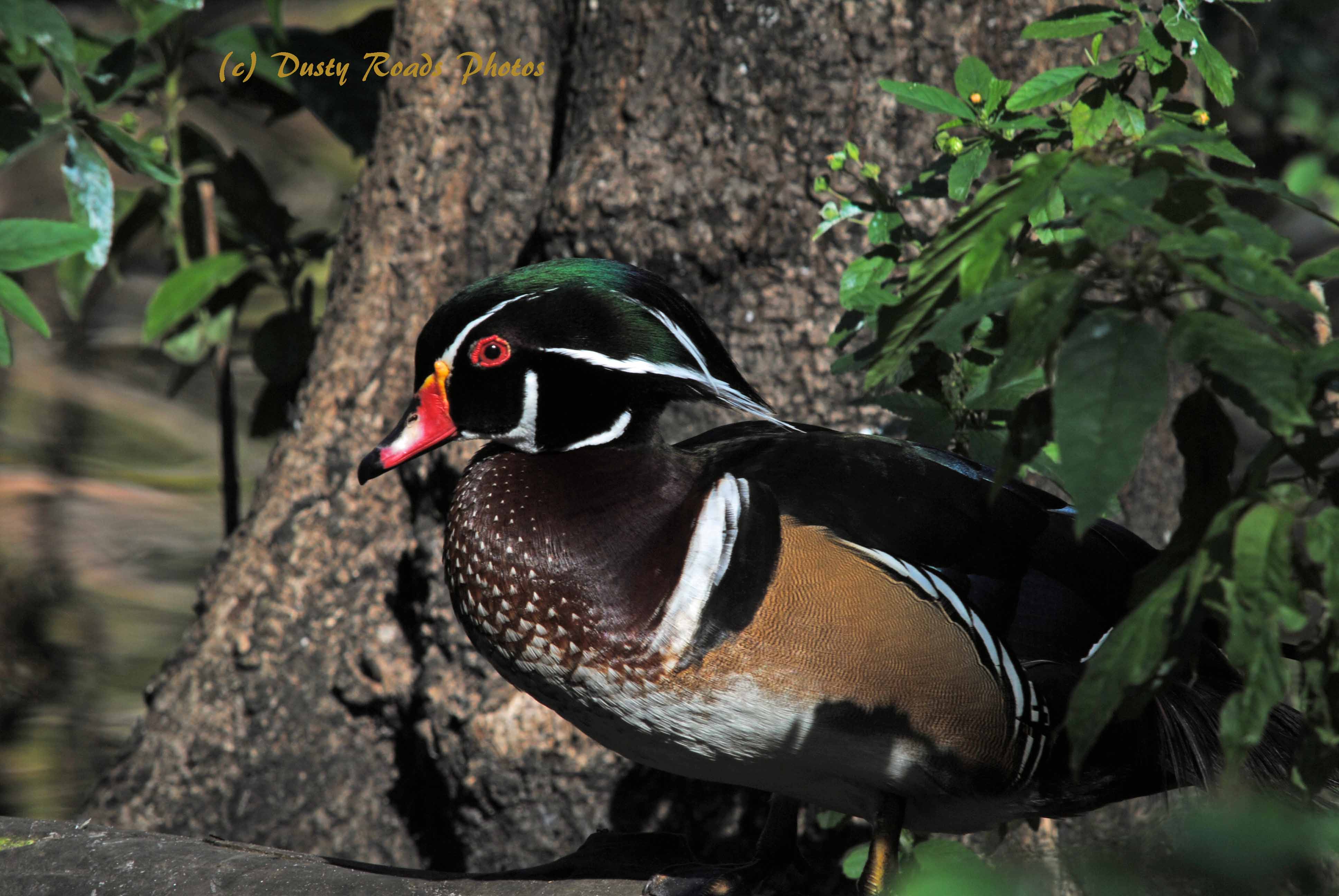
In honor of National Wildlife Week, I’m sharing one of the most colorful birds in North America — the stunning wood duck.
Wood Duck Wildlife Photography Spotlight

Protecting wildlife begins with appreciating the beauty right in front of us.
Sights, Scenes and Travel of an everyday person
In honor of National Wildlife Week, I’m sharing one of the most colorful birds in North America — the stunning wood duck.

Protecting wildlife begins with appreciating the beauty right in front of us.
(A quick note from one of my partners!)

Spring is officially wedding season, and one of my favorite gift companies just added a whole batch of new wedding‑themed gift ideas. Think sweet, personalized keepsakes, photo gifts, and those thoughtful little touches that make a couple smile long after the big day.
If you’re shopping for a wedding, engagement, or anniversary — or you just love browsing pretty things — their new collection is worth a peek. I’ve linked their wedding gift section below so you can explore the latest designs.
It’s a small way to support the blog, and I appreciate it more than you know.
Browse the new wedding gifts here: Happy Wedding
A quick hello to one of my partners
If you’ve been around here for a bit, you know I love sharing brands that make thoughtful gifting a little easier — and today I want to introduce you to GiftLAB®, one of my newest partners.
GiftLAB® is a leading provider of personalized gifts, specializing in custom photo items and those wonderfully quirky “funny face” gifts that always get a laugh.

They create handcrafted, made‑to‑order pieces that work for weddings, anniversaries, birthdays, or any moment when you want something a little more meaningful than a generic gift card.

Their wedding collection is especially sweet this time of year, with keepsakes that feel personal without being fussy. If you’re shopping for a couple — or just browsing for inspiration — their designs are worth a peek.

Explore GiftLAB®’s personalized gifts:
GiftLab
Thanks, as always, for supporting the partners who help keep this little corner of the internet running. It means more than you know.

Scout
I’ve started a really big organizational project. No, I’m not talking about cleaning out my closet. I’m talking about Arounddustyroads. I’ve had my blog for many years now. It’s grown and hiccuped its way along since around 2011. I honestly don’t remember my very first post, but I do remember being a little scared. Was I really going to share my thoughts and feelings with the big wide world?
Over the years I’ve set it aside for other things, but I always seem to come back to it. Reading older posts is like reminiscing with an old friend — familiar, comforting, and sometimes a little surprising. (“Did I really write that?” Yes. Yes, I did.)
Somewhere along the way, my media library turned into a full‑blown archaeological site. I’ve now got over 10,000 photos tucked in there, and finding just the right picture to illustrate a post has turned into a major scroll‑fest. It can take hours. By the time I find the photo I want, I’ve forgotten what the post was even about.
That’s when it hit me: this system is not sustainable. Something had to change.

When I first started blogging, I didn’t even know you could tag your pictures. So most of my library is… well… let’s call it “mysterious.” Untagged. Unidentified. A giant pile of “good luck finding anything in here.”
So with help from my AI coach, I finally rolled up my sleeves and started going back through all of these photos and tagging them properly. And let me tell you — this is not a weekend project. This is a year‑long expedition.
I’m working backward, starting with the most recent photos while the memories are still fresh. I figure if I’m diligent, I might actually get through the whole thing before the next ice age.
But here’s the surprise: it’s actually kind of satisfying. Every time I finish a page of photos, it feels like I’ve restored a tiny corner of my digital world. I’m rediscovering trips I forgot I took, meals I forgot I cooked, and sunsets I forgot I captured. It’s like flipping through an old scrapbook — only this time, I’m labeling the pages so future‑me doesn’t have to guess what she was looking at.

It’s a big job, but it’s worth it. And when I’m done, finding the perfect photo for a post won’t feel like an archaeological dig. It’ll be quick, easy, and maybe even fun.

Do you tag your photos, or are you sitting on a digital mess of your own? I’d love to hear how you keep your pictures organized — or if you’re braver than I am and just scroll until something looks right.
When I first looked at this picture, my brain took a hard left turn. I thought I was seeing dancers in swirling grass skirts, caught mid‑spin in some kind of joyful festival. I wasn’t even close. Now that I know what’s actually happening, I can kind of see it — but if you’d left me to guess, I’d still be insisting it was a troupe of performers twirling in unison. I did manage to get two things right: they are dancers of a sort, and it is an aerial view. Everything else? Not so much.
What you’re really looking at is the annual water lily harvest in Vietnam’s Mekong Delta — a tradition as beautiful as it is practical.
A Seasonal Ritual in the DeltaEach year, when the southern Vietnamese rice fields flood between August and November, the waterways transform into vast gardens of long‑stemmed water lilies. These blooms — usually pink or white — rise to the surface in spectacular numbers, turning the flooded landscape into something that looks almost otherworldly. For generations, families in the region have relied on this seasonal abundance. The harvest isn’t just a job; it’s a cultural rhythm woven into the life of the Delta.
At first glance, the workers look like they’re performing a choreographed dance, and honestly, the comparison isn’t far off. Wearing traditional conical hats, they wade waist‑deep through the water, gently pulling lilies from the shallows. The long stems are gathered into spiraling bundles — the “skirts” you see in the photo — and floated beside small wooden boats. The process is slow, careful, and surprisingly graceful. Every movement is deliberate, shaped by generations of practice and an intimate understanding of the waterways.
Water lilies hold a special place in Vietnamese culture. They’re used for decoration, of course, but they also show up in the kitchen. The stems add a crisp, slightly tangy note to local dishes, especially the region’s beloved sour soup. Nothing goes to waste. The harvest season also brings communities together. It’s a time when traditions are passed down, families work side by side, and the Delta’s way of life is celebrated. In recent years, the sight of the harvest — with its vivid colors and mesmerizing patterns — has drawn photographers and travelers from around the world.
Beyond the beauty, the water lily harvest is an important source of income. The flowers and stems are sold in markets throughout the region, helping sustain families who depend on seasonal work. Tourism has added another layer of economic support, as visitors come to witness the harvest and explore the Delta’s unique landscape.
The water lily harvest is one of those rare traditions that blends necessity, artistry, and cultural heritage. It’s a reminder of how closely the people of the Mekong Delta live with the rhythms of nature — and how something as simple as a flower can shape a community’s identity. If you ever find yourself in southern Vietnam during the early morning hours of harvest season, you’ll see the lilies at their most vibrant. And who knows — you might even catch yourself mistaking the workers for dancers too.