The Wolf Hollow Quest: Paused, Not Abandoned

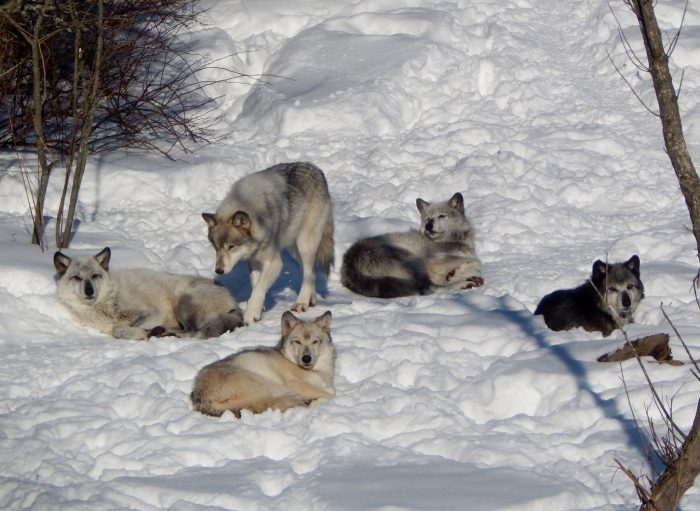
A group of five gray wolves resting together on a snowy forest clearing, with one wolf standing while the others lie in the snow.

The Wolf Hollow Expedition Is Back on Hold

I’ve been exploring my options to visit Wolf Hollow. Wolf Hollow is a wolf sanctuary located in Ipswich, MA. It was conceived in 1988 and became a state‑ and federally‑licensed 501(c)3 non‑profit organization two years later. Wolf Hollow opened its gates to the public in September of 1990.

Discovering a Sanctuary Close to Home

I first became interested in Wolf Hollow when I was searching for a place to photograph wolves. I’d been to Yellowstone, where tourists sometimes get lucky enough to see wolf packs in the wild. I wasn’t one of the lucky ones. I’ve seen gray wolves in zoos — they always looked so sad — but I still haven’t captured a photo that reveals the true wolf essence.

I heard of a sanctuary in New Jersey, but weather interfered with that trip, and then life got in the way. Closer to home, I learned about Wolf Hollow.

Transportation Troubles and the GoWithGuide Detour

Their website doesn’t provide ticket pricing, so I’ll need to do more research. Since Wolf Hollow is located in Ipswich, transportation is a challenge. I contacted GoWithGuide and was given the name of a Salem‑based guide. I emailed him with what I was looking for, but he chose to pass.

At this point, I think I’ll need to plan a car‑rental day.

Weather, Timing, and the Photography Challenge

As much as I hate the cold, I also think winter might be the best time for photos. With overcast skies, the lighting should be soft, and the wolves’ winter coats should be in full glory.

Checking on Wolf Conservation Status

I was concerned about the status of the sanctuary, since there seems to be a lot of turmoil in the conservation world these days. The Endangered Species Act is being slowly stripped and downgraded by the current administration. But my research showed that despite years of political back‑and‑forth over wolf protections, gray wolves are currently listed as endangered in most of the United States, including all of New England. Sanctuaries like Wolf Hollow continue to play an important role in education and conservation.

A February 10, 2022 federal court ruling reinstated ESA protections for most wolf populations after a previous nationwide delisting attempt. The 2026 USFWS update confirms that this protection remains in place.

Putting the Trip on Pause — Not Canceling It

So once again, my quest for a wolf portrait has to be delayed — but I’m not giving up. I’m just sidelining it for a bit until I can get all my ducks in a row.

More Reality Behind the Shot- The One that Almost Got Away


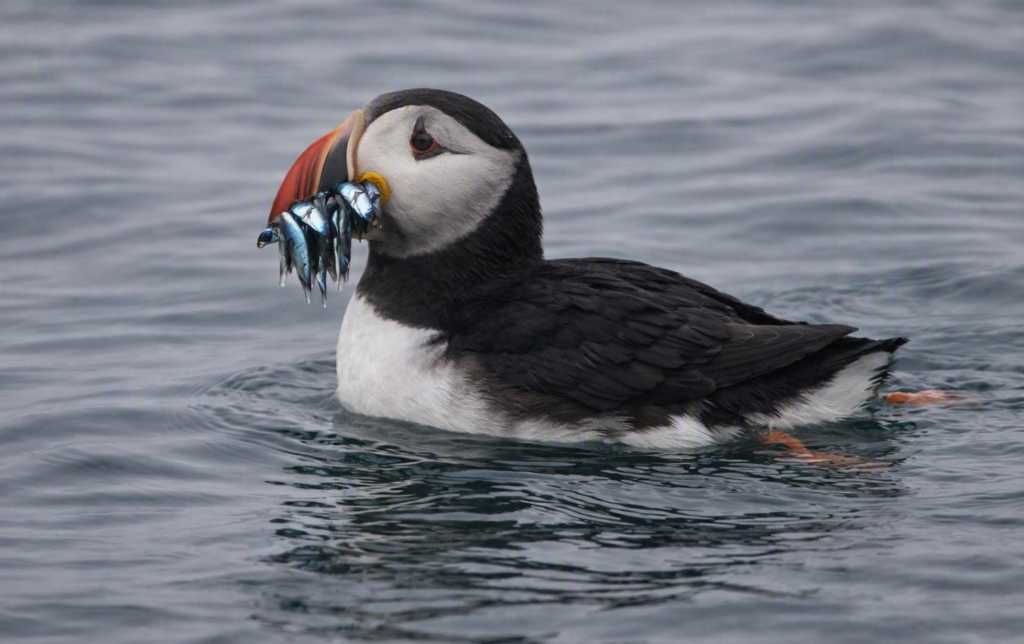
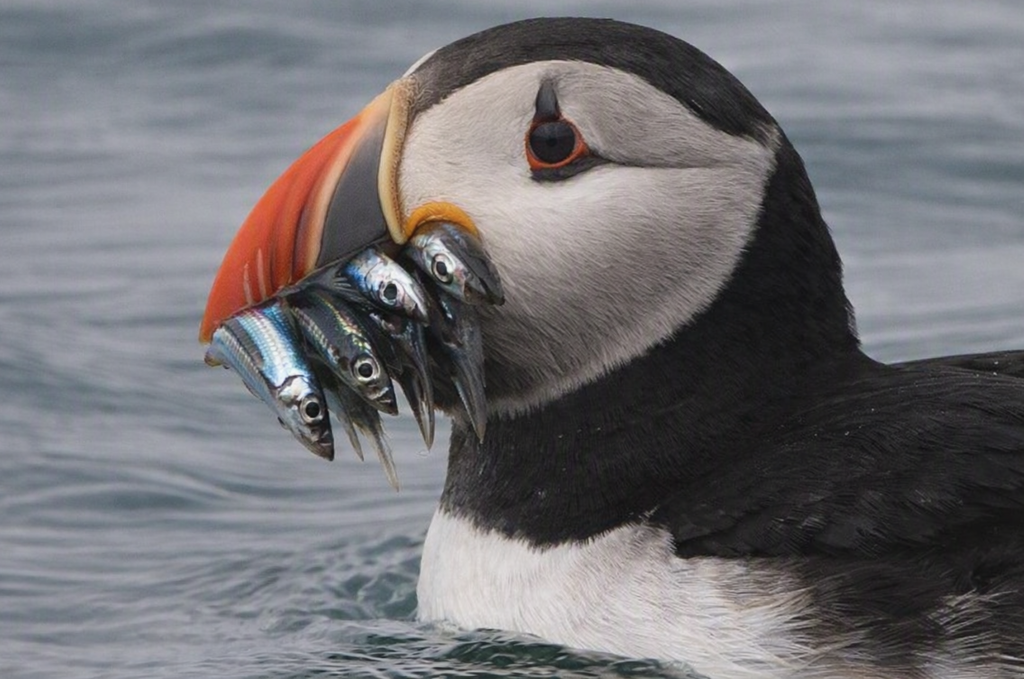
A small Atlantic puffin floating on calm gray-blue ocean water, holding several silver fish crosswise in its colorful beak.

Red fox kit Monday afternoonFinding Gems in the Tedious Work

This photo‑tagging project can be tedious, but every so often it hands me a little miracle. That special shot I thought I’d missed.

I’ve been digging through older folders — the ones full of “not bad, but not good enough” pictures I skipped over during my first sort — and I’m finding gems I never appreciated at the time.

Why I Take So Many Photos

When I’m out on a photography excursion, I take tons of pictures. Way more than anyone needs. Birds and animals don’t pose on purpose, and sometimes I’ll see “The Money Shot”… only for the lighting to shift or the subject to wiggle out of frame. It’s hard work, but it’s also exciting. My adrenaline spikes, my heart races, and I’m basically running on pure wildlife‑photographer joy.

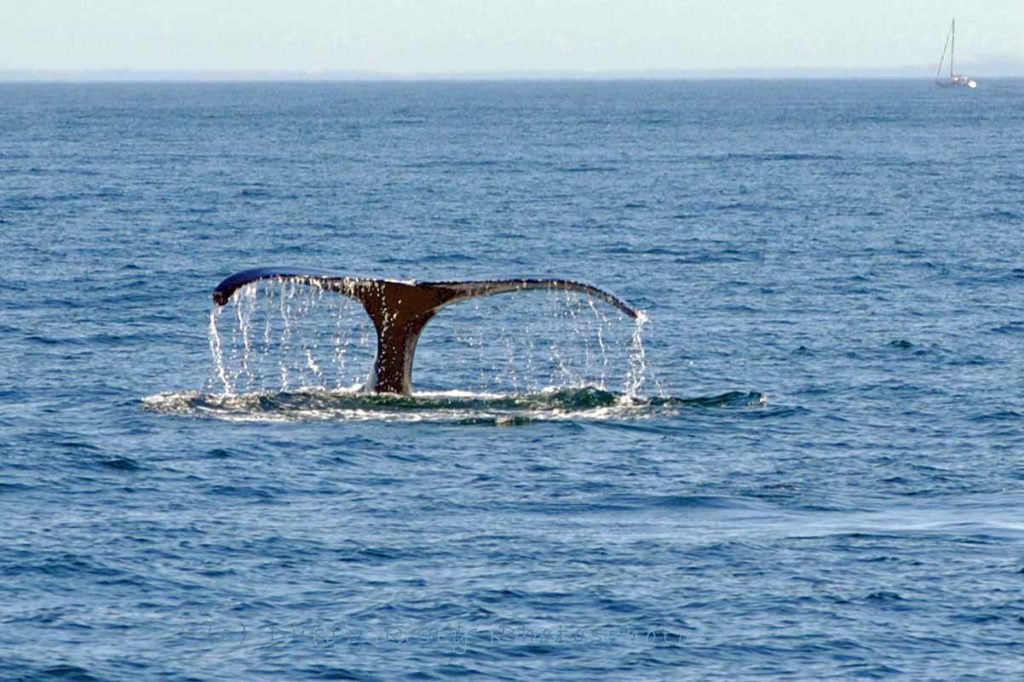
The Not‑So‑Fun Part: SortingBreaching Whale

Then I come home, load 200+ images into Lightroom, and the real work begins. I do a quick pass to eliminate the truly blah or out‑of‑focus ones, narrowing it down to the handful worth polishing. This part isn’t fun, but I do get lost in the art of “imaging.”

Why I Keep the “Almost” Photos

The good news? I rarely delete those second‑tier pictures. Time changes my perspective, and sometimes one of those “almost” shots ends up being exactly what I need for a post.

And that’s how I found him — my little puffin with a beakful of fish.


Award Winning Photo from the Internet

The Inspiration Behind the Shot

This photo earned an international award years ago and was one of the inspirations behind my puffin photography trips. If you do a Google search for puffins with fish, the web is full of these photos. On Machias Seal Island, I saw puffins returning with their catch, but the best I managed was a mouthful of shrimp. That was my last puffin trip.

Shrimp, Its what’s for dinner

A Foggy Day, a Rocking Boat, and a Forgotten Puffin

But while reviewing older shots from the Egg Island tour — yes, the foggy day on the rocking boat — I found a picture I’d kept only because it showed how tiny puffins look in the vast open ocean. This time, though, something caught my eye. A tiny detail. A shape.

It wasn’t so much “How did I miss that?” as “How did I see it now?” Sheer luck, maybe. Or just the magic of looking at a photo years later with fresh eyes.

Zoom… Zoom… Zoom

I zoomed in. And zoomed. And zoomed.

There they were. Fish.

My little puffin had a mouthful of fish after all.

Polishing the Shot That Waited for Me

I sharpened, cleaned up the color, and cropped the heck out of it. It will never be a gallery‑sized 16×20, but a small 5×7 will work beautifully. And sure, it would never pass even the first round of a photo contest — I had to zoom in way too far — but I don’t care.

I love my little puffin. I thought this was going to be “the one that got away.” Turns out he was waiting for me all along.


A Puffin Adventure 10 years Later


Five Atlantic puffins standing on rocky coastal terrain with green vegetation, photographed on Machias Seal Island by Deb Neumann.

A Puffin Flashback Adventure

I fancy myself a wildlife photographer in my dreams. In my imagination, I’m off on Nat Geo expeditions, trekking through jungles and tundra, capturing rare animals in perfect light. Maybe I’m practicing for my next life, when I finally get to take great safaris to exotic places and photograph creatures in all their glory.

But in real life, I’m just regular old me — and yet there was one trip that did feel like a true adventure. One trip where I actually got to photograph amazing wildlife. Yes, they were birds… but very special birds. I got to see puffins.

You don’t find puffins in your neighbor’s backyard. You have to work for puffins, and believe me, I did.

Attempt #1: Eastern Egg Rock — Fog, Waves, and Bumblebees With Wings

My first attempt was a boat tour out of Bar Harbor, Maine, to Eastern Egg Rock in 2015. The entire trip was on a boat, and once we left the harbor, the ocean turned rough. As we neared the island, the fog rolled in — thick, cold, and absolutely relentless. A wet blanket in every sense.

But the puffins didn’t care. They were all around us, tiny little bumblebees with feathers. Round bodies, small wings, and yet these miniature sea birds spend most of the year at sea. They only come ashore during their breeding season, which in Maine is July.

I spent most of the trip flattened on the bow, trying to steady my camera with a 600mm lens while the boat rocked and rolled under me. The puffins were tiny specks in the distance, and most of my photos ended up soft or blurry. It was exhilarating — no question — but from a photography standpoint, it was more “experience” than “results.”

I was disappointed, but not defeated.

Attempt #2: Machias Seal Island — A True Adventure

I’d been a Mass Audubon member for years, mostly for access to their wildlife sanctuaries. Shortly after my Egg Rock trip, I heard about their annual July bird‑watching trip. I’d missed it in 2015, but I had almost a year to prepare for 2016 — if they held it again.

I became the biggest nuisance in the history of the local chapter. I called. I emailed. I checked in constantly. And when they finally announced the trip, I was the first person to sign up.

This trip was farther north, deep into the disputed waters between the Bay of Fundy and the Gulf of Maine. Machias Seal Island is jointly managed by the U.S. and Canada, and access is extremely limited. Most tours depart from New Brunswick, but there is one U.S. operator — and that’s who Audubon contracted with.

It was a true adventure‑style trip, the kind that stays with you. Cold weather even in July, rocking boats and tenders that made you hold onto your hat, and wildlife everywhere. Eagles overhead, seals on the rocks, and of course the puffins — those little clowns of the sea.

And although I didn’t get to witness it firsthand, the Bay of Fundy is home to the highest tides on earth, often reaching around 40 feet. Just knowing I was in a place with that kind of natural power added to the feeling of being somewhere wild and extraordinary.

The Crossing

We boarded the tiny boat at dawn for a very cold, rough, windy trip from Cutler, Maine. The crossing is about an hour — a very long hour when your seat is out in the open. The only warmth was in the wheelhouse, where the captain and mate stayed tucked away.

As soon as we reached the island, we saw birds everywhere: gannets, razorbills, and even a seal stranded high on a ledge, left behind by the receding tide. But the puffins ruled the day. They were everywhere.

Into the Blinds

Once off the rocking boat and into a tender, we were ferried to a long boardwalk that snaked up toward the lighthouse. The organizers assigned us to blinds — tiny wooden huts where we’d spend the next two hours. We couldn’t leave, and we could only open the windows on one side at a time. The restrictions were for the puffins’ comfort and safety, but even so, it was an incredible show.

Birds were landing on the roof of the blind. Their feet made strange scratching sounds  mixed with the thumps of thier landings. It was surreal. It would make a great horror sound track.

The puffins were in their courting colors — bright orange beaks and matching feet. They were beautiful. Clumsy little birds flying in with beaks full of shrimp and fish. Two hops and they disappeared into their rock burrows.

The time passed quickly, and too soon we were escorted back to our little boat for the long, cold trip to Cutler. It was even colder in the late afternoon, but as miserable as the weather was, I would repeat that trip in a heartbeat.

For those two hours, I really felt like a wildlife photographer — living my dream.

Ten Years Later

Machias Seal Island was 2016. Ten years ago. Audubon still runs puffin trips in July — mostly the gentler Eastern Egg Rock style ones — but Machias Seal Island remains the same rugged, wild adventure it’s always been. Tiny boats. Rocking tenders. Cold winds. A landing that requires balance, grit, and a good sense of humor.

And I’ll be honest: I’m not entirely sure I could manage the rocking boats and tenders now, ten years later. Even if I could I’d still have the climb to the lighthouse that nearly did me in 10 years ago.

But I’d sure like to try.


The Reality Behind the Shot- Wildlife Photography Tales

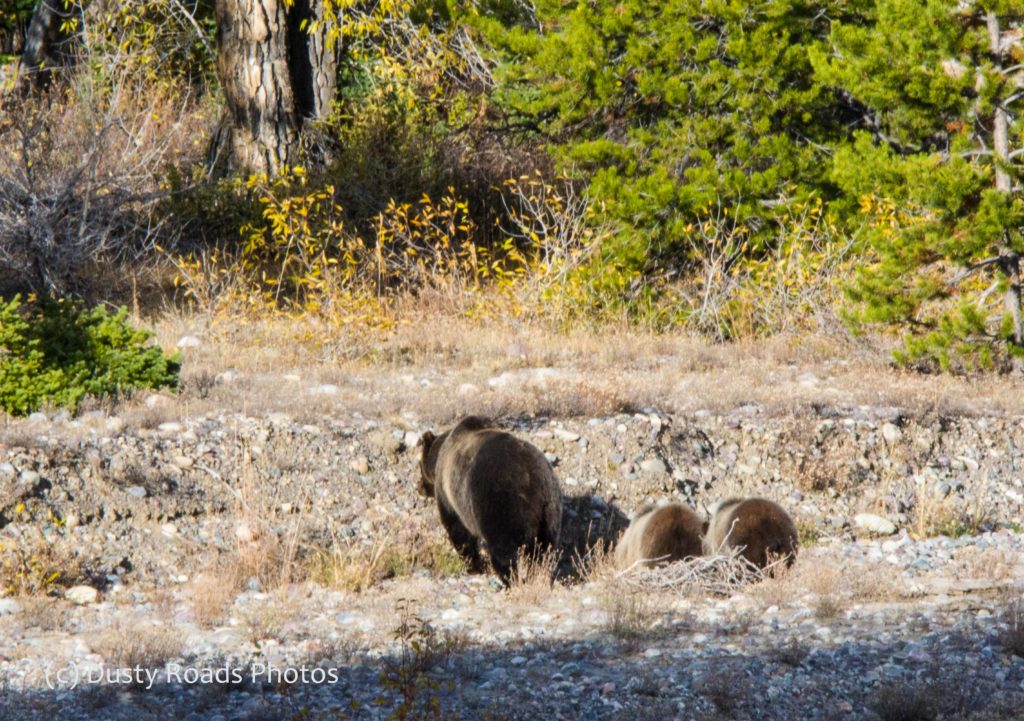
A large brown bear moves through dense autumn foliage, its head visible among branches covered in bright orange leaves.

The Truth About Wildlife Photography (As Told by a T‑Shirt)

Red fox baby on MondayEvery once in a while, something comes along that perfectly sums up an entire hobby. For wildlife photography, it isn’t a dramatic eagle shot or a fox leaping through golden light — it’s a T‑shirt. A T‑shirt that insists photography is simply “being in the right place at the right time”… followed by a dozen more “right” things, from the lens to the batteries to the background to the angle. It’s funny because it’s true, and every wildlife photographer knows it.

Why This T‑Shirt Gets It Right

People love to say, “Wow, you must have been lucky to get that shot.” Luck plays a part, sure, but it’s the smallest slice of the pie. Wildlife photography is mostly patience, persistence, and a willingness to stand in uncomfortable places for long stretches of time while your subject does absolutely nothing. It’s waiting for the light to cooperate, adjusting settings on the fly, and hoping your batteries don’t die at the exact moment a squirrel finally decides to pose. (Click Here for my squirrel Story)

The wildlife itself adds a whole extra layer of unpredictability. Animals don’t care about your perfect composition or your carefully chosen lens. They wander off, turn around, hide behind rocks, or stare at you like you’re interrupting their day. Sometimes they give you the “I might charge you” look, and suddenly the shot doesn’t seem quite so important anymore.

And yet, we keep doing it. Because every once in a while, everything lines up — the light, the moment, the subject, the settings, the batteries, and your own stubborn determination. You get the shot that makes all the waiting, sweating, freezing, and gear‑lugging worth it. (Having the right gear is very helpful too)

That’s why this T‑shirt is so perfect. It doesn’t glamorize wildlife photography. It doesn’t pretend it’s easy. It simply tells the truth with a wink: it takes a whole lot more than being in the right place at the right time. It takes all the “right” things coming together at once — and a photographer who’s willing to chase them.

Disclosure:

Some links in this post are affiliate links. If you decide to buy something through them, I may receive a small commission — it helps support the site and my photography adventures, at no extra cost to you. Team Arounddustyroads thanks you


Lost in the Photo Mines: My Mid‑Summer Report from the Tagging Front

A grid of small photo thumbnails from my digital photo library, showing a mix of desert landscapes with red rock formations, blue skies, and close‑up shots of colorful flowers and plants.

Checking In on My Mid‑Summer Projects

I’ve been plugging along, blogging my little heart out, sharing whatever thoughts drift through my head, and since we’re smack in the middle of summer, I figured it was a good time to stop and take stock. Have I made any progress on the projects I’ve been yammering about?

Six Months Deep Into the Great Photo Tagging Project

The biggest one, of course, is the Great Photo Tagging Project — and yes, I’m still at it. I may skip a day here and there, but I always come back like a determined little homing pigeon. I started this madness in March, which means I’ve been working on it for almost six months now. (Six months at the end of August, but who’s counting? Oh right… me.)

To keep myself from getting lost in the digital swamp, I’ve learned the magic trick: keep a log. My photos are organized by month and year, and each page holds 20 pictures. So if a month has 40 photos, that’s two pages to tag. Simple math, but it keeps me from wandering off into the weeds.

I started with the newest photos first, and any time I add a picture, I tag it right away. My once‑humble 10,000‑photo library has now ballooned to 11,700, and I’m currently working on April 2017 — a month in which I apparently lived with my camera glued to my face, because I added 149 photos.

The WordPress Tagging Surprise That Changed Everything

But then I discovered something the other day that made me want to flop onto the floor like a fainting Victorian heroine. I was searching for a photo I knew I had tagged… and it wasn’t coming up. After much stumbling, muttering, and clicking around like a confused raccoon, I finally found it.

That’s when I realized the problem: WordPress only searches the file name, not the tags I’ve been adding inside the media editor.

Which means — brace yourself — if I tagged a photo but didn’t also put that tag in the actual file name, WordPress won’t find it. The tag might as well be written on a sticky note taped to my monitor. Completely useless.

So here’s the rule I learned the hard way: I can add tags to the file name if I separate them with commas, and that’s the only way WordPress will recognize them in a search. All those beautiful, carefully chosen tags I added the “normal” way? WordPress politely ignores them like a cat ignoring a $40 toy in favor of the cardboard box.

Which means that once I finish tagging all 15 years, 180 months, and 11,700 photos… I’ll need to go back and refine the file names so the tags actually work. Because if the tag isn’t in the file name, WordPress pretends it doesn’t exist.

Now, WordPress updates constantly, so maybe someday they’ll give us a better filtering system. Or maybe I’ll get better at tagging. Either way, I’m not giving up. Even with my bungling, I can see a major improvement in my organization.

Tips for Anyone Tackling Their Own Photo Library Cleanup

So that’s my mid‑summer update. If I’ve inspired anyone else to tackle their photo library, I hope you’re having better luck than I am — or at least learning from my mistakes.


Here are a few tips I’ve picked up along the way:

  1. Put commas between tags in your file name.
  2. Make sure your tags match your file names. Add a general tag and a specific one (example: waterfall, Niagara Falls or birds, gulls).
  3. Track your progress. It keeps the overwhelm monster at bay.
  4. Take breaks. It took years to create the mess; it’ll take time to fix it.

Share your progress — and any tips — in the comments. I’d love to know if I’m the only Dummkopf lost in a photo‑archaeology dig, or if there are other brave souls out there with dust-covered digital archives of their own.

Sea lion holding a fish in its mouth near the water’s edge.