Wildlife Viewing over the Years

Two small brown owls sitting close together, wide‑eyed and alert, with round faces, speckled feathers, and a soft green blurred background.

Wildlife Viewing upclose (but not too) and personal

This has been quite a year for wildlife. Stories have been popping up from all over the map — bears wandering through Connecticut, moose strolling around Gardner, and all kinds of unexpected visitors showing up in places they normally avoid. It’s made me think about the trips I’ve taken where I got to see animals in their natural habitat instead of behind zoo glass. Honestly, it makes me want to go on a safari someday. Lions and tigers and rhinos… oh my.

I’ve always looked for wildlife when I travel — whale watches, manatees, anything with fins, fur, or feathers. But two vacations stand out above the rest: South Dakota and Wyoming.

South Dakota: The Highway Wildlife Parade

South Dakota was the first place I ever saw so many wild animals just… out and about. Pronghorn grazed right beside the highway. Deer darted across the Badlands and Black Hills. We even watched a whole herd of Big Horn sheep crossing the road, stopping traffic like they owned the place.
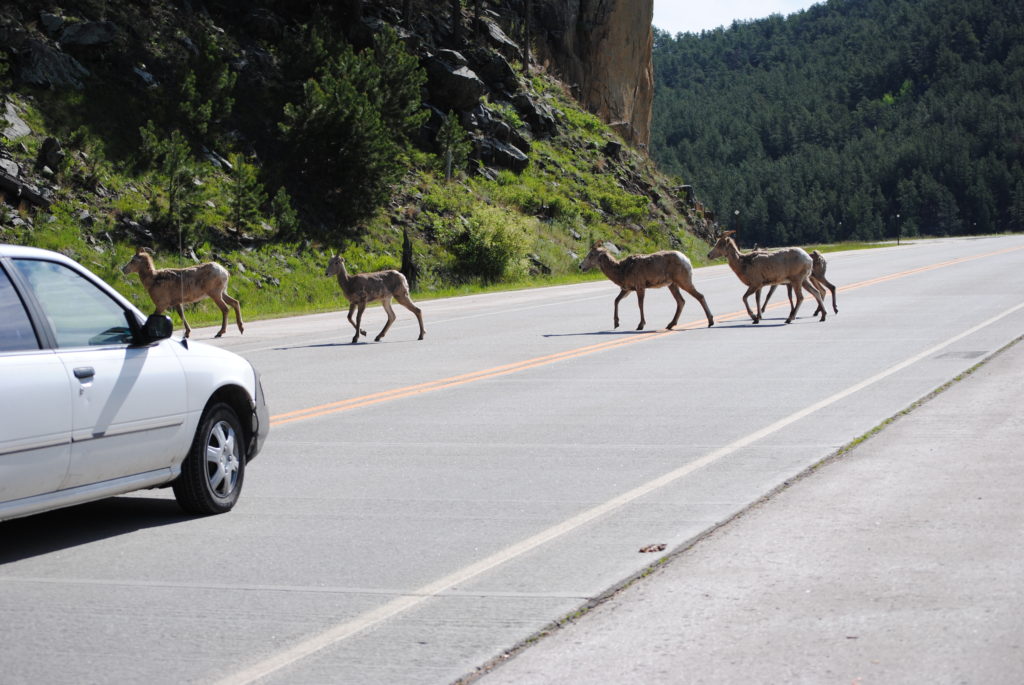
Five big horn sheep crossing a paved mountain road while a white car waits, with rocky hillsides and green forest in the background.

And the best part? People actually stopped for them. There was a respect for wildlife I don’t often see around here. Even with all those animals, there was surprisingly little road carnage — unlike Massachusetts, where you can tell the seasons by how many dead deer line the roadside.

Here’s what we saw in South Dakota:
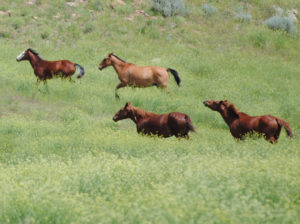
 Four wild horses running across a grassy field, their manes blowing as they move together through open terrain with low shrubs in the background.

  • White‑tailed deer
  • Mule deer
  • Pronghorn
  • Rabbits
  • Bison
  • Big Horn sheep
  • Wild horses
  • Wild burros (the famous “beggin’ burros”)
  • Prairie dogs
  • And Birds, lots of birds.  Meadowlarks, Blue Birds, Swallows  and a Road Runner (where’s Wile E. Coyote?)

Wyoming: The Elk Jackpot

Wyoming happened because it was the only place with elk available for a timeshare exchange. I’d started looking in Utah, but I ended up near Jackson Hole — and I hit the wildlife jackpot.

I wanted elk, and I got elk. I didn’t hear the iconic bugle — the rut was over — but I did get to see part of the elk migration. A huge herd of does, calves, and bulls moving across open fields toward their wintering grounds. It was breathtaking.
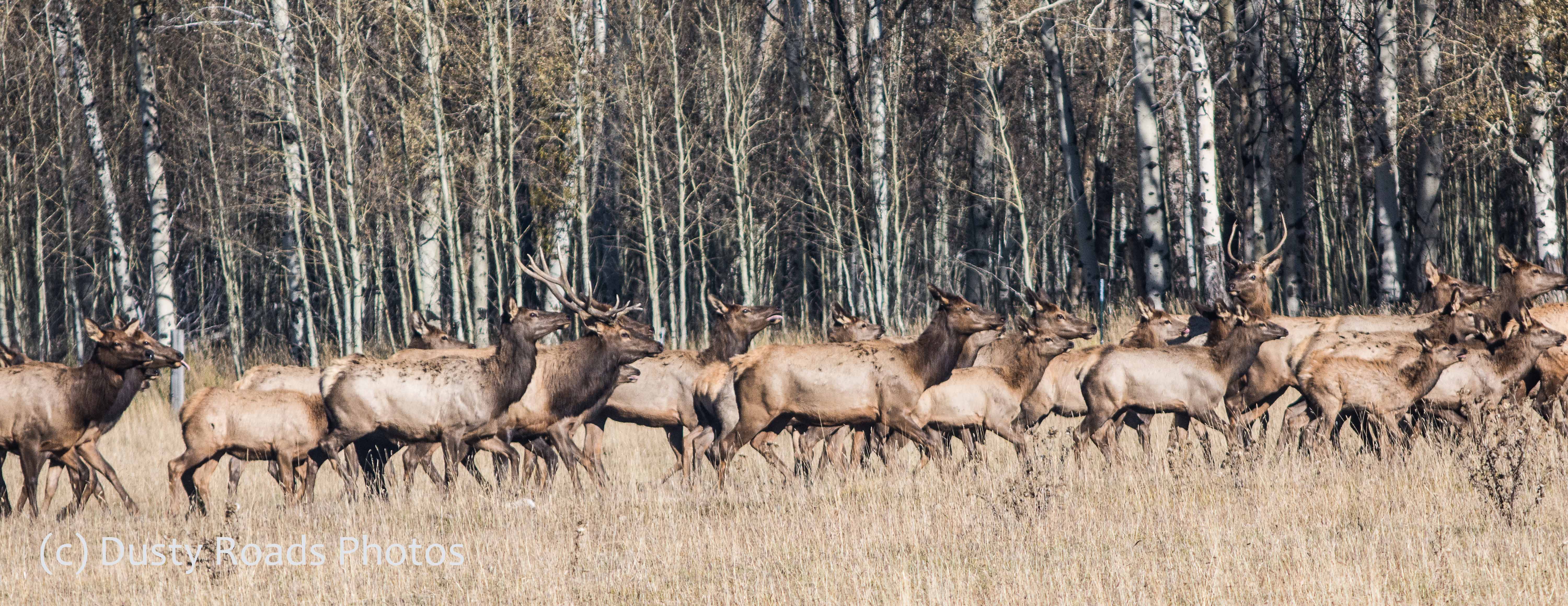
A large herd of elk moving across a grassy field in a wide panoramic scene, with tall leafless trees in the background.

Elk were #1 on the list, but Wyoming had more:

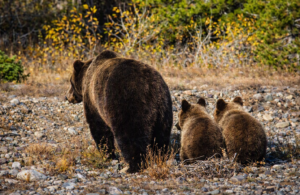
  • Grizzly bearsA mother brown bear and two cubs walking across rocky ground with autumn foliage in the background.
  • Black bears (not always black, which got confusing)
  • Mule deer
  • Pronghorn
  • Chipmunks
  • Bison
  • Moose

One of my favorite moments was seeing a mixed herd — bison, pronghorn, and deer — all grazing peacefully together like they’d formed a temporary wildlife union.

I looked for wolves in Yellowstone, but the Lamar Valley was quiet that day. Beautiful, but empty. I found geysers instead.
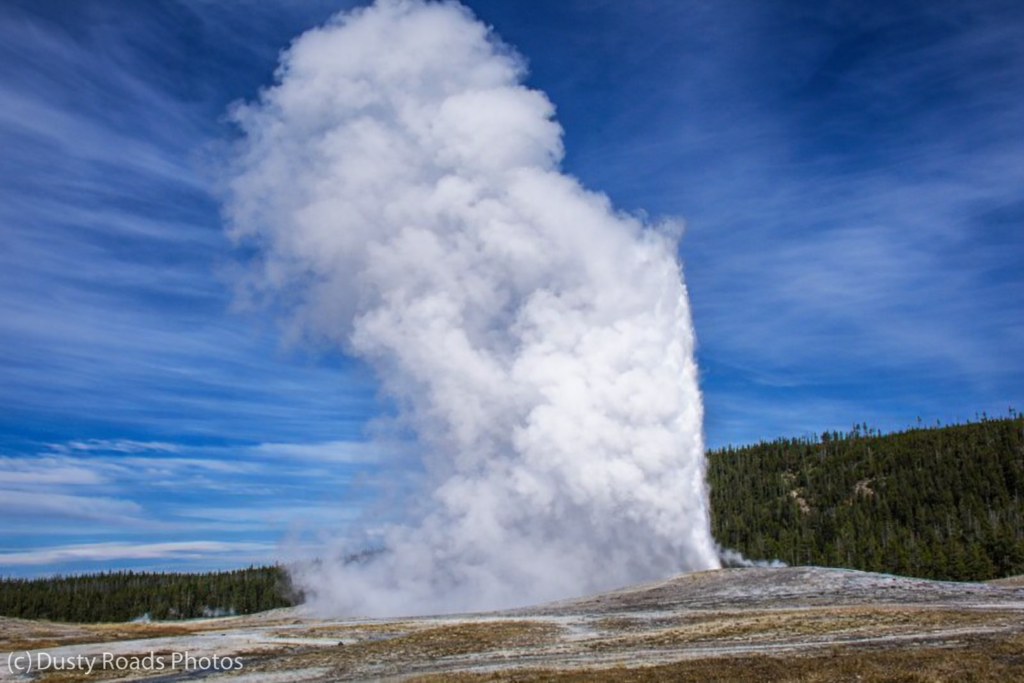
Old Faithful geyser erupting in a tall column of steam and water against a bright blue sky, with rocky geothermal ground and forested hills in the background.

Wild Kingdom, Dusty Edition

I’ve had so many wildlife adventures over the years that I could practically write my own Wild Kingdom scripts. But that’s enough reminiscing for now.

With bears in Connecticut and moose in Gardner, maybe the next wildlife story will be closer to home than I think.


Mount Rushmore: Stone, Story, and a Little Bit of Drama


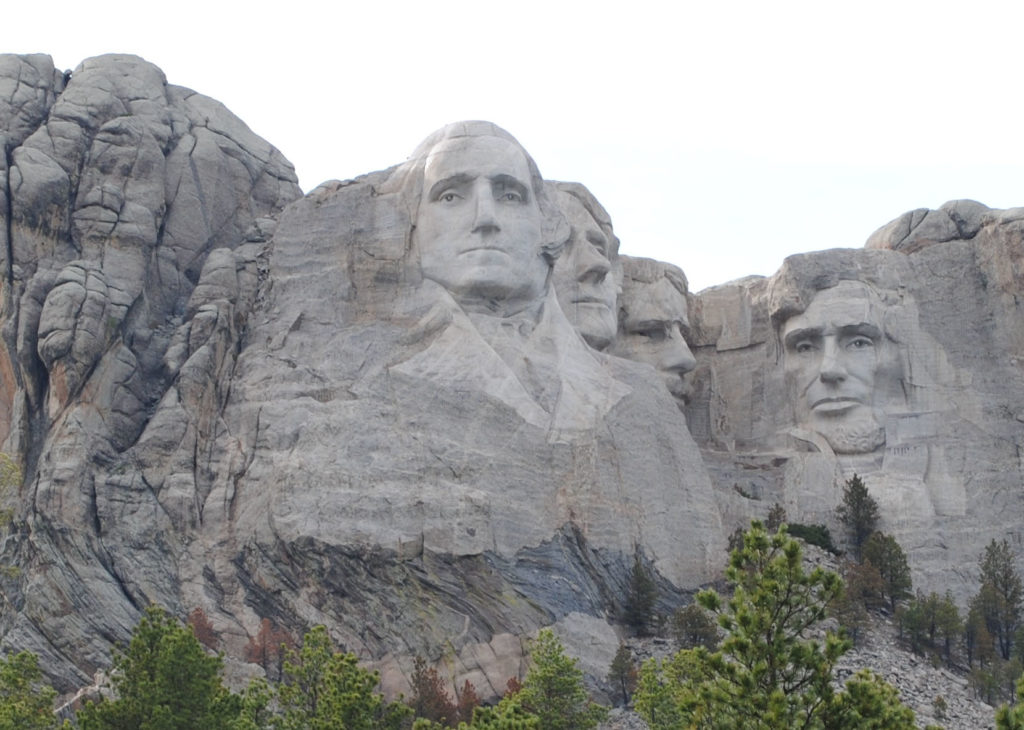
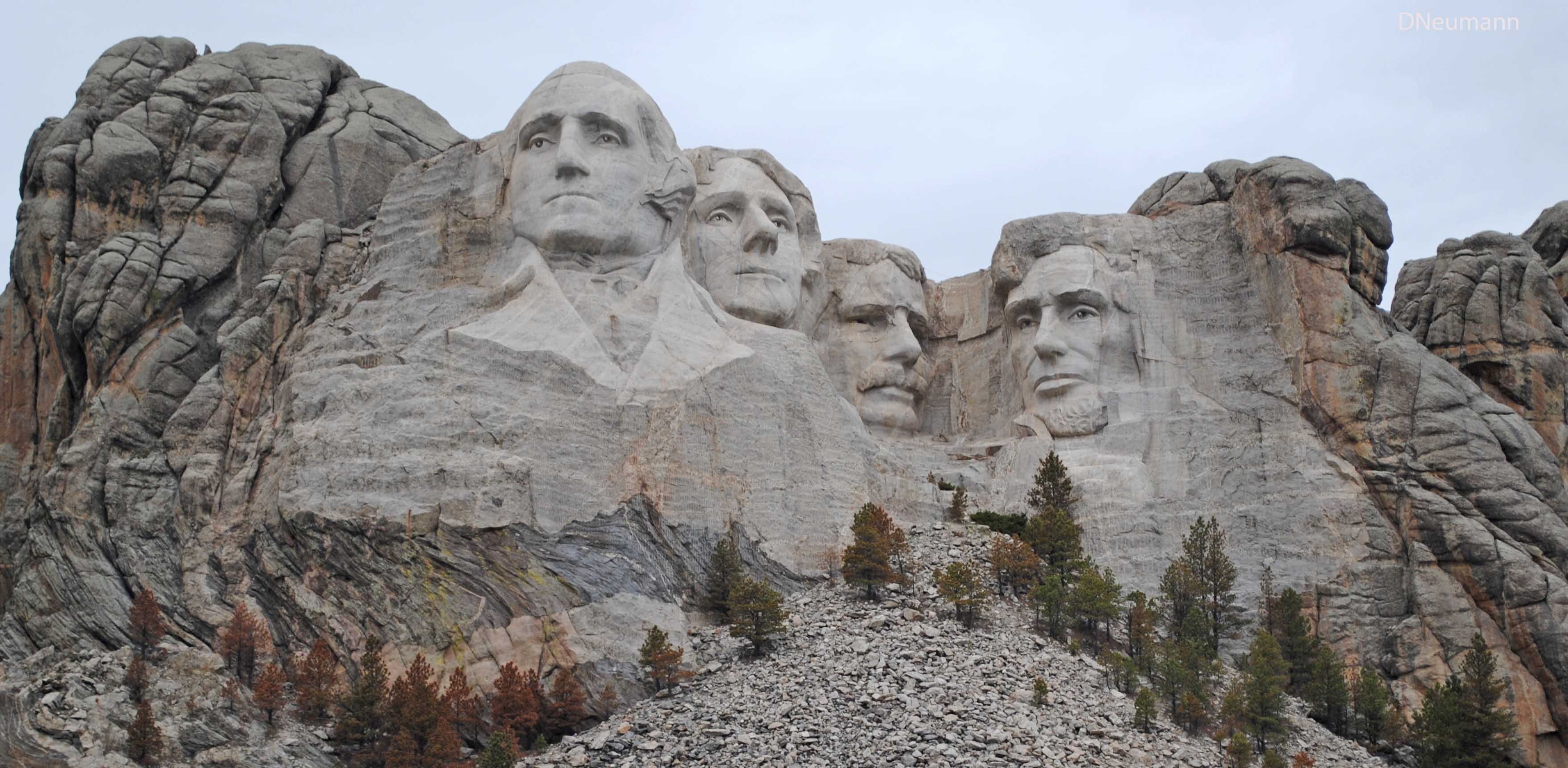
Mount Rushmore National Memorial with the carved faces of Washington, Jefferson, Roosevelt, and Lincoln set against rugged granite cliffs and pine trees under a clear sky.

Mount Rushmore

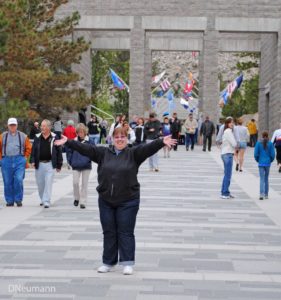
A Monument You Think You Already KnowVisitor standing with arms outstretched on the Avenue of Flags walkway at Mount Rushmore, with other people walking nearby and the stone entrance structure lined with state flags in the background.

Mount Rushmore is one of those places you recognize long before you ever stand in front of it. You’ve seen it in textbooks, travel brochures, and of course in National Treasure, where Nicolas Cage turns the Black Hills into a treasure hunt. But nothing prepares you for the moment you walk the Avenue of Flags and look up. The granite feels bigger, quieter, and somehow more human than all the photos and movies ever made about it.

  
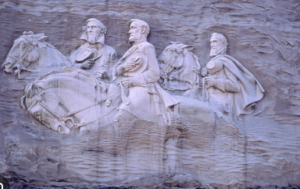
High‑relief stone carving of three Confederate figures on horseback at Stone Mountain, Georgia, showing detailed sculpted horses and riders against the rock face.The Sculptor Who Thought in Stone
Gutzon Borglum had a way of thinking on a massive scale. Before he came to South Dakota, he worked on Stone Mountain in Georgia, carving history into rock in a way most people can’t even imagine. Mount Rushmore was his chance to create something that wasn’t just a monument, but a message — a record of the nation carved into the Black Hills.

The Real “Secret Room” Behind the Faces

Hollywood exaggerated it, but the idea came from something real. Tucked behind Lincoln’s head is an unfinished chamber called the Hall of Records. Borglum planned it as a vault for America’s founding documents — a symbolic archive sealed inside the mountain. The project was never completed, but the room exists: inaccessible, quiet, and still holding porcelain panels that tell the story of how the monument came to be.

Not a treasure vault… but still a secret room.

The Day Mount Rushmore Became a Movie Set

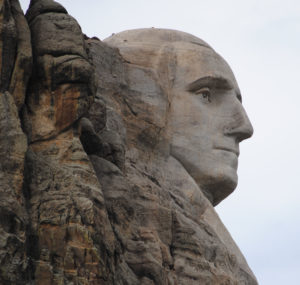
  Close‑up view of George Washington’s carved face on Mount Rushmore, showing detailed granite texture and sculpted features against the rock surface.

Profile in Granite

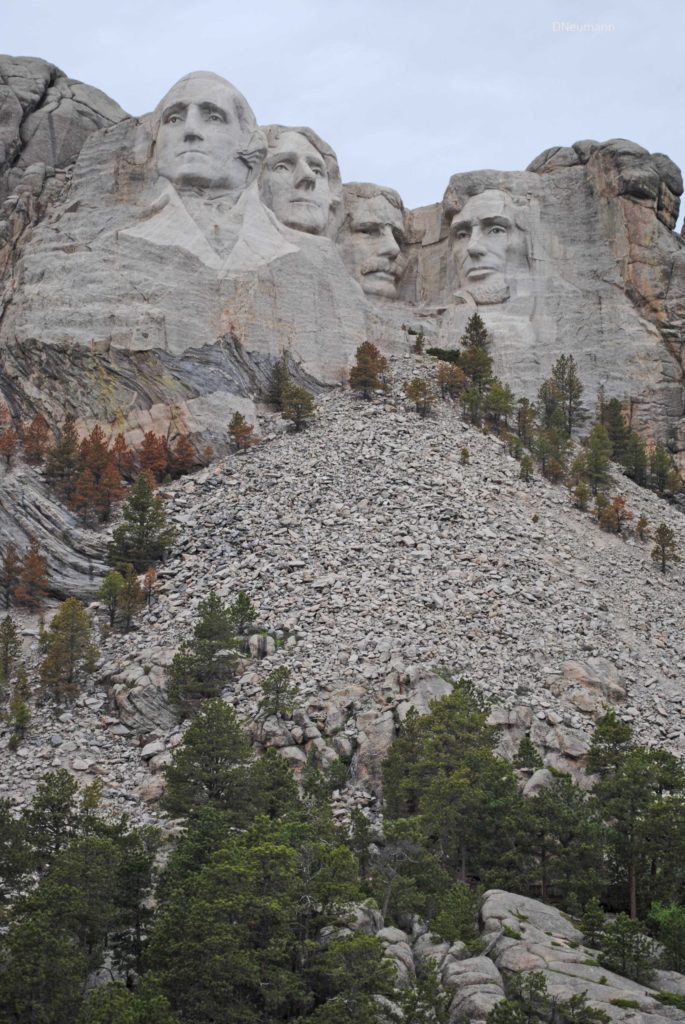
My visit had its own drama. A couple of people decided they were going to recreate their own version of National Treasure. They climbed up the loose shale beneath the monument — heading straight toward Roosevelt’s nose, which sits closest to the rubble. I can still tell exactly which one when I look at my photos.

The rangers were not amused. They got them down, arrested them, and suddenly the entire observation deck became an audience watching a real‑life “movie” unfold. It was chaotic, ridiculous, and unforgettable.

Why Mount Rushmore Stays With You

Mount Rushmore doesn’t need Hollywood. It already has its own stories — carved in stone, hidden in unfinished chambers, and sometimes acted out by people who take the movies a little too seriously.

And that’s what stays with you. Not just the monument itself, but the layers around it: the history, the myths, the quiet moments, and the unexpected ones. South Dakota has a way of reminding you that the past is never as far away as it seems.

The faces in the stone stay still, but the stories around them never stop.

Wide view of Mount Rushmore showing the four presidential carvings above a large slope of loose shale and rock debris, with pine trees surrounding the base under an overcast sky.


Deadwood, South Dakota: Truth, Legend, and the Last Days of Wild Bill Hickok


The One Stop We Missed

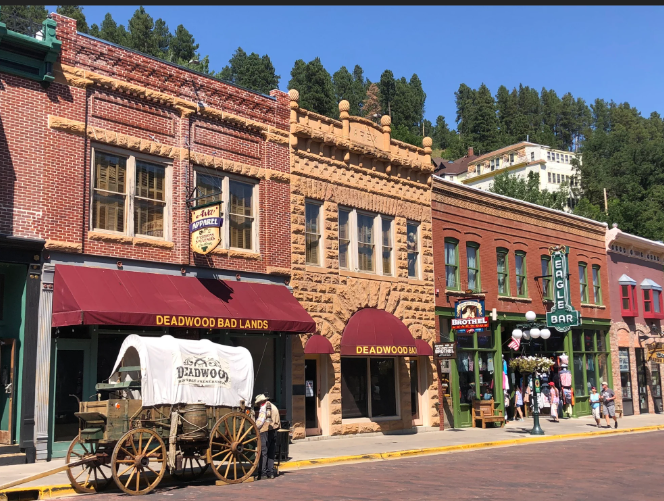
Among the myths and legends of the Wild West sits Deadwood, South Dakota. I still regret that we didn’t take the time to visit when we took our amazing vacation out that way. If you’ve been following Around Dusty Roads for a while, you may remember those older posts—Mount Rushmore, the Badlands, Custer State Park… we squeezed in a lot. But Deadwood? Somehow it slipped through the cracks.

Does that mean a return trip is needed? Let’s talk about it, and you be the judge.

A Town Built on Gold, Grit, and Gunpowder

Deadwood earned its reputation during the lawless days of the Wild West. Gold brought fortune seekers. Fortune seekers brought outlaws. Outlaws brought gunfights. And the whole mix created a town where danger and opportunity walked hand in hand.

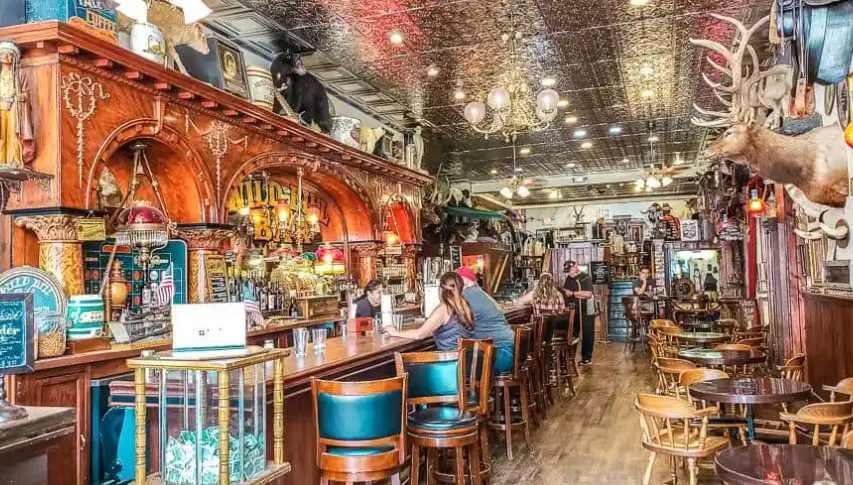
Today, Deadwood leans into that history with restored saloons, historic buildings, and lively reenactments that celebrate its rough‑and‑tumble past. It’s a place where the line between truth and legend blurs—sometimes intentionally.

The Murder of Wild Bill Hickok

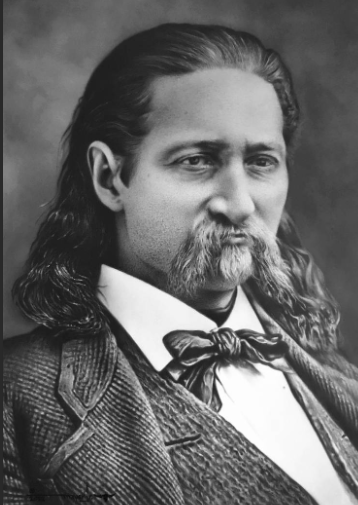
Of all the stories tied to Deadwood, none is more famous than the death of James Butler “Wild Bill” Hickok. On August 2, 1876, Hickok took a seat in Nuttal & Mann’s Saloon No. 10. For reasons still debated, he sat with his back to the door—something he almost never did.

That small decision became part of Western lore.

The day before, a drifter named Jack McCall had lost all his money to Hickok in a poker game. When Hickok offered him money for a meal, McCall took it as an insult. Fueled by wounded pride and liquid courage, he returned the next evening, walked up behind Hickok, and shot him in the head.

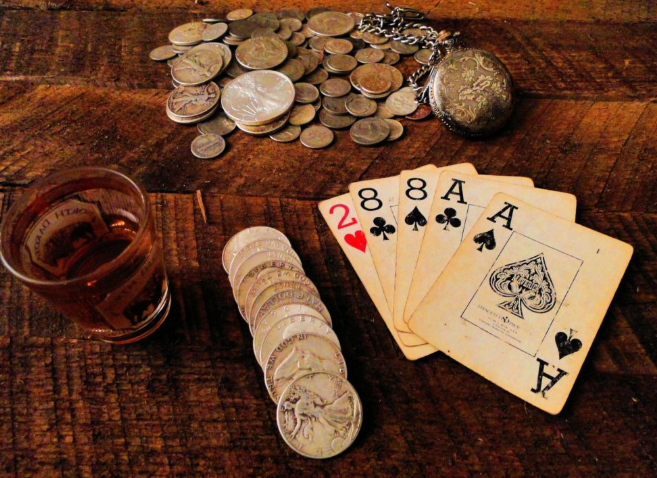
Legend says Hickok was holding black aces and black eights—the now‑famous “Dead Man’s Hand.”

Honoring a Legend

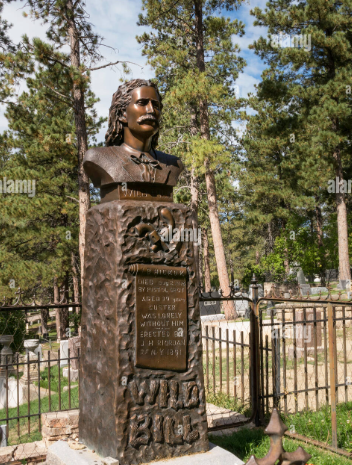
Visitors to Deadwood can still pay their respects at Wild Bill’s grave in Mount Moriah Cemetery. His memory lives on in more ways than one:

  • In 1979, he was inducted into the World Series of Poker Hall of Fame.
  • Every June, Deadwood hosts “Wild Bill Days” in his honor.
  • And every time someone draws a Dead Man’s Hand, Hickok’s story resurfaces.

Thus, while gone, Wild Bill Hickok is certainly not forgotten.

Truth or Tall Tale?

This one goes firmly in the truth column. The details may have been polished by storytellers over the years, but the core of the tale—Deadwood, Wild Bill, Jack McCall, and that fateful poker game—is solid history.

Your Turn: Is Deadwood Worth a Return Trip?

I missed Deadwood the first time around, and the more I dig into its history, the more I wonder if that was a mistake. Between the Wild West legends, the historic saloons, and the chance to stand where Wild Bill Hickok played his final hand, it feels like a place that deserves a spot on the itinerary.

So now I’m turning it over to you.
Have you been to Deadwood? Did it live up to the stories?
Or, if it’s still on your bucket list, does it sound like a place worth doubling back for on a future South Dakota adventure?

Share your thoughts in the comments—I’d love to hear your take.


A Traveler’s Guide to Roadside Attractions


Just a heads-up: Some of the links in this post may be affiliate links. That means if you click through and make a purchase, I may earn a small commission—at no extra cost to you. I only share products, places, and experiences I truly love and think you will too. Thanks for supporting Around Dusty Roads and helping me keep the adventure going!

_________________________________________________________________

📝 Lists: These Are a Few of My Favorite Things

I love lists. I like to check off the things I’ve done and review the things to come. One of my favorites? A well-worn copy of 1,000 Places to See Before You Die. It’s part bucket list, part daydream fuel.

Every now and then, I stumble across a list of Roadside Attractions—those quirky, unforgettable stops that dot the highways like exclamation points. Starting in the 1920s and ’30s, the rise of the automobile road trip sparked a craze among entrepreneurs to build eye-catching structures and clever advertisements to lure passing motorists. The trend flourished through the 1950s and ’60s, often considered the “Golden Age” of roadside Americana. Route 66 was famous for it. And yes, I’ve driven parts of Route 66 myself.

Rt 66 2011 – Photo Credit Deb Neumann


⏳ Time Is Passing

Sadly, as time marches on, many of these roadside oddities are falling into ruin—or worse, being sold to developers and replaced with modern billboards and generic signage. The charm fades, but a few gems still linger.


📍 Three Attractions That Linger

Here are three roadside wonders I’ve personally visited—and they’ve left a lasting impression.


🦖 1. Wall Drug Store — South Dakota

Located near Badlands National Park, Wall Drug is more than a pharmacy—it’s a full-blown destination. Think kitschy souvenirs, an 80-foot animatronic T-Rex, and a dining room that serves up hearty fare. When people say “You can’t miss it,” they mean it. Just follow the signs off Route 16.

Wall Drug Store 2011- Photo Credit Deb Neumann

Thanks to a catchy jingle—
“Get a soda / get a beer / turn next corner / just as near / to Highway 16 and 14 / free ice water / Wall Drug”—
the cars started rolling in and haven’t stopped since.


🦕 2. Dinosaur Park — Rapid City, South Dakota

After a snack at Wall Drug, why not swing by Dinosaur Park? Built in 1936 during the Great Depression, this hilltop attraction features a towering 80-foot brontosaurus and six of its prehistoric pals.

Dinosaur Park Rapid City SD 2011- photo credit Deb Neumann

The idea was sparked by local discoveries of dinosaur bones and footprints—and it worked. The park captured traffic headed toward Mount Rushmore and became a beloved symbol of Rapid City. Today, the brontosaurus still stands tall, watching over the town like a gentle giant.

Big Brontosaurus- Rapid City photo credit Deb Neumann


🧜‍♀️ 3. Weeki Wachee Springs — Florida

Heading south to the Sunshine State, I was on the hunt for manatees—and found mermaids instead. Weeki Wachee Springs is famous for its live mermaid shows, a nostalgic nod to old Florida charm. But like the vintage ads say, “Wait—there’s more!”

Mermaid Show Weeki Wachee Springs 2012 – photo credit Deb Neumann

Visitors can take a nature boat ride, go kayaking, or splash around in the water park. It’s a fun day for all ages. And yes, if you’re lucky, you might just spot a manatee gliding through the springs. ( Yes, that’s me swimming with the baby manatee)

Baby Manatee

Manatee Whisperer 2017


The Majesty of Elk


🦌 The Majesty of Elk: A Wildlife Dream Fulfilled

For those who’ve followed my adventures for a while, you know that wildlife photography is one of my greatest joys. There’s something magical about spotting animals in their natural habitat—no fences, no enclosures, just raw, untamed beauty. And among the creatures I’ve longed to see, elk have always held a special place in my heart.

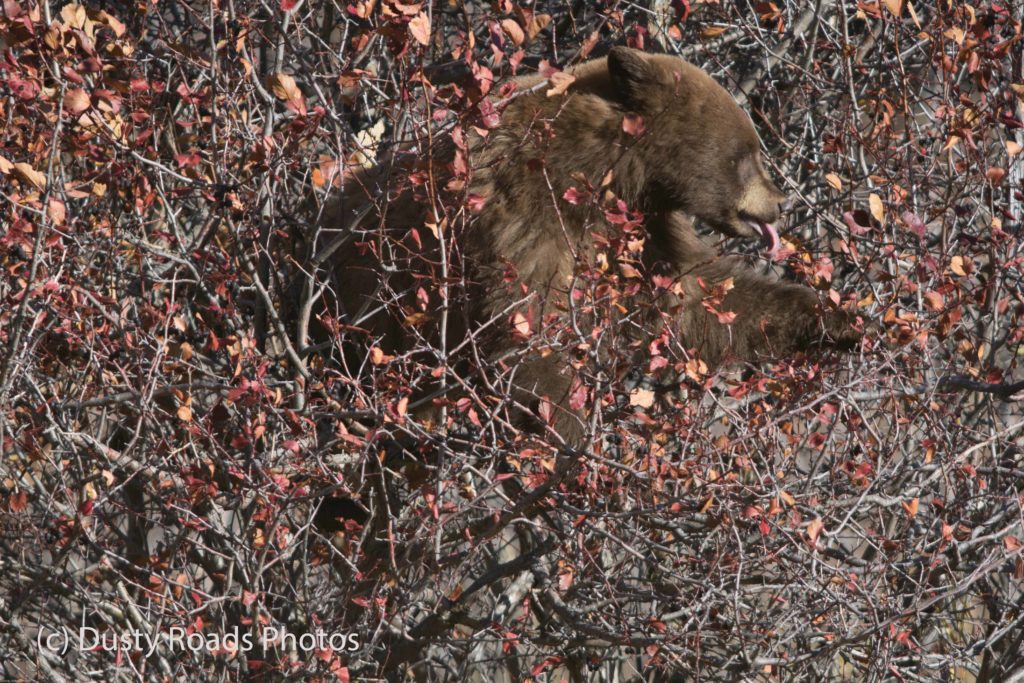
lunch of yummy berries

cinnamon colored black bear- but not Elk Wyoming 2017= photo credit Deb Neumann

🌾 The Elusive Elk

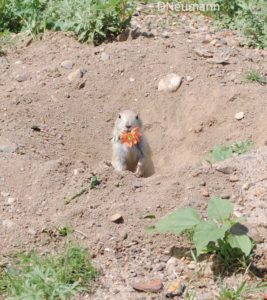
My quest to find elk in the wild has taken me across the country. In South Dakota, I encountered prairie dogs, wild horses, and sweeping landscapes that felt like scenes from a nature documentary. Locals assured me elk were nearby, but they always seemed to be just out of reach—like shadows slipping through the trees.

prairie dog with flower- Photo credit Deb Neumann

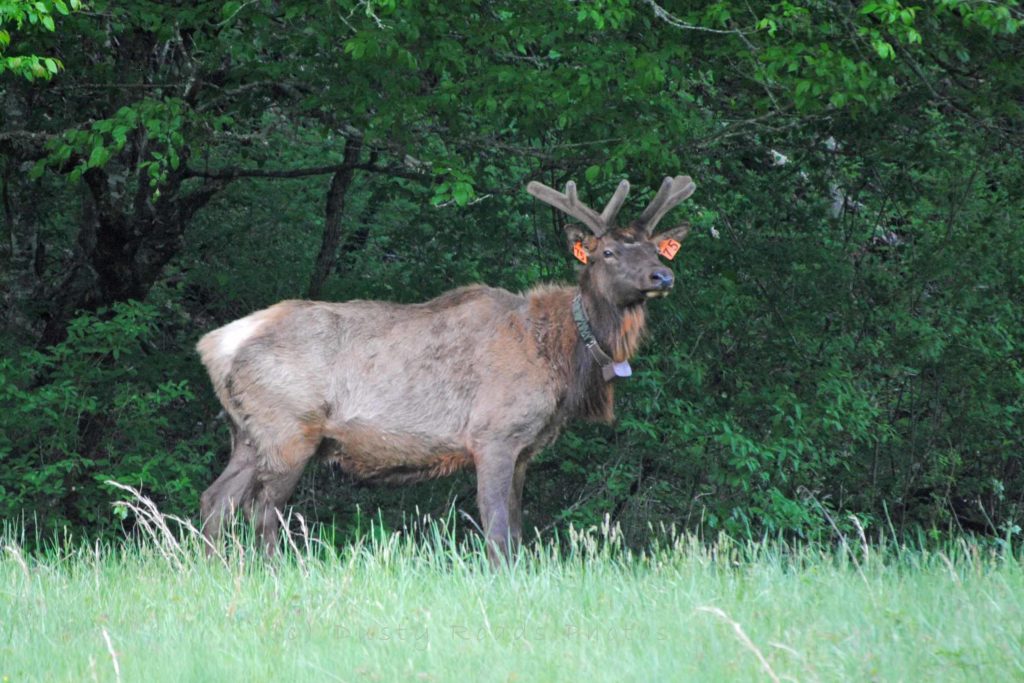
In 2014, I ventured into the mountains of Tennessee and North Carolina. There, I finally spotted some elk, but the experience was bittersweet. The herds were tagged and monitored, their movements restricted. They looked subdued, almost domesticated. I had imagined proud, wild creatures echoing their haunting bugle calls through the valleys—but the silence was deafening.

North Carolina 2014- photo credit Deb Neumann

🍁 A Journey to Jackson Hole

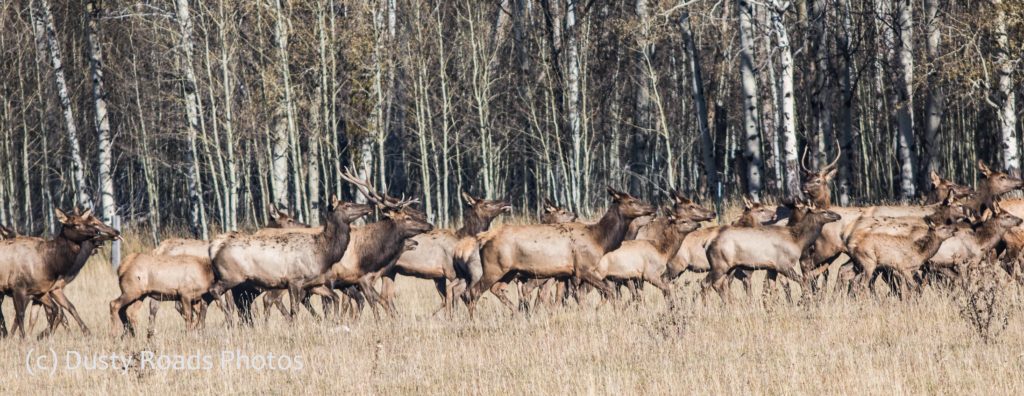
I began to think I’d need to travel all the way to Banff National Park in Canada to find the elk I’d dreamed of. But in October 2017, I made my way to Jackson Hole, Wyoming—just in time for the great elk migration.

Elk Migration

Elk Herd Outside Jackson Hole 2017- Photo credit Deb Neumann

Although I missed the rut and the iconic bugling calls, I was in the right place at the right time. The elk were moving south from Yellowstone to the National Elk Refuge near Jackson Hole. And that’s when it happened.

👑 A Vision Realized

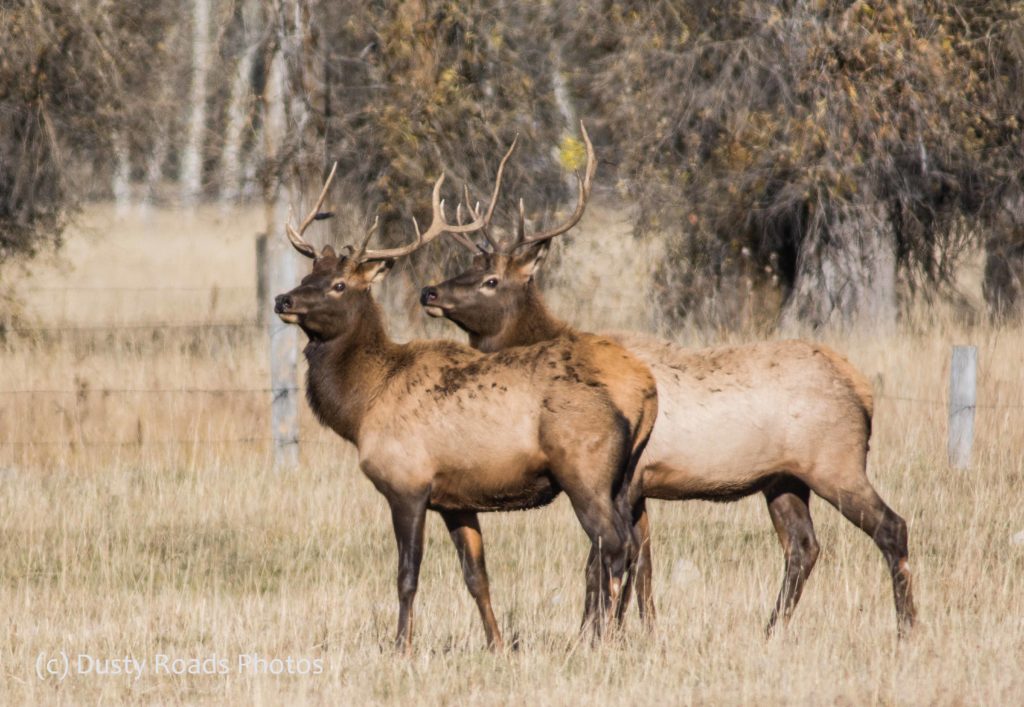
I finally saw them—my majestic elk. Towering bulls with massive antlers escorted graceful females across golden meadows. The herds were vast, the energy palpable. These elk were everything I had imagined: wild, proud, and breathtakingly beautiful.

A pair of Bull elk

Elk Bulls Oversee the Herd Wyoming 2017 – photo credit Deb Neumann

It was a moment years in the making, and one I’ll never forget.

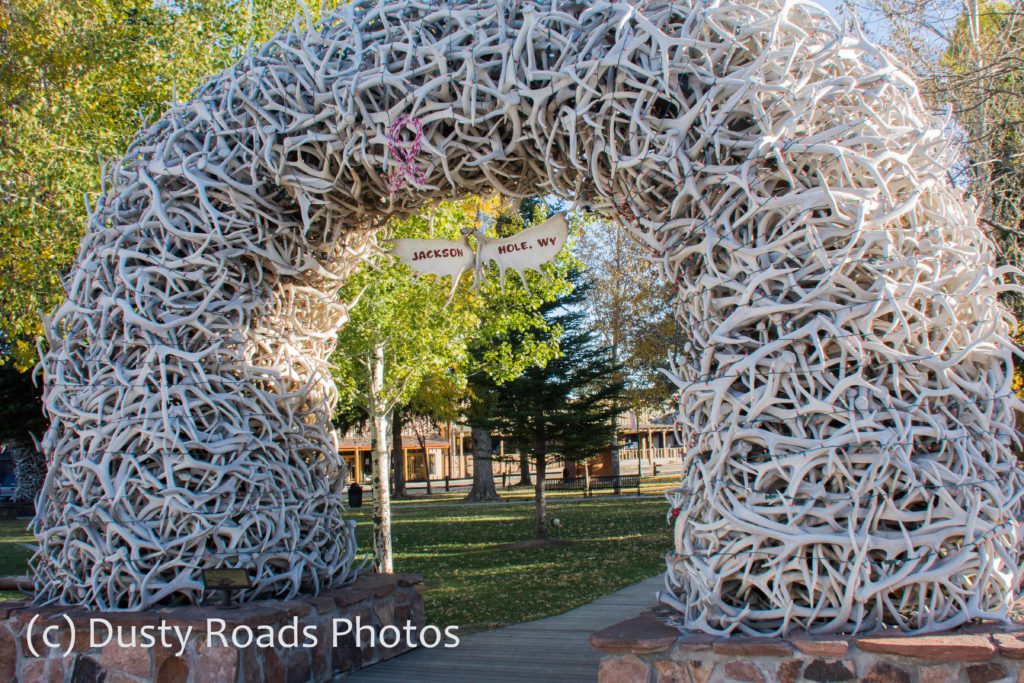
Antler Arch in Town Sq. Jackson WY

Elk Horn Arch Jackson Hole- photo credit Deb Neumann